Pay Transparency

Overview

Generally speaking, “pay transparency” is the practice of being transparent about compensation for a particular job or role. For employers, that could look like adding salary ranges to job postings, for example.

1440 Findings

Hours of research by our editors, distilled into minutes of clarity.

  • Interview with a pay transparency expert

    Maybe you’ve seen one of Hannah Williams’ videos on social media. On her viral “Salary Transparent Street” accounts, Williams stands on the street with a microphone and asks passersby to tell her how much money they make per year. This podcast interview with Williams details what she’s learned about pay transparency in the process. Listen to it here.

  • Pay transparency 101

    The star of this Harvard Business Review video interviews experts—from an organizational psychologist and business professor to a TikToker who asks people how much money they make—to get to the bottom of core issues about pay transparency. Why is talking about money becoming less taboo? How do pay transparency laws impact workers, employers, and office culture? Watch this video to find out.

    Video

    Everything you need to know about pay transparency, according to experts

  • Why younger workers began talking about their salaries

    While some Gen Zers and millennials are becoming increasingly comfortable with talking about their salaries or hourly wages with one another, older generations often have a tough time understanding why. This article explains why the culture around talking about money has changed slightly over the last few years. Read it here.

  • What is pay transparency?

    Generally speaking, pay transparency occurs when an employer provides compensation information. But that idea can take many different forms in different states with different pay transparency laws depending on what each specific law dictates. To learn about more pay transparency basics like the ones above, read this article.

  • State of pay transparency

    Pay transparency—once considered taboo—is gaining momentum. Despite being legally protected since 1935, open salary discussions have only recently become more common, especially among younger workers. This overview explores how cultural norms, economic shifts, and new state laws are reshaping the conversation around what we earn.

    Video 1440 Original

    State of Pay Transparency

  • Why everyone is openly discussing pay

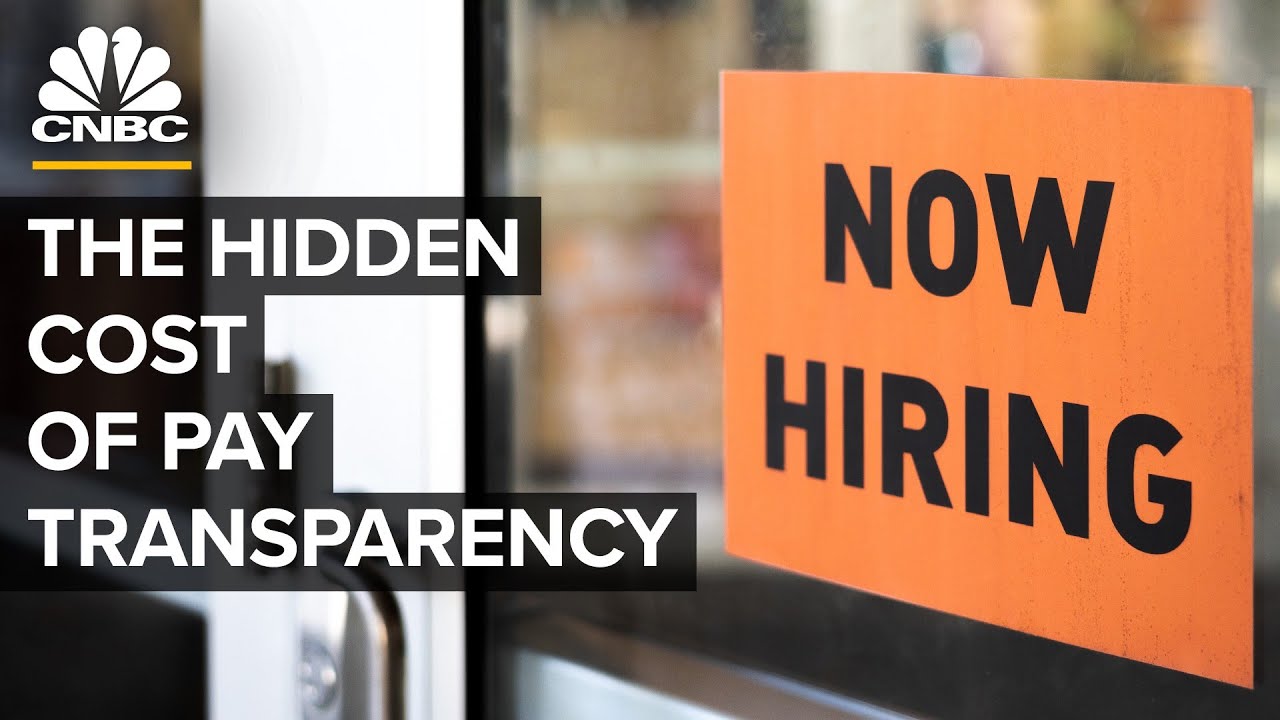
    In 2021, Colorado became the first state in the US to require public disclosures of salary ranges. Flash forward a few years, and other places in America would get salary transparency laws, too, like Washington state, New York City, and California. But the salary transparency movement might have a downside: Some researchers believe it could hurt wage growth for workers over time. Watch this video to learn more.

    Video

    Why everyone is openly discussing pay

Next page

Explore Business & Finance

The United States is home to more than 33 million businesses, the vast majority of which are small businesses, with millions being created (and others closing shop) every year. These businesses often rely on loans, provide the goods and services that keep the economy flowing, and sometimes even grow large enough to enter public markets or provide private investment opportunities. Explore key topics central to business and finance, from the role of the Federal Reserve to how initial public offerings work, how millions of American students finance higher education, and more.

View All Business & Finance