Oil prices have been volatile for decades
This explainer shows oil’s rollercoaster: OPEC-led embargoes in the 1970s, shale surges in the 2000s, and the US flip to becoming a net oil exporter in 2020.
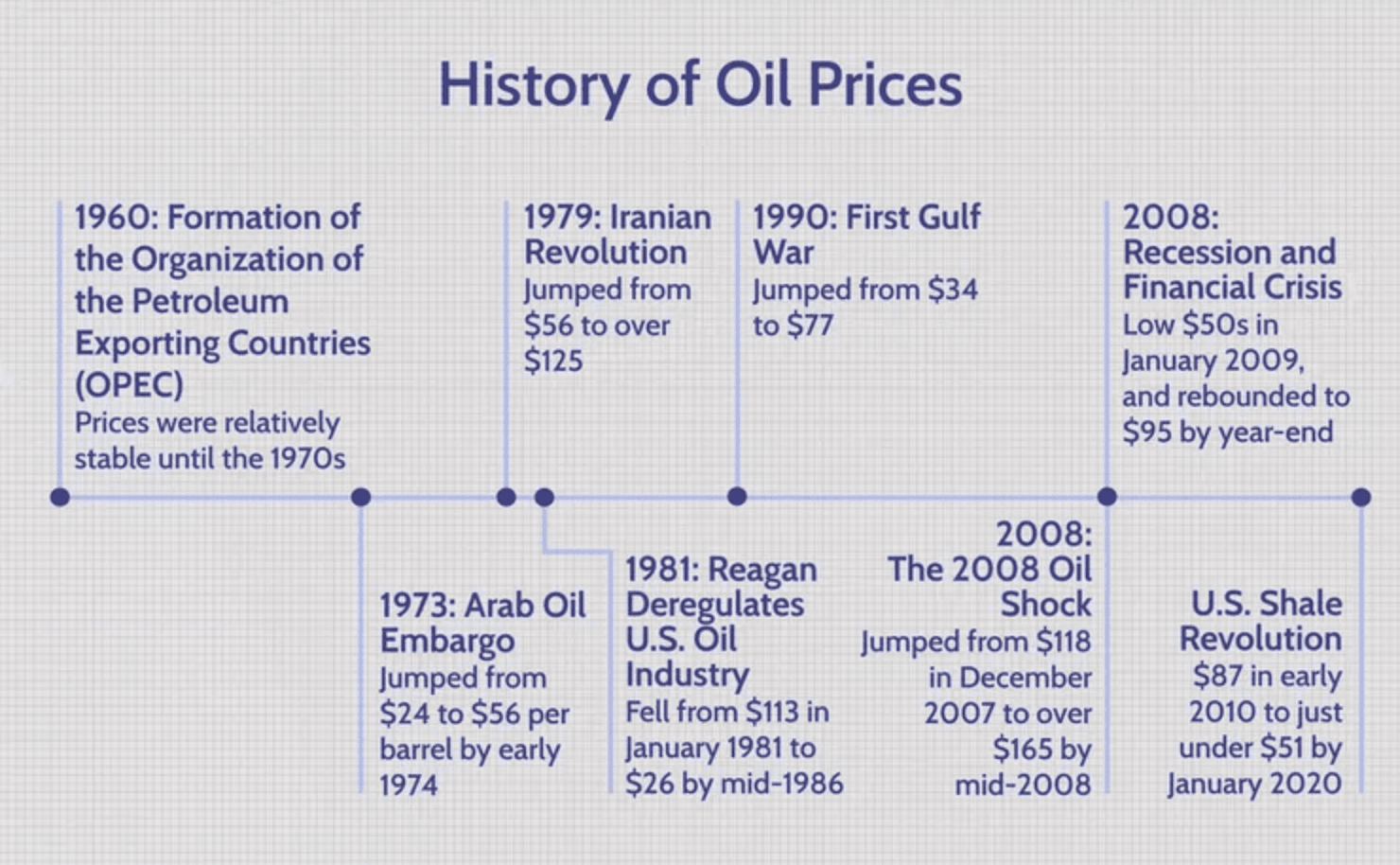
Hours of research by our editors, distilled into minutes of clarity.
This explainer shows oil’s rollercoaster: OPEC-led embargoes in the 1970s, shale surges in the 2000s, and the US flip to becoming a net oil exporter in 2020.
OPEC’s official members page features profiles for all 12 current member countries—Algeria, Congo, Equatorial Guinea, Gabon, Iran, Iraq, Kuwait, Libya, Nigeria, Saudi Arabia, UAE, and Venezuela—detailing their joining history, national data, and links to individual country pages.
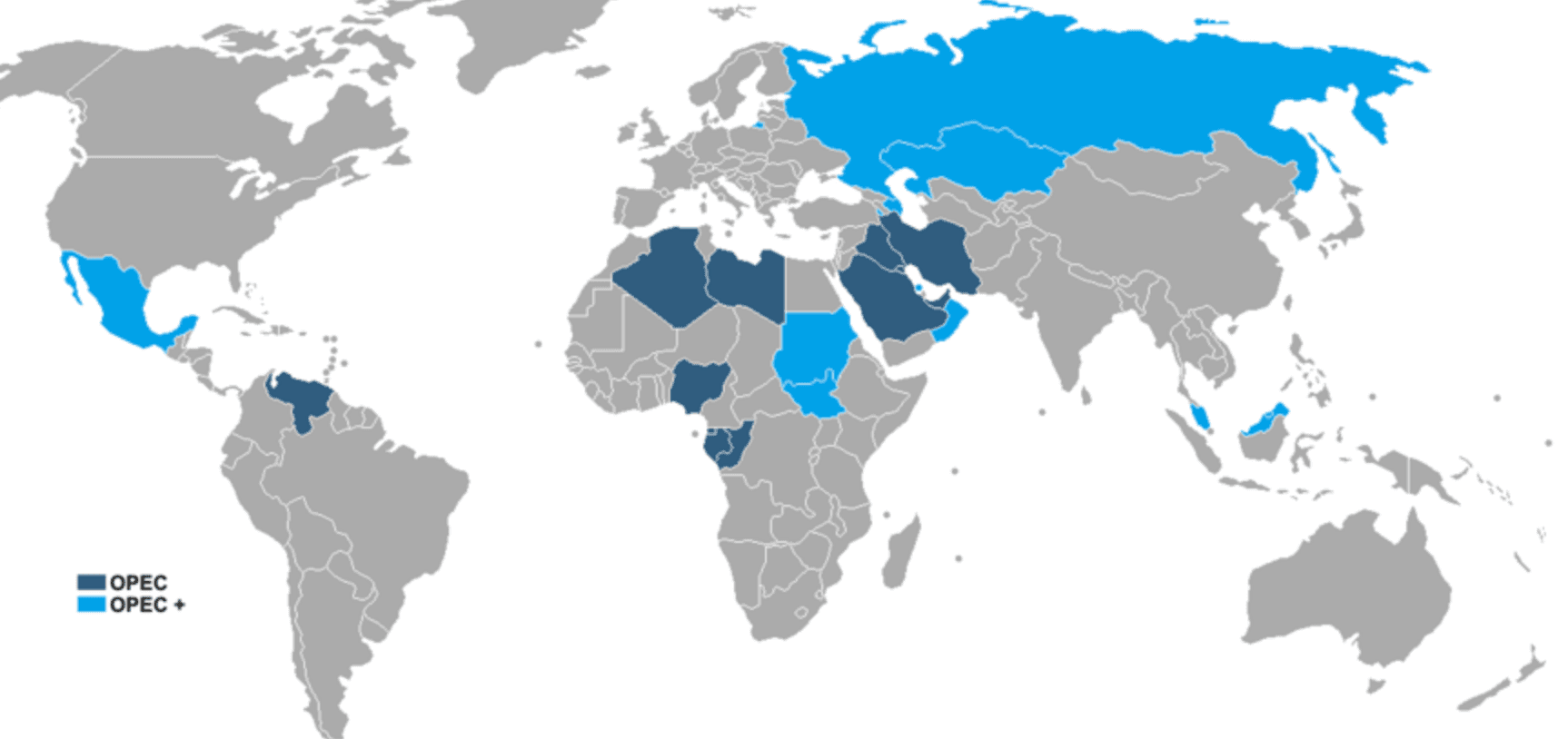
OPEC+ emerged in 2016 when 10 additional producers, including Russia, joined to stabilize markets amid U.S. shale growth. In 2022, OPEC alone supplied 38 % of global crude oil, but combined with OPEC+, output reached nearly 59 % of world production—significantly amplifying its market power.
In October 1973, Arab OAPEC countries stopped or significantly reduced oil exports to nations backing Israel during the Yom Kippur War. Crude prices nearly quadrupled, sparking global shortages, economic recession, rationing, and major energy policy reforms.
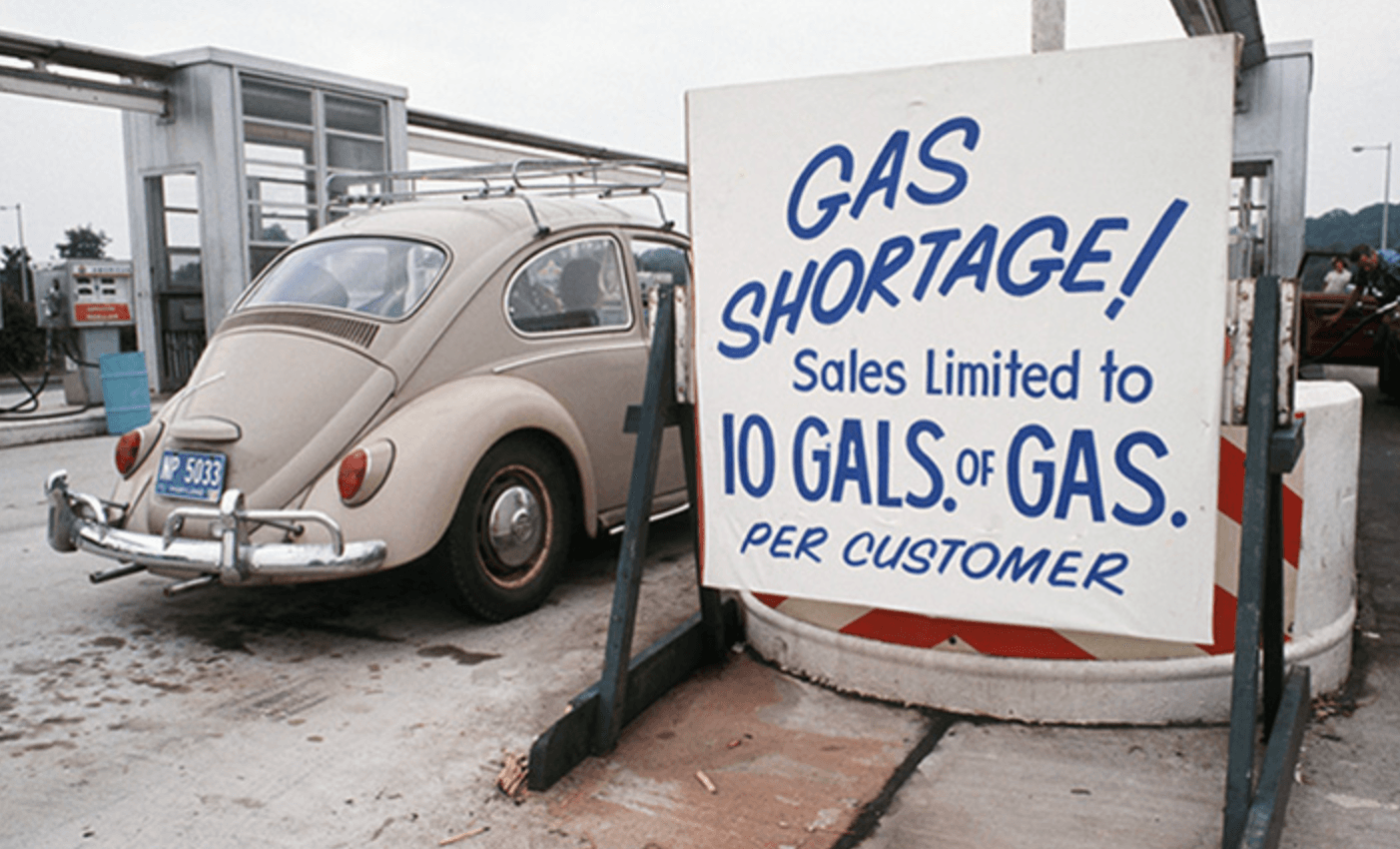
The video from the Economist highlights how energy supply disruptions can be weaponized—just as in 1973, today’s gas cutoffs (Russia throttling supplies to Europe after their invasion of Ukraine) reveal the ongoing importance of strategic energy resilience.
OPEC’s official website offers a comprehensive hub for its core work—featuring press releases, monthly and statistical reports, digital publications like the World Oil Outlook and Annual Statistical Bulletin, and other research center materials.
This explainer shows oil’s rollercoaster: OPEC-led embargoes in the 1970s, shale surges in the 2000s, and the US flip to becoming a net oil exporter in 2020.
This animated map video vividly illustrates how petroleum shaped global politics and industry—from 18th-century uses and 19th-century drilling booms in North America to today’s OPEC strategies, shale revolution, and geopolitical oil influence.
Amid the fallout of World War II, Western multinational corporations expanded their control of the production of oil across the oil-rich Middle East, earning the pejorative nickname of the Seven Sisters. In the 1970s, the group’s role diminished as nationalist movements pursued sovereign control of the oil.
Following the June 1967 Arab–Israeli war, Saudi Arabia, Kuwait, Iraq, Libya, and Algeria embargoed oil shipments to the US, UK, and West Germany. While the move did not have a large impact, it reshaped global oil flows, and foreshadowed OAPEC's later actions.
Learn more about the June 1967 conflict which shifted territorial lines across Israel and its neighbors—Egypt, Jordan, Syria, and Iraq—reshaping the Middle East’s political landscape with long-lasting geopolitical ramifications.
Weave together the many narratives of world history with our highly curated and expanding selection of diverse, fascinating resources designed to showcase the breadth and richness of Earth's story, from the earliest traces of human civilization to the dramatic developments of contemporary cultures.