OPEC
Overview
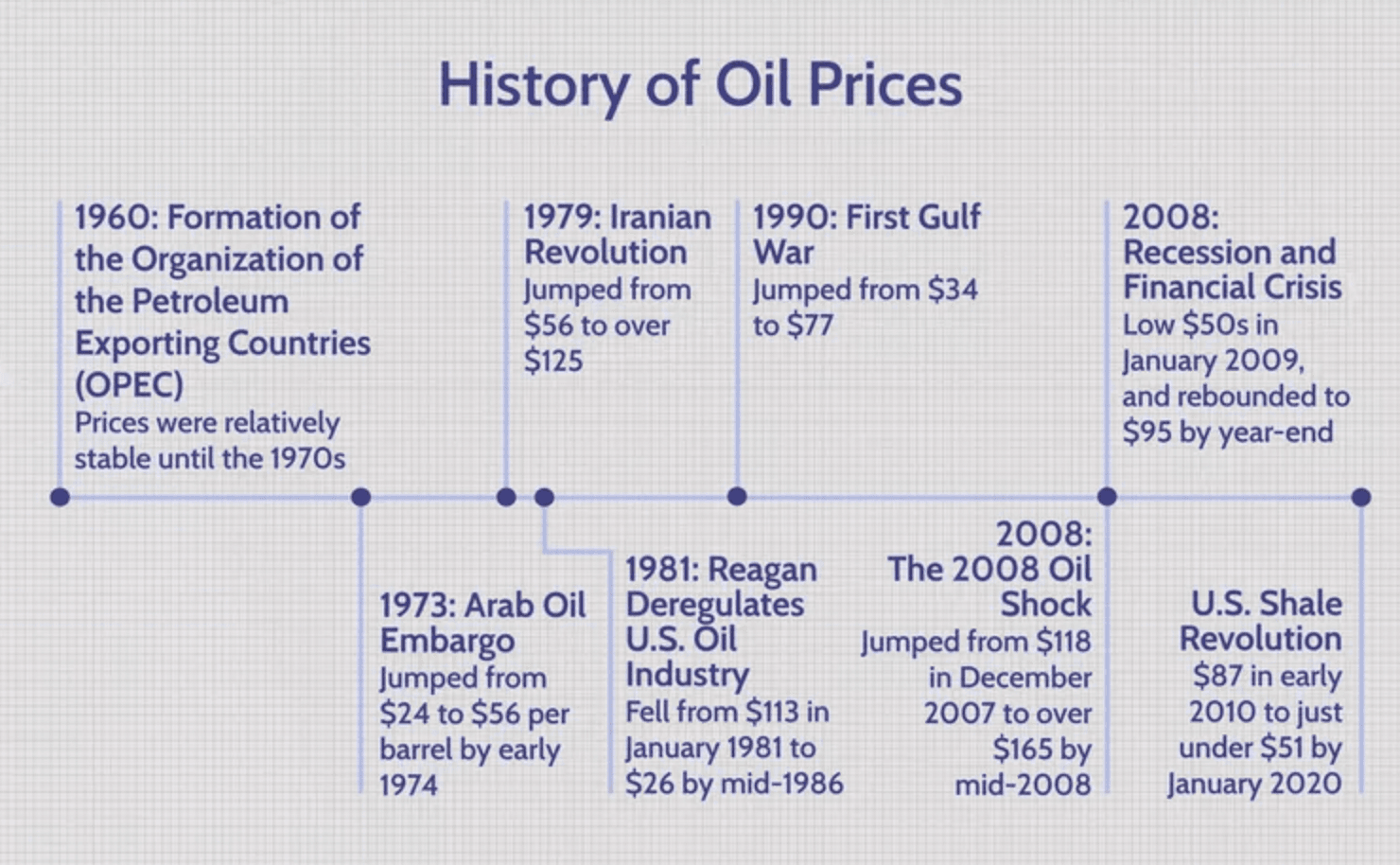
OPEC—the Organization of the Petroleum Exporting Countries—was founded in Iraq in 1960 to coordinate oil policy among major exporters. Initially a reaction to Western dominance of global oil markets, it evolved into a powerful bloc capable of reshaping global energy prices, geopolitics, and development.
OPEC works by setting production quotas for each member country. By coordinating supply cuts or increases, the group can tighten or loosen global oil supply, pushing prices up or down.
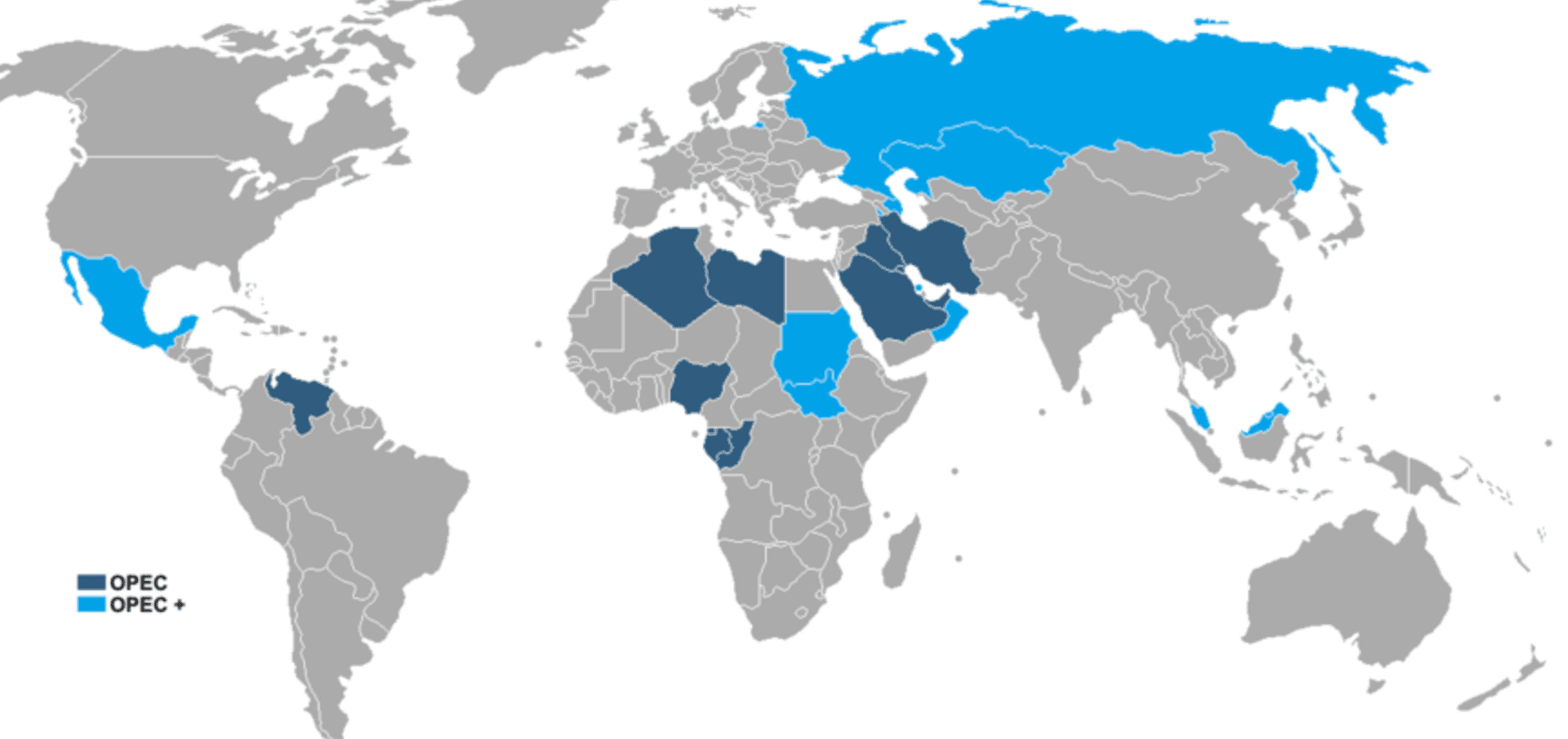
Today, OPEC has 12 member countries spanning the Middle East, Africa, and South America—Algeria, Congo, Equatorial Guinea, Gabon, Iran, Iraq, Kuwait, Libya, Nigeria, Saudi Arabia, the United Arab Emirates, and Venezuela—and works closely with non-member oil-producing allies in the wider "OPEC+" group.
1440 Findings
Hours of research by our editors, distilled into minutes of clarity.



Explore World History
Weave together the many narratives of world history with our highly curated and expanding selection of diverse, fascinating resources designed to showcase the breadth and richness of Earth's story, from the earliest traces of human civilization to the dramatic developments of contemporary cultures.