New Journalism

1440 Findings

Hours of research by our editors, distilled into minutes of clarity.

  • Pinned

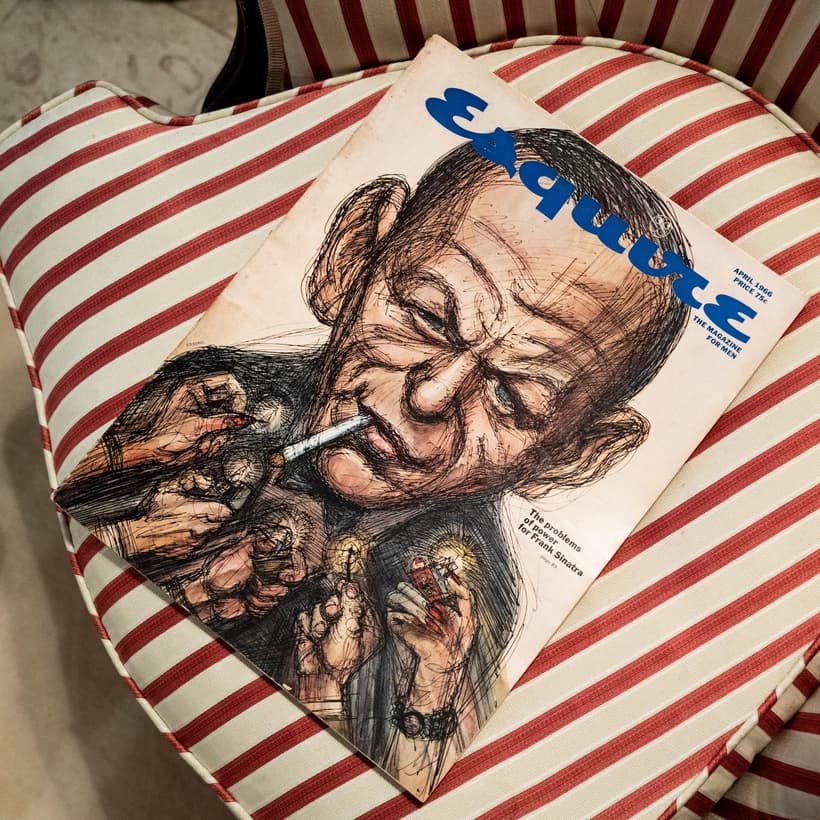
    ‘The Kandy-Kolored Tangerine-Flake Streamline Baby’ was a letter to an editor

    Wolfe pitched a story about custom-made cars to Esquire with a satirical angle. While struggling to actually put the piece together, he explained to the editor what he wanted it to be. The editor published the letter as is, removing the greeting. The seminal article became a book of essays.
  • Gay Talese never fully accepted the title ‘New Journalism’

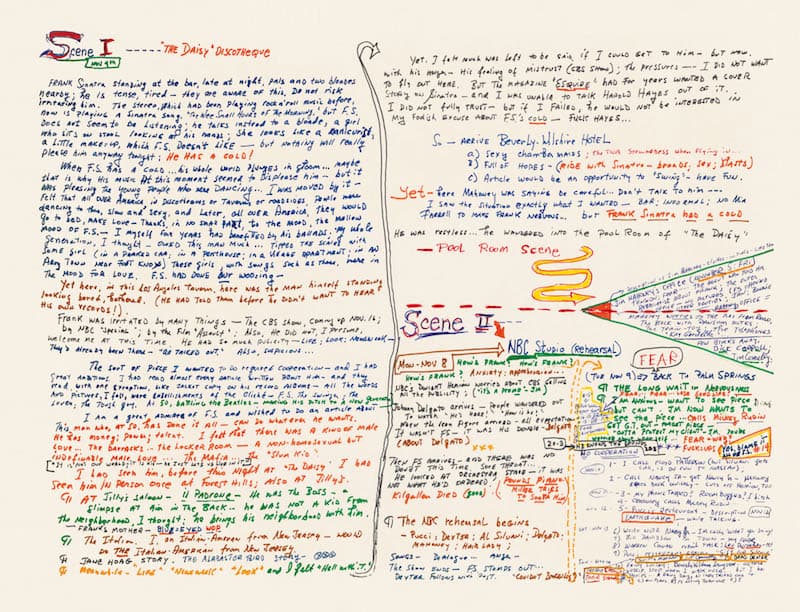
    “I don't think it was new, and I don’t think it was journalism,” he said. He instead viewed what he and other writers were doing as defining reality using a storytelling technique. In other words, storytelling that wasn’t fiction.

  • Writer Gay Talese has unorthodox practices for researching his stories

    Since Talese began working at the New York Times in the 1950s, he has woven eccentric details into his stories about the people he covers. His immersive journalistic methods, such as living in a nudist colony, sparked controversy, but also helped him uncover aspects of people's lives.

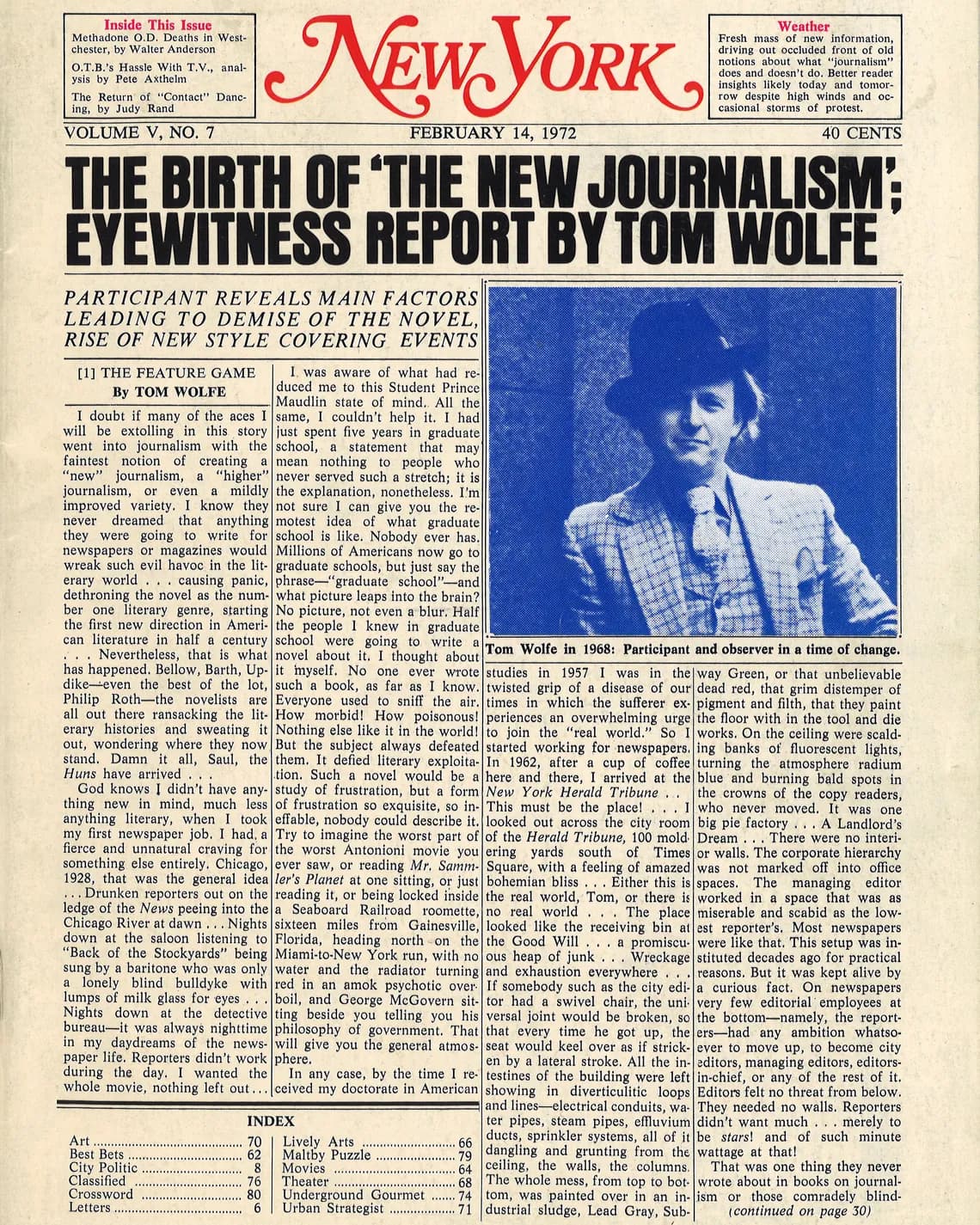
  • Tom Wolfe wrote a humorous account of the birth of New Journalism

    Wolfe explains the style came from journalists attempting to make fact-based reporting read like a novel, arguing that traditional reporting left readers “bored to tears.” Instead of emphasizing an objective point of view, Wolfe favored detailed descriptions that established complex characters, painted interesting scenes, and shared dialogue.

Explore Society & Culture

Art, music, sports, entertainment, movies, and many other subjects—these elements define who we are as a society and how we express ourselves as a culture. Take a deep dive into the topics shaping our shared norms, values, institutions, and more.

View All Society & Culture