New Journalism
Overview
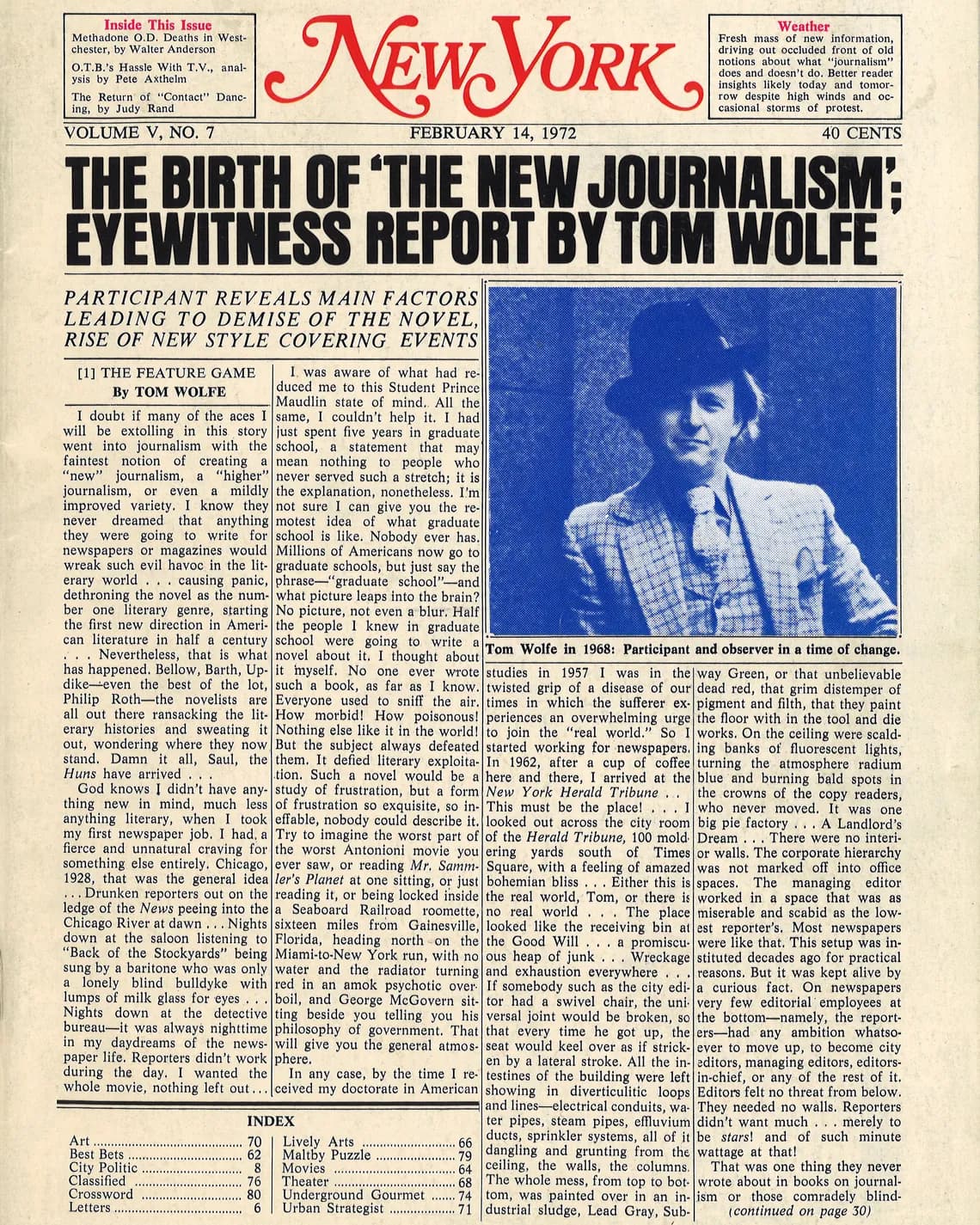
New Journalism is a literary nonfiction style that emerged in the 1960s, emphasizing writing craftsmanship and subjectivity while challenging traditional nonfiction conventions. Abandoning the premise of the journalist as an invisible, neutral reporter, New Journalism writers used the tools of the novel and often inserted themselves into the unfolding story.
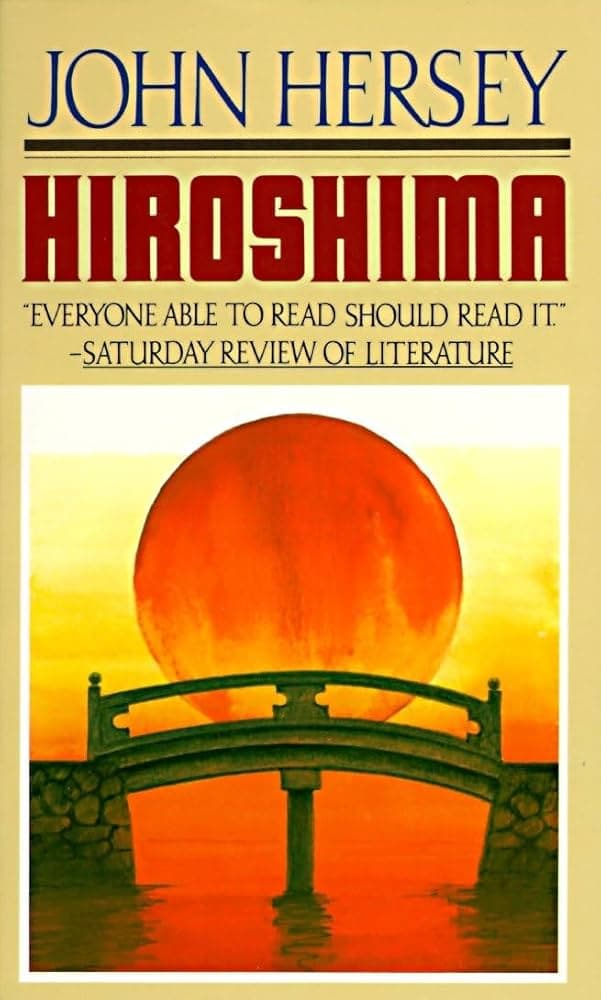
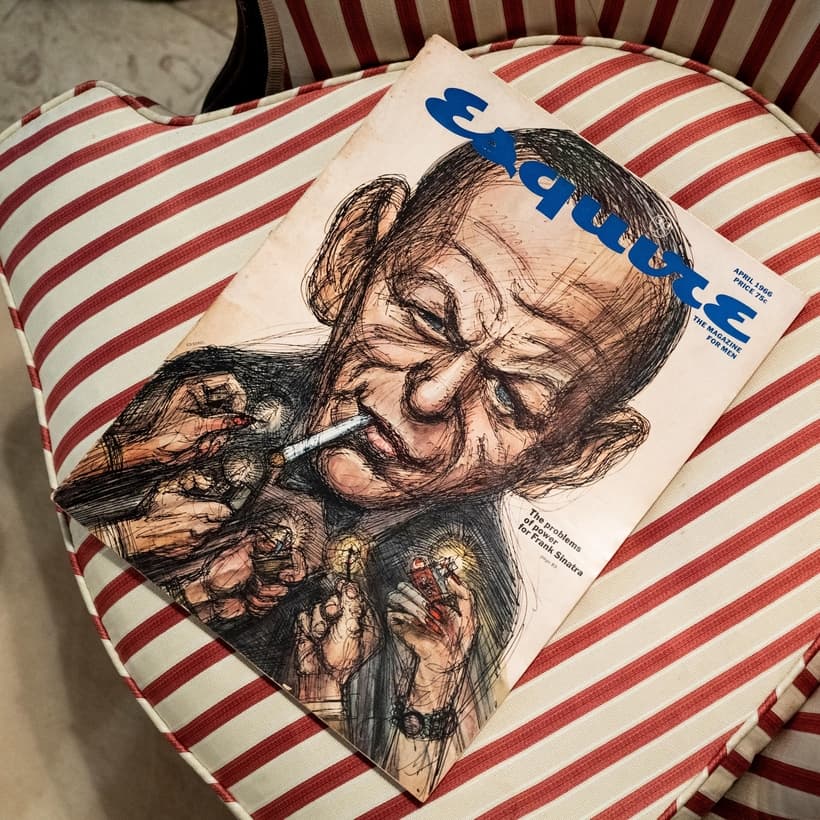
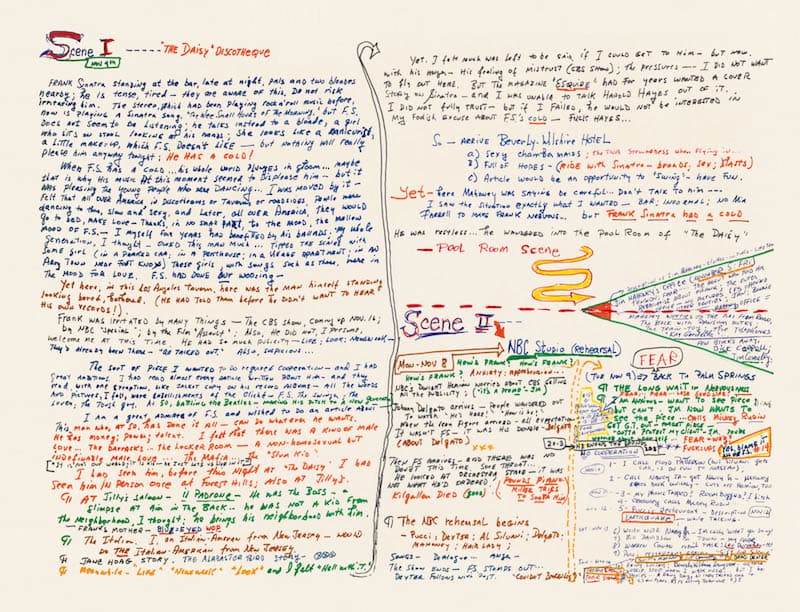
Gay Talese's 1966 profile "Frank Sinatra Has a Cold" is widely regarded as the defining work of the movement and one of the most acclaimed celebrity profiles ever written. The revealing portrait of an American icon employed a tone previously exclusive to fiction. Writers such as Joan Didion, Truman Capote, John Hersey, and Hunter S. Thompson helped evolve the form, covering real-life events that ranged from shocking accounts of gruesome crimes to satirical portrayals of horse races.
While its critics find the style to be an affront to fact-based reporting, New Journalism has had a lasting influence on the incorporation of subjectivity in journalism, especially in today's audio- and video-driven media landscape.
1440 Findings
Hours of research by our editors, distilled into minutes of clarity.






Explore Society & Culture
Take a deep dive into the topics shaping our shared norms, values, and institutions. Art, music, and sports. Literature, architecture, and TV. Film, food, and philosophy. If it defines who we are as a society or how we express ourselves as a culture, then we're exploring it here.
Featured Topics
- Barbecue
- Beat Generation
- Bob Dylan
- Broadway
- Bruce Springsteen
- Burning Man
- The Burrito
- Country Music
- Dystopian Literature
- Flannery O’Connor
- Frank Lloyd Wright
- Girl Groups
- Hip-Hop
- James Beard Awards
- Memes
- National Football League
- National Parks
- Netflix
- Opera
- Rock 'N' Roll
- Salvador Dalí
- 'Saturday Night Live'
- Shakespeare
- 'The Star-Spangled Banner'
- Steven Spielberg
- Title IX
- True Crime
- Vacationing
- Walt Whitman