Medieval Europe

1440 Findings

Hours of research by our editors, distilled into minutes of clarity.

  • Pinned

    Medieval European winters were colder than ours, but peasants stayed warm

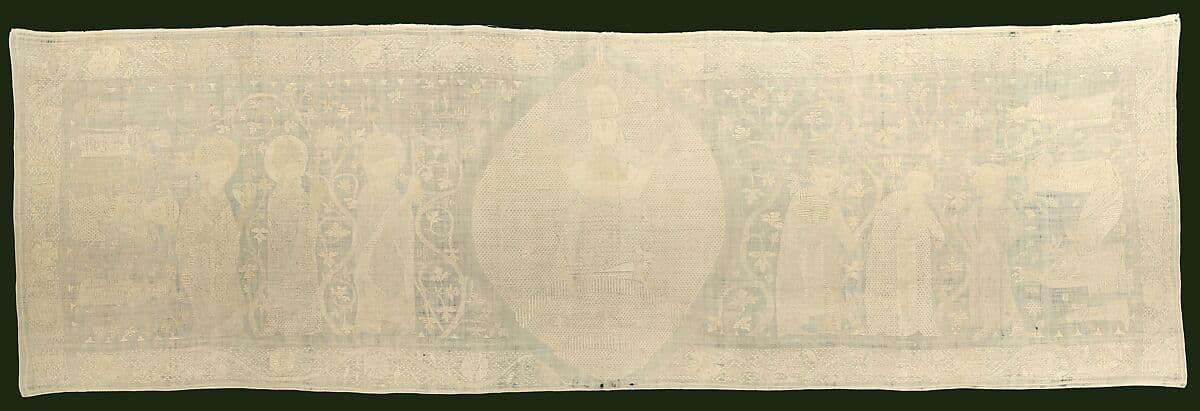
    Medieval winters were colder than ours today while the continent was mired in the so-called Little Ice Age. Without modern technologies, peasants survived with simple, sometimes genius, solutions, including central, chimney-less fireplaces (vented by small, draftless vents) and decorative handwarmers.
  • Medieval Europe explained

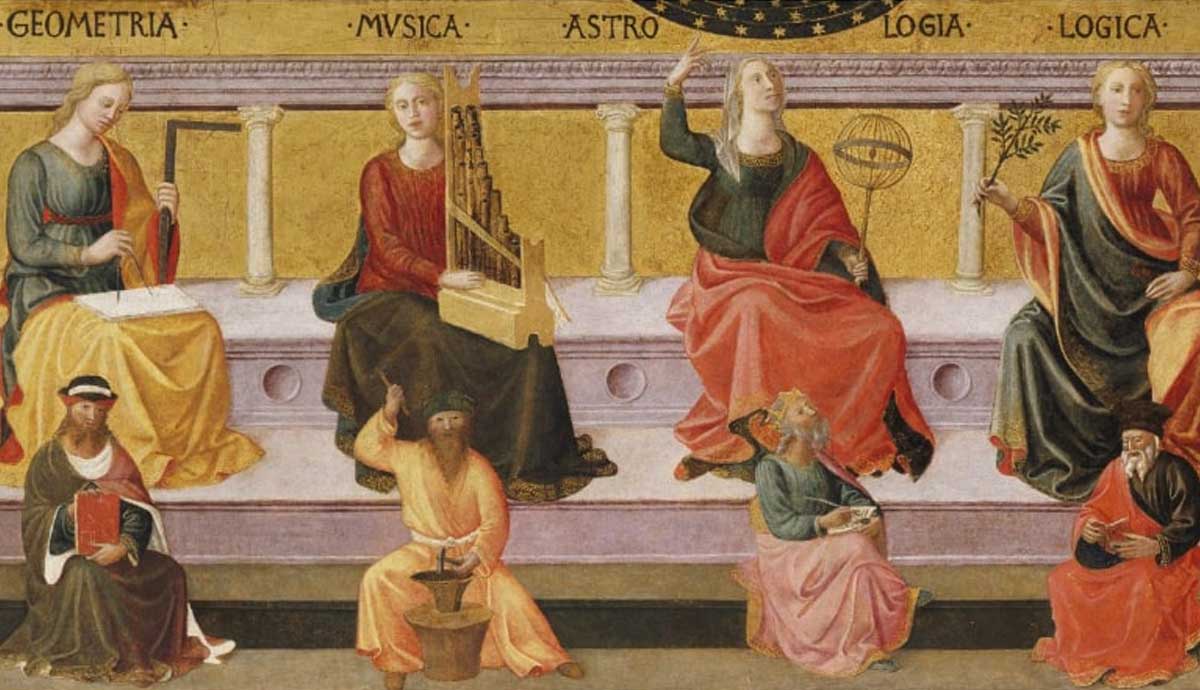
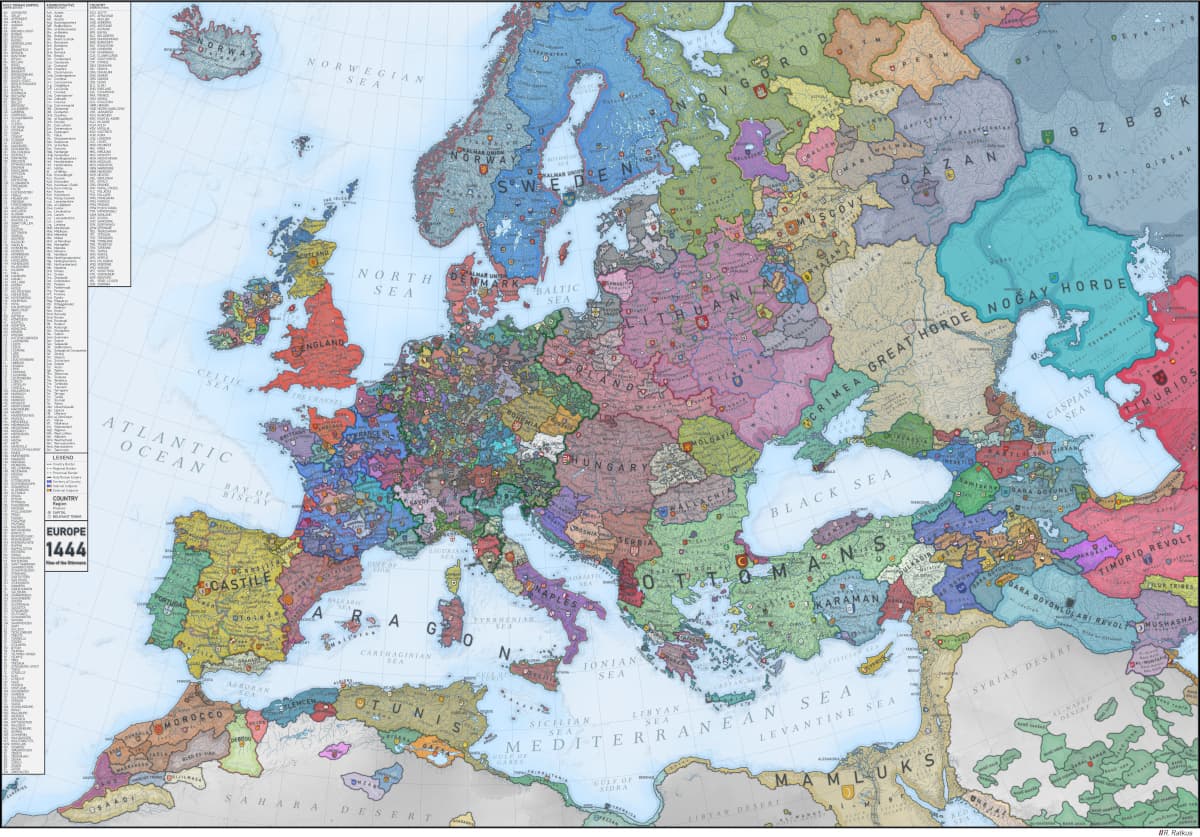
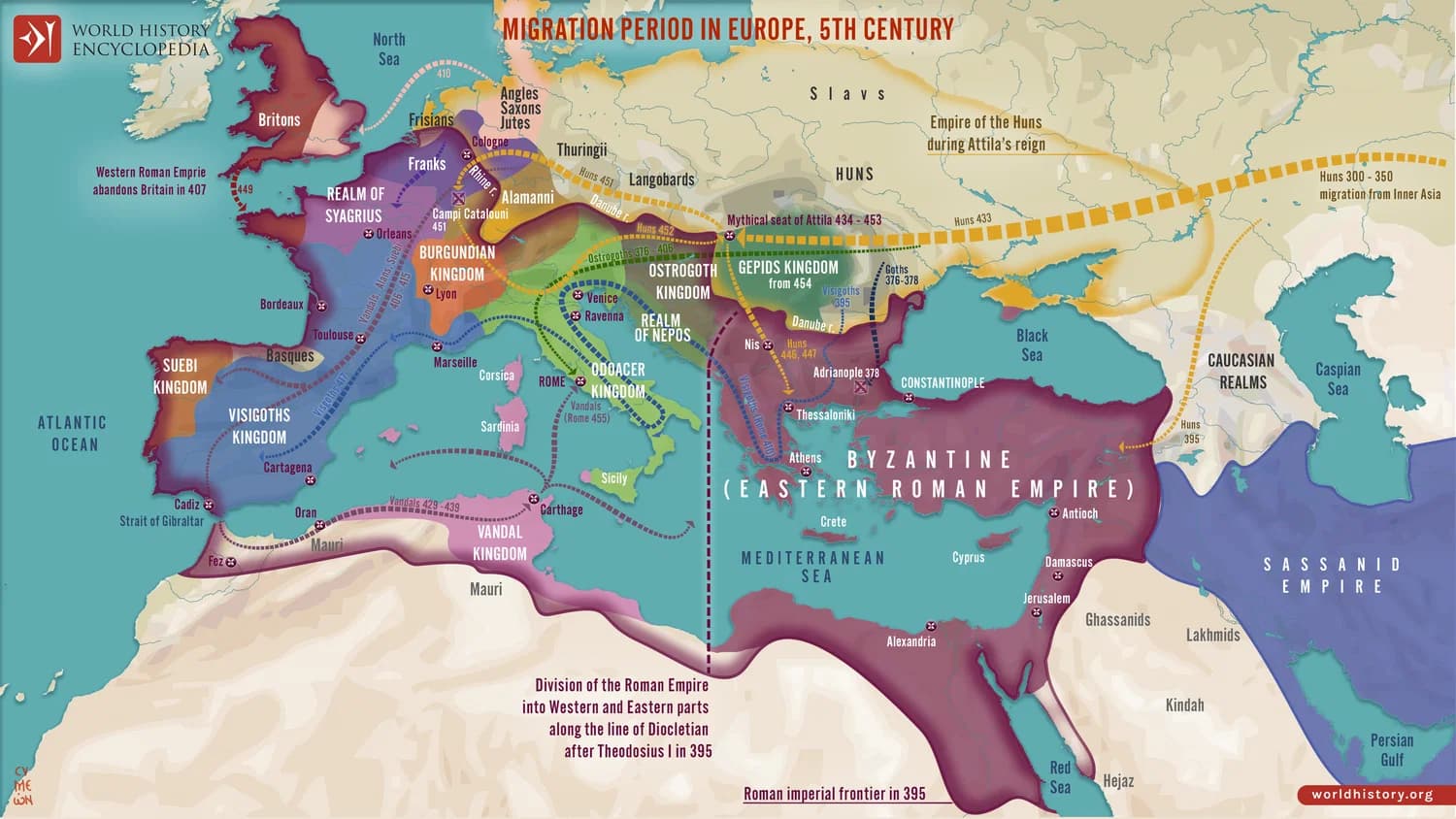
    After the fall of the Western Roman Empire, Europe fragmented into agrarian Christian kingdoms that fostered the development of universities, guilds, and expanding commerce. Far from a “Dark Age,” the medieval era shaped Europe as a distinct cultural and political unit.

  • Feudal landholding organized medieval Europe’s economy without relying on slavery

    From the 10th to 13th centuries, Europe’s agricultural system relied on localized hierarchies. Lords granted land to knights for defense, who in turn mainly oversaw free peasants paying rents in labor, goods, or money rather than living under slavery.

  • Money—not land—became Europe’s key economic driver in the Middle Age

    During the medieval commercial revolution, money gradually replaced land as the primary economic commodity. Expanding trade, markets, and finance transformed Europe’s economy—laying foundations, historians argue, that were essential for the later Industrial Revolution.

Explore World History

Weave together the many narratives of world history with our highly curated and expanding selection of diverse, fascinating resources designed to showcase the breadth and richness of Earth's story, from the earliest traces of human civilization to the dramatic developments of contemporary cultures.

View All World History