Maya Civilization
Overview
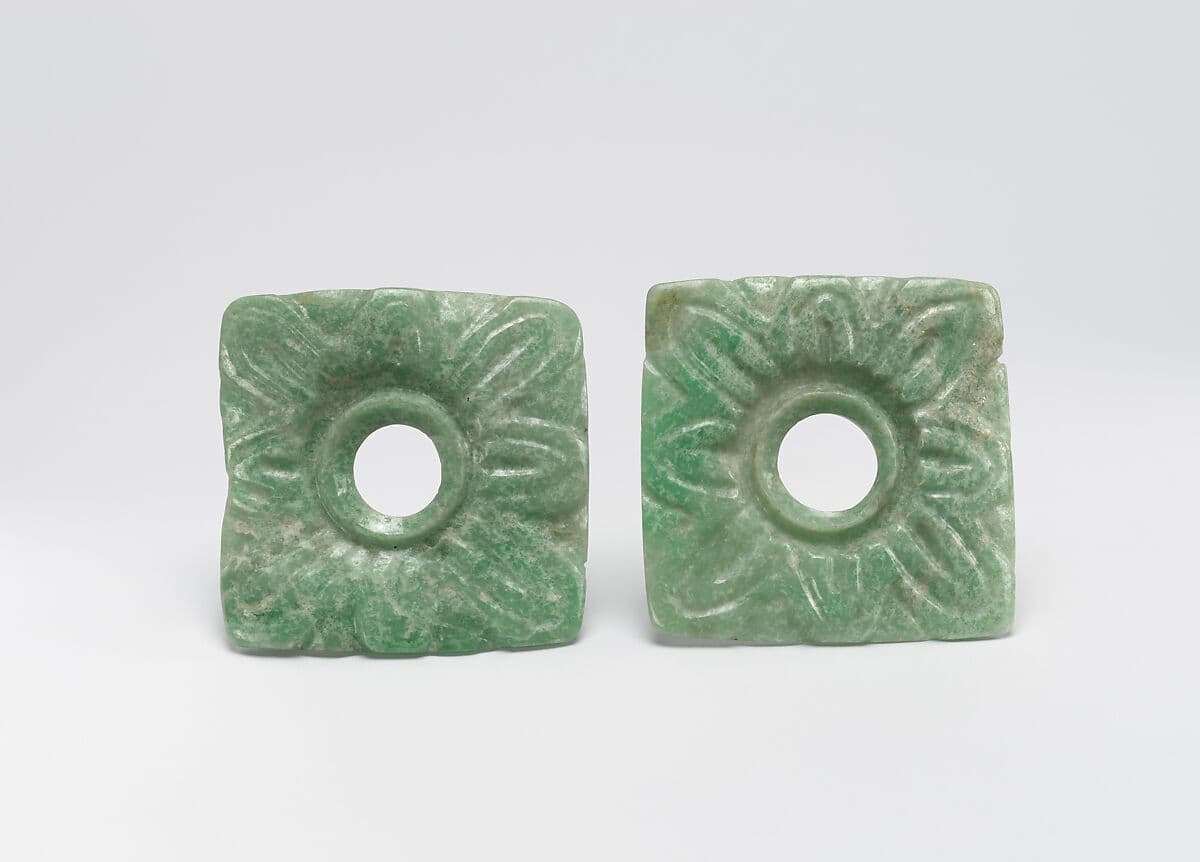
The Maya were an ancient Mesoamerican civilization, first documented as a distinct people around 2000 BCE. Their society reached its peak during the Classic Period, roughly 250 to 900 CE. At that height, the Maya occupied dozens of major cities—some with populations of nearly 50,000—across present-day southern Mexico, Guatemala, Belize, and parts of Honduras.
The term “Maya” refers to a collection of related peoples rather than a single empire. Cities were built on low plains and organized around pyramids that served religious and political functions. Agriculture structured daily life, with corn as the primary food source and a central element of Maya creation myths.
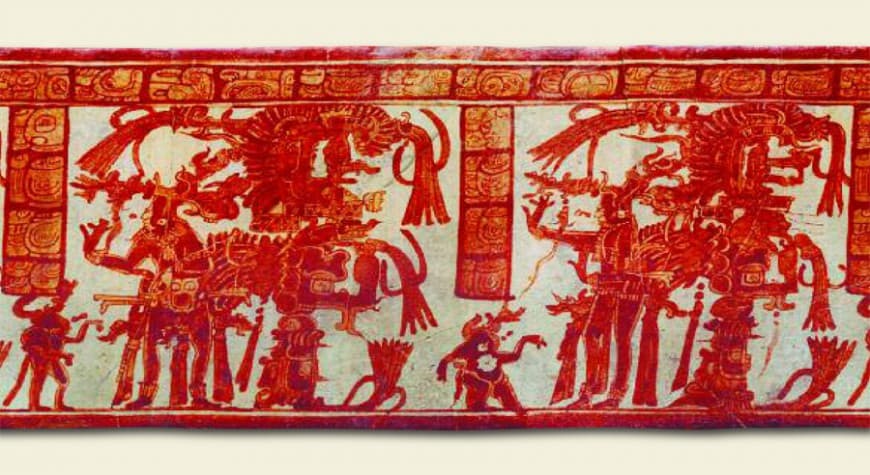
The Maya developed an advanced writing system in the Americas and the concept of zero. Their base-20 numerical system supported precise calendars for agriculture and ritual life. Although many cities declined after about 900 CE, the Maya people endured, with about 7 million descendants living in the region today.
1440 Findings
Hours of research by our editors, distilled into minutes of clarity.





Explore World History
Weave together the many narratives of world history with our highly curated and expanding selection of diverse, fascinating resources designed to showcase the breadth and richness of Earth's story, from the earliest traces of human civilization to the dramatic developments of contemporary cultures.