Langston Hughes
Overview
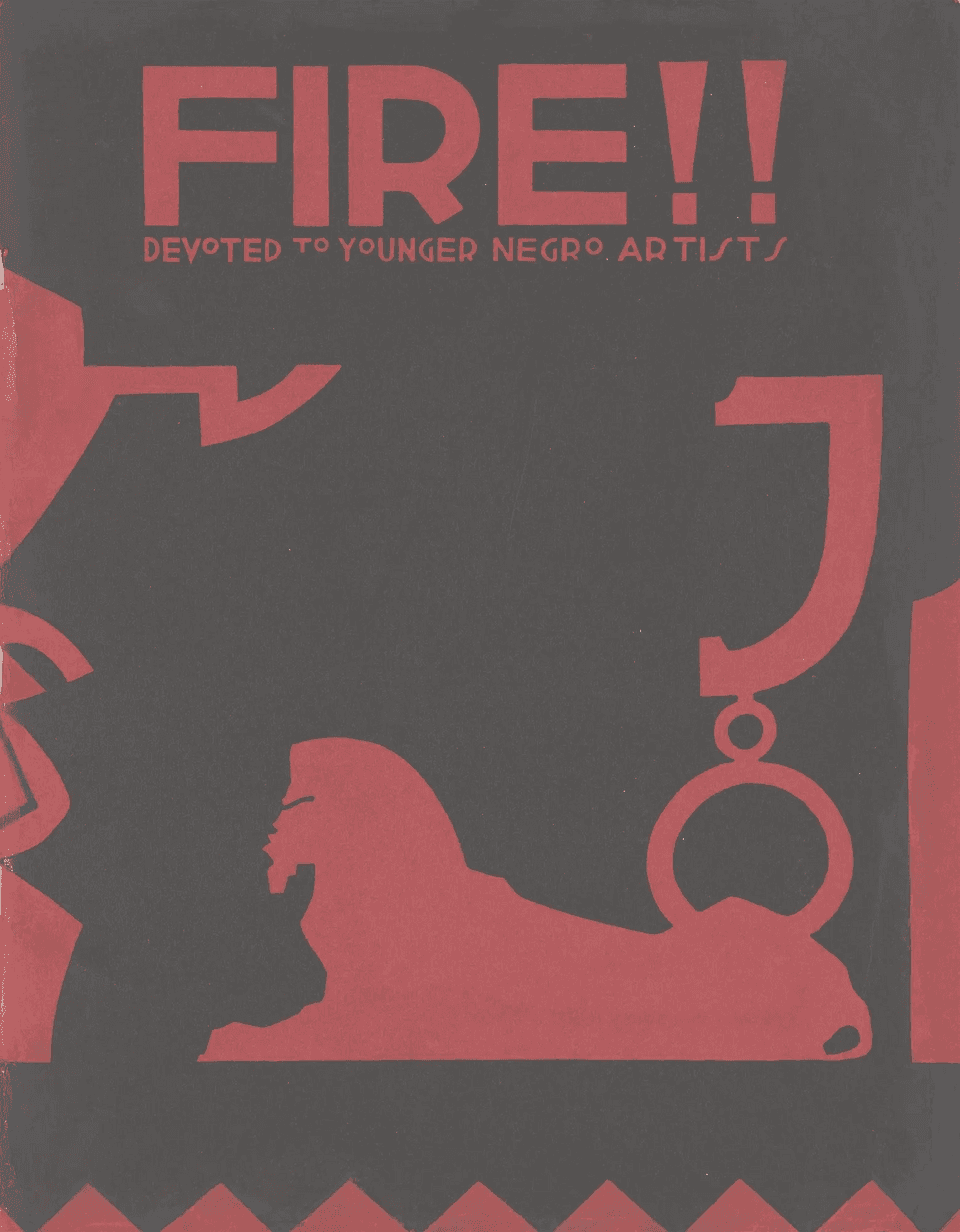
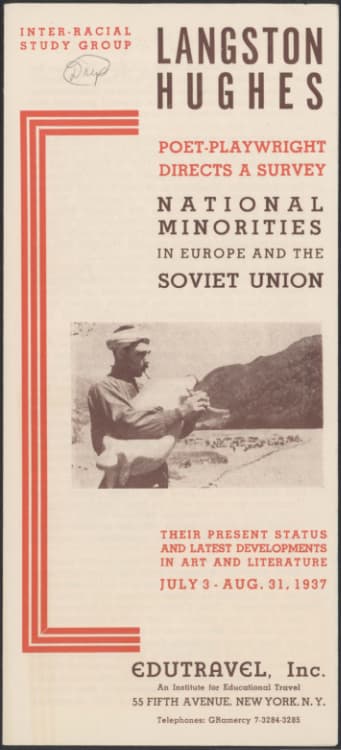
Langston Hughes was a 20th-century American writer who published poetry, short stories, novels, journalism, and plays. He is considered an architect of the Harlem Renaissance, the 1920s and 1930s arts movement that articulated the experiences of Black America.
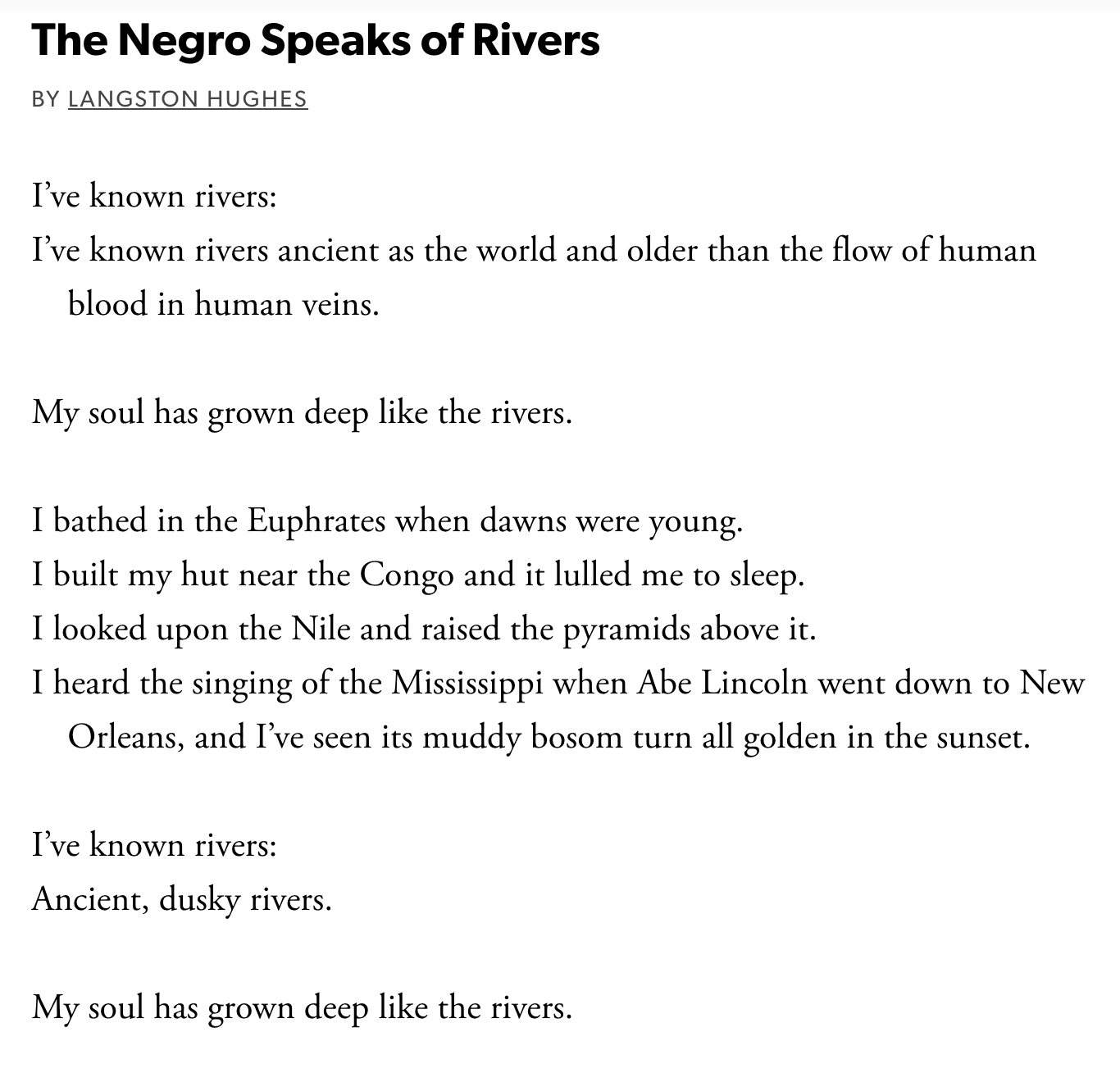
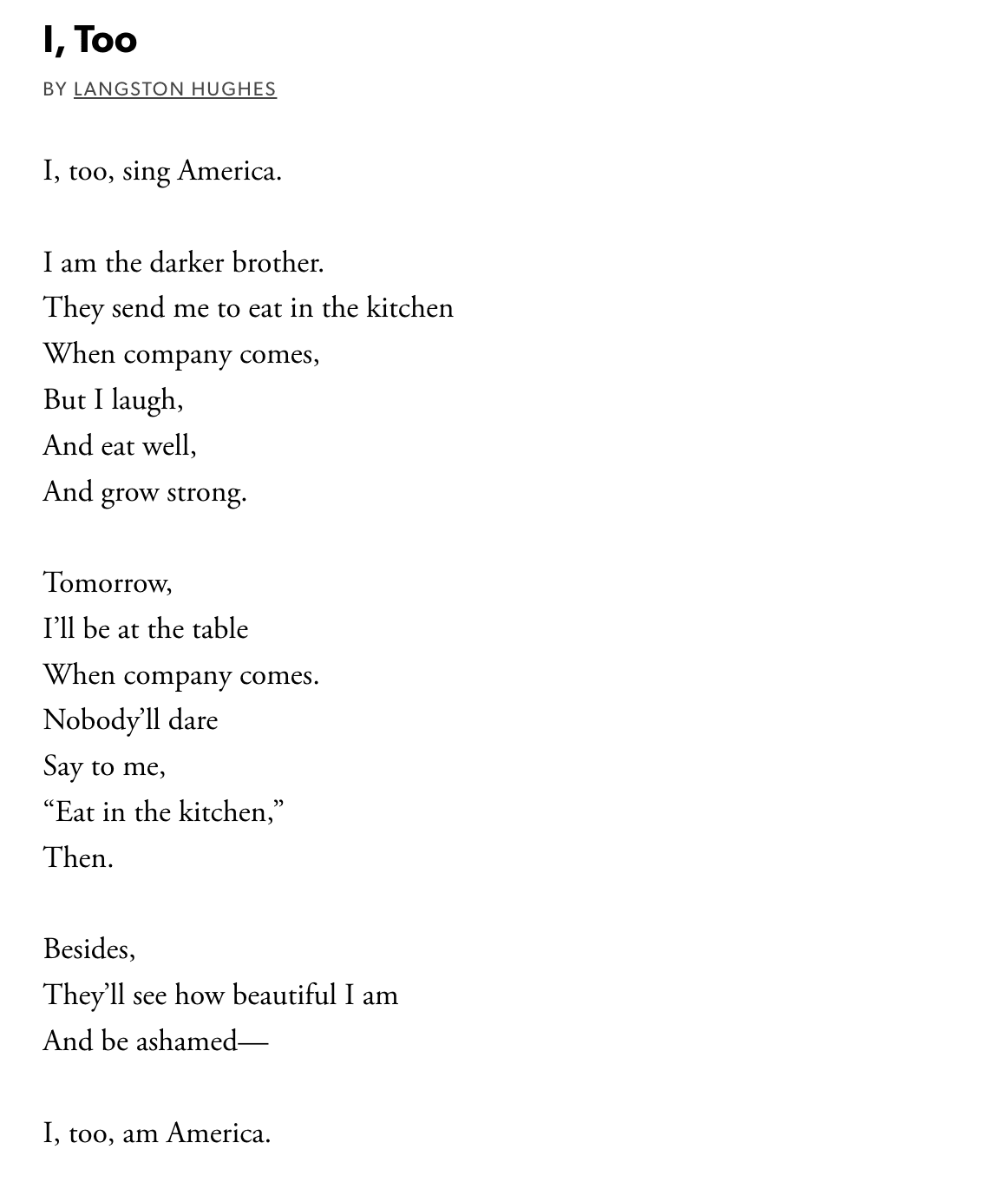
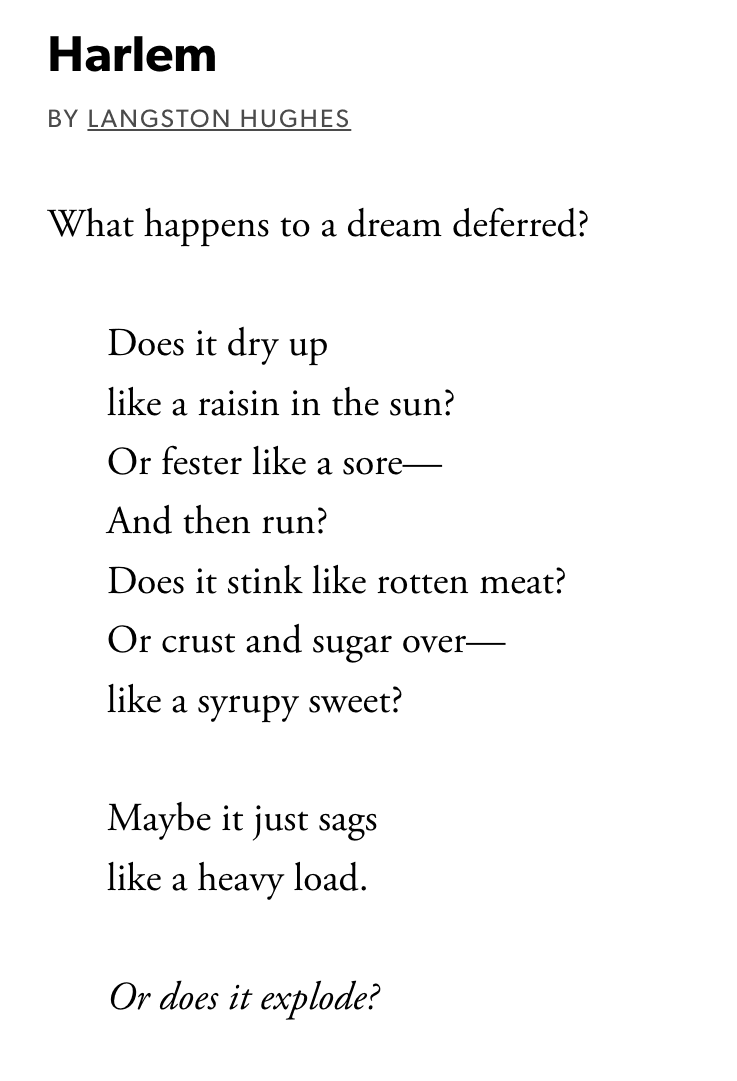
Hughes is best known for his poetry, which blended the musicality of jazz and blues, the everyday vernacular of Harlem, and social commentary. By the middle of the 20th century, Hughes was one of the most well-known poets in America, sometimes referred to as “the Poet Laureate of Harlem” or “the Great Black Bard.”
Later in life, Hughes continued writing, evolving into an elder statesman, with the impact of his work felt in the words of Lorraine Hansberry’s “A Raisin in the Sun” and Martin Luther King Jr.’s “I Have a Dream.” Hughes died in 1967 due to complications from prostate cancer, but his work remains widely read today by American students.
1440 Findings
Hours of research by our editors, distilled into minutes of clarity.




Explore Society & Culture
Take a deep dive into the topics shaping our shared norms, values, and institutions. Art, music, and sports. Literature, architecture, and TV. Film, food, and philosophy. If it defines who we are as a society or how we express ourselves as a culture, then we're exploring it here.
Featured Topics
- Barbecue
- Beat Generation
- Bob Dylan
- Broadway
- Bruce Springsteen
- Burning Man
- The Burrito
- Country Music
- Dystopian Literature
- Flannery O’Connor
- Frank Lloyd Wright
- Girl Groups
- Hip-Hop
- James Beard Awards
- Memes
- National Football League
- National Parks
- Netflix
- Opera
- Rock 'N' Roll
- Salvador Dalí
- 'Saturday Night Live'
- Shakespeare
- 'The Star-Spangled Banner'
- Steven Spielberg
- Title IX
- True Crime
- Vacationing
- Walt Whitman