Human Genome Project

1440 Findings

Hours of research by our editors, distilled into minutes of clarity.

  • Pinned

    The Human Genome Project was forced to accelerate due to a private competitor

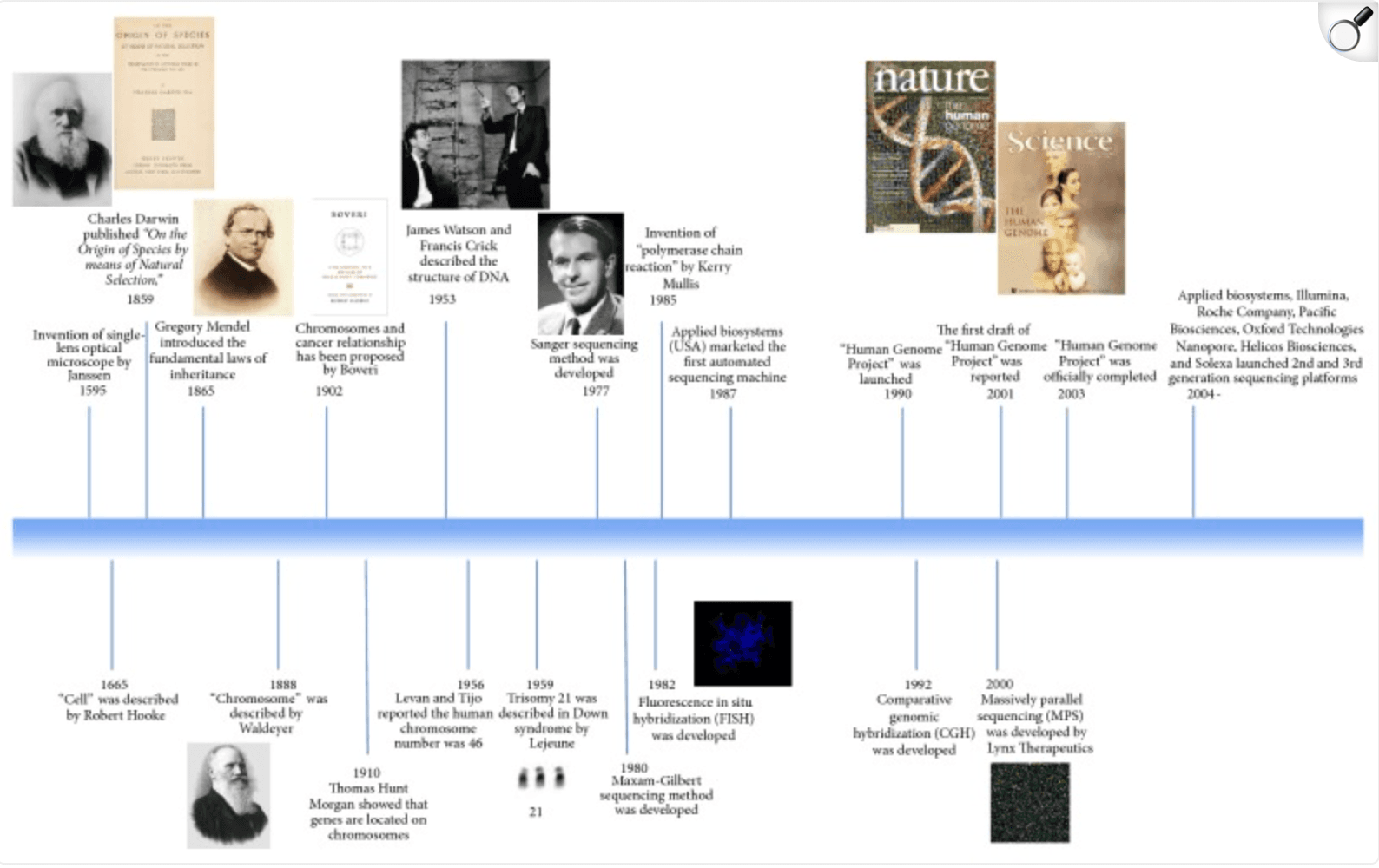
    Despite a 15-year target when it began in 1990, the Human Genome Project faced competition from Celera Genomics when it entered the sequencing race in 1998. Celera's aim to complete the human genome in three years pressured the HGP to complete their sequencing several years ahead of schedule.

  • The Human Genome Project met its goals, but its outcomes were overpromised

    The Human Genome Project aimed to sequence the entire human genome, and initial hype suggested it would revolutionize disease treatment. In reality, the project's outcomes were more nuanced, failing to deliver immediate cures despite advancing the understanding of genetics.

  • Watch how Sanger sequencing kickstarted the first generation of DNA sequencing

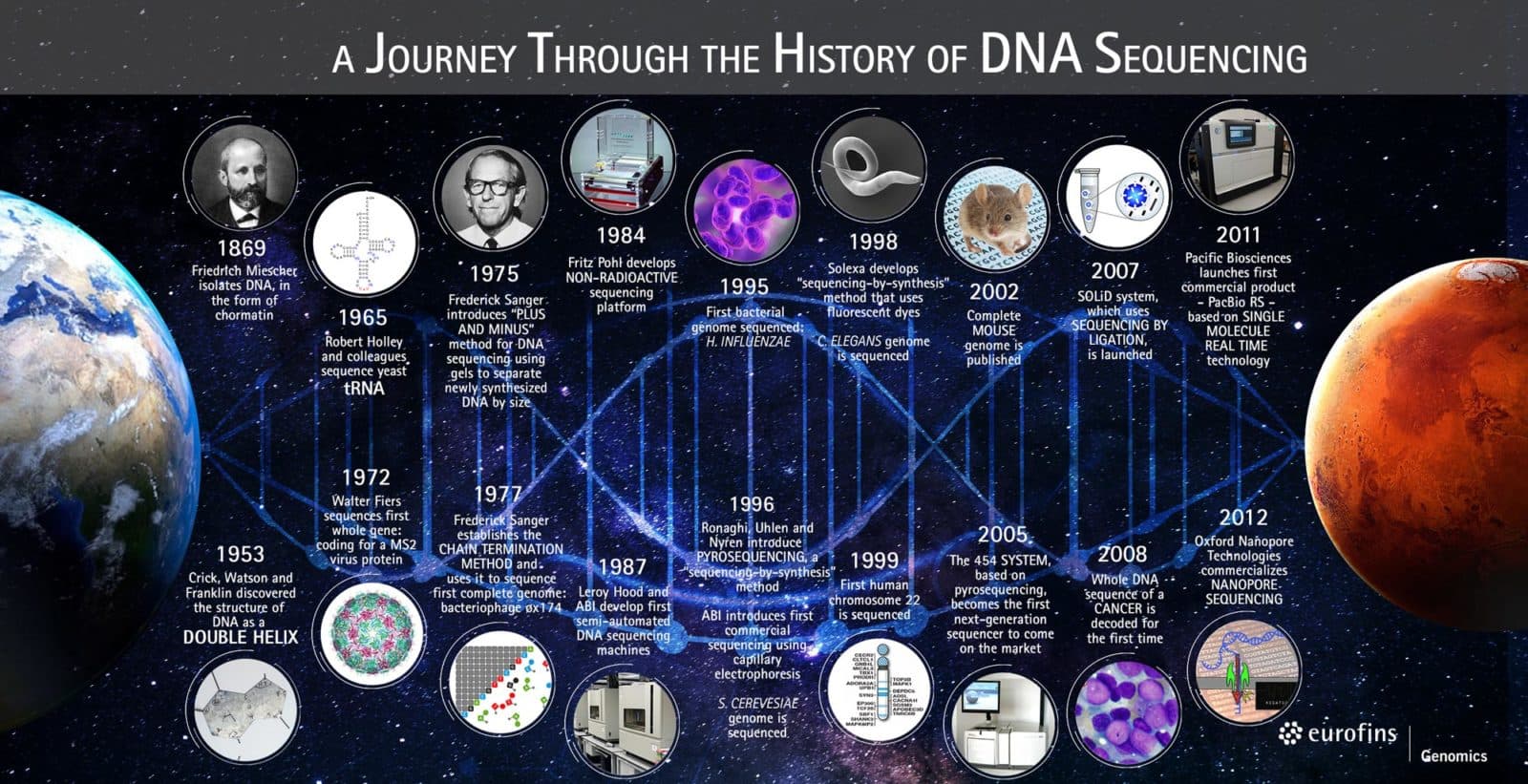
    Sanger sequencing is a foundational DNA sequencing technology developed in 1977. The Nobel Prize-winning discovery uses fluorescent dyes at the end of DNA chains, which are sorted by length through electrophoresis, to determine the order of nucleotide bases.

Explore Science & Technology

Dive into the dynamic world of science and technology, where curiosity has brought about extraordinary understandings of the universe and creativity has led to the breakthroughs and innovations that have transformed our world. Explore a wide range of topics, from the natural and physical sciences to cutting-edge technologies and the people who shaped them, each of which is accompanied by carefully curated resources meant to inform, engage, and inspire those eager to uncover the nature of reality.

View All Science & Technology