Generative AI

Overview

Generative AI is a form of artificial intelligence that can mimic human imagination and creativity. The term "generative" refers to models’ ability to generate original content, including text, video, audio, and more.

1440 Findings

Hours of research by our editors, distilled into minutes of clarity.

  • AI superintelligence is a hypothetical system vastly more capable than humans

    Researchers describe superintelligence as an artificial intelligence system that exceeds human cognitive ability in every area. It is viewed as the theoretical evolution of artificial general intelligence, in which AI systems learn and have the capability of a typical human.

  • Deepfakes use AI to produce manipulated media to mislead viewers

    Unlike most content created from large language and diffusion models, deepfakes intentionally misrepresent real people or events with the intent to deceive. As the products of this technology become more realistic, they pose increasing risks to public trust, security, and privacy.

  • Explore noteworthy use cases for ChatGPT

    From asking the chatbot to sort grocery lists to bird-watchers using it to help identify birds, the official ChatGPT Instagram account spotlights interesting and creative use cases for the tool, especially in the days after a significant update or model has been released.

  • Try OpenAI’s ChatGPT for free

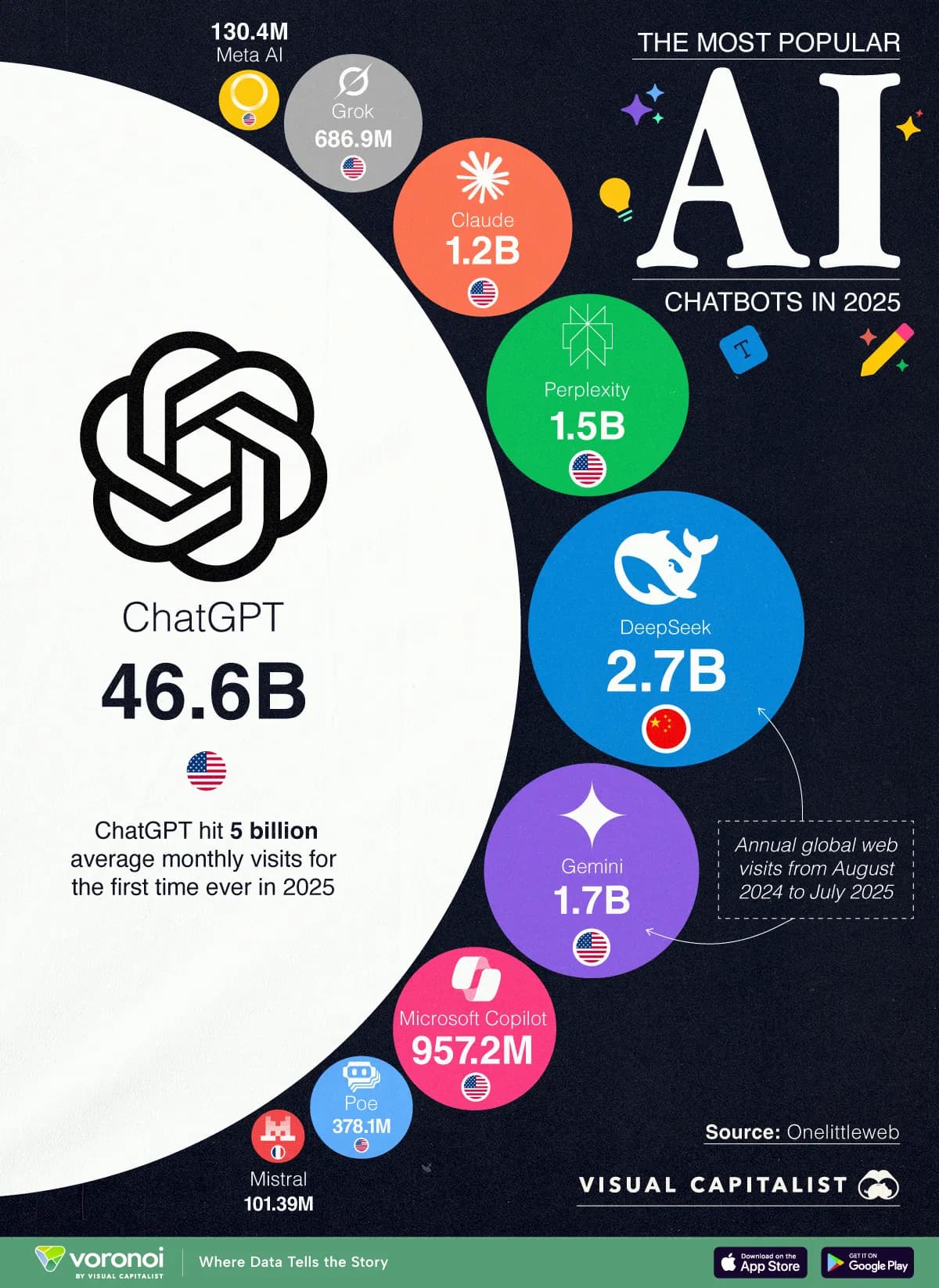
    In late 2022, OpenAI launched a chatbot that quickly became one of the most viral tech products of all time. The software uses code to interpret natural language to produce sophisticated content based on simple user prompts.

  • Generative AI, in a nutshell

    Generative AI, or generative artificial intelligence, is a form of machine learning that is able to produce text, video, images, and other types of content in a matter of seconds. ChatGPT, DALL-E, and Bard are some of the better-known examples of generative AI applications that produce text or images based on prompts from users. Generative AI functions by training its software models to make predictions and create outputs based on patterns it identifies in vast amount of data. It is capable of producing content across almost every field—including academic writing and translation, composing and sound editing, infographics and image editing, scientific research, and more. Read this article to better understand how generative AI works, how it came to be, and its pros and cons.

Next page

Explore Science & Technology

Since our ancient human relatives began using stone tools to perform tasks, humans have harnessed scientific knowledge and new technologies to expand the boundaries of our understanding of the natural world. From quantum computing and microplastics to artificial intelligence and memory, explore these topics and more with our concise yet informative overviews and expert-curated resources.

View All Science & Technology