Smothered (or wet) burritos are drenched with sauce
A bar in Grand Rapids, Michigan, first put smothered burritos on the menu in 1966. The dish is usually topped with enchilada sauce, though other options, like mole, can also be used.
Food. Picky eater or gourmand, we can’t live without it. But where does our food come from, how much of it should we eat, and what does it mean for our health—and the health of the planet we call home? Here are the best sources, from appetizer to dessert.
Hours of research by our editors, distilled into minutes of clarity.
A bar in Grand Rapids, Michigan, first put smothered burritos on the menu in 1966. The dish is usually topped with enchilada sauce, though other options, like mole, can also be used.
Beef brisket, served with white bread and pickles, and sausage—a holdover from German immigration in the 1800s—are two of the most popular dishes. The southern end of the state brings together Mexican barbacoa and fajitas.

A generation ago, the average American had never heard of kimchi or bulgogi, but these days, Korean cuisine is booming in the United States. And it’s no accident. This one-minute explainer video from Morning Brew reveals what role the government played in boosting the popularity of Korean food abroad, and what it all has to do with foreign debt and soap operas.

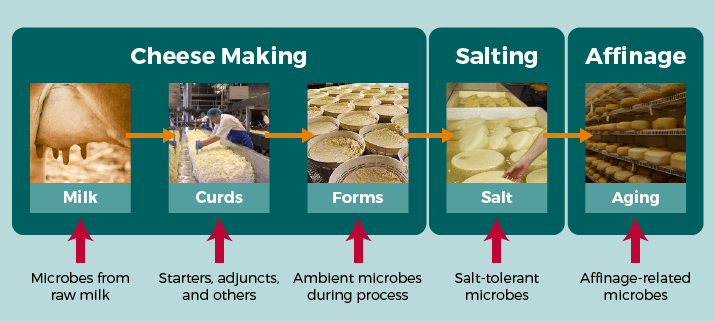
Only one farm in the world produces pule, a cheese made from rare Balkan donkey milk that can cost up to $600 per pound. Pule is special for a number of reasons, including the unusual ingredients and the amount of labor required to produce it. Everything, including milking the donkeys, must be done by hand.

Microwaves are slower waves on the electromagnetic spectrum that bounce off the walls of a microwave and rapidly pull water and other charged molecules back and forth, generating heat. This process can leave cold and hot spots, and is also a great way to dehydrate your food.

In 7th century Persia, bakers used small mounds of dough to test the heat in ovens before baking larger cakes. Afterward, they'd add honey, nuts, and other items to the small mounds, creating early cookies.

Food writer Jaya Saxena attributes the mainstreaming of the term to early-aughts TV shows, including “Top Chef” and “No Reservations,” as well as the dawn of social apps like Yelp, which turned everyday diners into critics.
The first street vendor to win a Michelin star was Singaporean chef Hawker Chan, whose food was uncharacteristically inexpensive for a Michelin-approved chef. After expanding, he lost the star, but was eventually awarded a Bib Gourmand Michelin Man symbol, which recognizes restaurants serving exceptional food at more accessible prices.

America's regional barbecue styles include multiple highly specific sauces. From the tart, acidic vinegar-based sauces of North Carolina, to the thick, sweet-spicy Kansas City variation, American barbecue sauces are as varied as the country’s geography.
Mediterranean-focused food blogger Tori Avey shares her best recipe for fluffy, sugar-dusted sufganiyot and explains the history of the sweet that combines European and North African traditions.
Art, music, sports, entertainment, movies, and many other subjects—these elements define who we are as a society and how we express ourselves as a culture. Take a deep dive into the topics shaping our shared norms, values, institutions, and more.