Existentialism

Overview

Existentialism is a philosophy, in part inspired by the 19th-century texts of Søren Kierkegaard and Friedrich Nietzsche, that suggests life has no predetermined purpose and that individuals should strive to create their own meaning. The philosophy’s ideas, along with a loosely affiliated literary movement inspired by them, gained popularity in the mid-20th century, with many scholars citing it as a response to the horrors of World War II.

1440 Findings

Hours of research by our editors, distilled into minutes of clarity.

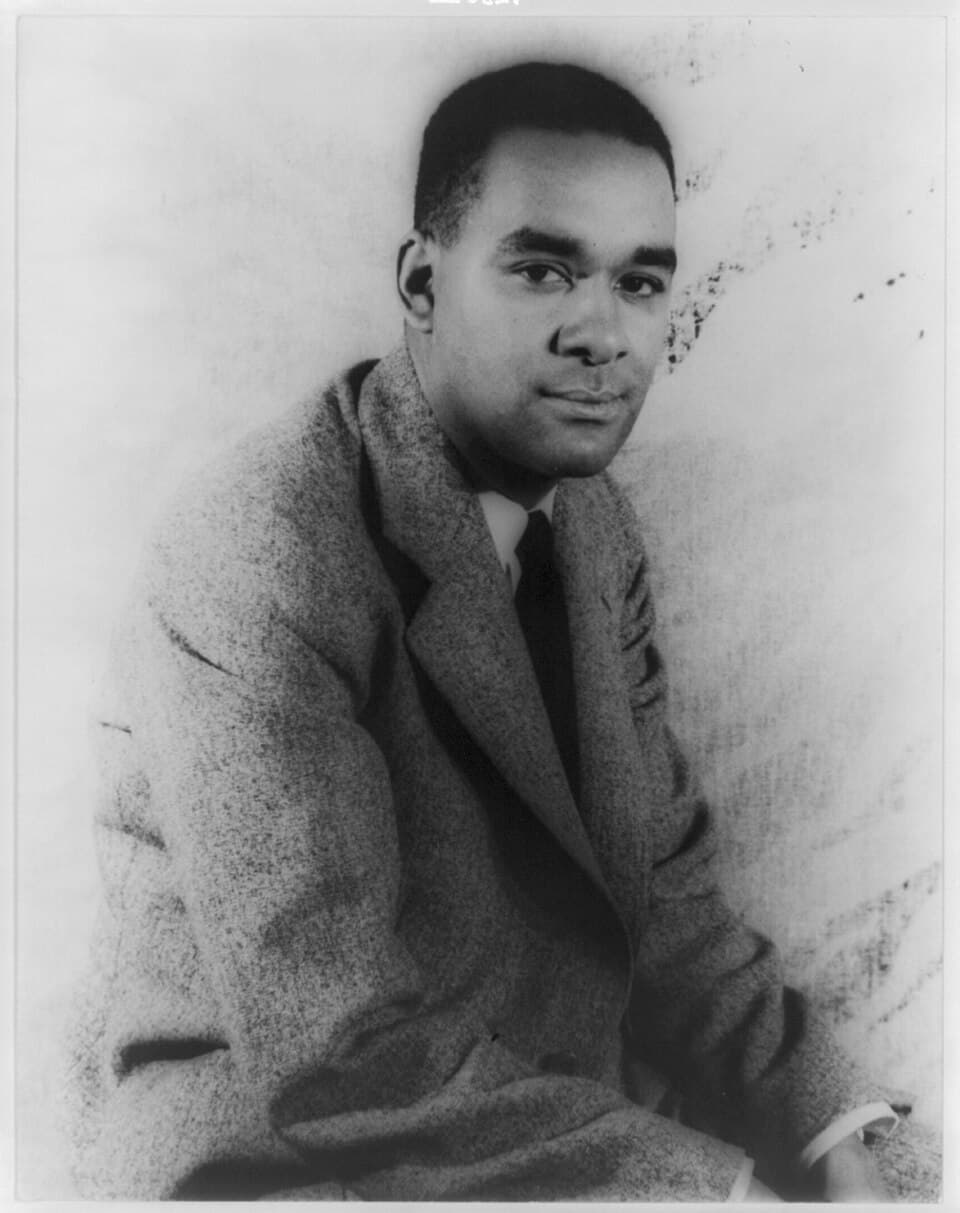
  • Novelist Richard Wright joined the existentialists in Paris

    The author of “Black Boy” and “Native Son” left the United States in 1946 to escape his home country’s racial inequality. In Paris, he explored existentialist ideas and spent time with Simone de Beauvoir and Jean-Paul Sartre. “The Outsider,” a novel he wrote while living in France, embraced many of the philosophy’s central themes.

  • Existentialism inspired Franklin Roosevelt and Martin Luther King Jr.

    The Danish philosopher, sometimes called “the father of existentialism,” believed that individuals needed to resist the temptation of conformity and instead discover their authentic selves. His work became remarkably influential in the 20th century. In 1944, Roosevelt said that reading Kierkegaard made him understand how the Nazis could’ve enacted so much violence. In 1959, King wrote that existentialism was “especially meaningful for our time.”

  • Kierkegaard used pseudonyms throughout his writing

    “The Father of Existentialism” published over 40 texts and 40 articles during his life and used several pen names throughout them. The pseudonyms allowed him to present relevant opinions in a relatable, first-person manner without the reader believing that Søren Kierkegaard earnestly held them.

  • Existentialist literature explores the philosophy's ideas

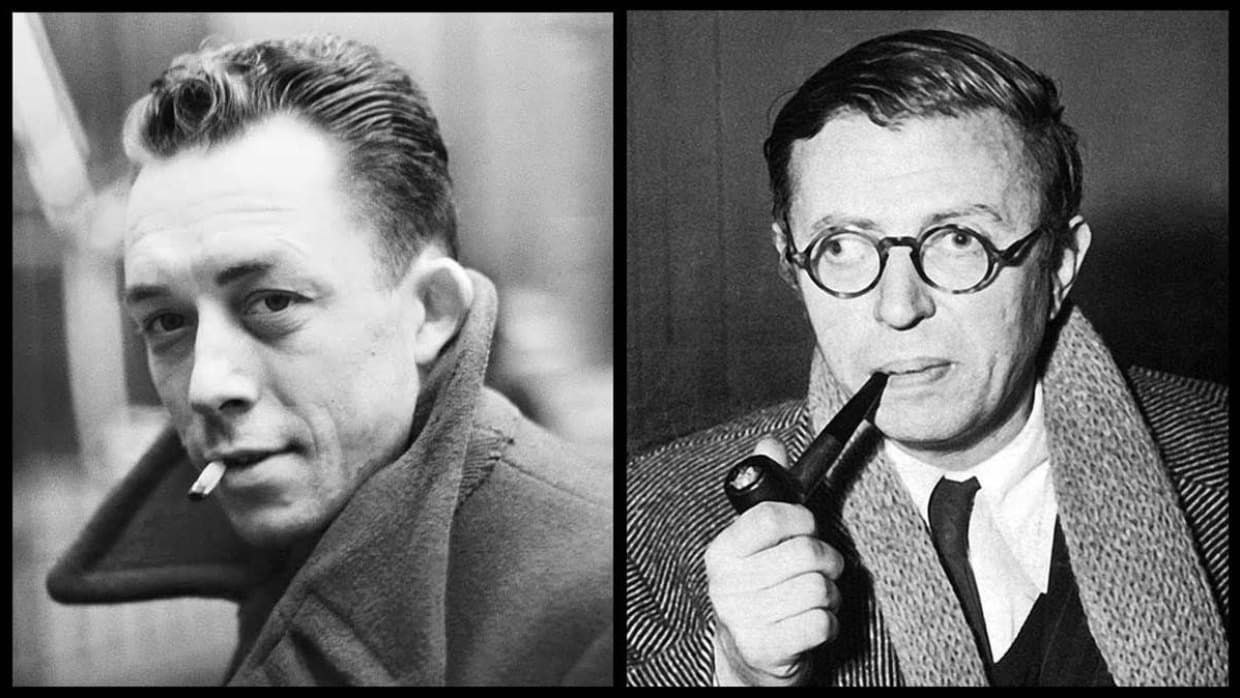
    Existentialism isn’t confined to philosophical texts. Some of the movement’s figureheads, like Albert Camus and Jean-Paul Sartre, were also novelists. Christina Howells, Professor of French at the University of Oxford, suggests this is because existentialism, as a philosophy, requires human stories to be fully understood, and literature makes the experience of the human condition more present and immediate.

  • An existentialist reading list

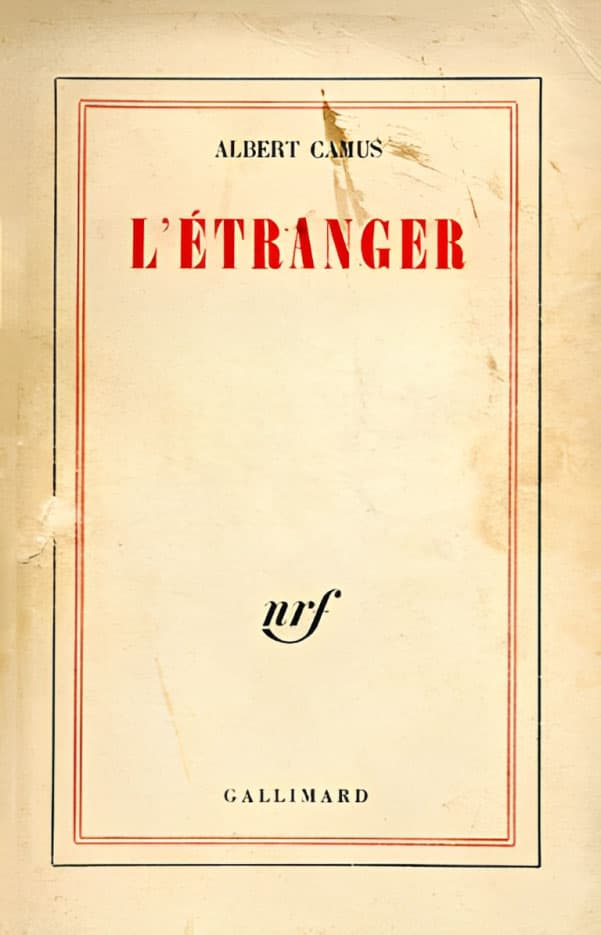
    If you’re looking for a starting point for diving into existentialist thought, this is a great resource. Its titles are not exactly obscure—Albert Camus’ “The Stranger,” Franz Kafka’s “The Trial,” and Søren Kierkegaard’s “Either/Or” are among the most famous works in Western literature—but the list provides some digestible context for each text, which will help you decide the best place to begin your journey.

  • One teacher's lesson on existentialism and social media use

    During a unit on existentialist literature and philosophy, one teacher at Massachusetts’ Phillips Academy asked students to surrender their cell phones to test Kierkegaard’s thoughts on the danger of conformity and Sartre’s belief that humans are “condemned to be free.” Many of them were surprised to find how liberated they felt once they left behind social media.

  • Camus and Sartre had a public falling out over communism

    The two were close friends, sometimes collaborating throughout the 1940s, but the release of Camus’ 1951 novel, “The Rebel,” led to a schism. Camus’ novel suggested that revolutionary violence was abhorrent, and he personally believed communism was a delusion. Sartre, on the other hand, thought communism would allow for the freedom he espoused in his philosophical texts and published a scathing review of Camus’ book in his literary journal. Their public split was widely reported in French newspapers, reflecting an ongoing rift among the post-World War II intelligentsia.

  • Theater of the Absurd brought existentialist ideas to the stage

    In the 1950s, playwrights horrified by the events of World War II and inspired by existentialism’s response to it began staging plays that brought many of the philosophy's ideas to center stage. Critic Martin Esslin coined the term “Theater of the Absurd” in 1960, citing the plays of Samuel Beckett, Arthur Adamov, and Eugene Ionesco as indicative of a new theatrical style that rejected realism and standard plot.

  • Samuel Beckett's 'Waiting for Godot' dramatizes existential absurdity

    The play, originally staged in 1953, is notorious for its lack of action. For the most part, its two principal characters, Vladimir and Estragon, spend the majority of the play wondering whether a mysterious Godot will ever appear. By the end, Godot has still not arrived, yet Vladimir and Estragon do not move, a choice that reflects the existential notion that humans often hope in vain for meaning that does not exist.

Next page

Explore Society & Culture

Art, music, sports, entertainment, movies, and many other subjects—these elements define who we are as a society and how we express ourselves as a culture. Take a deep dive into the topics shaping our shared norms, values, institutions, and more.

View All Society & Culture