Chernobyl Disaster
Overview
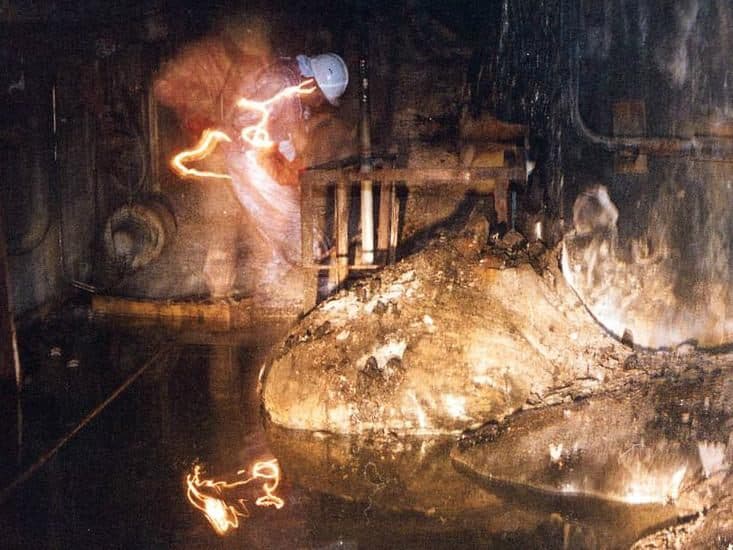
The Chernobyl disaster was the worst nuclear accident in history. During a late-night safety test on April 26, 1986, at the Chernobyl Nuclear Power Plant in present-day Ukraine, a combination of design flaws and operator errors triggered a massive power surge, leading to a pair of explosions that released radioactive material across large parts of the Northern Hemisphere.
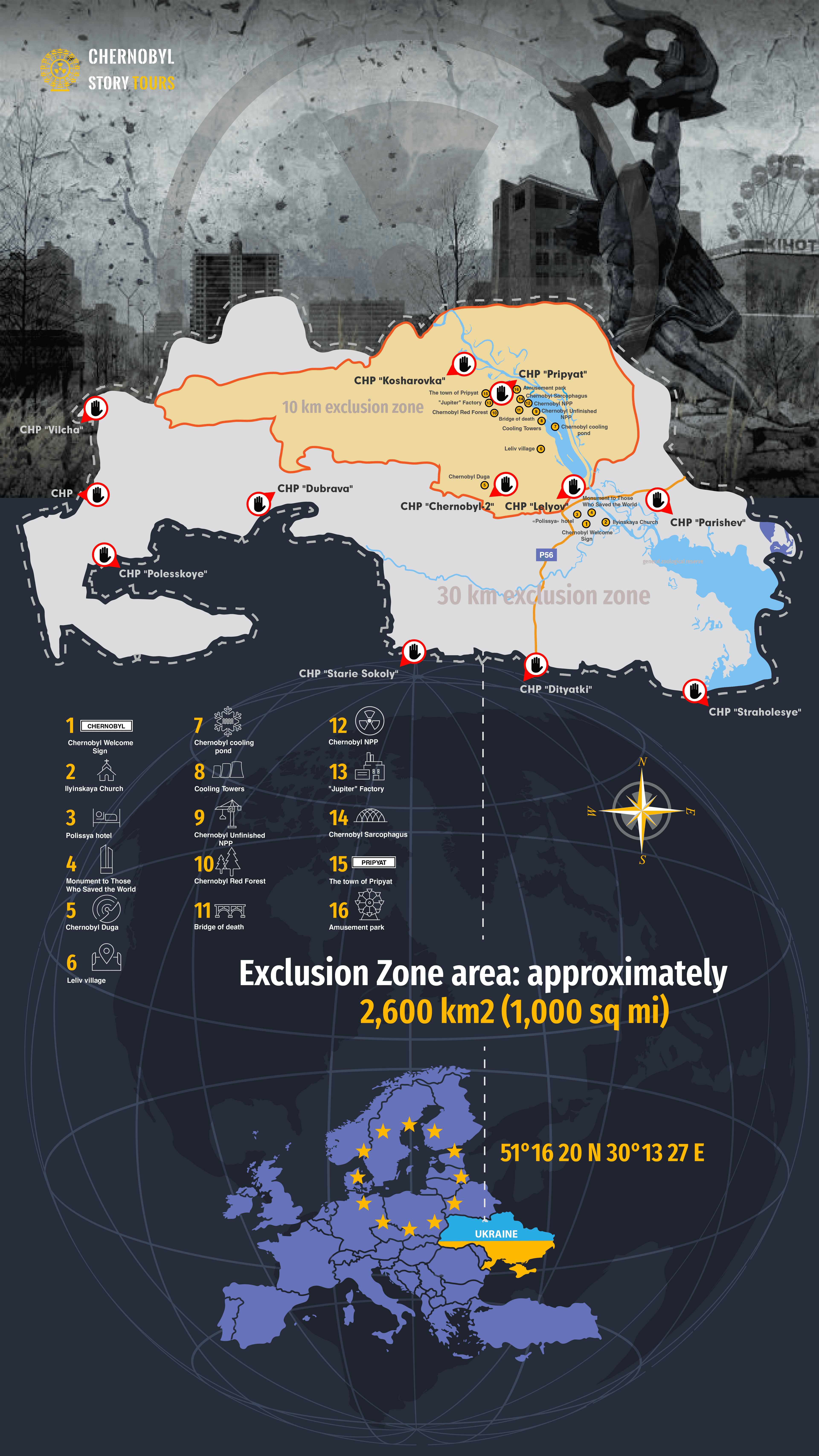
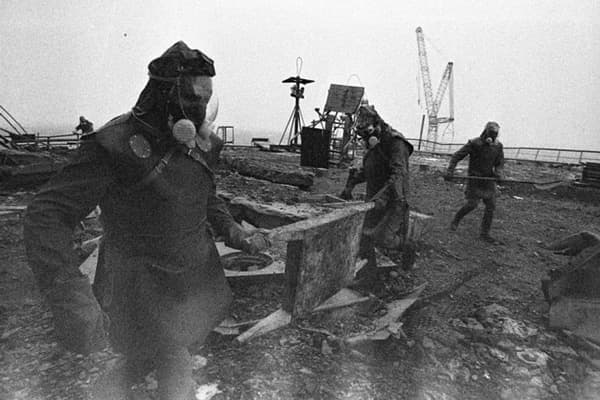
The Soviet government initially downplayed the incident, waiting 36 hours to evacuate the nearby city of Pripyat, home to 50,000 people. An exclusion zone spanning 30 kilometers (19 miles) from the reactor was eventually established, displacing more than 300,000 people, while over 500,000 "liquidators" worked to decontaminate the site. A steel and concrete sarcophagus was then built in about seven months to contain the damaged reactor.
Chernobyl undermined trust in Soviet leadership and contributed to the USSR's eventual collapse five years later. Its legacy includes not just environmental damage, but lasting physical and psychological harm for those affected and lasting uneasiness over nuclear power.
1440 Findings
Hours of research by our editors, distilled into minutes of clarity.






Explore World History
Weave together the many narratives of world history with our highly curated and expanding selection of diverse, fascinating resources designed to showcase the breadth and richness of Earth's story, from the earliest traces of human civilization to the dramatic developments of contemporary cultures.