Making Champagne from start to finish
This video from wine educator Amelia Singer covers everything from grape to glass. She’ll walk you through pressing the fruit, fermentation, aging, disgorgement, and, of course, drinking.
Hours of research by our editors, distilled into minutes of clarity.
This video from wine educator Amelia Singer covers everything from grape to glass. She’ll walk you through pressing the fruit, fermentation, aging, disgorgement, and, of course, drinking.
Champagne isn’t just sparkling wine—it’s a protected name tied to France’s Champagne region and made using the strict champenoise method. This explainer looks at its surprising history, from early fermentation mishaps to how it became a global symbol of celebration.
You’ve probably heard of Dom Pérignon the brand, but what do you know about Dom Pérignon the man? He is often credited with inventing Champagne—which is why the iconic (and expensive) Champagne house is named after him—but the truth is he simply pioneered many methods for manufacturing it.
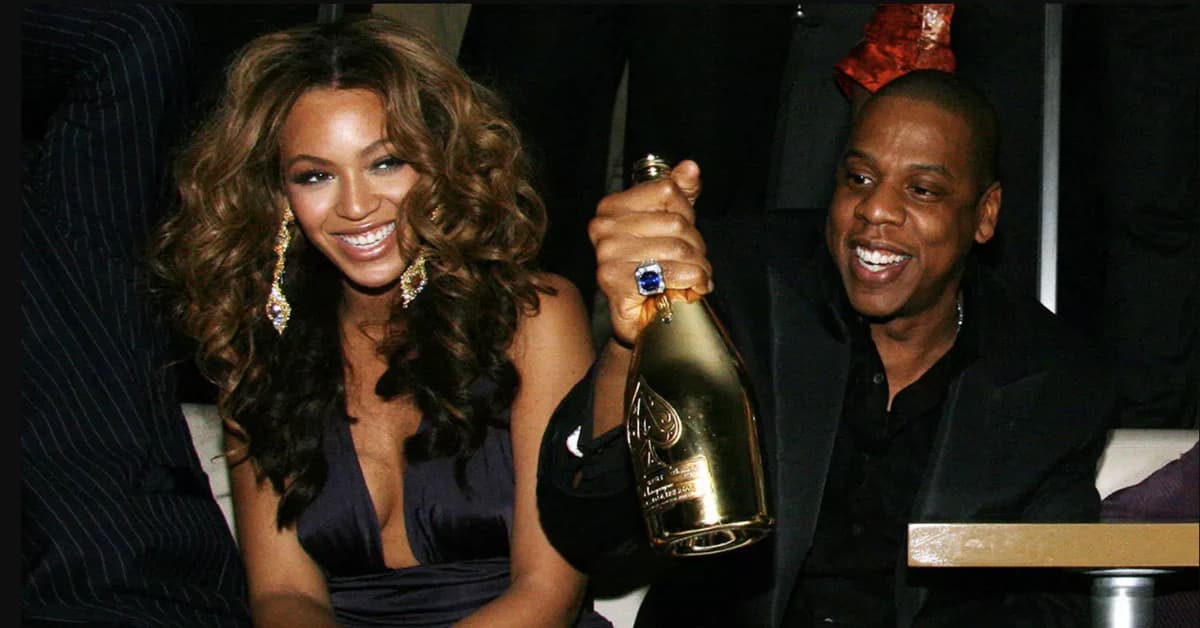
The drink is both aspirational and a bragging right. Famous artists name-check brands like Cristal, and up-and-comers long for the day when sparkling wine will flow like water. The trend traces back to the early 1990s and Branson B., “hip-hop’s unofficial sommelier.” The Harlem-based artist would bring bottles of his favorite bubbly to parties, celebrations, and, crucially, recording studios, where friends like the Notorious B.I.G. were laying down some of rap’s foundational tracks.
Some regulations, such as geographical area and grape varieties, are fairly well known. But to be true Champagne, winemakers must follow guidelines for all sorts of finicky things, including pruning, press yield (how much juice is extracted from the grapes), alcohol content, vineyard management, and aging, among others.
Champagne isn't just sparkling wine—it's a product of strict tradition and geography. By law, only bottles made in France's Champagne region using the "méthode champenoise" can bear the name. From fermentation to riddling and disgorgement, each bottle undergoes years of meticulous crafting before it's ready to be popped.
The bubbliness that we love now was once considered a winemaking failure. In fact, Dom Pérignon probably would have referred to it by its common nickname at the time, "vin du diable," or devil’s wine. The wine’s volatility often caused bottles to explode, which was both dangerous and costly. It wasn’t until the development of sturdier bottles and more consistent winemaking techniques that popularity truly soared.
Champagne wouldn’t be where it is today without a surprising partner: 17th-century British glassmakers. An energy crisis caused by deforestation—not enough trees to burn—led to the search for an alternative fuel source. Enter coal. The plentiful resource burned much hotter than wood, creating stronger glass that could stand up to the pressure of the carbon monoxide produced by the wine’s second fermentation and solving one of the fledgling industry’s most vexing problems.
Sweetness levels are determined by the amount of sugar added to the wine at the end of the process—anything up to 6 grams per liter is extra dry, and up to 12 grams per liter is still considered dry.
Julius Caesar might not have had sparkling wine, but when the Romans created the now-standard calendar that begins on Jan. 1, they celebrated with a toast. The tradition spread throughout Europe and then the colonies, and so when Champagne became the drink of choice for special occasions, it was only natural that it became the standard New Year’s Eve sip.
Long before Champagne existed, people performed good-luck rituals before setting sail. But since animal sacrifice is generally frowned upon these days, a new tradition developed before a ship’s maiden voyage: smashing a bottle of Champagne against the hull.
Art, music, sports, entertainment, movies, and many other subjects—these elements define who we are as a society and how we express ourselves as a culture. Take a deep dive into the topics shaping our shared norms, values, institutions, and more.