Aztec Empire
Overview
The Aztec Empire, an alliance of three warrior city-states, ruled over modern-day central Mexico from roughly 1428 to 1521, although Aztec settlements long predated the empire. Centered in the island capital of Tenochtitlan—a massive city with advanced infrastructure—the empire grew rapidly through conquest, diplomacy, and a tribute system, which integrated dozens of diverse city-states across the Valley of Mexico and beyond.
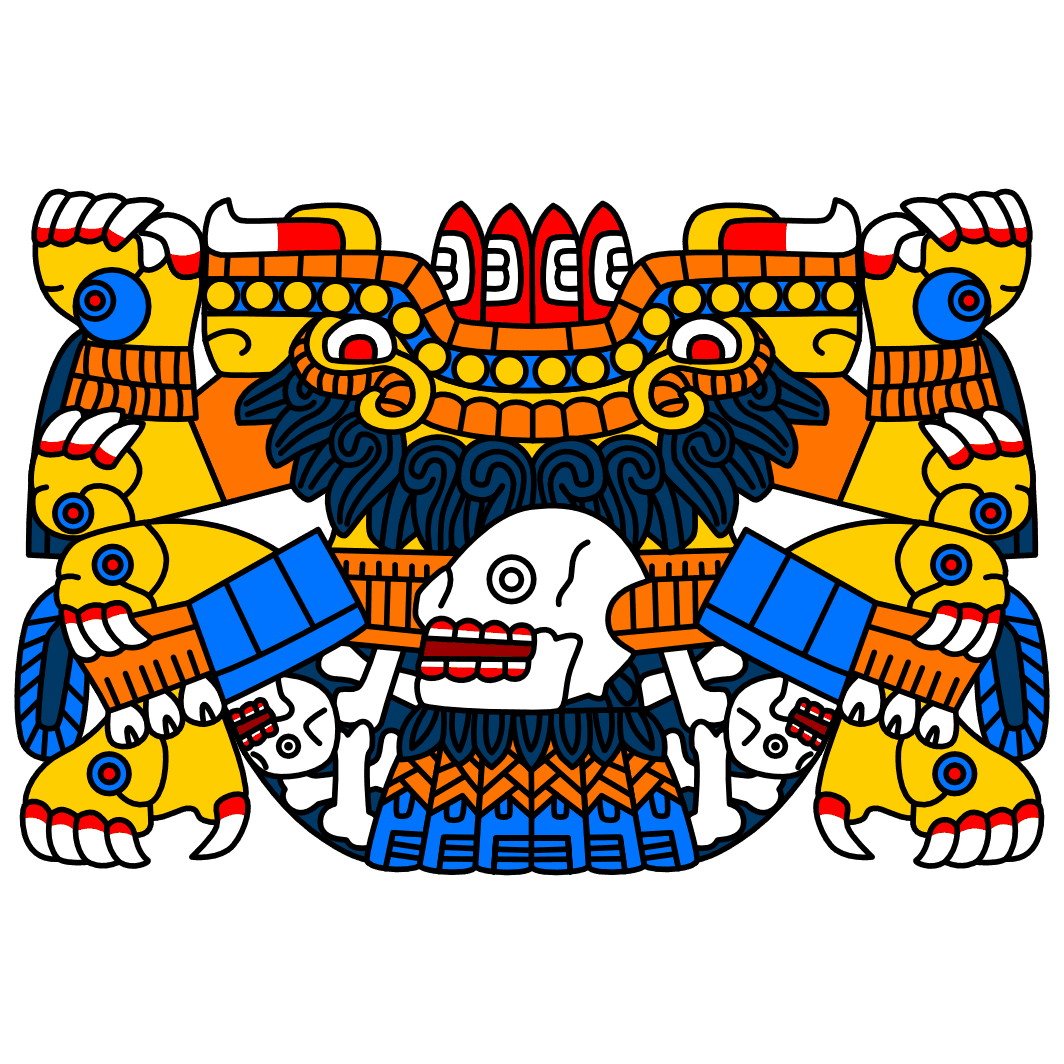
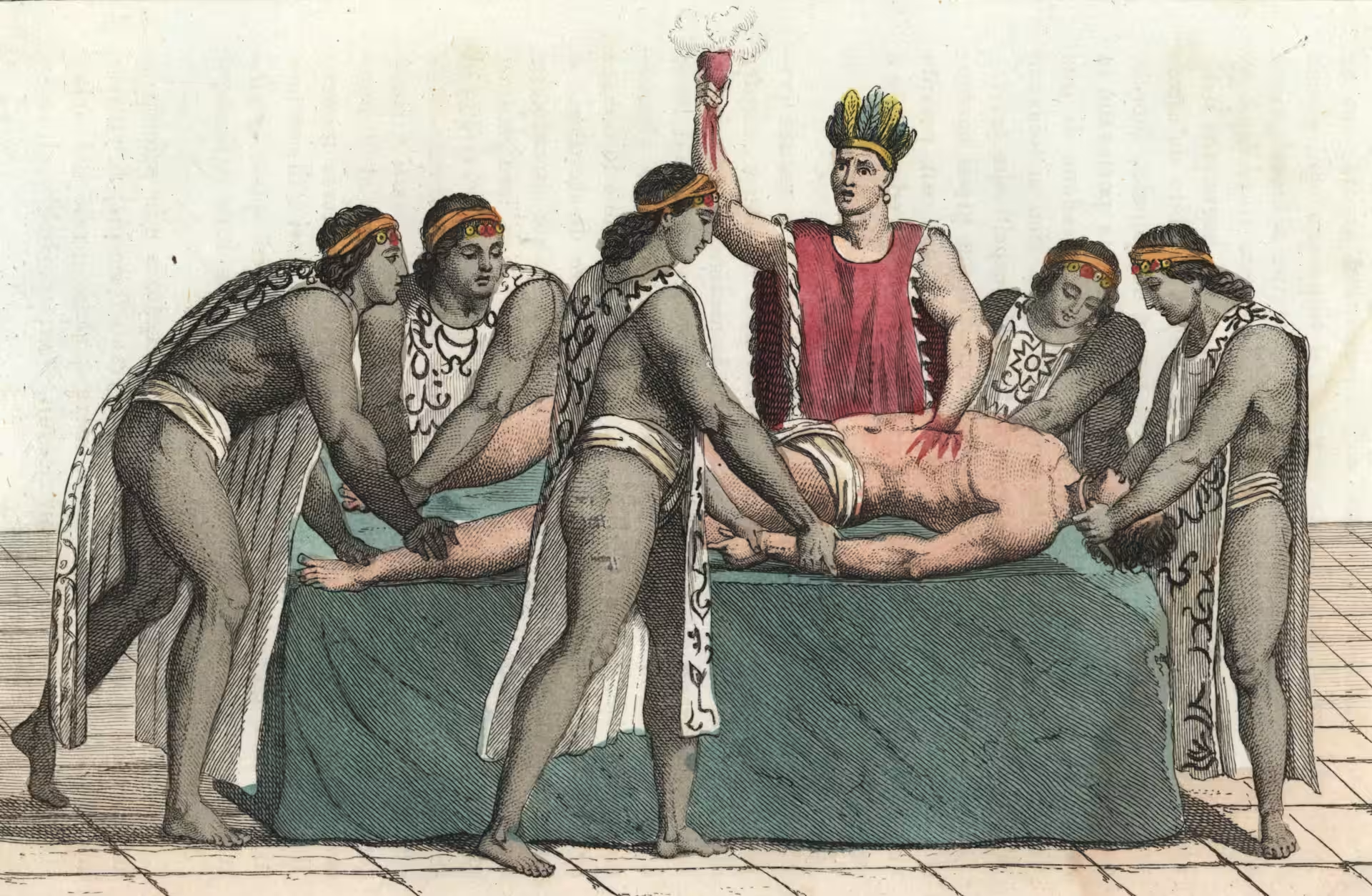
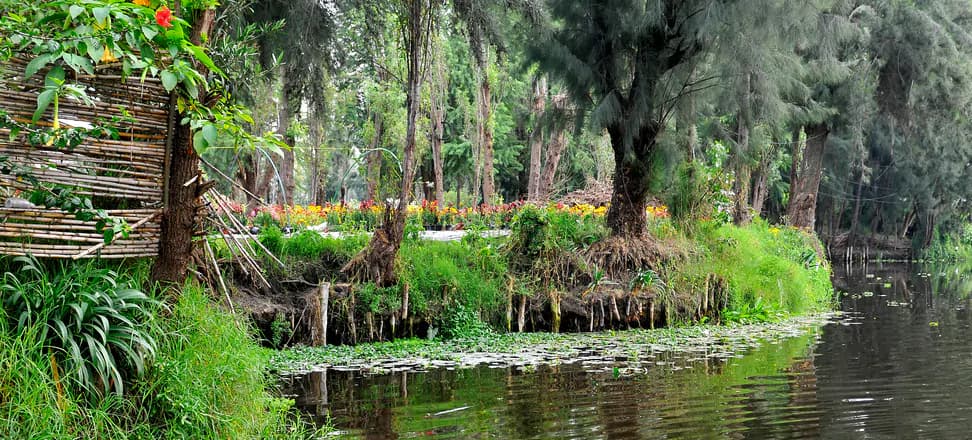
At its height, the empire encompassed approximately 80,000 square miles of territory and had a population of around 5 million. The Aztecs were renowned for their highly productive agriculture, a formidable warrior culture, and elaborate religious ceremonies that occasionally involved human sacrifice.
Amid Spain's colonization of the Caribbean in the early 1500s, Spanish conquistadors led by Hernán Cortés arrived on the Gulf Coast of present-day Mexico in 1519. Cortés forged alliances with Indigenous groups hostile to Aztec rule, ultimately seizing Tenochtitlan, deposing Emperor Montezuma II, and ending the empire's control of the region.
1440 Findings
Hours of research by our editors, distilled into minutes of clarity.






Explore World History
Weave together the many narratives of world history with our highly curated and expanding selection of diverse, fascinating resources designed to showcase the breadth and richness of Earth's story, from the earliest traces of human civilization to the dramatic developments of contemporary cultures.