Art History

1440 Findings

Hours of research by our editors, distilled into minutes of clarity.

  • Gutai was performance art’s Japanese predecessor

    Works by the post-WWII Japanese artist collective Gutai are widely considered a precursor to Western performance art of the 1960s and 1970s. The word “Gutai” means “concrete” in Japanese, referring to the concrete ways the artists’ bodies were used to create their works. Gutai members like Kazuo Shiraga, who painted with his feet to express the movement of his process, are thought to have influenced later artists like Jackson Pollock.
    Video

    Gutai: Performance art’s predecessor

  • Terrible performance art: an insider's perspective

    David Sedaris may be known for his writing now, but when he was in college, he thought his future was in the art world. Specifically, the performance art world. In this episode of NPR’s This American Life, Sedaris shares a selection of moments from his career as an artist, each more embarrassing than the last. The kicker? Being heckled from the audience—by his own father.

  • The 30 most important performance artists

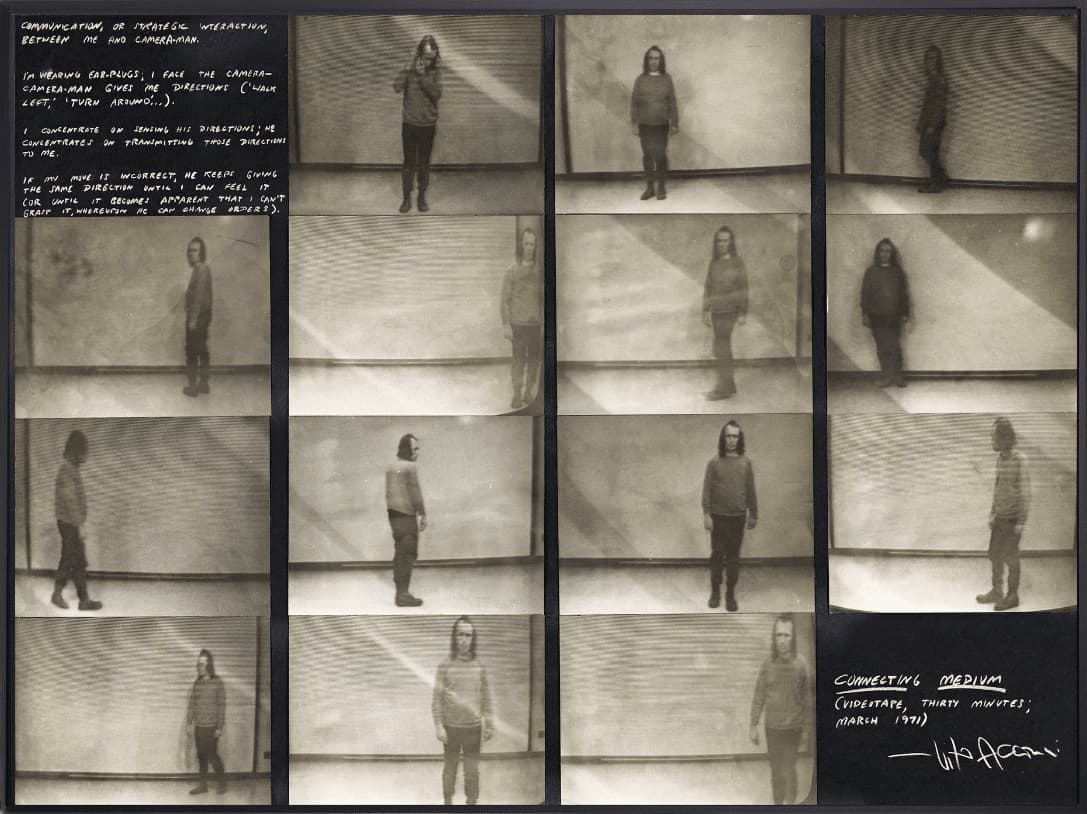
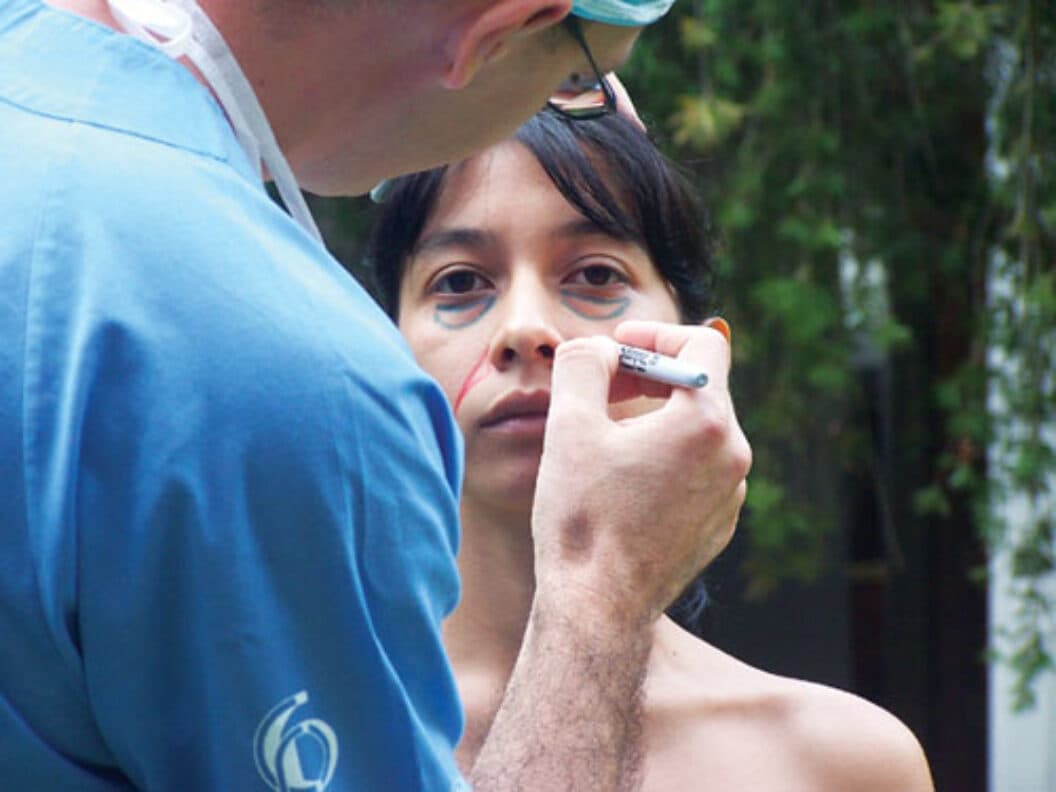
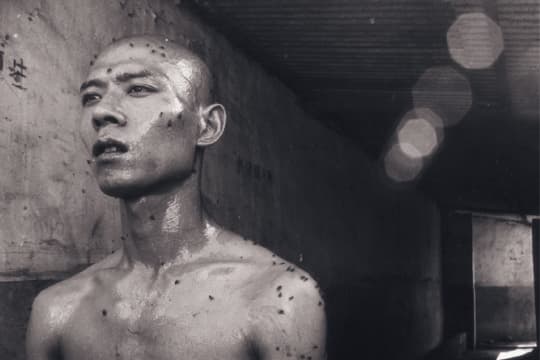
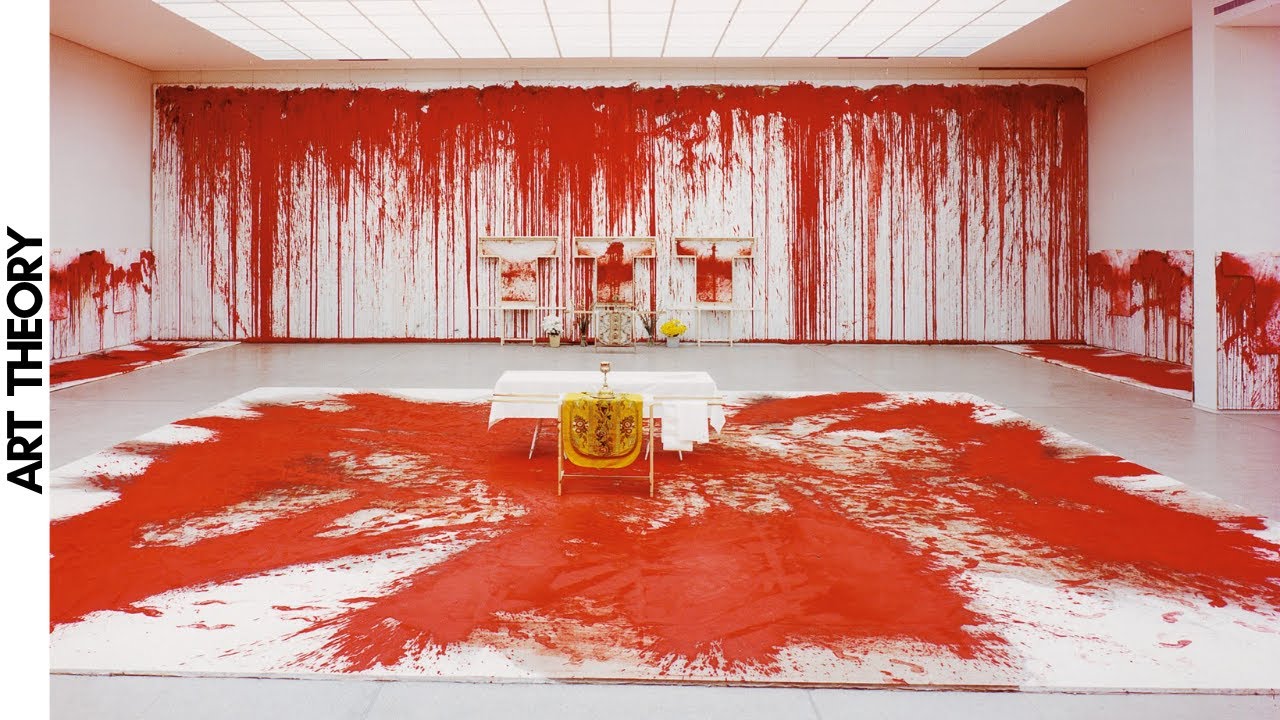
    Through centering on the human body, performance art can surprise and shock us. This rundown of 30 of its practitioners highlights their individual art and selects an image to showcase their specific style. While some are more clever or conceptual, many are viscerally shocking, including artistic nudity and, in some cases, graphic violence.

  • Wafaa Bilal had a camera surgically implanted in the back of his head

    The artist programmed the camera to capture one image per minute of his daily life. He explained that the project was meant to document his past—in a rather literal way—as it slipped away from him, in a mode that gestured at both surveillance and the radically objective nature of photos. Viewers can expect an immersive installation featuring thousands of mundane images transmitted to a website, challenging traditional photography and exploring the intersection of public and private information.

  • Can anything be performance art?

    When you see someone slathering themselves in maple syrup or sitting silently in the corner of a gallery surrounded by yogurt containers, it’s easy to wonder whether there’s anything that can’t be considered performance art. This Artsy piece speaks to various performance artists and attempts to define some guardrails for the medium. The main takeaway? Intention and interpretation are what separate real performance art from people who are just covered in syrup.

  • Jackson Pollock and others developed 'action painting,' highlighting the creative process

    A subcategory of performance art, action painting emerged in 1945 as a way to capture a moment-by-moment view of the creative process through painting. For these pieces, the physical act of painting is as important as the finished product. This short explainer video covers the philosophy behind action painting, as well as exploring the works of several well-known action painters, including Jackson Pollock, Franz Kline, and Mark Rothko.

    Video

    What is action painting?

  • Zurich's Cabaret Voltaire was the epicenter of early performance art

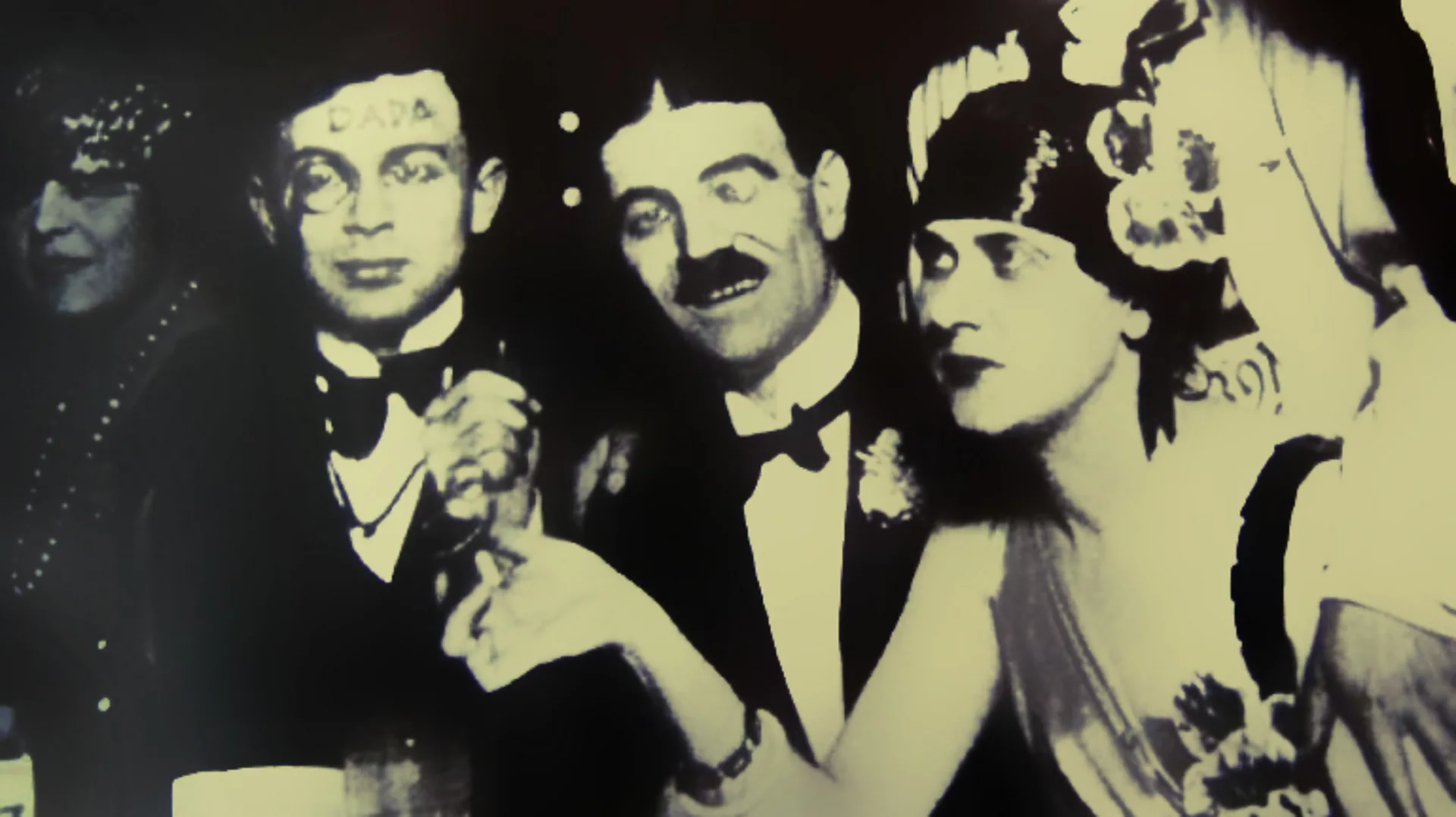
    In early 20th-century Zurich, one nightclub was the epicenter of avant-garde art and performance: Cabaret Voltaire. Night after night, crowds of artists, writers, philosophers, and others would gather to watch—or participate in—wild, unrehearsed performances that could include anything from sound poems to traditional folk dance. The atmosphere at Club Voltaire was the ideal breeding ground for outside art movements, and it is thought to be the birthplace of Dada, a precursor to performance art.

Next page

Explore Society & Culture

Art, music, sports, entertainment, movies, and many other subjects—these elements define who we are as a society and how we express ourselves as a culture. Take a deep dive into the topics shaping our shared norms, values, institutions, and more.

View All Society & Culture