Art History

1440 Findings

Hours of research by our editors, distilled into minutes of clarity.

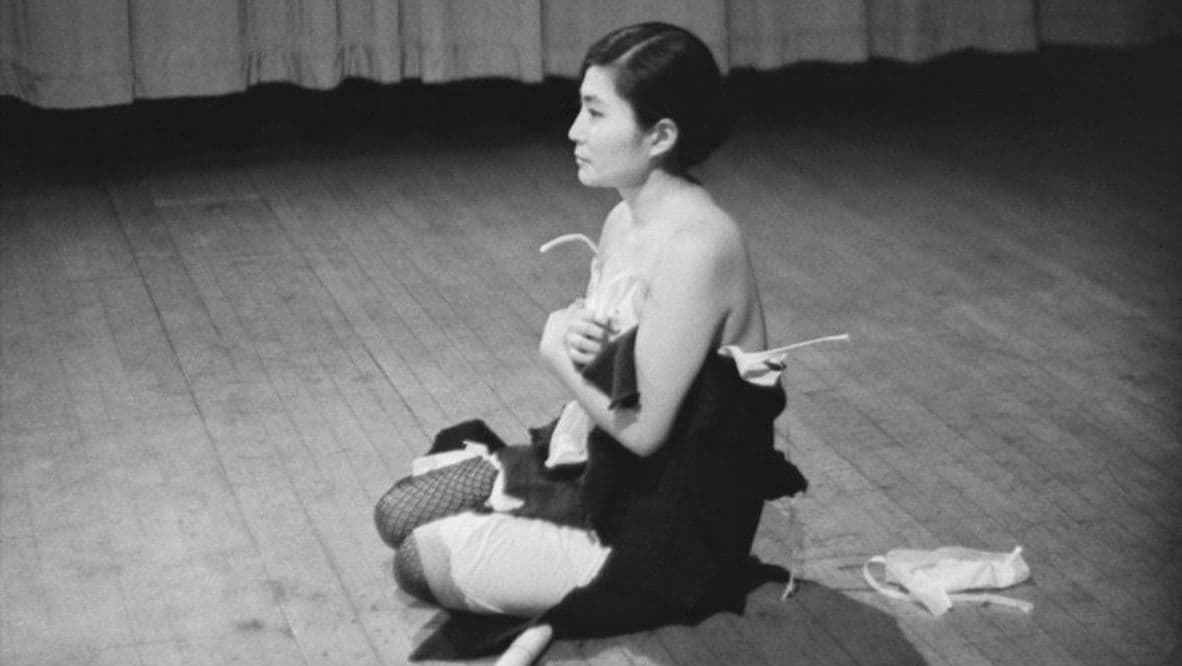
  • In 'Cut Piece,' Yoko Ono invited the audience to her clothes

    Much more than simply John Lennon’s partner, Yoko Ono is a prolific multimedia artist in her own right. Her 1964 performance "Cut Piece" invited audience members to come onstage and cut away pieces of her clothing. She described the piece as being about solidarity between women and the possibility for world peace, saying, “By not fighting, we show them that there's a whole world, which could exist by being peaceful.”

  • Performance art depends on the actions of the artist

    Part theater, part anarchy, part absurdism, performance art encompasses a whole range of media and genres. The short version is that it’s conceptual, often spontaneous art that is performed live. Performance art is inherently confrontational, challenging societal ideas of what constitutes “fine art,” making it an ideal vehicle for political and protest pieces. It’s closely related to other avant-garde movements like Dada and Futurism.

  • Romanticism continues to influence culture

    The breadth and impact of Romanticism and its emphasis on individualism, embracing emotion, and the power of nature outlived the formal boundaries of the movement’s popularity and continue to linger in the public consciousness.

  • JMW Turner inspired the impressionists

    JMW Turner was a prominent member of the Romantic movement, known for his expressive, colorful, and threatening paintings of coastal and marine scenes. Later in his career, he pushed his style to more intense colors and abstract forms, inspiring and preceding the abstract art movements, like Impressionism.

  • A pop culture taxonomy of the Byronic hero

    The Byronic hero, a moody but ultimately noble archetype credited to Lord Byron, isn’t just a fixture of romanticism: the character type can still be found throughout popular culture. Look no further than this detailed explainer from TV Tropes, which illustrates the Byronic hero’s characteristics and appearances in different media.

  • Lord Byron lives on through the Byronic Hero trope

    Brooding introspection, rebelliousness, and a troubled past define the Byronic Hero, named after an archetype made famous by Romantic poet Lord Byron. This video dives into the romantic rebel's origins, why he’s so compelling, and how the character type persists in modern media.

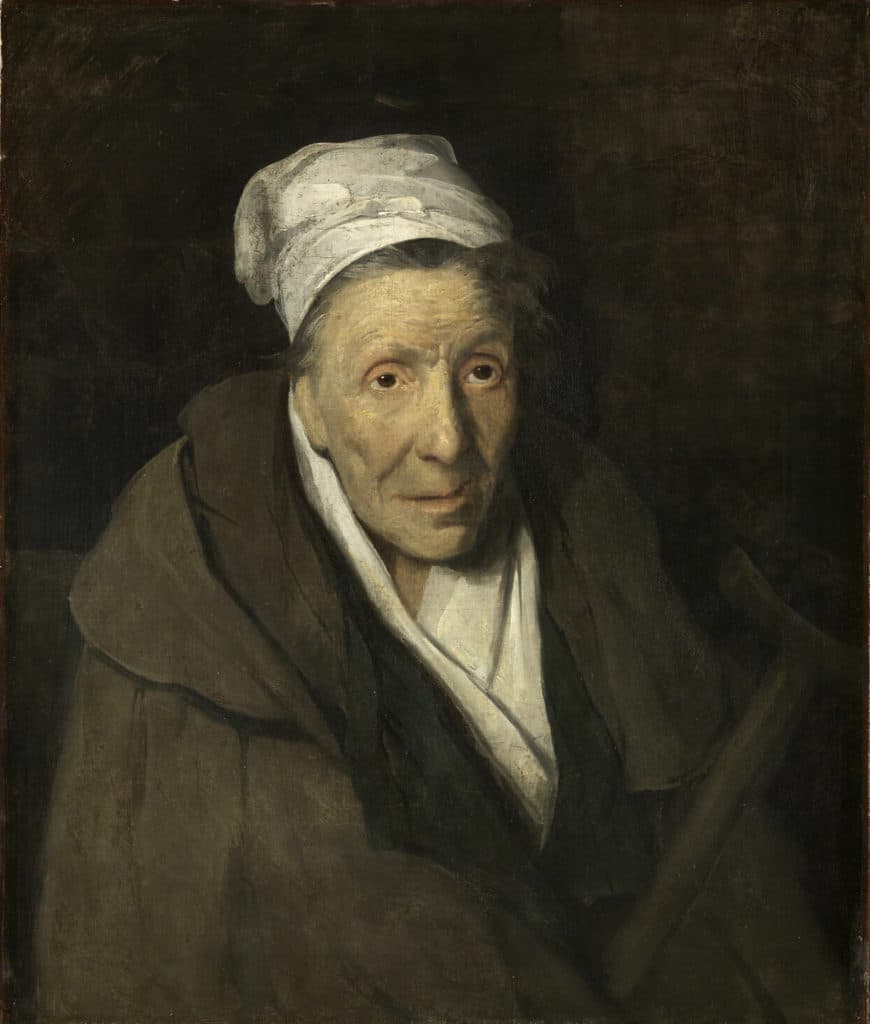
  • Romanticism changed the norms of the artworld

    Romanticism’s expressiveness led to a change in the norms of portrait painting, favoring emotion, nuance, and less conventional subjects. One such example is Géricault’s portraits of mental illness, depicting patients, including a kleptomaniac and a “child snatcher,” in states of expressive emotion.

  • Friedrich's paintings embody the romantic notion of 'the sublime'

    Romantic painter Caspar David Friedrich’s art uses vast, massive scale and masterful compositions to convey complex ideas of power, decay, permanence, and more. But his landscapes also present beautiful, overwhelming portraits of nature that perfectly embody philosopher Edmund Burke’s concept of “the sublime.”

Next page

Explore Society & Culture

Art, music, sports, entertainment, movies, and many other subjects—these elements define who we are as a society and how we express ourselves as a culture. Take a deep dive into the topics shaping our shared norms, values, institutions, and more.

View All Society & Culture