Posted by Dina Fine MaronJun 24mRNA vaccines teach the immune system how to respond to a threat, using a molecule called messenger RNA. Show 2 more findings 6:48mRNA vaccines, explainedVoxhttps://www.youtube.com/watch?v=mvA9gs5gxNY
Posted by Marco Daniel MachadoJun 24mRNA vaccines alter immune response, not DNA, to combat diseases like cancer.Show 2 more findingsCan Vaccines Help Defeat Cancer? - Science Quickly | Podcast on SpotifyScience Quicklyhttps://open.spotify.com/episode/1EmYRmnlwwc7cteDyjosVj
Posted by Teddy BurkhardtDec 19, 2021The basics behind mRNA vaccinesIn this video, Yale experts Saad Omer, MBBS, MPH, PhD; Onyema Ogbuagu, MBBCh; and Akiko Iwasaki, PhD, explain the science behind COVID-19 mRNA vaccines.Understanding COVID-19: How mRNA Vaccines WorkYale Medicinehttps://www.yalemedicine.org/news/covid-19-mrna-vaccines
Posted by Teddy BurkhardtOct 9, 2025COVID-19 vaccine breakthroughs are driving efforts toward a universal flu shotmRNA and other technologies used for COVID-19 vaccines are being applied to influenza research. Scientists hope these advances will lead to a universal flu vaccine that protects against multiple strains and reduces the need for yearly shots. 7:29Why we need a better flu shotVoxhttps://www.youtube.com/watch?v=mXzgOa3cSeE
Posted by Teddy BurkhardtOct 24, 2022Breaking down the different types of vaccine technologiesThere are several different types of vaccines. Each type is designed to teach your immune system how to fight off germs—and the serious diseases they cause. This short overview breaks down the differences between the types.Vaccine TypesUS Centers for Disease Control and Preventionhttps://www.hhs.gov/immunization/basics/types/index.html
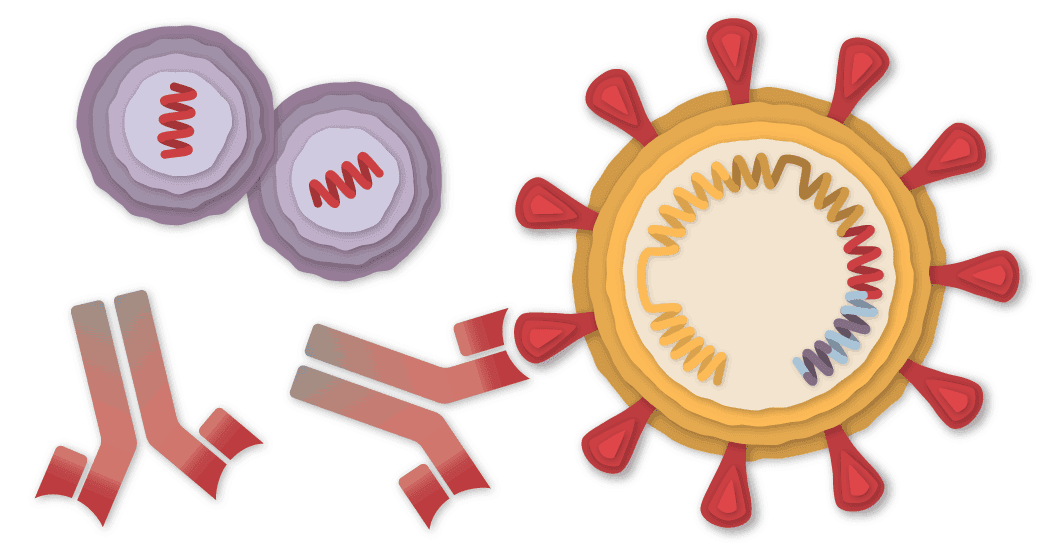
Posted by Dina Fine MaronJun 30What are universal vaccines?As viruses mutate and develop, vaccines have to adapt, leading to regular recommended injections like flu shots. Researchers are working to develop universal vaccines that aim to protect against multiple virus variants if not entire virus families. These vaccines work by creating broadly neutralizing antibodies (bnAbs) that target aspects of viruses that don't typically mutate and are integral to the virus' survival. 1:58What are Universal Vaccines? Science, simplifiedhttps://www.youtube.com/watch?v=1ROgFuDoqxE
Posted by Teddy BurkhardtApr 29Attenuated vaccines introduce a weakened version of the virus into the bodySome vaccines, like those for measles, rely on weakened versions of a virus. These weakened pathogens are introduced into the body, triggering an immune response and helping the immune system learn to protect itself against stronger versions of the virus. (This also explains why some vaccines make you feel under the weather.) 2:05Attenuation: How Scientists Make Live Vaccineshttps://www.youtube.com/watch?v=szfVMtyueks
Posted by Teddy BurkhardtOct 24, 2022How do vaccines work? Watch this brief 101Watch this under-3-minute video explaining how vaccines use the body's immune system to prepare our bodies against viral and bacterial threats to our health. What is a vaccine, and how do vaccines work? | Vaccine Knowledgehttps://vk.ovg.ox.ac.uk/vk/how-do-vaccines-work
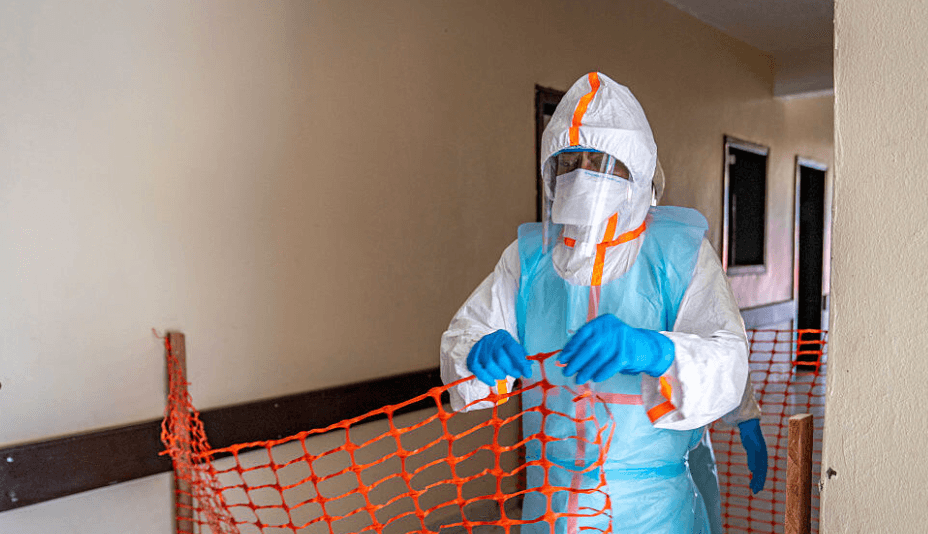
Posted by Dina Fine MaronJun 4The 2026 Ebola outbreak in the DRC is spurring new Ebola vaccine development for the Bundibugyo species.Show 2 more findings ZoomModerna gets $50 million to develop mRNA Ebola vaccine against BundibugyoArs Technicahttps://arstechnica.com/health/2026/06/moderna-gets-50-million-to-develop-mrna-ebola-vaccine-against-bundibugyo/
Posted by Teddy BurkhardtOct 24, 2022Before vaccines, there was 'variolation': what was it?Before the technology behind vaccinations was discovered, some keen observers of medicine around the globe noticed how previous infections could impact future ones. Learn about the techniques early physicians used before they had vaccines.The History of Variolationhttps://cpp-hov.netlify.app/blog/the-history-of-variolation
Posted by Teddy BurkhardtOct 9, 2025The flu vaccine has evolved alongside discoveries of new virus strainsAfter influenza B was identified in 1940, researchers created a two-strain vaccine by 1942. The WHO later built a global surveillance system to track mutations, enabling vaccines to be updated annually to target the strains most likely to circulate.History of influenza vaccinationWorld Health Organizationhttps://www.who.int/news-room/spotlight/history-of-vaccination/history-of-influenza-vaccination
Posted by Teddy BurkhardtAug 10Small genetic changes that accumulate over time force flu vaccines to be updated regularly.Show 5 more findings 3:27Antigenic Drift: How the Influenza Virus AdaptsVaccine Makers Projecthttps://www.youtube.com/watch?v=tMTl3gU0mFc
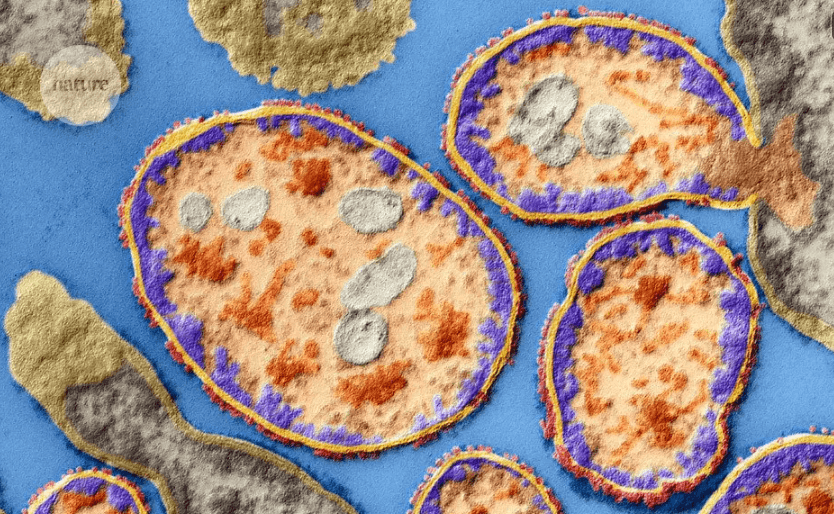
Posted by Dina Fine MaronAug 4A scientist successfully treated her own breast cancer by injecting the tumor with lab-grown viruses.Show 5 more findings ZoomThis scientist treated her own cancer with viruses she grew in the labLimited AccessNaturehttps://www.nature.com/articles/d41586-024-03647-0
Posted by Teddy BurkhardtApr 17, 2025Why we don't have an answer for the common coldSince a landmark study of the common cold in 1925, researchers have learned much more about the seasonal ailment. Despite continuous study, people still contract colds for similar periods of time at the same rate with the same symptoms, and there's no vaccine. This article explains how the many viral strains make it hard to control. Why we can’t squash the common cold, even after 100 years of studying it | Popular SciencePopular Sciencehttps://www.popsci.com/health/common-cold-100-years/
Posted by Teddy BurkhardtOct 9, 2025Most flu vaccines are still produced using chicken eggsFor decades, influenza vaccines have been made by growing viruses inside fertilized chicken eggs. Though newer methods using cell cultures or recombinant technology exist, egg-based production remains the primary global manufacturing process. 1:22The Flu Vaccine Is Made In Chicken EggsScience Channelhttps://www.youtube.com/watch?v=krbIdBRWvLA
Posted by Dina Fine MaronFeb 16The oral, live virus vaccine is the most robust but carries more risksThe live virus vaccine, delivered via oral drops, induces the best protection in the body. Because it includes a live, weakened form of the virus there's an extremely small risk it can sicken recipients and potentially cause paralysis. Recipients also shed the virus in their stool, which can rarely lead to vaccine-derived cases of the virus if the virus mutates. (Some users may experience a paywall.)CNNhttps://www.cnn.com/2022/08/23/health/polio-spread-vaccine-explainer
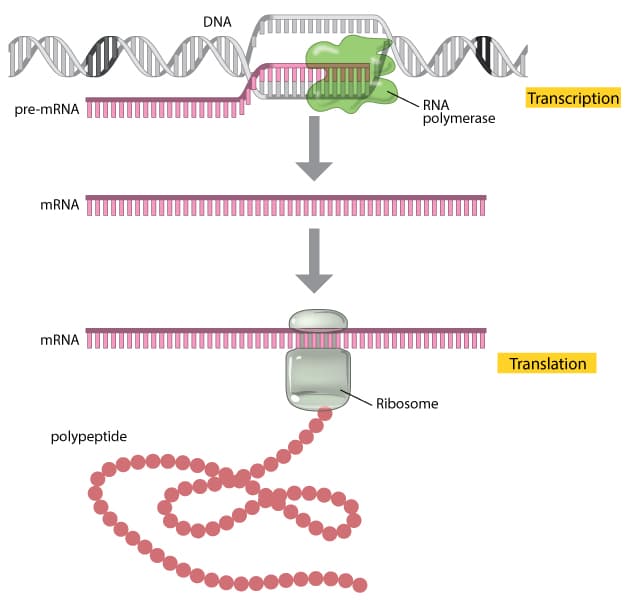
Posted by Marco Daniel MachadoJan 30Watch how proteins are created from DNAWhen a DNA sequence—a gene—is activated, a copy of the activated portion is created in the form of RNA, a single-stranded version of DNA, in a process known as transcription. This RNA, called messenger RNA, leaves the nucleus and travels to a ribosome, a structure within a cell, which uses it to build a chain of organic compounds that fold into a protein. 2:42From DNA to protein - 3Dyourgenomehttps://www.youtube.com/watch?v=gG7uCskUOrA
Posted by Dina Fine MaronJul 13Gene therapy treats a disease by editing the disease's underlying DNA, replacing it with a functional variant.Show 2 more findings 4:05Gene Therapy Basics (2022 Update)American Society of Gene and Cell Therapyhttps://www.youtube.com/watch?v=kAtd9X29SdQ
Posted by Dina Fine MaronJun 30Explore a technical look at the measles virus and its toll on humanity through the ages.Show 5 more findings 5:44A technical look at the measles virus and its lifecycleProfessor Dave Explainshttps://www.youtube.com/watch?v=OiwyuEG8M4w
Posted by Dina Fine MaronFeb 16Live virus vaccines predated polio—that's how we vaccinate against smallpoxSince 1796, smallpox vaccines have used a live poxvirus related to smallpox. Yellow fever vaccines have used a live weakened form of the virus responsible for yellow fever since 1937.National Library of Medicinehttps://www.ncbi.nlm.nih.gov/books/NBK565345/
Posted by Dina Fine MaronMar 16Two Lyme disease vaccines were in development in 2026As of early 2026, there was no vaccine for Lyme disease available. One candidate vaccine, VLA15, was in later-stage clinical trials. Another designed to provide seasonal protection was licensed to a pharmaceutical company in 2025, and was planned for human clinical trials.US Centers for Disease Control and Preventionhttps://www.cdc.gov/lyme/about/lyme-disease-vaccine.html
Posted by Dina Fine MaronMay 29Learn how monoclonal antibodies, which mimic the body's antibodies, can fight diseases like Ebola.Show 1 more findingUnderstanding Ebola: What People Should KnowNational Academy of Medicinehttps://nam.edu/news-and-insights/understanding-ebola-what-people-should-know/
Posted by Marco Daniel MachadoJan 27Recombinant DNA technology turns microorganisms into protein factoriesGenes for molecules such as insulin can be inserted into loops of bacterial DNA called plasmids and reinserted into bacteria. Once placed in fermentation tanks, these bacteria use the gene to produce these molecules, which are then harvested and purified for eventual use.National Institutes of Healthhttps://www.nlm.nih.gov/exhibition/fromdnatobeer/exhibition-interactive/recombinant-DNA/recombinant-dna-technology-alternative.html
Posted by Drew SteigerwaldJun 30Research on bacterial cultures used in yogurt production led to CRISPR's discoveryScientists learned it was a microbial immune system that could be repurposed to protect dairy cultures from viruses. Today, nearly all yogurt is made with CRISPRized bacteria, as are genetically modified crops like herbicide-resistant corn, wheat, and soy.What’s CRISPR Doing in our Food? - Gastropodhttps://open.spotify.com/episode/5WsHGkp0c6VpUHH0uJ4gyN?si=0622691889fa4346
Posted by Meher QazilbashJan 15, 2025COVID accelerated antibiotic resistanceThe COVID-19 pandemic was caused by a virus, and viruses can’t be treated with antibiotics. But recent research finds that COVID patients were given a tremendous amount of antibiotics, contributing to the problem of antibiotic-resistant bacteria. Why? This NPR feature sheds light on an unexpected side effect of the pandemic.How the pandemic gave power to superbugsNPRhttps://www.npr.org/sections/goats-and-soda/2024/05/29/g-s1-1647/covid-pandemic-superbugs-antibiotic-resistance
Posted by Teddy BurkhardtOct 24, 2022The business models behind vaccinesWatch experts weigh in on the prevailing business models of vaccine production, including how the Covid-19 pandemic has disrupted the industry for good in this 20-minute video from Financial Times.Covid-19 and the business of vaccinesFinancial Timeshttps://www.ft.com/video/e6f487f4-a7d9-4e90-b9cb-ef8d25803bec
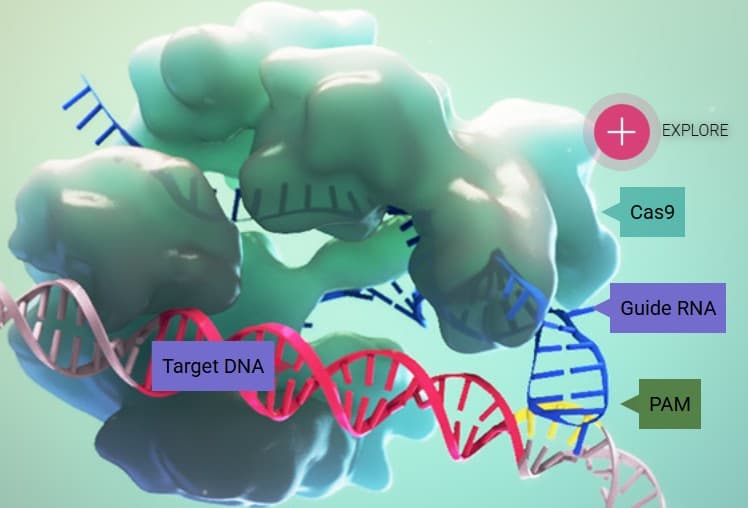
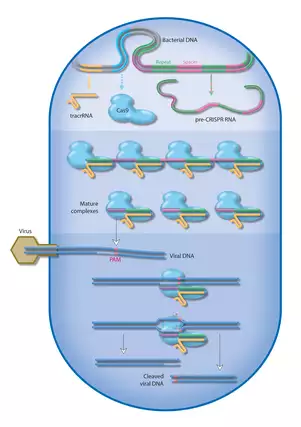
Posted by Drew SteigerwaldJul 25, 2024CRISPR-Cas9 enables precise genome editing using a simple RNA-guided systemJennifer Doudna's research uncovered how bacteria use the tool as an immune defense by cutting viral DNA. She and Emmanuelle Charpentier received the 2020 Nobel Prize in chemistry for showing how this mechanism could be engineered to target and edit genes in living cells. 31:57Nobel Lecture: Jennifer Doudna, Nobel Prize in Chemistry 2020https://www.youtube.com/watch?v=KSrSIErIxMQ
Posted by Teddy BurkhardtFeb 20CRISPR allows scientists to cut out and replace faulty or unwanted DNA, which can help treat genetic disorders, such as sickle cell disease, and create genetically modified organisms, such as allergen-free foods.Show 2 more findings 3:21CRISPR Demystified: How Gene Editing Is Revolutionizing Healthcare1440 Originalshttps://www.youtube.com/watch?v=JZZMfxo2WkQ
Posted by Dina Fine MaronJul 13Gene therapy can occur inside the body, but it can also be completed outside the body—with scientists treating cells in the lab, and then those corrected cells are transplanted back into the body. Show 2 more findings 1:31Gene Therapy Inside OutFDAhttps://www.youtube.com/watch?v=GbJasFgJkLg
Posted by Marco Daniel MachadoJan 27Cells translate genetic information into proteins using RNA messengersGenes are segments of DNA, each composed of a sequence of nitrogenous bases. Within the nucleus, these sequences are copied into a single strand of ribonucleic acid during transcription. This strand leaves the nucleus and is translated by ribosomes into a chain of amino acids that folds into a functional protein. ZoomNaturehttps://www.nature.com/scitable/topicpage/translation-dna-to-mrna-to-protein-393/
Posted by Marco Daniel MachadoJun 5Visualize how CRISPR-Cas9—a type of immune system used by single-celled organisms to attack invasive viruses—targets and makes precise changes to a gene's DNA.Show 3 more findings ZoomCRISPRhttps://media.hhmi.org/biointeractive/click/CRISPR/
Posted by Teddy BurkhardtJul 11, 2023How the 1918 pandemic spurred developments in virology and vaccinesThis article provides an in-depth historical account of the 1918 Spanish Flu pandemic, including its impact on the global population and how its occurrence spurred significant advancements in the study of viruses—laying the groundwork for the...A Pathogen Too Far: How the 1918 Pandemic Revolutionized VirologyMassachusetts Institute of Technologyhttps://thereader.mitpress.mit.edu/a-pathogen-too-far-how-the-1918-pandemic-revolutionized-virology/
Posted by Drew SteigerwaldJul 24, 2024CRISPR-Cas systems act as genetic memory banks for defending bacterial cellsWhen viruses called phages inject DNA into bacteria, some bacterial species store bits of this DNA in their own genomes. This allows them to recognize and destroy the same virus if it attacks again. ZoomNatural functions of CRISPR-Cashttps://www.mpg.de/11823901/crispr-cas-functions