Back

Posted by

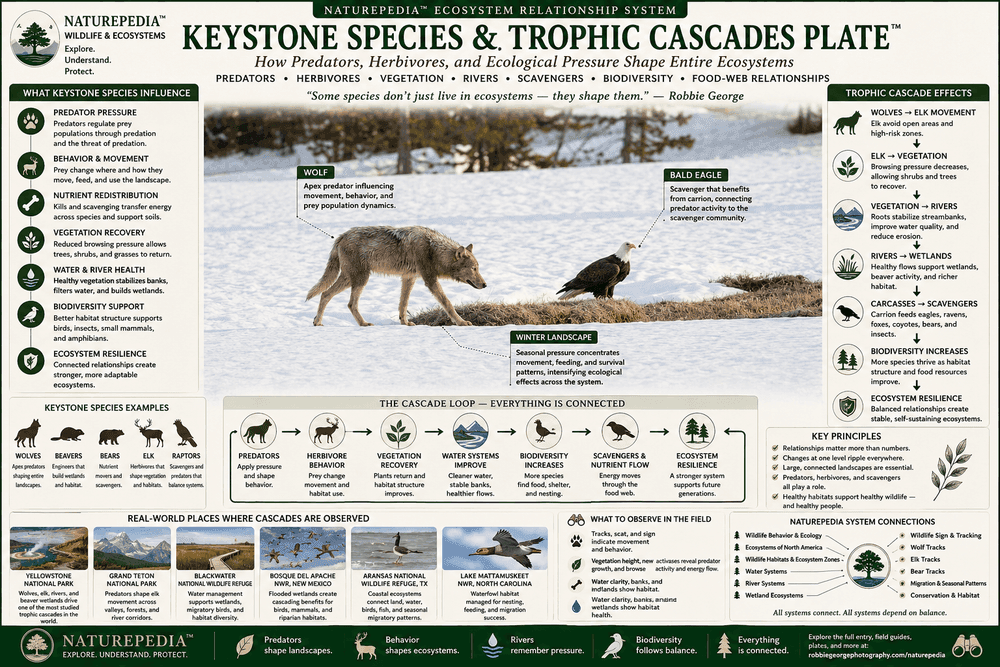
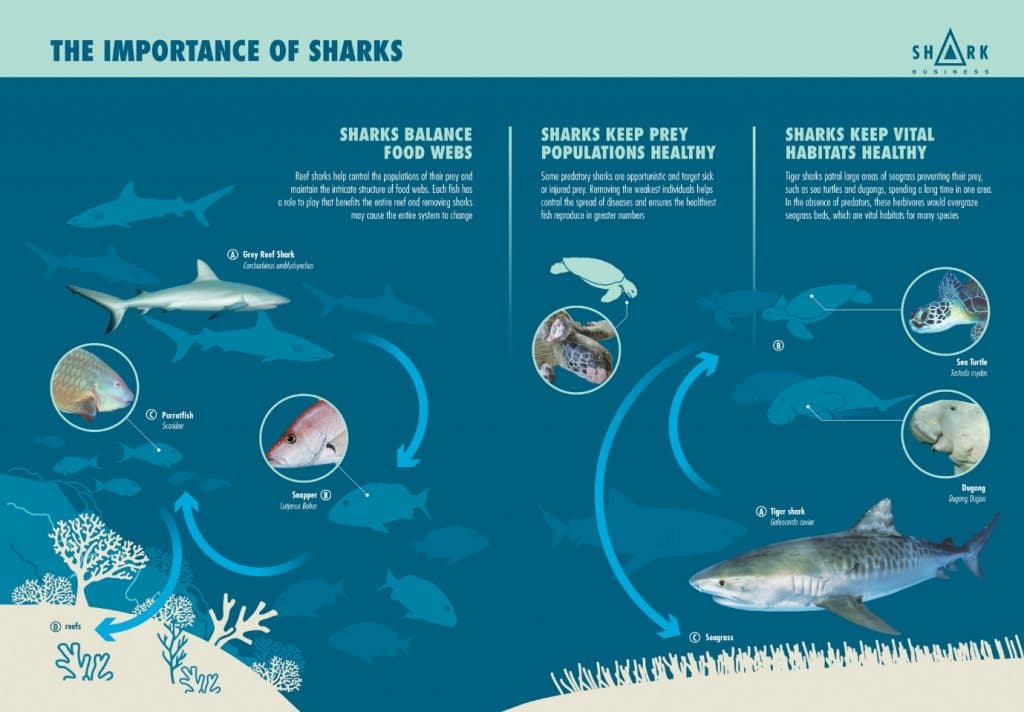
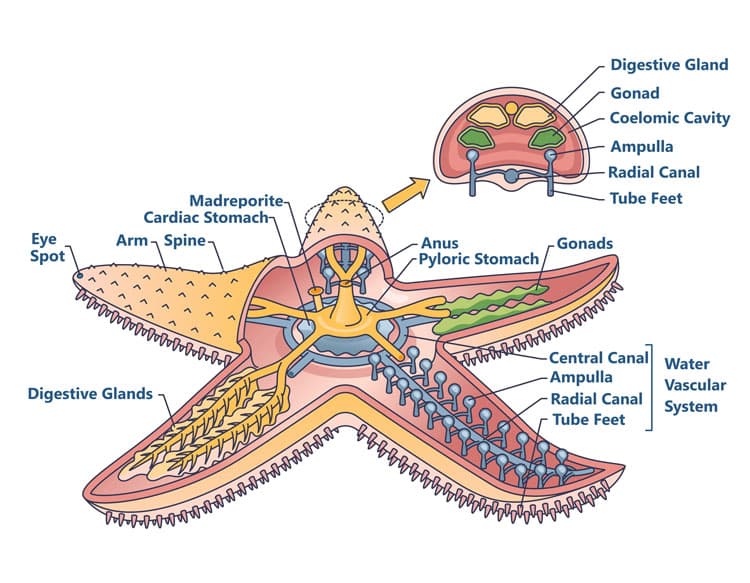
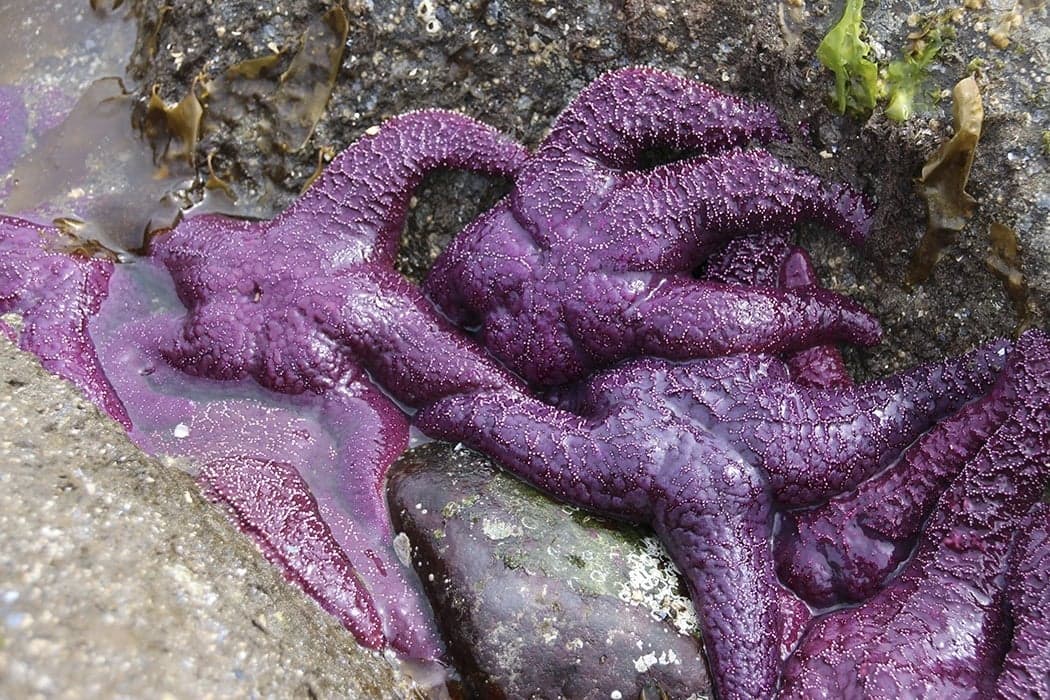
The concept of keystone species—organisms that have disproportionately large impacts on their ecosystems—was discovered through studies of purple sea stars in Pacific tidepools.
Findings

Additional insights we found via JSTOR

  1. In the 1960s, ecologist Robert Paine removed Pisaster ochraceus from a set of tide pools, causing the environment to be overrun by mussels and barnacles that the sea stars had previously fed on, crowding out almost all other species in the ecosystem.

  2. While Pisaster ochraceus is not a predator of all organisms at the northwestern tip of the Olympic Peninsula in Washington State, the sea stars' control of mussel and barnacle populations sustains greater biodiversity in the area, thus qualifying it as a keystone species.

  3. The term "keystone" was used to describe organisms with an outsized impact on their ecosystem because the removal of the small, wedge-shaped slab at the top of an arch causes the entire structure to collapse.

Similar Posts

Showing 1440 posts similar to The concept of keystone species—organisms that have disproportionately large impacts on their ecosystems—was discovered through studies of purple sea stars in Pacific tidepools.

You've reached the end.