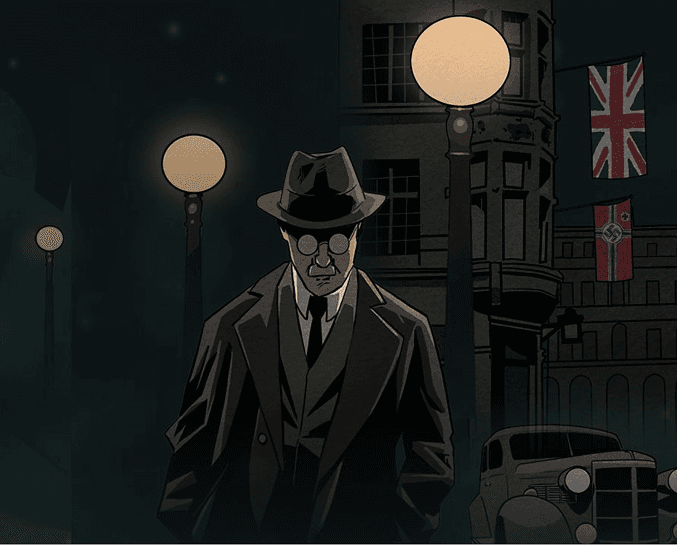
Posted by Jeremy CronigAug 10European leaders pursued appeasement of Hitler in the 1930s, hoping to avoid war.Show 3 more findingsThe British Policy of Appeasement toward Hitler and Nazi Germany | Holocaust Encyclopediahttps://encyclopedia.ushmm.org/content/en/article/neville-chamberlain
Posted by Meher QazilbashAug 5, 2025The Nazis and Soviets agreed to a non‑aggression pact in 1939On August 23, 1939, Nazi Germany and the Soviet Union signed the Molotov–Ribbentrop Pact—a public commitment to not attack each other combined with a secret agreement dividing Eastern Europe into spheres of influence. This pact enabled Germany to invade Poland unopposed from the east and delayed conflict with the USSR until June 1941. 2:35The Molotov-Ribbentrop Pact - History Matters (Short Animated Documentary)https://www.youtube.com/watch?v=iCXaC0TVDbY
Posted by Meher QazilbashMar 6, 2025Champagne played a role in resisting the NazisWhen France surrendered to the Nazis in 1940, the invaders occupied the north. This was home to wine regions like Champagne and Bordeaux, which the Nazis were eager to loot. Winemakers took a stand by sheltering dissidents in their cellars, passing intelligence across borders, and even giving their lives to the cause.How French winemakers outwitted the NazisBBChttps://www.bbc.com/travel/article/20240605-how-french-winemakers-outwitted-the-nazis
Posted by Teddy BurkhardtJun 30How the Great Depression and end of WWI paved the way for Hitler's rise to powerThe end of WWI was triggered by an armistice that blamed the conflict on Germany and required the financially struggling country to pay reparations. This outraged nationalists and ignited conspiracies that Hitler was able to capitalize on, according to this six-minute video. It was during this financial strain that the Great Depression hit. 5:37How did Hitler rise to power? - Alex Gendler and Anthony HazardTED-Edhttps://www.youtube.com/watch?v=jFICRFKtAc4
Posted by Teddy BurkhardtOct 9, 2025Wartime conferences exposed cracks in the US–Soviet allianceAt the Tehran, Yalta and Potsdam Conferences, Allied leaders coordinated WWII strategy—but deep disagreements over postwar Europe foreshadowed the Cold War. The USSR’s push for influence in Eastern Europe clashed with US and British calls for self-determination. 13:13The Big Three Conferences | Tehran, Yalta, Potsdam | WW2 Ends, Cold War Beginshttps://www.youtube.com/watch?v=q3mRScGa0f0
Posted by Meher QazilbashAug 5, 2025The “Phoney War” was an eight‑month build-up to warFrom September 1939 to May 1940, following their war declaration on Germany, Britain and France entered a phase of military inaction—even as civil defence measures, naval blockades, and rationing intensified at home. Skirmishes were limited, but the decisive fighting didn't begin until Germany invaded Norway and France in April–May 1940, abruptly ending the uneasy stalemate.Britain's 'Phoney' Start To The Second World WarImperial War Museumshttps://www.iwm.org.uk/history/britains-phoney-start-to-the-second-world-war
Posted by Meher QazilbashAug 5, 2025British Prime Minister Churchill’s speeches rallied the nation Winston Churchill’s impassioned wartime oratory united Britain’s resolve, transforming fear into defiance and forging a path to continued resistance against Nazi aggression. 5:28THEIR FINEST HOUR speech by Winston Churchill [BEST SOUND]https://www.youtube.com/watch?v=6jjhxeHIjvU
Posted by Teddy BurkhardtNov 10, 2023The story of Hitler's first—failed—attempt to takeover GermanyInfamous Nazi leader Adolf Hitler was appointed chancellor of Germany in 1933 after his party won the majority of seats in the country's parliament, the Reichstag. His seemingly legitimate rise to power was actually his second attempt to lead Germany after his failed coup attempt in 1923 which saw him jailed for nine months. Here's the story of that failed putsch, which took place a century ago.The Munich Beer Hall Putsch | HistoryExtraHistoryExtrahttps://www.historyextra.com/period/20th-century/munich-beer-hall-putsch/
Posted by Meher QazilbashAug 5, 2025There were dozens of attempts to assassinate Hitler—most famously Operation Valkyrie in July 1944Across his reign, Hitler survived at least 40 plotted and actual assassination attempts, ranging from lone actors in beer halls to organized military conspiracies. The most notable, Operation Valkyrie on July 20, 1944, led by Colonel Claus von Stauffenberg, planted a bomb at the Wolf’s Lair in an effort to kill Hitler and overthrow the Nazi regime. Though the explosion injured several, Hitler escaped with minor wounds, prompting a brutal purge of conspirators.Operation Valkyrie: The Attempted Assassination of Hitler | Dan Snow's History HitThe Economisthttps://shows.acast.com/dansnowshistoryhit/episodes/operation-valkyrie-the-attempted-assassination-of-hitler
Posted by Phoebe BainMay 27Adolf Hitler deeply admired Henry Ford, citing him as an inspiration for "Mein Kampf"Hitler frequently praised Ford's anti-semitic viewpoints, both before and during the Holocaust. While Ford denied being sympathetic to the Nazi regime, Hitler kept a portrait of Ford on his desk, and Ford accepted the highest military award available to a foreign citizen from the Nazi government.https://encyclopedia.ushmm.org/content/en/article/antisemitism-and-henry-fords-international-jew#:~:text=Influence%20of%20Ford's%20Antisemitism%20in%20the%20United%20States%20and%20Germany&text=Ford%20shut%20down%20The%20Dearborn,States%20and%20Europe%2C%20especially%20Germany
Posted by Meher QazilbashAug 5, 2025Germany’s invasion of Poland in 1939 launched World War IIOn September 1, 1939, Nazi Germany launched a surprise invasion of Poland using blitzkrieg—coordinated air bombardments and armored assaults—to overwhelm Polish defenses within weeks. This lightning-strike strategy shocked the world and signaled both the start of World War II and a revolutionary shift in modern military tactics. 7:04WWII: Poland Surrenders - 1939 | Today in History | 27 Sept 16https://www.youtube.com/watch?v=TRgKrlIoZuY
Posted by Teddy BurkhardtDec 31, 2025Some senior Nazis fled to South America and lived for decadesUsing so-called "ratlines" through Spain, Italy, and into South American countries like Argentina, many of Adolf Hitler's closest associates evaded capture after the fall of Berlin in 1945. This video details the fate of eight, including infamous doctor Josef Mengele and logistics expert Adolf Eichmann. 9:29Why Did So Many Nazi Officers Escape to Argentina After World War 2?https://www.youtube.com/watch?v=rYAB9VYtie4
Posted by Kevin KearneyApr 10The Bauhaus artists who became Nazi collaboratorsThe Nazis deplored the Bauhaus style, until they found a way to use it for themselves. This deep dive explores the connection between the Nazis and three Bauhaus-affiliated designers—Franz Ehrlich, who was sent to Buchenwald and forced to design the camp's gates (seen below), Fritz Ertl, who designed the shower rooms at Auschwitz, and Herbert Bayer, who helped design Third Reich propaganda.https://www.abc.net.au/news/2019-03-30/nazis-shut-down-the-bauhaus-but-design-school-legacy-lived-on/10947778
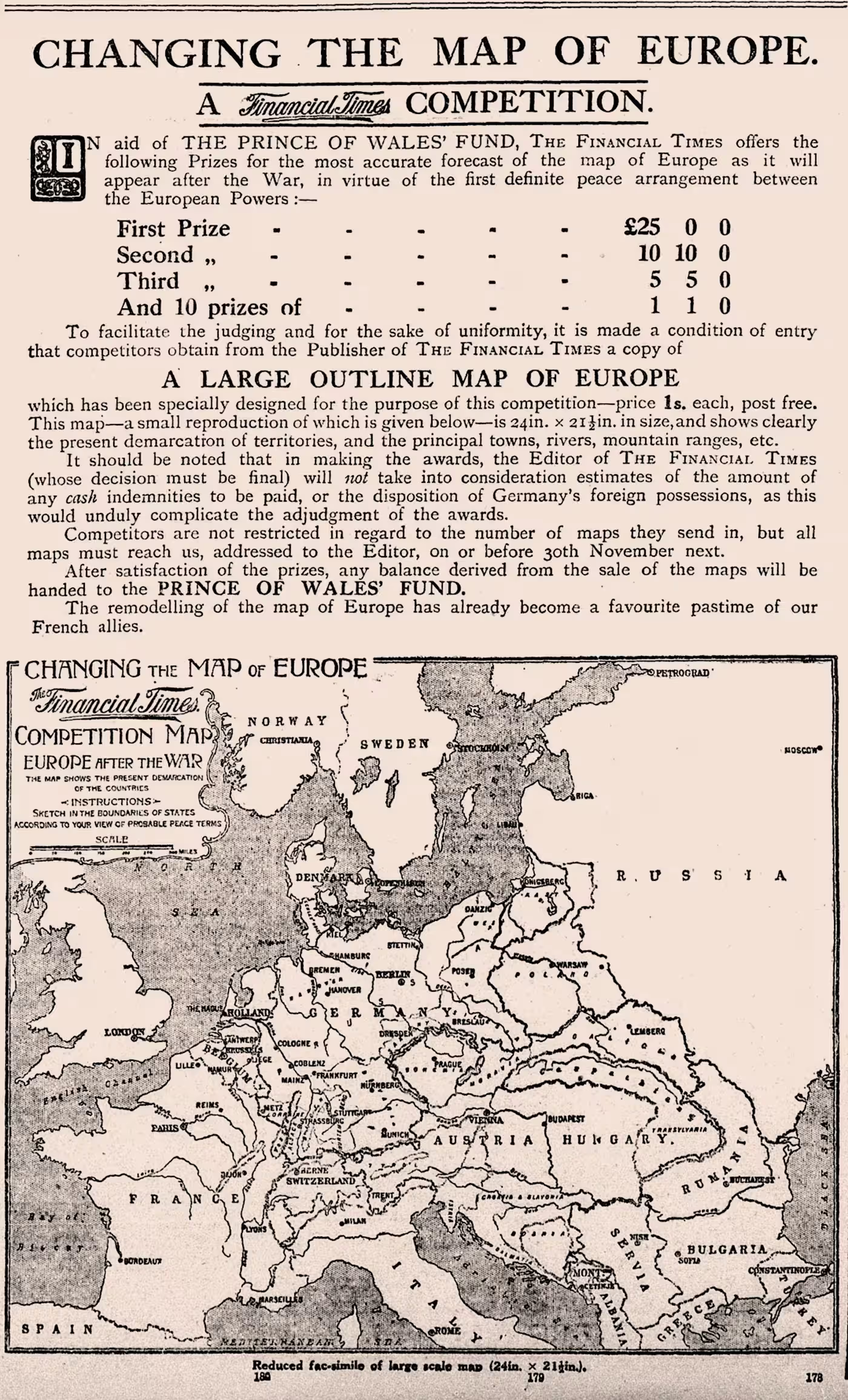
Posted by Meher QazilbashAug 10The treaty that ended the First World War laid the groundwork for the Second.Show 3 more findingsHow the Treaty of Versailles and German Guilt Led to World War II | HISTORYHISTORYhttps://www.history.com/articles/treaty-of-versailles-world-war-ii-german-guilt-effects
Posted by Meher QazilbashAug 5, 2025Germany’s surprise offensive in December 1944 failed to break Allied linesIn a bold counterattack from December 16, 1944, to January 28, 1945, Hitler committed over 400,000 troops in a surprise “Bulge” through the Ardennes forest in France. Although initially successful in creating a 50‑mile incursion, Allied defense halted the advance. German forces suffered irrecoverable losses (~100,000), while Allied casualties totaled ~75,000, marking the offensive as the last major German gamble and a decisive step toward Nazi defeat. 3:02World War II in HD: Battle of the Bulge | HistoryHISTORYhttps://www.youtube.com/watch?v=8a8fqGpHgsk
Posted by Teddy BurkhardtDec 3, 2025Hitler declared war on the United States four days after Pearl HarborDespite having no treaty obligation to join Japan’s fight, Hitler declared war on the US on Dec. 11, 1941. The move pulled America into the European theater and is widely seen as one of Hitler’s most strategic blunders.Hitler’s Declaration of War on the United Stateshttps://www.nationalww2museum.org/war/articles/hitlers-declaration-war-united-states
Posted by Jeremy CronigApr 13The failures of the interwar period made the case for a new international systemAfter World War I, countries devalued their currencies, raised tariffs to block imports, and seized territory unchecked, with the international community unable to organize effectively to stop them. The result was a global depression and, eventually, another world war.Council on Foreign Relationshttps://education.cfr.org/learn/reading/why-did-world-war-ii-happen
Posted by Jeremy CronigApr 14The Concert of Europe was an earlier attempt to manage great power relations through shared rulesAfter the Napoleonic wars, European powers established a system of regular consultation to manage conflicts and maintain the balance of power. It offered relative stability for nearly a century before deteriorating.TheCollectorhttps://www.thecollector.com/what-was-the-concert-of-europe/
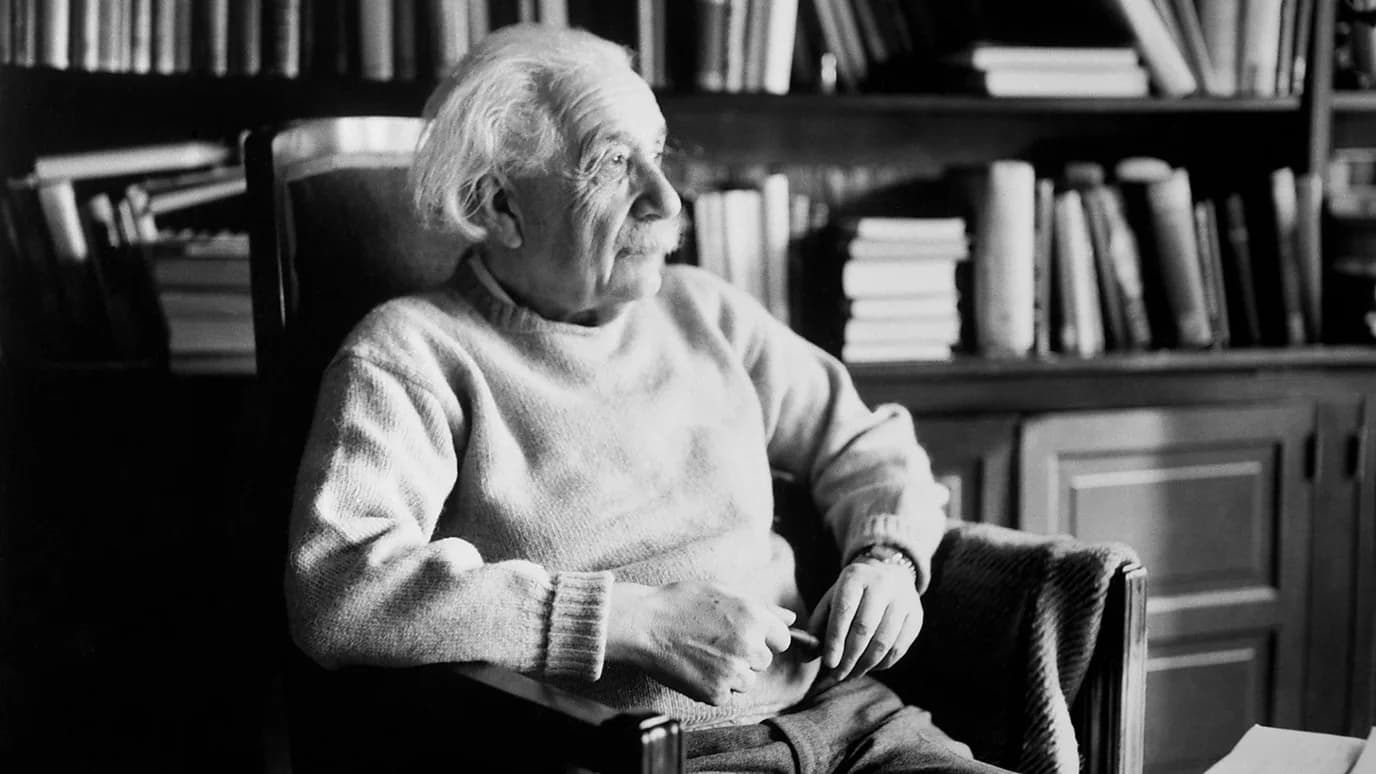
Posted by Drew SteigerwaldJul 14Worried that Nazi Germany could weaponize nuclear fission first, Albert Einstein wrote a 1939 letter warning President Roosevelt about the possibility of atomic bombs—a decision he later regretted.Show 4 more findings Zoom‘It was the one great mistake in my life’: The letter from Einstein that ushered in the age of the atomic bombBBChttps://www.bbc.com/culture/article/20240801-it-was-the-one-great-mistake-in-my-life-the-letter-from-einstein-that-ushered-in-the-age-of-the-atomic-bomb
Posted by Meher QazilbashAug 5, 2025The Holocaust was the systematic, state‑sponsored genocide of 6 million European JewsBetween 1933 and 1945, Nazi Germany and its collaborators implemented the “Final Solution”: a state-engineered campaign of antisemitic persecution and mass murder. By the end, two-thirds of Europe’s Jews—approximately 6 million individuals—had been exterminated through ghettos, mass shootings, and extermination camps.Introduction to the Holocaust: What was the Holocaust? | Holocaust Encyclopediahttps://encyclopedia.ushmm.org/content/en/article/introduction-to-the-holocaust
Posted by Teddy BurkhardtNov 5, 2025One US psychiatrist at Nuremberg viewed top Nazis like Göring as normalThe surviving leaders of the Nazi movement had overseen a catastrophic war and the cruel extermination of millions. US psychiatrist Douglas Kelley evaluated the 22 men ahead of their infamous trials, viewing them as intelligent, cultured men without a moral compass. Kelley would later die by suicide.How a Psychiatrist at Nuremberg Got Inside the Nazi MindHISTORYhttps://www.history.com/articles/nuremberg-psychiatrist-douglas-kelley-nazis-goring
Posted by Meher QazilbashAug 5, 2025In 13 years, Hitler transformed a fringe sect into Germany’s dominant political forceThe BBC Radio 4 podcast Nazis: The Road to Power chronicles Hitler’s meteoric rise—from fewer than 100 followers in 1910s Bavaria to absolute control by 1933—highlighting key conspiracies, political deals, brutal street violence, and forgotten figures that paved the way for Nazi tyranny.Nazis: The Road to Powerhttps://open.spotify.com/show/0M3ioWXPLOTXuuGRRuxnrC
Posted by Teddy BurkhardtMay 31, 2022How failures at Versailles Conference led to more racial inequalitySuffering a pandemic and the aftermath of a war that killed 50 million, the world in 1920 faced a turning point as it negotiated a new political order. As today, the key issue was racial inequality.How the failures of the 1919 Versailles Peace Treaty set the stage for today’s anti-racist uprisingsThe Conversationhttp://theconversation.com/how-the-failures-of-the-1919-versailles-peace-treaty-set-the-stage-for-todays-anti-racist-uprisings-140143
Posted by Teddy BurkhardtDec 6, 2023The WWII passport forgers who saved thousands of Jewish livesAmid the chaos of Hitler's authoritarian Europe in World War II, Polish diplomats based in Switzerland used the classic toolkit of thieves to help free thousands of Jews: they perfected the art of forgery, faking passports secretly donated by sympathetic Latin American countries. Read the incredible tale of heroism here.The Master Forgers Who Saved Thousands of Lives During World War IIAtlas Obscurahttp://www.atlasobscura.com/articles/column-forged-passports-world-war-ii
Posted by Kevin KearneyAug 21'Casablanca,' the iconic World War II-era film, was recut for its German release, with all references to the Nazis removed.Show 4 more findingsWhat's 'Casablanca' Without Nazis? After WWII, German Audiences Found OutNPRhttps://www.npr.org/2017/12/17/565777766/whats-casablanca-without-nazis-after-wwii-german-audiences-found-out
Posted by Meher QazilbashAug 5, 2025The Nazi Party was founded in Germany in 1920 and tried a failed coup in 1923Founded in Germany in February 1920, the National Socialist German Workers’ Party (Nazi Party) attempted its first major power grab in 1923 with the Beer Hall Putsch—a failed coup in Munich that killed about 16 Nazis and four police officers, led to Hitler’s arrest and treason trial, but ultimately elevated his public profile.The Nazi Party | Holocaust Encyclopediahttps://encyclopedia.ushmm.org/content/en/article/the-nazi-party-1
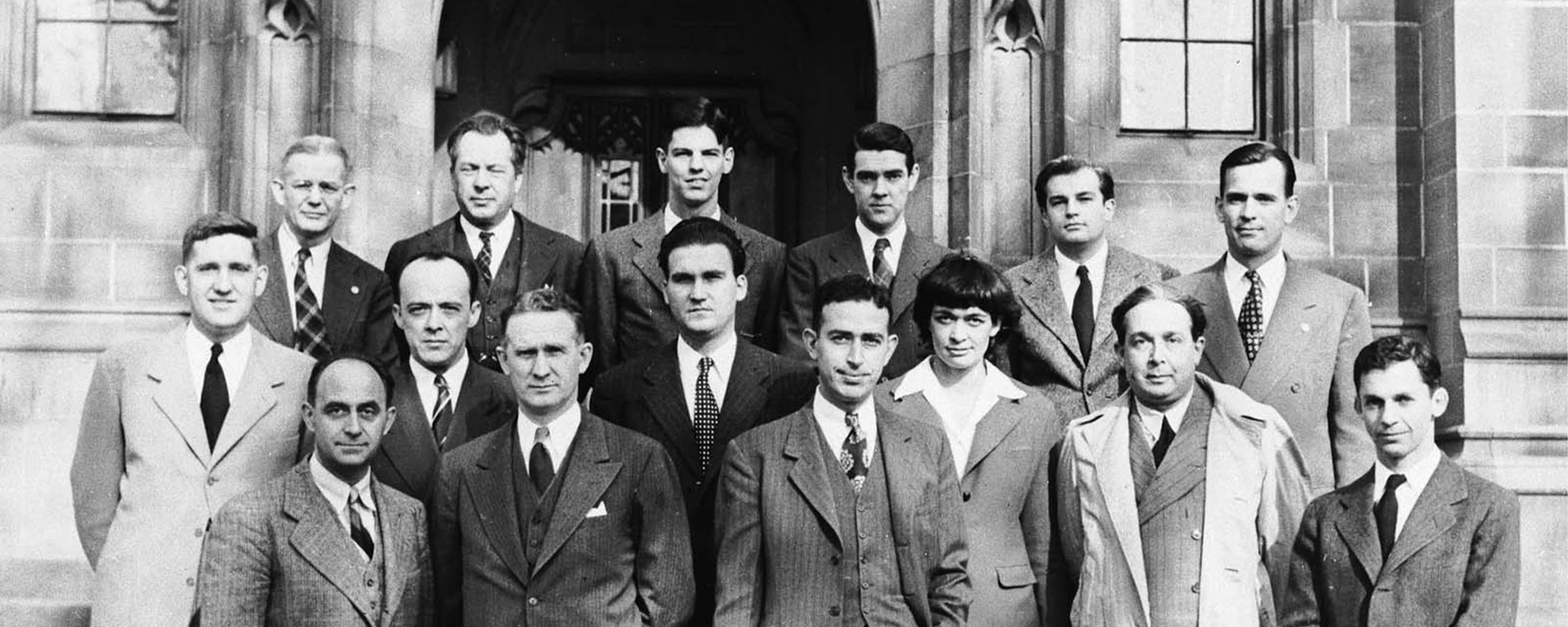
Posted by Drew SteigerwaldJul 14Meet the scientists who worked on the Manhattan Project.Show 3 more findings ZoomManhattan Project: People > Scientistshttps://www.osti.gov/opennet/manhattan-project-history/People/Scientists/scientists.html
Posted by Meher QazilbashJan 2, 2025How Audrey Hepburn became a spy during the Nazi occupationDespite her status as one of Hollywood’s most beloved actresses, Audrey Hepburn experienced a war-torn childhood in Europe that few people know about. During her upbringing in the Netherlands, the Nazi occupation caused Hepburn to quit her life as a ballerina and made her family go hungry. In the face of adversity, Hepburn bravely carried messages for the Dutch resistance. Learn more about the star’s compelling life before finding fame.‘She believed you have to take sides’: How Audrey Hepburn became a secret spy during World War TwoBBChttps://www.bbc.com/culture/article/20241231-how-audrey-hepburn-became-a-secret-spy-during-world-war-two
Posted by Meher QazilbashAug 5, 2025How two US Presidents defined WWII and its aftermathThe National WWII Museum’s “To the Best of My Ability” podcast series delves into how Presidents Franklin D. Roosevelt and Harry S. Truman steered the US through World War Two."To the Best of My Ability"https://www.nationalww2museum.org/war/podcasts/best-my-ability-podcast
Posted by August MoonJan 14, 2025US secrets: Project PaperclipThe US launched Project Paperclip in 1946, covertly recruiting over 1,500 German scientists to advance American military and space programs. Among them was Wernher von Braun, a key architect of the V-2 rocket who later became instrumental in NASA’s Apollo missions. While these scientists accelerated technological breakthroughs, their recruitment raised moral debates about overlooking wartime affiliations in the name of progress—questions that remain unresolved today. 1:04US Secrets: Project Paperclip1440 Originalshttps://youtube.com/shorts/MMl238ixajw
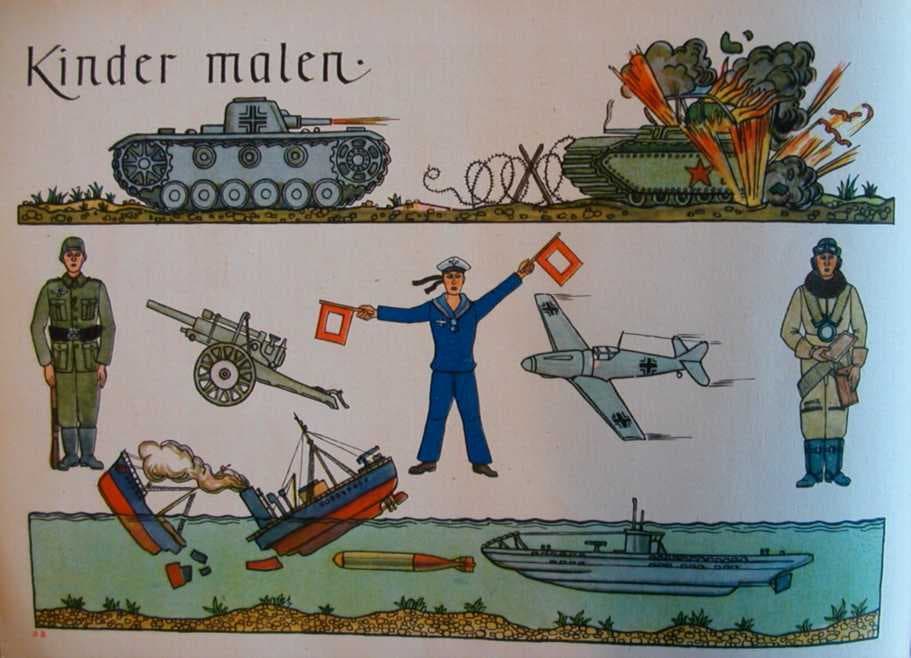
Posted by Teddy BurkhardtNov 25, 2025Nazi Germany replaced Advent calendars with depictions of family life under Nazi ruleDuring World War II, the Nazi regime banned printed Advent calendars because of religious messaging. Officials instead produced state-approved versions featuring swastikas, tanks, and Nazi symbols. ZoomNazi Material for Advent 1943https://research.calvin.edu/german-propaganda-archive/vorweihnachten1943.htm
Posted by Teddy BurkhardtAug 21Japan's imperial expansion in Asia in the 1930s set the stage for war with the US., Show 2 more findings 4:37History Brief: The Rise of Imperial Japanhttps://www.youtube.com/watch?v=uuO2W6ZlMsk
Posted by Teddy BurkhardtOct 9, 2025Churchill’s 1946 ‘Iron Curtain’ speech warned of growing Soviet dominationIn a 1946 speech, Winston Churchill declared that an “Iron Curtain” had descended across Europe—dividing East from West. The address marked one of the first public acknowledgments of the emerging Cold War and coined the term that would define the conflict. 5:26Churchill's Iron Curtain Speech - 1946 | Today In History | 5 Mar 17https://www.youtube.com/watch?v=X2FM3_h33Tg
Posted by Teddy BurkhardtOct 9, 2025The Marshall Plan aimed to rebuild Europe and limit Soviet influenceLaunched in 1948, the Marshall Plan provided over $12B (roughly $150B today) in US aid to help rebuild Western Europe. While framed as economic recovery, it also served as a Cold War tool—tying countries to the US and excluding the Soviet bloc. 3:17What Was the Marshall Plan? | HistoryHISTORYhttps://www.youtube.com/watch?v=tMXjsVLOznc
Posted by Meher QazilbashAug 5, 2025Before Pearl Harbor, the US was a nonbelligerent ally to the Allied powersBetween September 1940 and December 7, 1941, the United States remained officially neutral—yet President Roosevelt incrementally shifted policy from “cash‑and‑carry” to Lend‑Lease, funneling critical military aid to Britain and other allies without entering the war.Milestones in the History of U.S. Foreign Relations - Office of the Historianhttps://history.state.gov/milestones/1937-1945/lend-lease
Posted by Kevin KearneyApr 10Why the Nazis hated the Bauhaus styleThe Nazis viewed the Bauhaus internationalist and collectivist philosophy to be communist and considered its modernist aesthetic as an affront to the more classical German identity they wished to project. This article from the Conversation explores the history behind that conflict, which forced the Bauhaus to move several times before ultimately closing.The Conversationhttps://theconversation.com/why-germanys-far-right-hates-the-bauhaus-movement-250416
Posted by Teddy BurkhardtMar 2, 2023A map of WWII refugees and their storiesTrace the paths of different people and families on this interactive map as they made their escape from the Nazi regime. Primary and secondary sources like letters, documents, memoirs and diaries, photos, interviews, and news clippings showed how many found a path to freedom, from the Kindertransport to individual stories.Documents from the Wiener Holocaust Libraryhttps://www.refugeemap.org/map
Posted by Meher QazilbashAug 5, 2025Hitler's 1941 invasion of the USSR doomed Nazi Germany Hitler unleashed Operation Barbarossa on June 22, 1941, underestimating Soviet resilience, Russian winter, and logistics. His overconfidence—rooted in early victories like France—turned this campaign into a strategic catastrophe, shifting the war’s momentum irreversibly—often cited as his greatest blunder. 9:41Operation Barbarossa: Hitler's failed invasion of the USSRImperial War Museumshttps://www.youtube.com/watch?v=gr_-HjefPi0
Posted by Teddy BurkhardtAug 28, 2025Rewrite 1930s Germany with this alternative history game of politicsYou are at the head of the Social Democratic Party in Germany in 1928 and must use parliamentary politics, the media, and more to oppose the ascendant National Socialists. This text-based, narrative simulation becomes a lesson in the complexities of political history.Social Democracy: An Alternate History by Autumn Chenhttps://red-autumn.itch.io/social-democracy
Posted by Teddy BurkhardtMay 11, 2022Why wasn't German emperor Kaiser Wilhelm punished for starting WWI?The accusations were explosive: a head of state had not only begun an illegal war, but egged his troops on to a series of horrific atrocities that leftWhy Kaiser Wilhelm Was Never Tried for Starting World War IHISTORYhttps://www.history.com/news/wwi-kaiser-wilhelm-war-crimes-leipzig-trial