When Niagara Falls stopped flowing
In 1969, engineers stopped Niagara Falls for the first time in 12,000 years to prevent erosion revealing hidden coins, boulders, and a rare dry view before restoring its roa

Niagara Falls is a group of three massive waterfalls—Horseshoe Falls, American Falls, and Bridal Veil Falls—located on the border between Ontario, Canada, and New York. Formed at the end of the last ice age, the falls are part of the Niagara River, which connects Lake Erie to Lake Ontario and serves as a natural boundary between the two countries.
Hours of research by our editors, distilled into minutes of clarity.
In 1969, engineers stopped Niagara Falls for the first time in 12,000 years to prevent erosion revealing hidden coins, boulders, and a rare dry view before restoring its roa

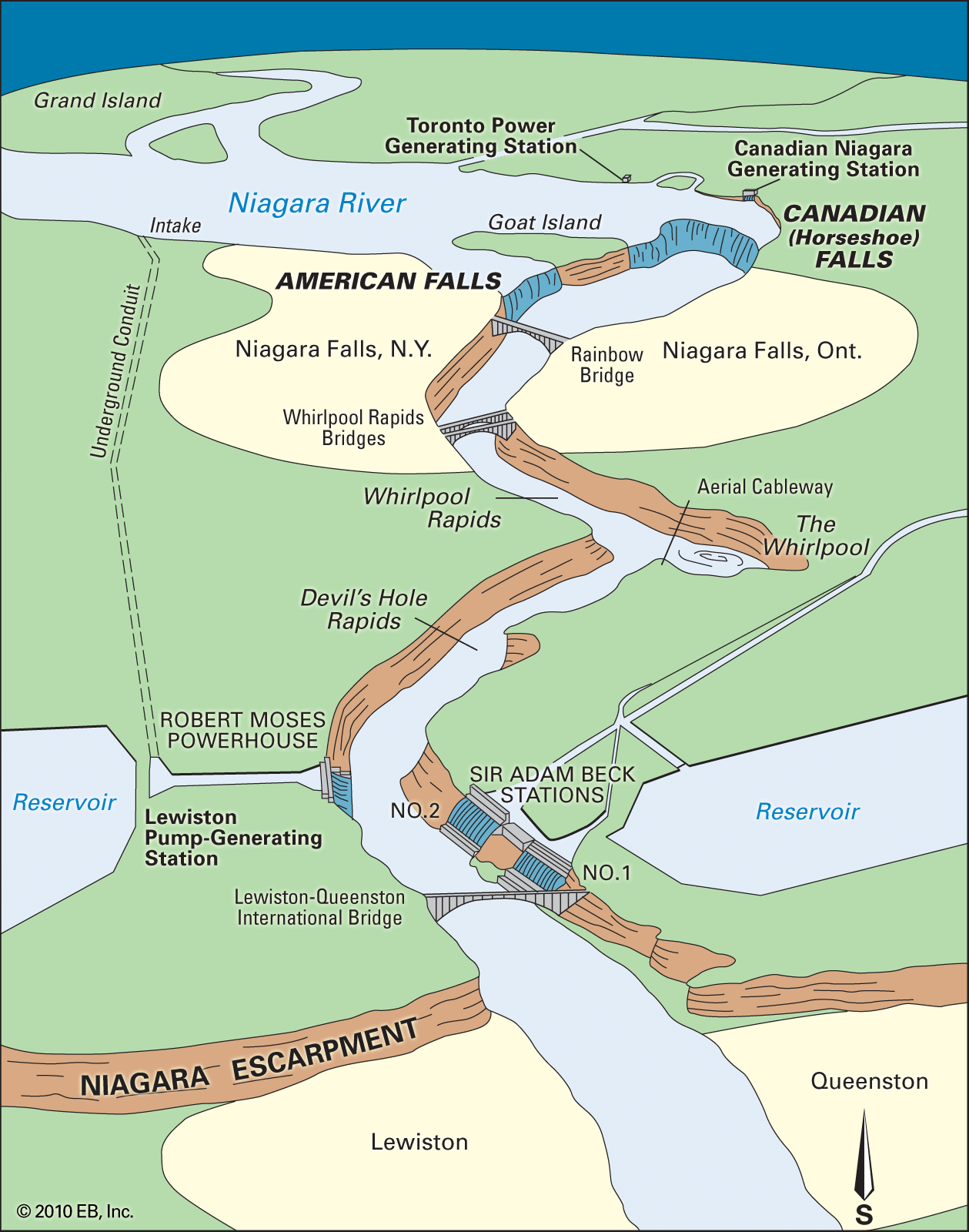
The famous landmark is made up of the American, Canadian, and Bridal Veil falls. Of the three, Bridal Veil is the smallest and forms the other boundary of a small slice of area known as Luna Island, where tourists can view the scene.

Niagara Falls is powered by water from Lakes Superior, Michigan, Huron, and Erie. The Great Lakes basin spans over 260,000 square miles and holds nearly 20% of the world’s surface freshwater—about two-thirds of which passes over the falls.
Niagara Falls’ dramatic whirlpool rapids were created in a matter of weeks when the retreating Falls intersected a buried ice age riverbed—generating North America's largest standing waves.
Before her 1901 plunge over Niagara Falls, Annie Edson Taylor sent her cat inside a barrel as a test. The cat survived—and later posed with her in post-stunt photos.
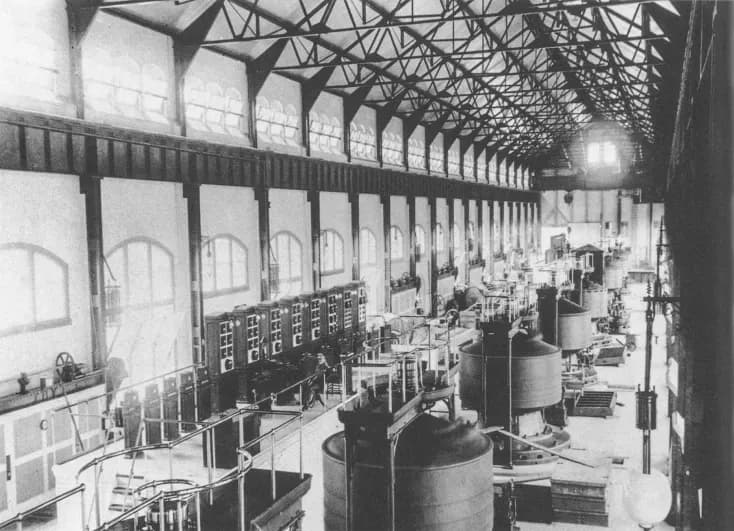
Tesla's AC system at Niagara Falls was so successful that electricity generated there lit up Broadway theaters and powered NYC’s subway system in the early 1900s.
In 1930, George Stathakis died attempting a barrel stunt over the falls—but his 150-year-old pet turtle "Sonny" survived 24 hours trapped behind the cascade.
Constant mist from the Falls produces localized weather effects, including rare ice formations that can rise over 100 feet high in winter.
In June 1969, the US Army Corps of Engineers diverted the Niagara River to halt flow over the American Falls. The dry riverbed allowed geologists to study erosion and remove dangerous rock buildup.
At its current erosion rate of roughly one foot per year, Niagara Falls is expected to retreat all the way to Lake Erie in about 50,000 years.
Weave together the many narratives of world history with our highly curated and expanding selection of diverse, fascinating resources designed to showcase the breadth and richness of Earth's story, from the earliest traces of human civilization to the dramatic developments of contemporary cultures.