Wright Brothers
Overview
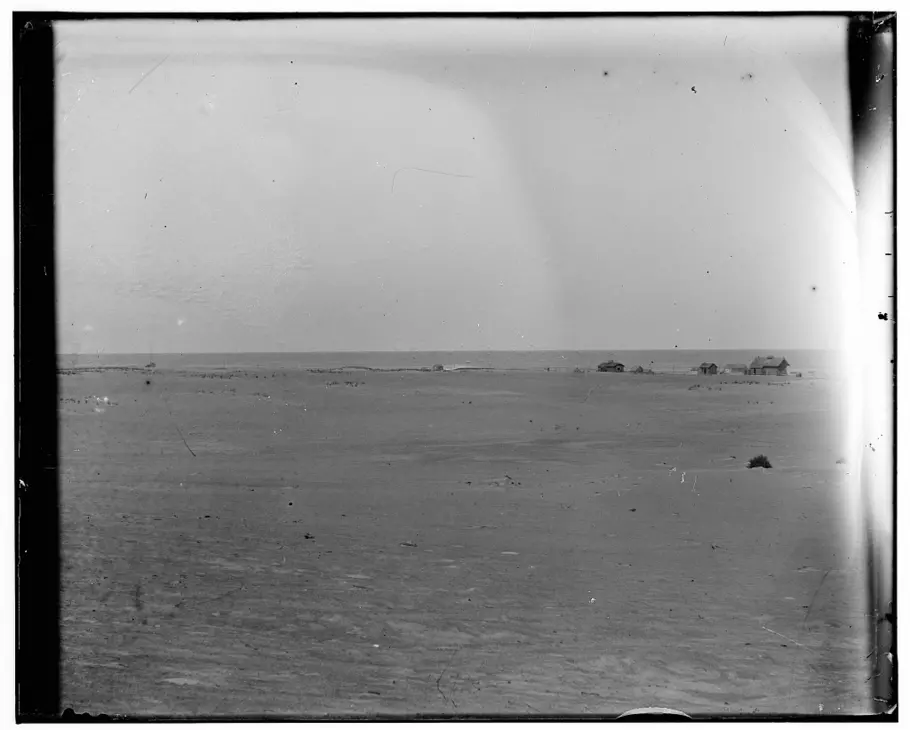
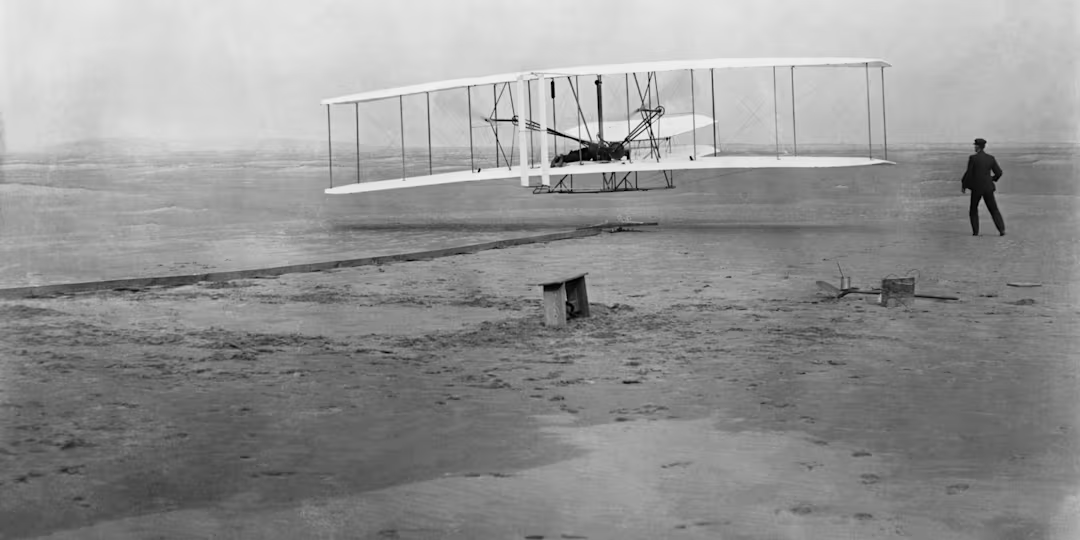
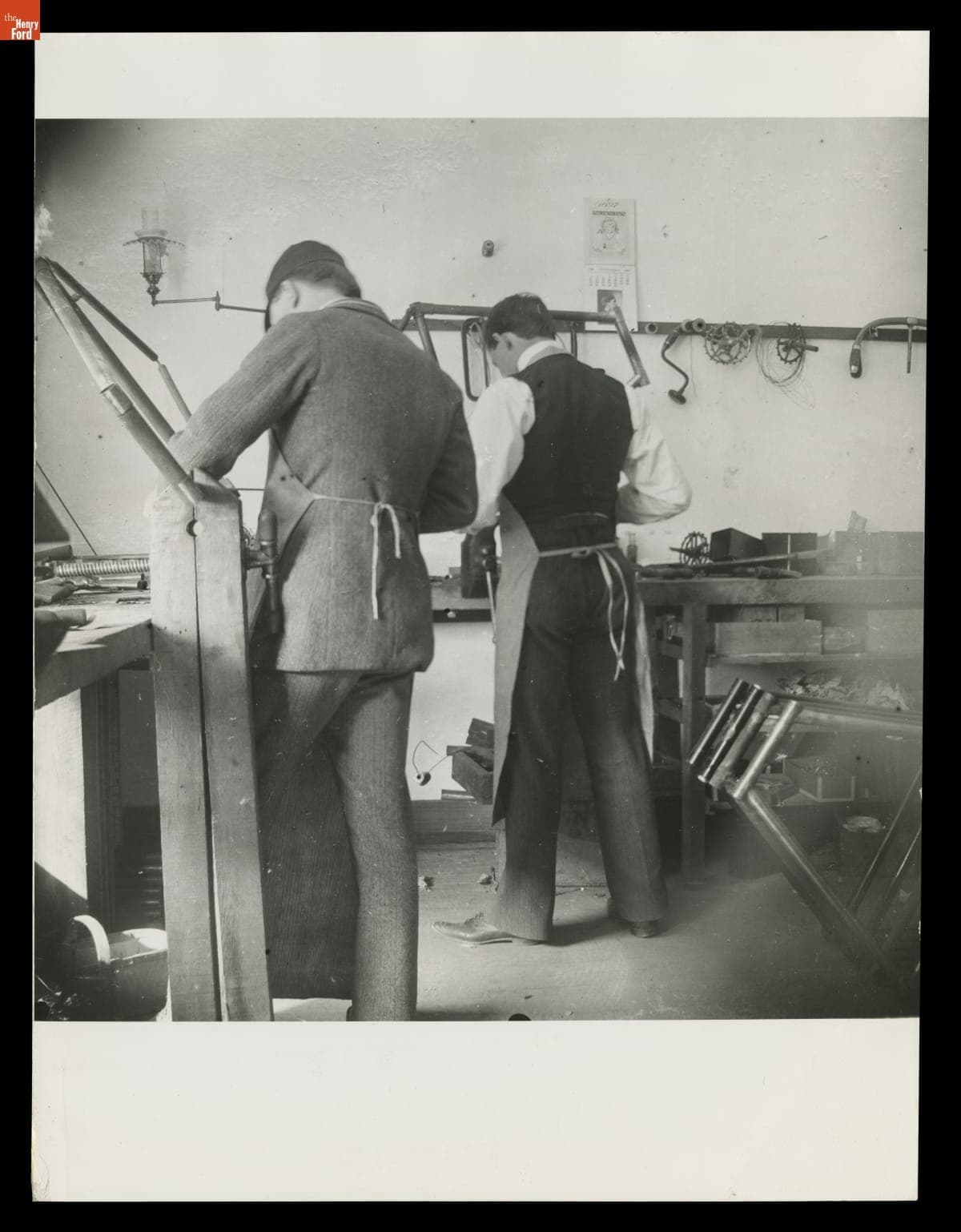
Brothers Wilbur and Orville Wright are credited with creating and flying the world’s first heavier-than-air, controlled, crewed aircraft. One-time bicycle mechanics with only some public high school education, the two made history in Kitty Hawk, North Carolina, on Dec. 17, 1903, when they successfully flew a 600-pound, 40-foot-wide plane over 120 feet in 12 seconds under its own power.
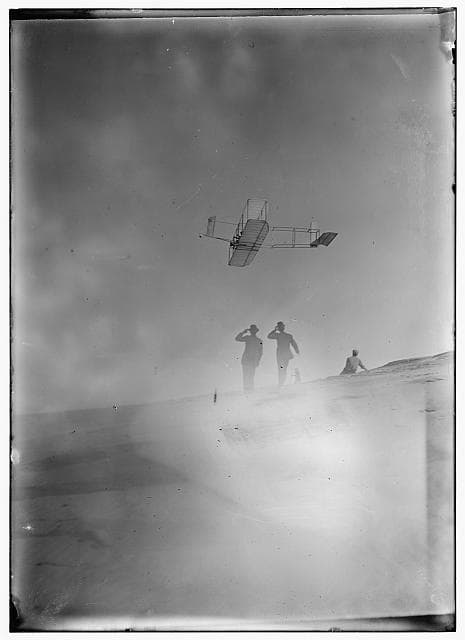
Building on the work of gliding pioneers, the pair invented the three-axis control system—a standard in aircraft today—to control the plane’s flight at every stage, allowing pilots to direct movement from nose to tail (roll), wing to wing (pitch), and top to bottom (yaw). Their scientific, documented approach to aviation pioneered the use of wind tunnels, aluminum crankcases in engines, and more, laying the foundation for the industry.
Adoption and large-scale production of their airplanes took time, in part because many observers doubted their claims and the practicality of powered flight. In 1908, a series of public demonstration flights in the US and France finally convinced skeptics and brought the Wright brothers international fame, spurring a wave of competitors, imitators, and lawsuits.
1440 Findings
Hours of research by our editors, distilled into minutes of clarity.





Explore World History
Weave together the many narratives of world history with our highly curated and expanding selection of diverse, fascinating resources designed to showcase the breadth and richness of Earth's story, from the earliest traces of human civilization to the dramatic developments of contemporary cultures.