Volcanoes

1440 Findings

Hours of research by our editors, distilled into minutes of clarity.

  • Pinned

    What happens if you throw trash into lava?

    Each year, the world generates more than 2 billion tons of waste. Some have wondered: Could we dispose of it in lava? This video explores the science behind that idea, from lava lake temperatures to steam explosions and toxic emissions, and why the risks outweigh the benefits.
  • Explosive volcanic eruptions happen when magma pressure overcomes rock strength

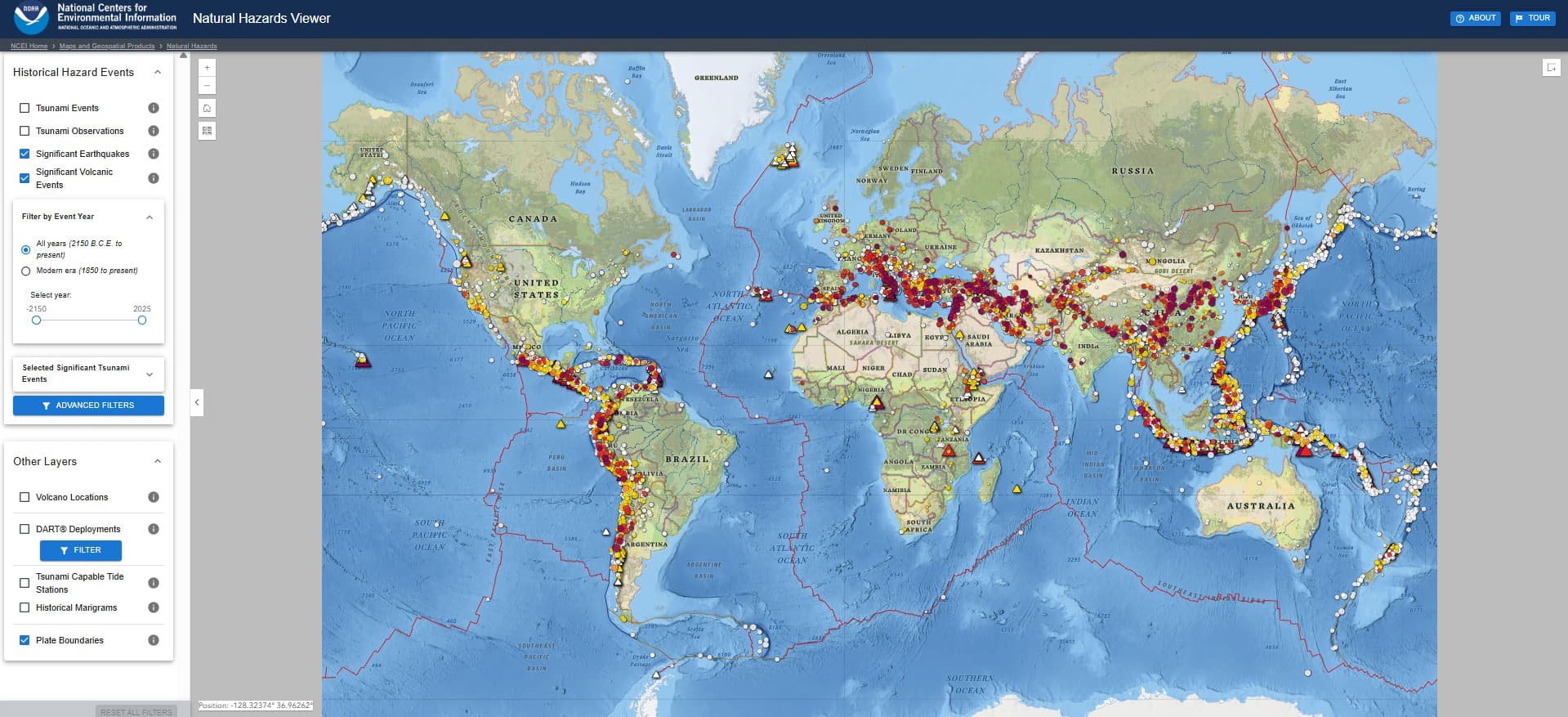
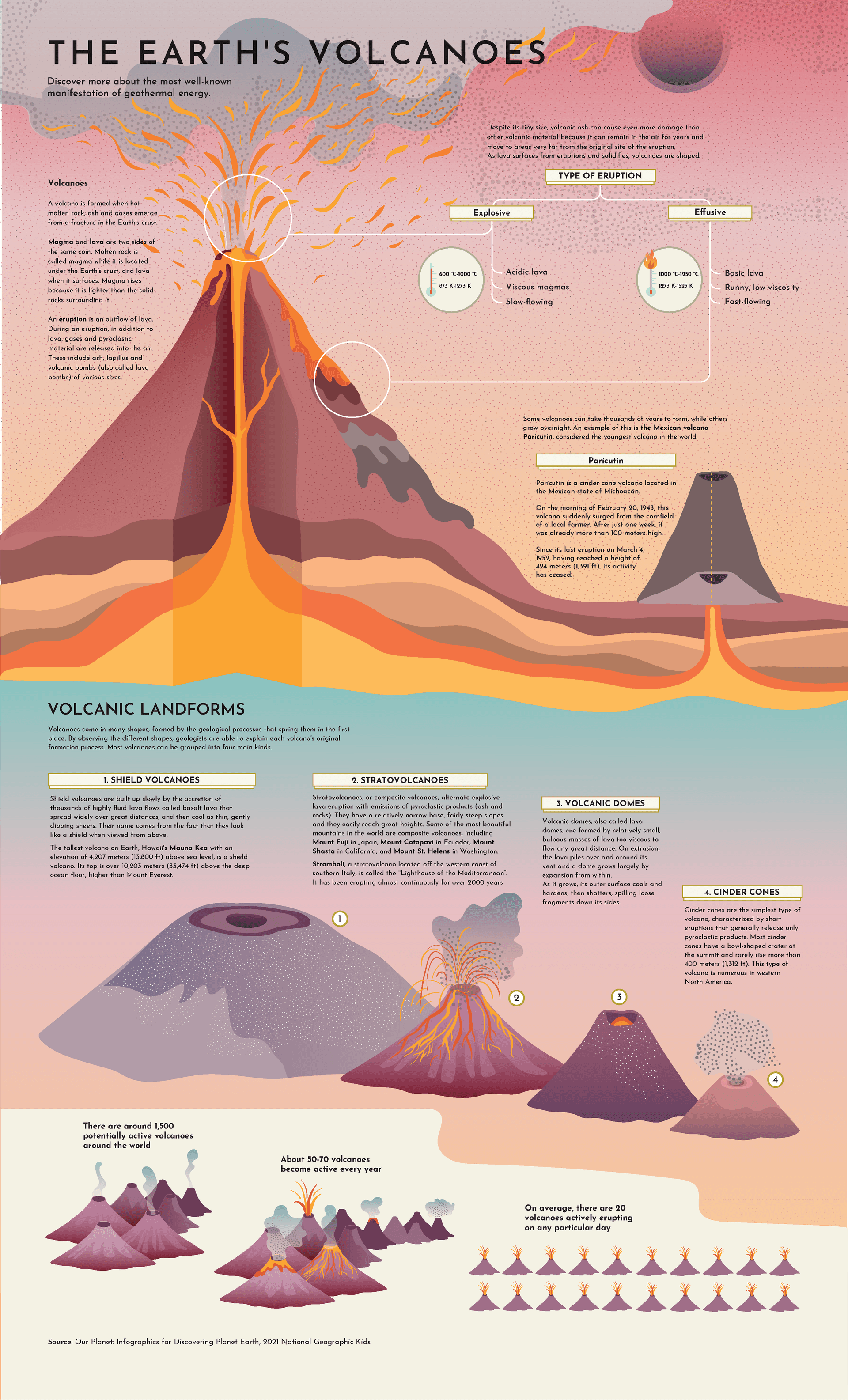
    Magma usually stays underground because of a balance between its upward pressure, the weight of the Earth’s crust above, and the crust’s rock strength. Landslides can reduce crust weight, while built-up gas pressure can strengthen magmastatic pressure.

  • Hawaii formed from oceanic plate movement over a hot spot in the mantle

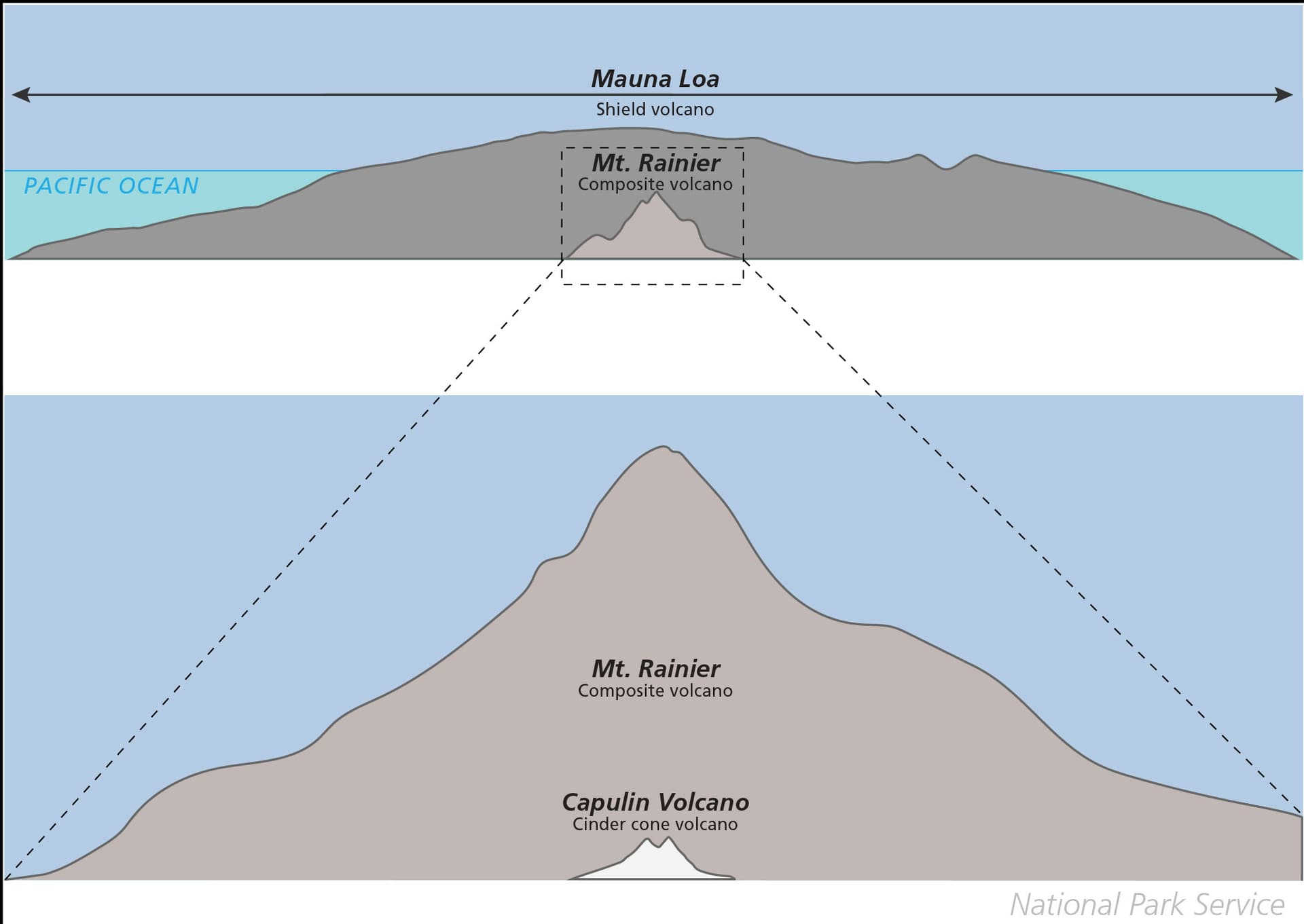
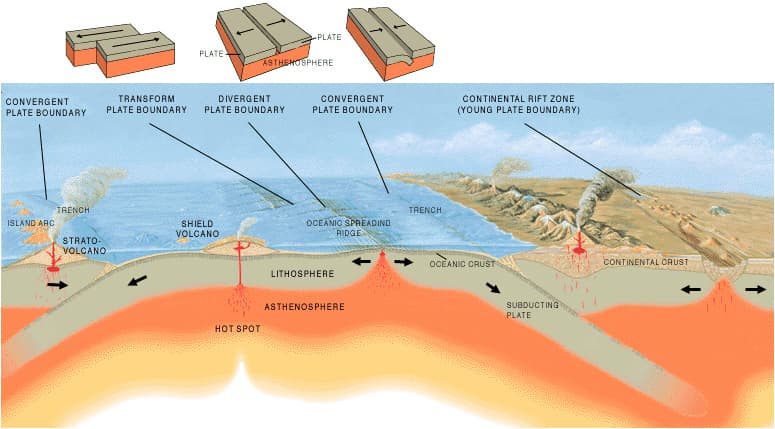
    Abnormally hot magma rose through the crust and emerged from the seafloor, where it cooled and piled onto layers that became tall enough to form an island. As the plate moved, the existing island moved away and a new one formed over the hot spot, repeating for each Hawaiian island.

  • Pyroclastic flows, not lava, are often the deadliest aspect of volcanic eruptions

    Reaching temperatures up to 1,000°C, these “clouds” carry thousands of kilograms of volcanic ash, gas, and rock near the ground away from volcanoes. Research shows these flows achieve speeds as high as 700 kilometers per hour by moving above a lubricating layer of gas.

Explore Science & Technology

Since our ancient human relatives began using stone tools to perform tasks, humans have harnessed scientific knowledge and new technologies to expand the boundaries of our understanding of the natural world. From quantum computing and microplastics to artificial intelligence and memory, explore these topics and more with our concise yet informative overviews and expert-curated resources.

View All Science & Technology