The Novel

Overview

The novel is a literary form that features an extended, fictional prose narrative that typically runs at least 40,000 words. Fans of the novel argue that it is the epitome of literary expression because its unique form allows for empathy in a way that other genres and media do not.

1440 Findings

Hours of research by our editors, distilled into minutes of clarity.

  • Why aren’t students reading?

    It's not just anecdotal: Current students struggle to read longer texts and report lower reading levels for enjoyment than past generations. This brief explainer from the Chronicle of Higher Education diagnoses some of the possible causes (increased screen time and learning loss during the COVID-19 pandemic among them) along with how some educators are trying to correct the problem.
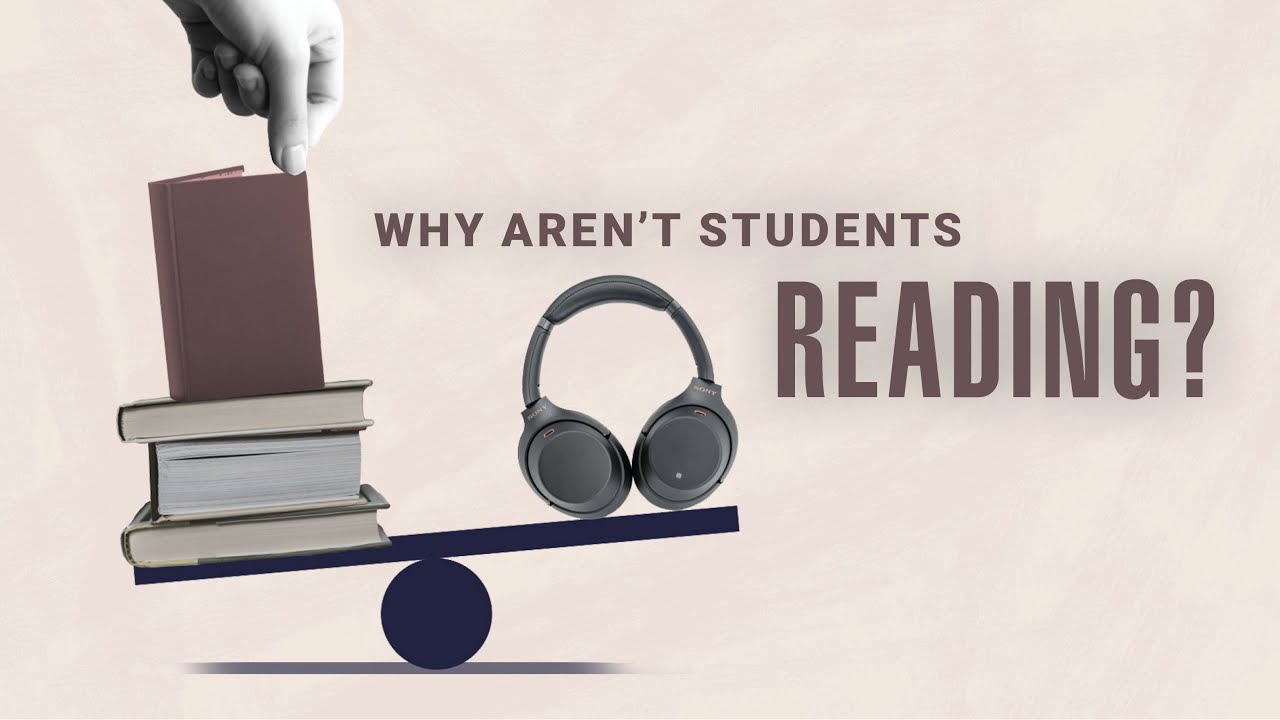
    Video

    Why aren’t students reading?

  • Audit a Yale course on great American novels after 1945

    Wish you'd paid more attention back in college? There's good news: You can still pop into some college classes, without having to pay tuition (or write term papers). This course from one-time Yale professor Amy Hungerford walks through the great American novels after World War II, including works from Toni Morrison, Philip Roth, Cormac McCarthy, and more.

  • Kurt Vonnegut's letter to the school board that banned his book

    In 1973, a high school English teacher in North Dakota taught Kurt Vonnegut's "Slaughterhouse-Five," the classic time-hopping novel about World War II and the bombing of Dresden. The head of the school board was outraged by what he considered to be obscene material in Vonnegut's novel and ordered all of the students' copies of the book burned. When Vonnegut caught wind of those plans, he wrote this letter to the school board, protesting the decision.

  • A literary critic on why classic Russian literature matters

    Gary Saul Morson has spent his life studying Russian writers like Fyodor Dostoevsky and Leo Tolstoy. In this 2022 talk at Hillsdale College, Morson focuses on classic texts like "The Brothers Karamazov" and "War and Peace," suggesting these Russian novels had as much to say about their home country as they did about the larger world. Most importantly, he argues, they still have much to offer modern readers.

  • Five books edited by Toni Morrison

    Early in her literary career, Toni Morrison was an editor for Random House, where she acquired titles and worked with their writers to fine-tune their manuscripts. In 1983, Morrison left to focus on her own books, but she still managed to work on several excellent books. This list of five of those titles helpfully offers some context to highlight the ways Morrison acquired and assisted the writers through publication.

  • Eight ways literature can make us happier

    Novels are often characterized as a form of cultural escape, but psychologists argue there are health benefits to the many elements comprising fiction. The Greek philosopher Aristotle explored this in his "Poetics," asking if literature was something meant to make us happier. This article highlights eight different innovations common to literature that provide psychological benefits, including the plot twist and more.

  • Explore William Faulkner's fictional Mississippi county

    Faulkner famously set his stories and novels in Yoknapatawpha County, a fictional slice of Mississippi based on his home county of Lafayette. This collaboration between an International Team of Faulkner Scholars and technologists at the University of Virginia allows readers to explore maps of the fictional county, pinpointing the locations of Faulkner's texts and visualizing the genius of one of America's greatest writers.

You've reached the end

Explore Society & Culture

Art, music, sports, entertainment, movies, and many other subjects—these elements define who we are as a society and how we express ourselves as a culture. Take a deep dive into the topics shaping our shared norms, values, institutions, and more.

View All Society & Culture