The Metropolitan Museum of Art

Overview

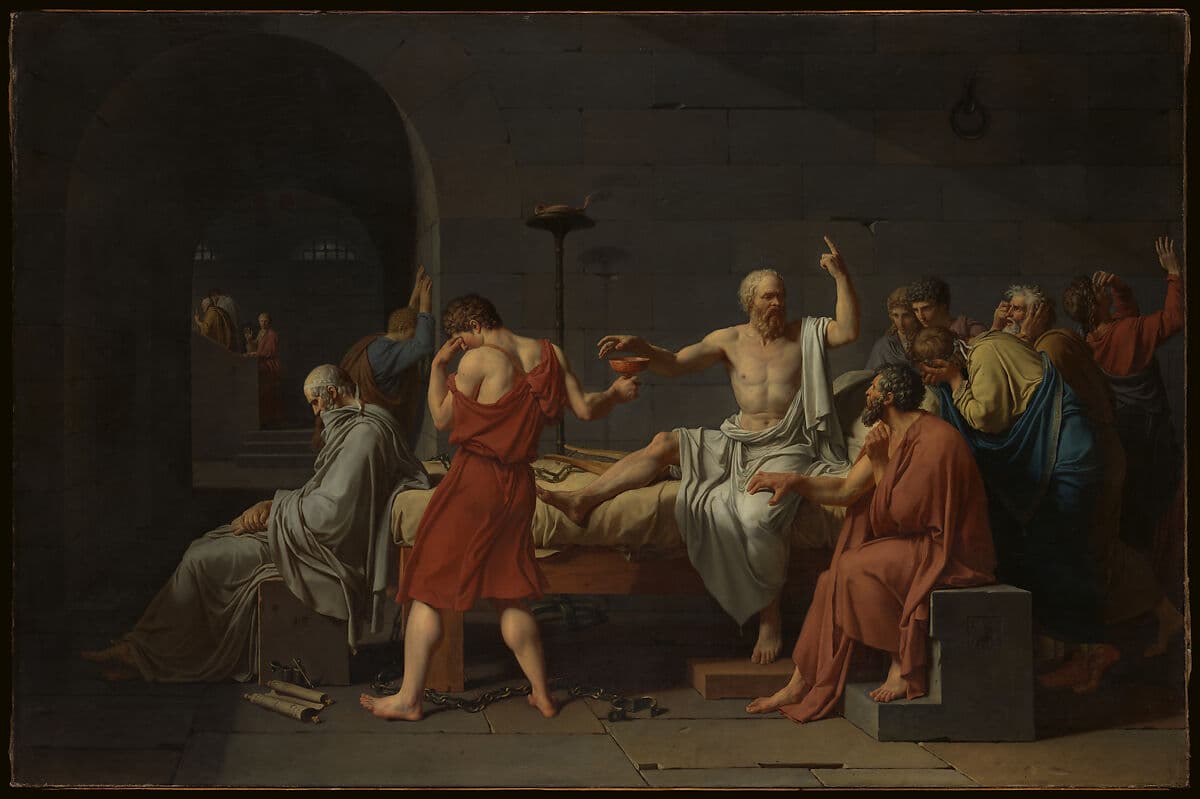
Home to some of the most recognizable pieces in the world, the Metropolitan Museum of Art in New York City (colloquially known as the Met) was founded in 1870 to make art accessible to the American people.

1440 Findings

Hours of research by our editors, distilled into minutes of clarity.

  • The Metropolitan Museum of Art, explained

    The Metropolitan Museum of Art, founded in 1870, houses 1.5 million works spanning centuries—from ancient Egyptian artifacts to impressionist masterpieces. Its iconic Fifth Avenue building, designed by architect Richard Morris Hunt, and tranquil Cloisters location reflect its dedication to showcasing global creativity.
  • Andy Warhol, explained

    Andy Warhol wasn’t just an artist—he was a cultural force. From his early days working as a New York illustrator to managing The Velvet Underground and creating experimental films, Warhol blurred the line between art and commerce, leaving a legacy that changed pop culture forever.

  • The woman who made the Met Gala a pop culture phenomenon

    The Met Gala began in 1948 to raise money for the Metropolitan Museum of Art's fashion collection. But its current incarnation as an over-the-top media spectacle began with former Vogue editor Diana Vreeland, who shifted the event from a stuffy, high society fair into a celebrity-focused event aimed at garnering publicity. This history of the event and Vreeland’s influence explores how she made that happen.

  • Defining Dalí's surreal aesthetic

    Salvador Dalí is known for his modernist paintings, but his surreal aesthetic has lived on long after his passing, with elements of his art making their way into fashion, film, and interior decorating. This incisive Artnet explainer unpacks the elements that make up Dalí's larger artistic vision and highlights the ways they still appear throughout popular culture.

  • The frenemies who shaped Modern Art

    Matisse and Picasso are two of the biggest names in Modern Art, with works that redefined the possibilities of painting in the 20th century. While they were often cast as rivals, this Artnet article highlights their more complicated relationship, which was somewhere between a friendship, a mentorship, and an ongoing competition.

  • The scientists trying to prove Jackson Pollock's symbolism

    Jackson Pollock is one of the most famous American artists in history. He is well-known for his Abstract Expressionist "drip paintings," which seemed to defy interpretation. But following the artist's posthumous bipolar diagnosis, a team of scientists attempted to prove that his symptoms, including mania and psychosis, caused Pollock to embed images under his thrown paint.

  • A virtual art gallery in the mode of 'Doom'

    One of the earliest video games to use 3D interfaces, 1993's "Doom" was a first-person shooter set on the moons of Mars which ended in hell. It became one of the most critically and commercially successful games of all time. Now, you can wander virtually in an art gallery in the mode of the game, sipping wine and perusing pixelated versions of classic works of art.

Next page

Explore Society & Culture

Art, music, sports, entertainment, movies, and many other subjects—these elements define who we are as a society and how we express ourselves as a culture. Take a deep dive into the topics shaping our shared norms, values, institutions, and more.

View All Society & Culture