Overview

Satire is an artistic form that employs various rhetorical strategies—including irony, hyperbole, and parody—to expose something (or someone) as ridiculous, corrupt, or unjust. Often, satirists adopt a fictional persona, creating a character that allows them to embody what they believe to be the absurdity of their intended target.

1440 Findings

Hours of research by our editors, distilled into minutes of clarity.

  • Dickens' first novel was a satire informed by his reporting

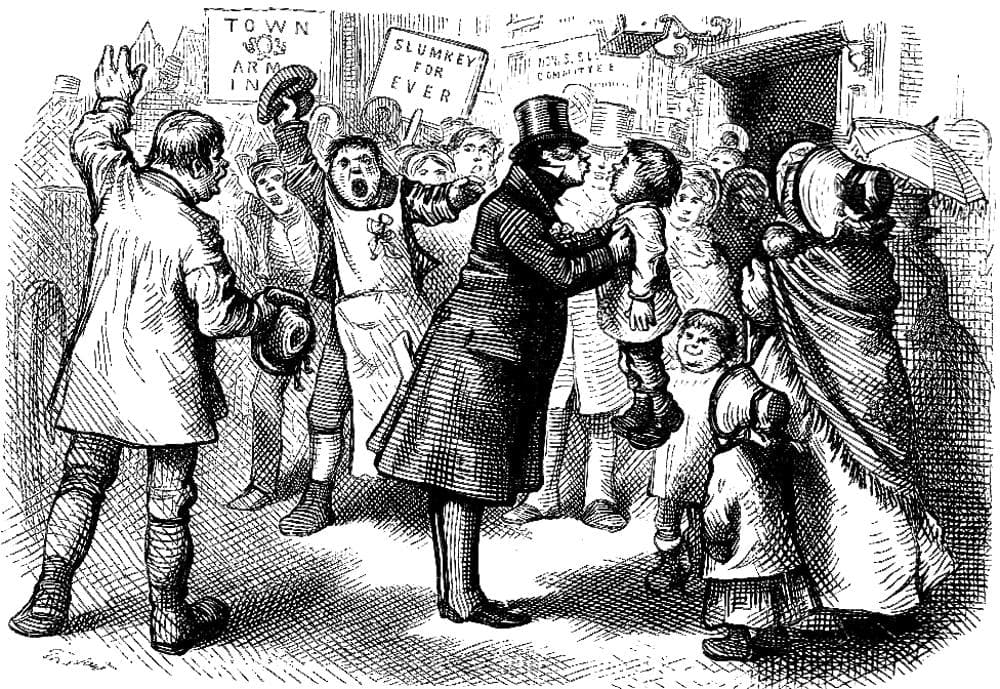
    “The Posthumous Papers of the Pickwick Club” was a series of illustrations and accompanying stories serialized in newspapers from 1836 to 1837. Dickens drew on his previous experiences as a Parliamentary reporter to flesh out the story of Samuel Slumkey, a politician running for office. He wins the election thanks to a well-timed bribe.
  • Mark Twain coined the phrase 'The Gilded Age'

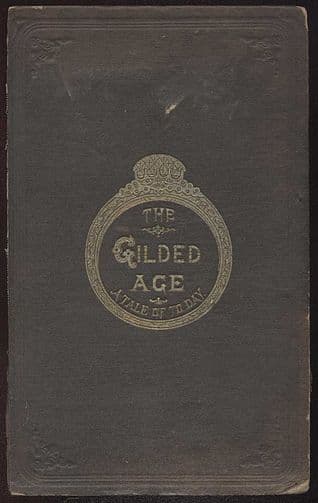
    The writer’s 1873 book “The Gilded Age: A Tale of Today” (cowritten with newspaper editor Charles Dudley Warner) satirized the speculative investing and greed that took place following the Civil War. That era is now known as the Gilded Age, a term derived from the novel. This resource will be paywalled for some readers.

  • Twain's ‘To the Person Sitting in the Darkness’ satirized American imperialism

    The 1901 essay was a response to the Philippine-American War as well as Rudyard Kipling’s poem, “The White Man’s Burden,” which argued that Western nations had a moral duty to rescue non-Western nations from ignorance. Twain’s essay ironically encouraged lecturing citizens of the countries being invaded: “for the sake of the Business we must persuade him to look at the Philippine matter in another and healthier way. We must arrange his opinions for him.”

  • Dystopian satire became more prominent in the 20th century

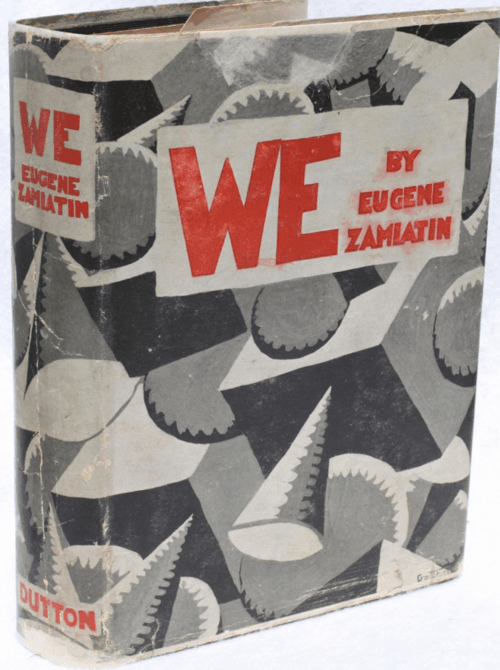
    Although "anti-utopian" stories have always existed, the international conflicts of World War I and World War II inspired some of dystopian literature’s most influential novels, like Yevgeny Zamyatin’s "We," Aldous Huxley’s "Brave New World," and George Orwell’s "1984." In the decades to follow, more writers would follow the example of those early novels, using the dystopian model to critique artificial intelligence, climate change, and more.

  • Kurt Vonnegut's satire embraced dark humor

    Books like "Cat’s Cradle" and "Slaughterhouse Five" satirized the international appetite for war, which the 20th-century writer found both horrifying and hilarious. It’s a combination that some called “gallows humor,” a classification Vonnegut himself remembered Sigmund Freud describing. “One of the examples Freud gives is a man about to be hanged,” Vonnegut once recalled, “and the hangman says, ‘Do you have anything to say?’ The condemned man replies, ‘Not at this time.’”

  • 'Dr. Strangelove' is widely considered the best satirical film

    Stanley Kubrick’s satire about nuclear war came just two years after the Cuban Missile Crisis and spoke to Americans still coming to terms with the possibility of nuclear annihilation. In 1989, the Library of Congress included it among the first 25 films preserved in the National Film Registry, a repository for the greatest achievements in cinema.

  • The greatest satirical films of all time

    This list of satires from the silver screen runs the gamut: There’s a send-up of the music industry (“This is Spinal Tap”), a zombie-filled treatise on consumerism (“Dawn of the Dead”), and an oft-misunderstood analysis of masculinity (“Fight Club”), among several other classic critiques.

Next page

Explore Society & Culture

Art, music, sports, entertainment, movies, and many other subjects—these elements define who we are as a society and how we express ourselves as a culture. Take a deep dive into the topics shaping our shared norms, values, institutions, and more.

View All Society & Culture