Roller Coasters
Overview
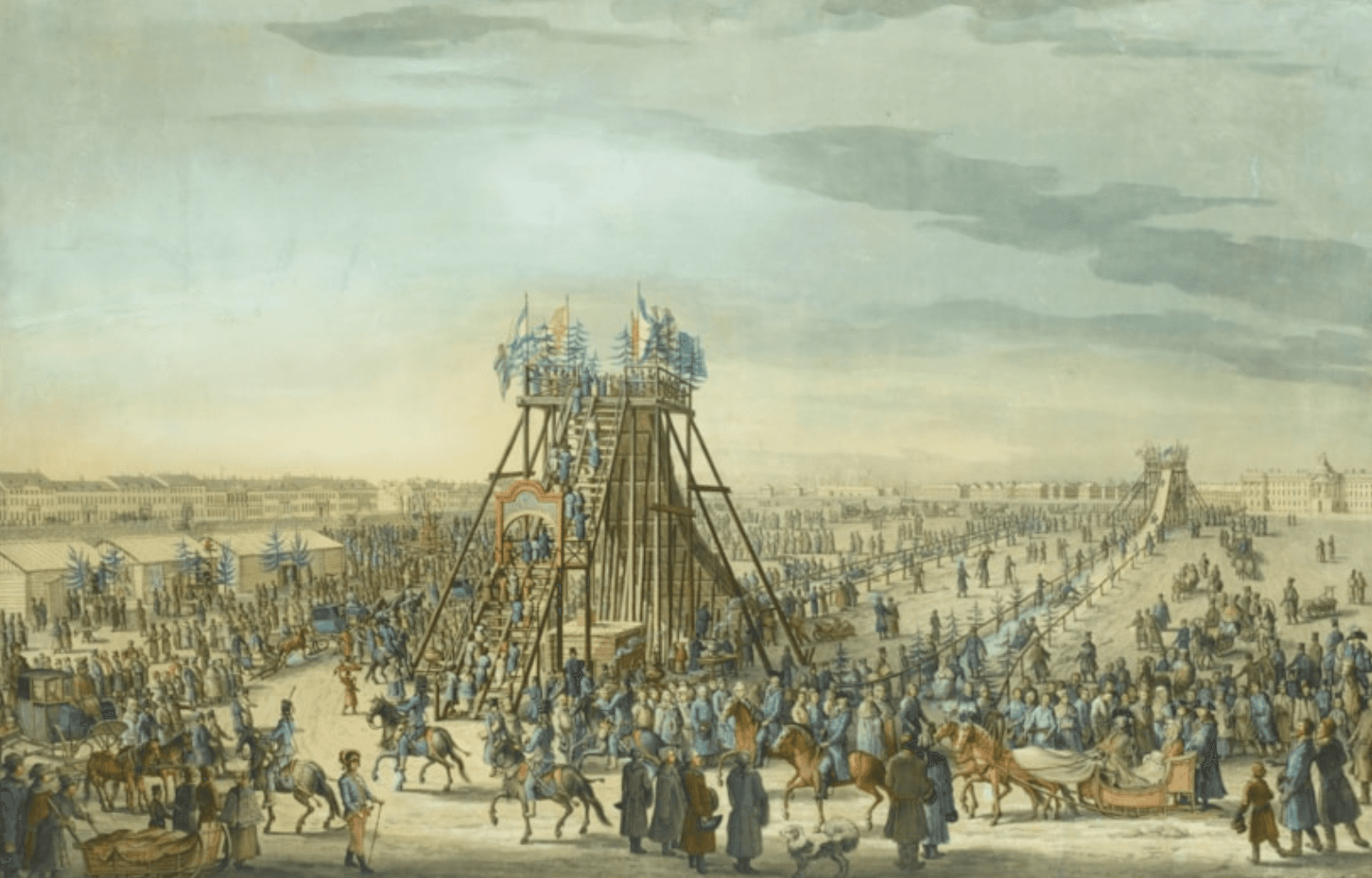
Roller coasters are typically gravity- or inertia-powered trains that “coast” through steep drops, twists, and turns and are designed to offer thrills to amusement park visitors. The rides originated in 17th-century St. Petersburg with Russian ice slides—steep, ice-covered, wooden planks.
Roller coasters are driven by gravity and inertia. Formerly operated manually, coasters are now run by a control system or network of computers, sensors, and software that determine their position and operation.
Roller coasters activate our sympathetic nervous system, which stimulates our fight-or-flight response. Endorphins like dopamine, serotonin, and oxytocin are released, bringing riders to a euphoric state. Doing so in a safe, regulated setting allows us to enjoy the sensation, similar to what one may experience while watching a horror movie. Today, you are far more likely to be struck by lightning than harmed by an amusement ride.
1440 Findings
Hours of research by our editors, distilled into minutes of clarity.


Explore Society & Culture
Take a deep dive into the topics shaping our shared norms, values, and institutions. Art, music, and sports. Literature, architecture, and TV. Film, food, and philosophy. If it defines who we are as a society or how we express ourselves as a culture, then we're exploring it here.
Featured Topics
- Barbecue
- Beat Generation
- Bob Dylan
- Broadway
- Bruce Springsteen
- Burning Man
- The Burrito
- Country Music
- Dystopian Literature
- Flannery O’Connor
- Frank Lloyd Wright
- Girl Groups
- Hip-Hop
- James Beard Awards
- Memes
- National Football League
- National Parks
- Netflix
- Opera
- Rock 'N' Roll
- Salvador Dalí
- 'Saturday Night Live'
- Shakespeare
- 'The Star-Spangled Banner'
- Steven Spielberg
- Title IX
- True Crime
- Vacationing
- Walt Whitman