Religion

1440 Findings

Hours of research by our editors, distilled into minutes of clarity.

  • Exploring a new generation's search for religion

    Amid the historical trend toward secularization, young people still search for religion. Lamorna Ash wrote a book on this revival of interest in faith and spirituality, exploring the importance of community and identity in religious conversion. Listen to her experiences and investigations in this podcast.
  • The Chora Church, the height of Byzantine art

    The Palaeologan Renaissance took place in the final centuries of Byzantium, and in the face of steep political and economic decline. Perhaps the movement’s most famous artistic product is the Chora Church in Istanbul. Renovated in the early fourteenth century by Theodore Metochites, a learned court official, the church features remarkably vibrant mosaics and frescoes. Although the building was recently reconverted into a mosque, most of its decorations are still visible.

  • The role of textiles in South Asian art

    Textiles play an essential role in the religious traditions of the Indian subcontinent, acting as portable shrines that can relay important allegories and depict spiritual iconography. This primer from Smarthistory breaks down how imagery is used on these textiles and helpfully provides high-quality images, allowing you to witness their beauty for yourself.

  • Pope Francis and his distinctive approach to leading the Catholic Church

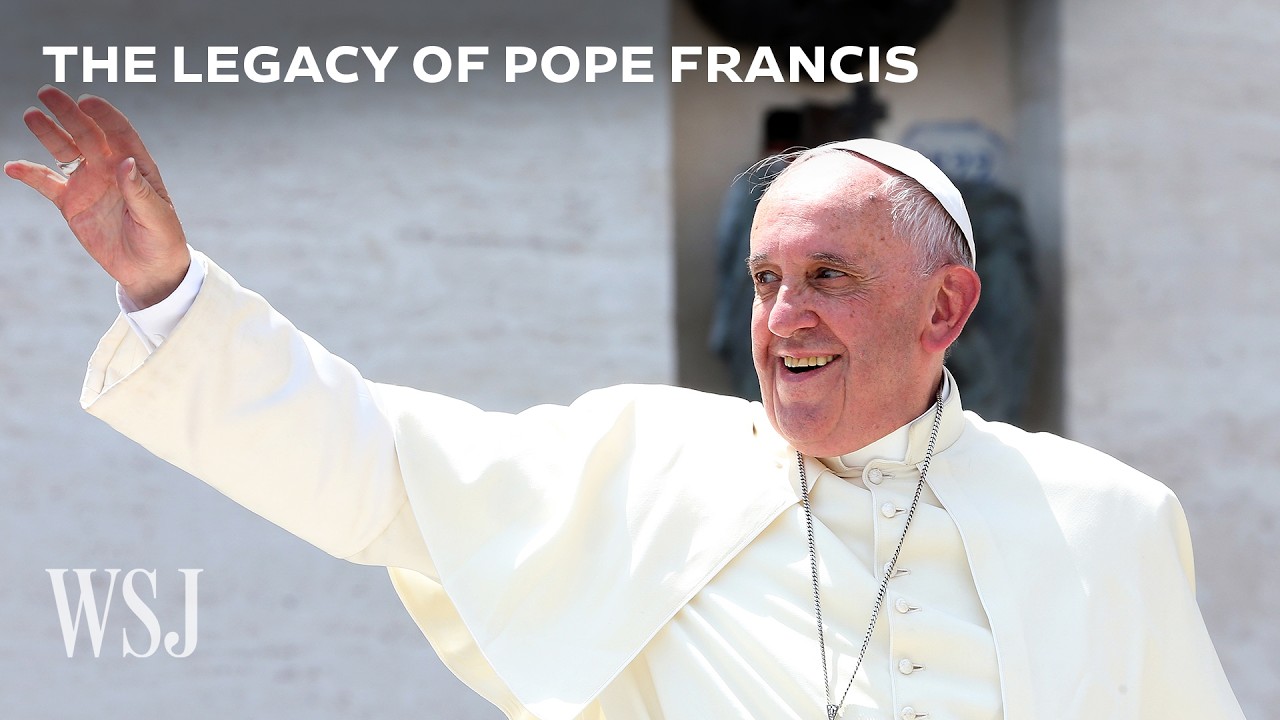
    Pope Francis, born Jorge Mario Bergoglio, was known for promoting social and economic justice rather than just traditional moral teachings while he led the Catholic Church. During his papacy, he exhibited a more open point of view towards historically controversial matters related to marriage, sexuality, the priesthood, and celibacy—and not without criticism. Reflect on his legacy and how he changed the church in this video.

    Video

    Pope Francis and his distinctive approach to leading the Catholic Church

  • Who’s who at the Vatican?

    The Vatican is a massive organization whose processes and positions can appear impossibly dense to the common public. But, as this explainer from a University of Dayton professor makes clear, the Catholic Church's bureaucracy functions much like similarly-sized companies and universities. While the processes might still seem unnecessarily complex after reading, you'll at least be able to trace the org chart from the Pope on down.

  • The religious affiliation of the 119th US Congress

    The 535 men and women who will serve as legislators in the 119th Congress all hold some ultimate views on life, a marker of which is there religious affiliation. Pew Research presented the Congress' overall faith composition in a series of tables and charts, showing the number of Christian lawmakers has dropped, but at 87% of the Congress, is still disproportionately higher than the proportion of Christian adults in the US (62%). See more stats and facts here.

  • Everything you need to know about the Tomb of Saint Peter

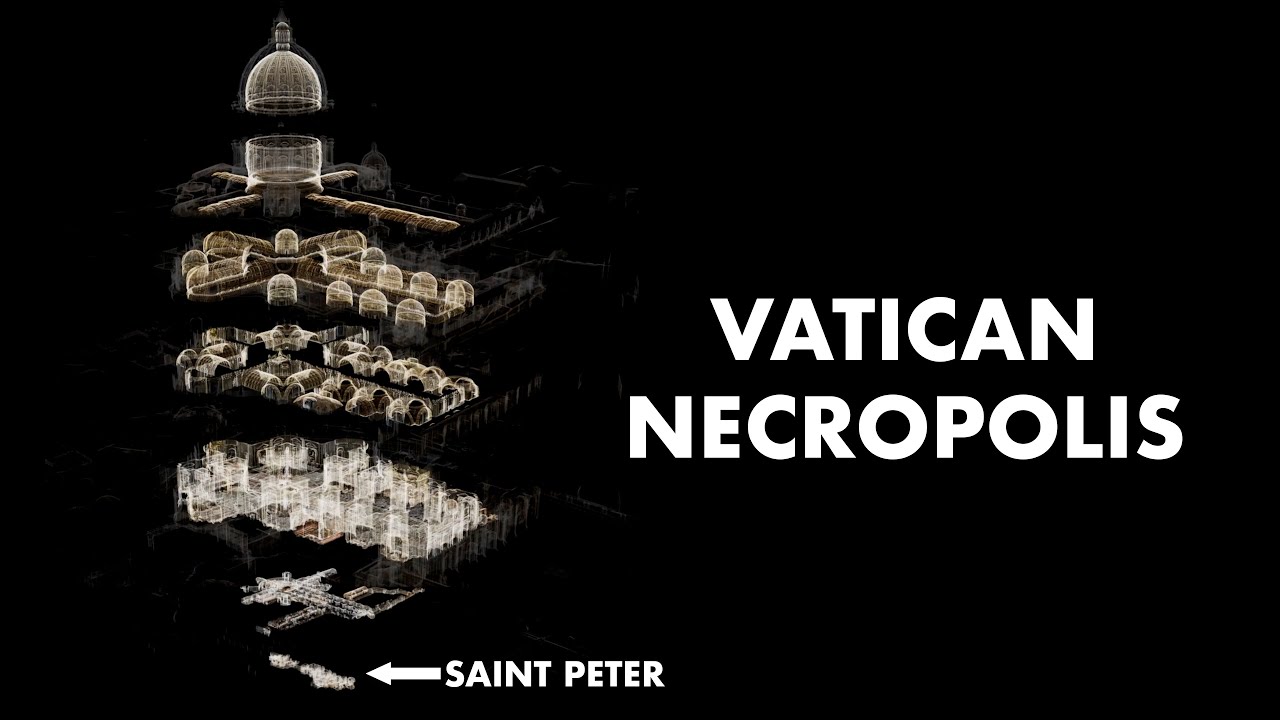
    The Tomb of Saint Peter lies in Vatican City, a city-state surrounded by Rome, Italy. This comprehensive video explains the history of the apostle’s burial site and the brand-new technological developments surrounding it. Start your journey in Ancient Rome, learning how the Vatican got its name, and end with Microsoft’s AI technology that allows curious people from all around the world the ability to tour and interact with the space.

    Video

    Everything you need to know about the Tomb of Saint Peter

  • Visualizing the spread of five major religions across the world

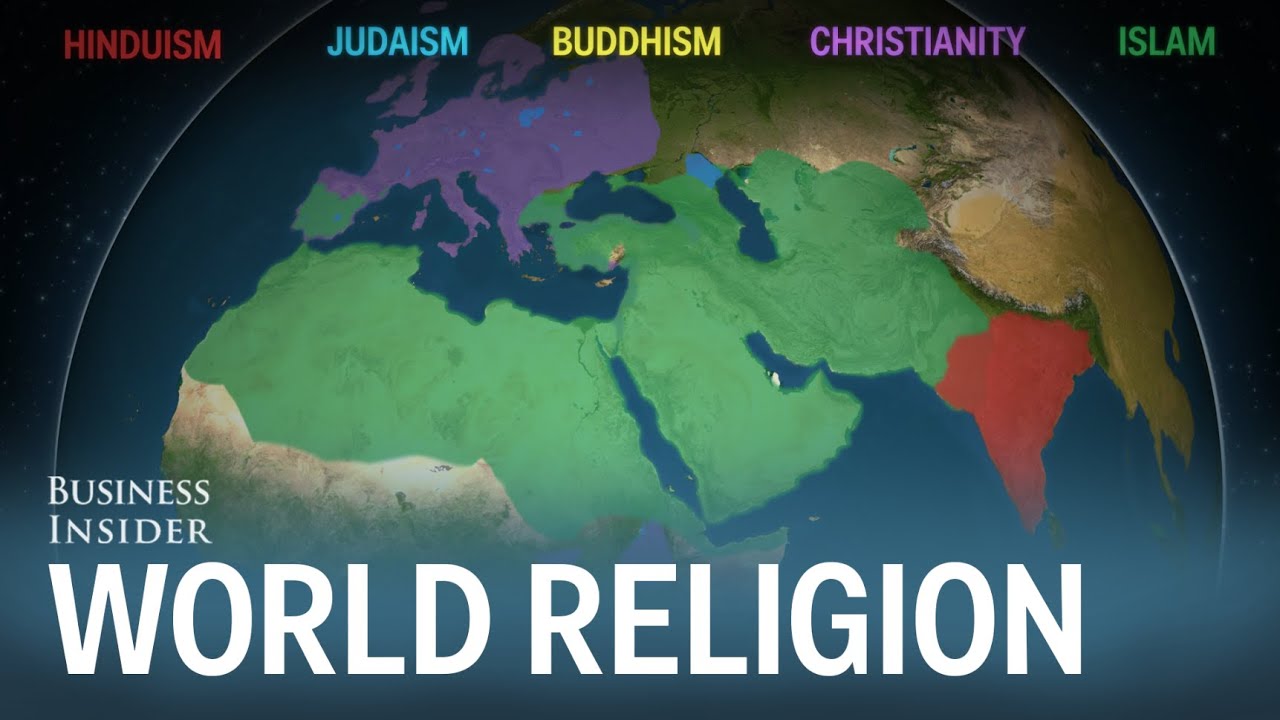
    Every major religion has a story that started in a specific place before growing to reach millions. This quick video depicts an illustrated map over the last 5,000 years, showing how Hinduism, Buddhism, Judaism, Christianity, and Islam grew from their humble beginnings.

    Video

    Visualizing the spread of five major religions across the world

  • Flip through King James' treatise on witches and their assumed ilk

    This 1597 text was written by King James I of England, also known as King James VI of Scotland. James' aggressive focus on witches stems from several sources, including the pressure he felt straddling the thrones of Scotland and England. One commonly cited source is his and Princess Anne of Denmark's terrible journeys at sea between 1589 and 1590. These journeys were plagued by dangerous storms, something that James believed may have been caused by witches.

  • How Scotland's war on witchcraft started

    This 31-minute podcast episode details the beginning of Scotland's witch hunts and their relation to King James VI and I. Between 1589 and 1590, Princess Anne of Denmark set sail for Scotland, where she planned to marry James, the king of Scots in line for the English throne. Storms plague Anne's journey, and Anne's homeland finds the storms suspicious, putting supposed witches on trial for the inclement and threatening weather.

Next page

Explore Human Interest

View All Human Interest