Punk Rock

Overview

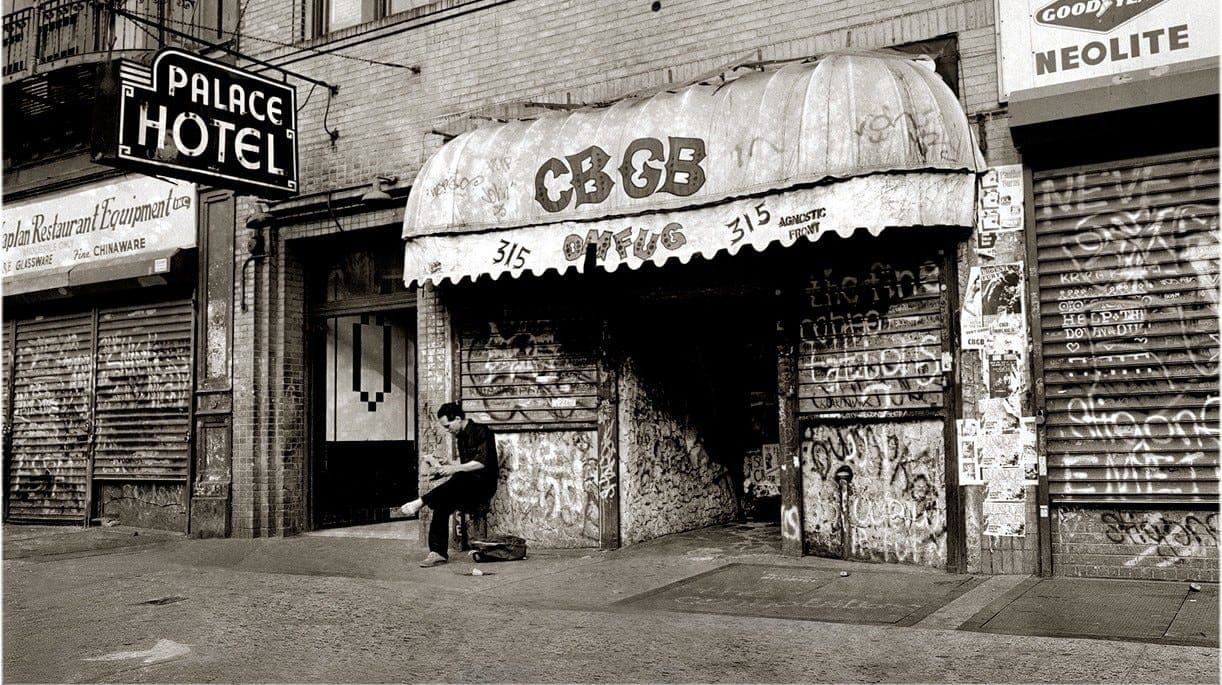
Punk rock is a music genre that came to prominence in the 1970s, particularly in New York, London, and Los Angeles. The music was inspired by scrappy, countercultural 1960s rock bands, such as the Velvet Underground and the Stooges, and was popularized by acts like Patti Smith, the Ramones, and the Clash.

1440 Findings

Hours of research by our editors, distilled into minutes of clarity.

  • Fugazi refused to make merchandise, but that didn't stop bootleggers

    The band—formed by members of Minor Threat and Rites of Spring—was known for its innovative post-hardcore music and its high-minded ethics: They released albums themselves through the Dischord label, ensured all shows were $5 all-ages affairs, and refused to make merchandise to avoid commodifying their art. That didn’t stop bootleggers.

  • The '90s riotgrrrl movement brought female-fronted bands to the front

    The movement—which pushed back on punk’s misogyny and argued for a countercultural form of third-wave feminism—began in self-published magazines before taking root in bands like Bikini Kill and Bratmobile. The scene’s music and ethos can still be found in contemporary acts like Olivia Rodrigo.

  • Nirvana's 'Nevermind' brought punk to the mainstream

    The Seattle band’s second record, its first on a major label, went to number one four months after it was released in 1991. At one point, it was selling 300,000 copies a week. The band’s lead singer, Kurt Cobain, believed in punk’s countercultural aims and felt deeply conflicted about success.

  • 'Nebraska' was a sharp pivot inspired by proto-punk band Suicide

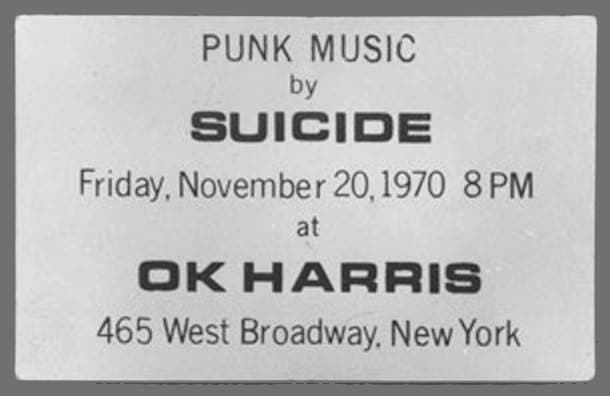
    After "Born to Run," Springsteen's songwriting turned darker on subsequent albums "Darkness on the Edge of Town" and "The River," as he began exploring the harsher realities of adulthood and working-class life, but "Nebraska" was his most gothic, featuring haunted songs partially inspired by the abrasive proto-punk duo Suicide.

  • In 1984, Dylan began experimenting with punk

    When Bob Dylan was asked to appear on David Letterman’s relatively new late-night show, he decided to call an audible. He’d been intrigued by LA’s exploding post-punk scene and had spent time jamming with one of its bands, the Plugz, whom he decided to bring to Letterman as his backing band. The appearance sounds unlike anything else in his catalog and is one of his more fascinating creative reinventions in a career loaded with them.

  • Why one country legend embraced punk rock

    Dwight Yoakam was among the most popular country music acts of the 1980s, praised for his upbeat rockabilly and neo-Bakersfield sound. In this interview, Yoakam explains why he left the Midwest for California and began playing in punk clubs, including with an iteration of the legendary LA punk outfit X.

Next page

Explore Society & Culture

Art, music, sports, entertainment, movies, and many other subjects—these elements define who we are as a society and how we express ourselves as a culture. Take a deep dive into the topics shaping our shared norms, values, institutions, and more.

View All Society & Culture