1440 Findings

Hours of research by our editors, distilled into minutes of clarity.

  • Pinned

    A Monthy Python sketch inspired the internet term 'spam'

    Although the canned meat product Spam has been around since 1937, it was a 1970 Monty Python comedy sketch—in which a diner is overwhelmed with unwanted Spam—that inspired early internet users to call unsolicited emails "spam."

  • Memes emerged in the 1980s and 1990s

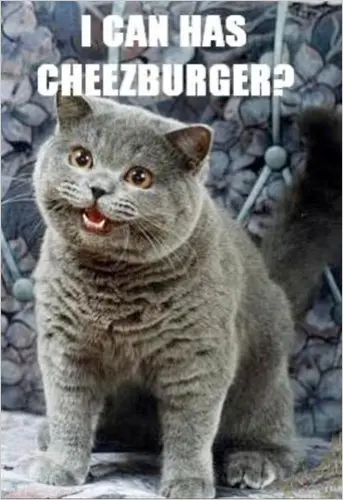
    Today's Internet users might think of memes as references spread online through images, videos, and audio clips. But the merger between memes and the internet didn't happen until the 1980s and 1990s—years after the term meme was first coined to describe a different phenomenon.

  • Memes are 'ready-made language'

    Internet memes—groups of texts with shared core content, medium, and stance—are what we, as creators and consumers, make of them. Through their seemingly innocuous and irreverent design, these "bite-sized" transmissions have become vehicles of misinformation, conspiracy, propaganda, activism, and subversive messaging.

  • 50 famous memes and what they mean

    Memes are one of the most immediate ways to communicate. The 50 most popular ones are found everywhere on the internet. Sources for this article came from Tumblr, Twitter, Know Your Meme, and other online pop culture resources and publications. This piece examines memes from the early 2000s through 2019.

  • Biologist Richard Dawkins coined the term 'meme'

    His 1976 book "The Selfish Gene" proposed that units of culture could be replicated, passed on, and evolve as they were transmitted, similar to human genes. He called this unit a "meme," to be pronounced like "cream."

  • Dawkins believes cultural memes have mutated into internet memes

    The world's creations fall into two categories: those that look designed but whose appearance or function came about due to random mutation and natural selection, such as birds, and those whose designs and mutations are knowingly crafted, such as airplanes.

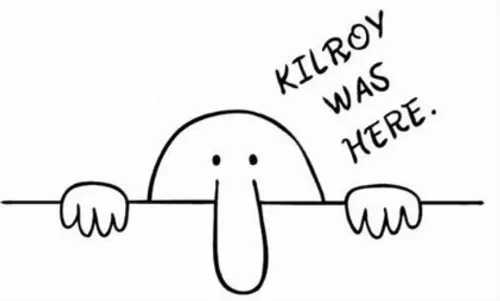
  • A popular tag in World War II announced 'Kilroy was here'

    The graffito appeared seemingly everywhere throughout the 1940s and followed a similar pattern: A man with an oversized nose peering over a ledge, with the phrase written below it. Scholars believe it was an American form of similar tags that appeared in Australia and England, making "Kilroy" a meme long before the word had entered the lexicon.

  • How Chuck Norris 'Facts' gave birth to the modern meme

    In the early 2000s, anonymous, absurdly hyperbolic jokes about one B-level action star suddenly appeared everywhere on the internet. "Chuck Norris Facts" were spawned by a high school senior, who'd noticed something funny online and taken it to the next level. As Ryan Hockensmith shows in this detailed history, Spector's joke laid the groundwork for the modern meme.

Explore Society & Culture

Art, music, sports, entertainment, movies, and many other subjects—these elements define who we are as a society and how we express ourselves as a culture. Take a deep dive into the topics shaping our shared norms, values, institutions, and more.

View All Society & Culture