Overview

In his 1976 book “The Selfish Gene,” biologist Richard Dawkins proposed that units of culture could be replicated, passed on, and evolve as they were transmitted, similar to human genes. He called this unit a "meme," to be pronounced like "cream."

1440 Findings

Hours of research by our editors, distilled into minutes of clarity.

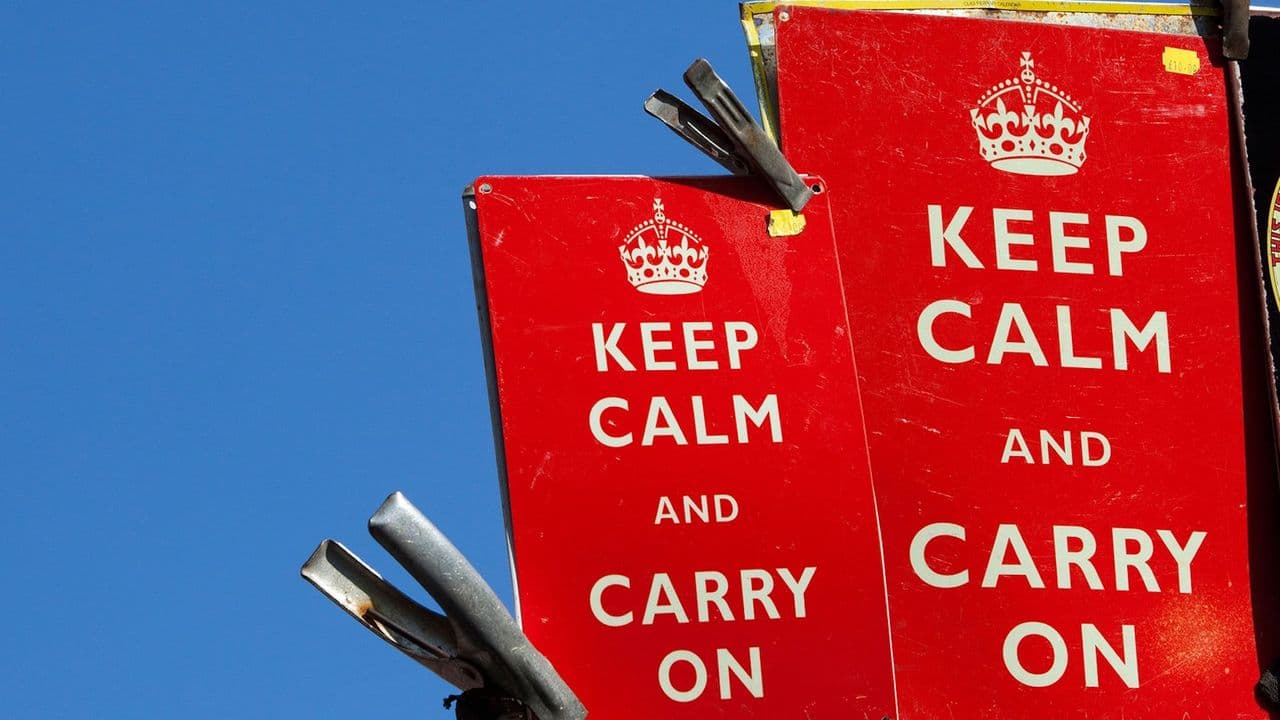
  • 'Keep Calm and Carry On' was long-forgotten World War II propaganda

    The British Ministry of Information developed the stoic phrase ahead of German attacks at the start of World War II in 1939. It was never officially released on posters and then lay dormant until 2000, when one of the remaining posters was discovered at a bookstore in the UK. It has since been adapted into countless memes.

  • TikTok's algorithm has changed the way hits are made

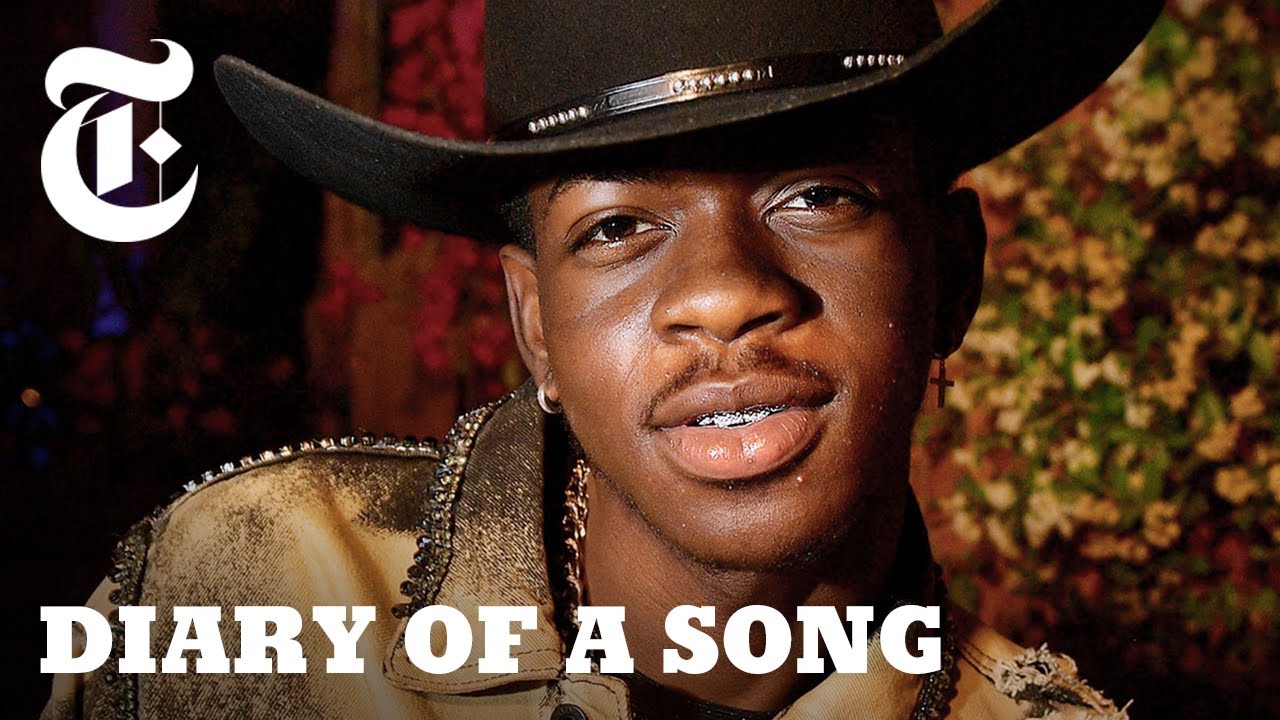
    Songs aimed at TikTok's algorithm—designed for viral dances or soundtracking common experiences—often find success off the charts. An early example was Lil Nas X's "Old Town Road," which used his memes and a country-trap beat from the Netherlands to rise to the top of the Billboard charts.

    Video

    How Lil Nas X took 'Old Town Road' from TikTok meme to No. 1

  • A linguist explains how to pronounce 'GIF'

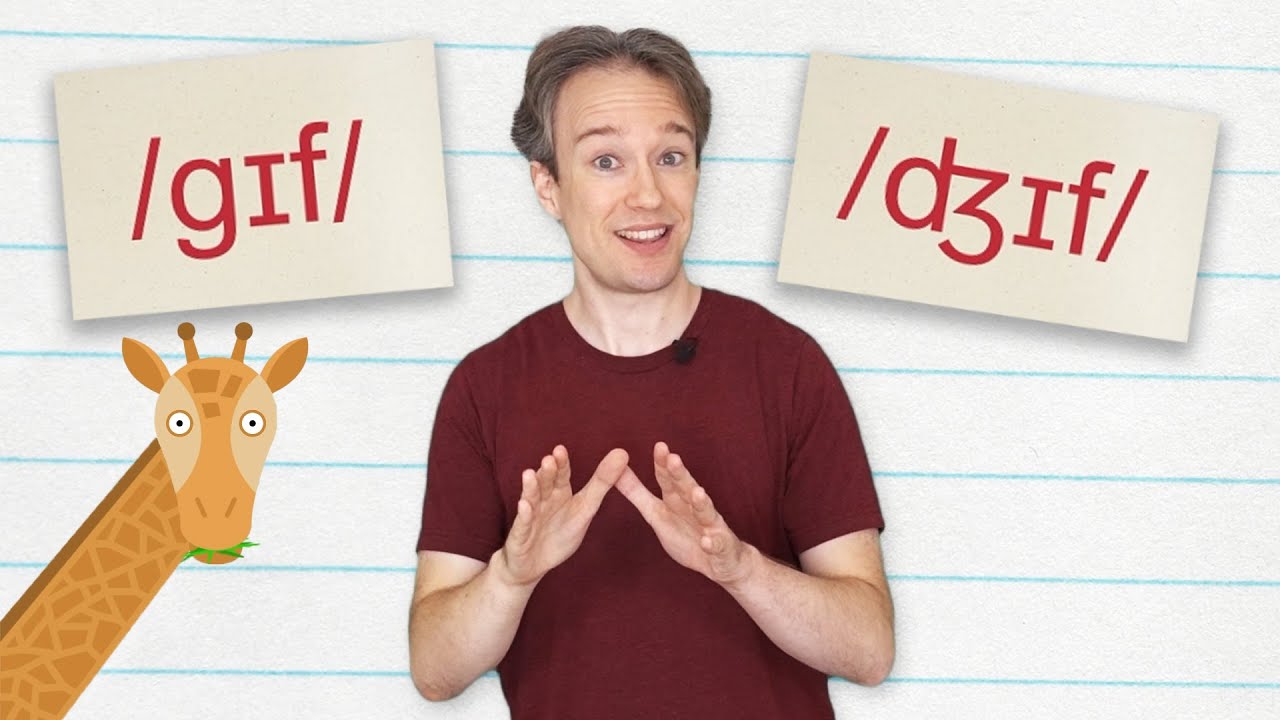
    Many of the internet's memes are GIF files, short for Graphic Interchange Format. If you've spent time on the internet, you likely recognize the name, but there's a good chance you've never said it out loud. If you have, someone might've corrected your pronunciation, thanks to a well-circulated pronunciation guide from the creator of the GIF. In this video, a linguist breaks down why it's pronounced one way, despite what the inventor of the file type says.

    Video

    A linguist explains how to pronounce GIF

  • The story behind the greatest outburst in sports history

    It's a line that's still perplexing all these years later: "Who do you think you are? I am!" Those words were uttered by Pete Weber, an iconic bowler who was somewhere between John McEnroe and Happy Gilmore. This oral history from the Ringer provides some context for the bizarre insult and a backstory that turns what appears to be a non sequitur into a triumphant celebration.

  • What is a reply all email storm?

    When 30,000 people receive an email, to which anyone can "reply all," a spontaneous chain reaction of many more messages can be sparked, producing what's known as an "email storm." This has happened at a large scale in several high-profile cases, most notably in Thomson Reuter's email database. Check out Know Your Meme's breakdown of this phenomenon and description of several major examples.

  • The man behind Comic Sans, the world's most contentious font

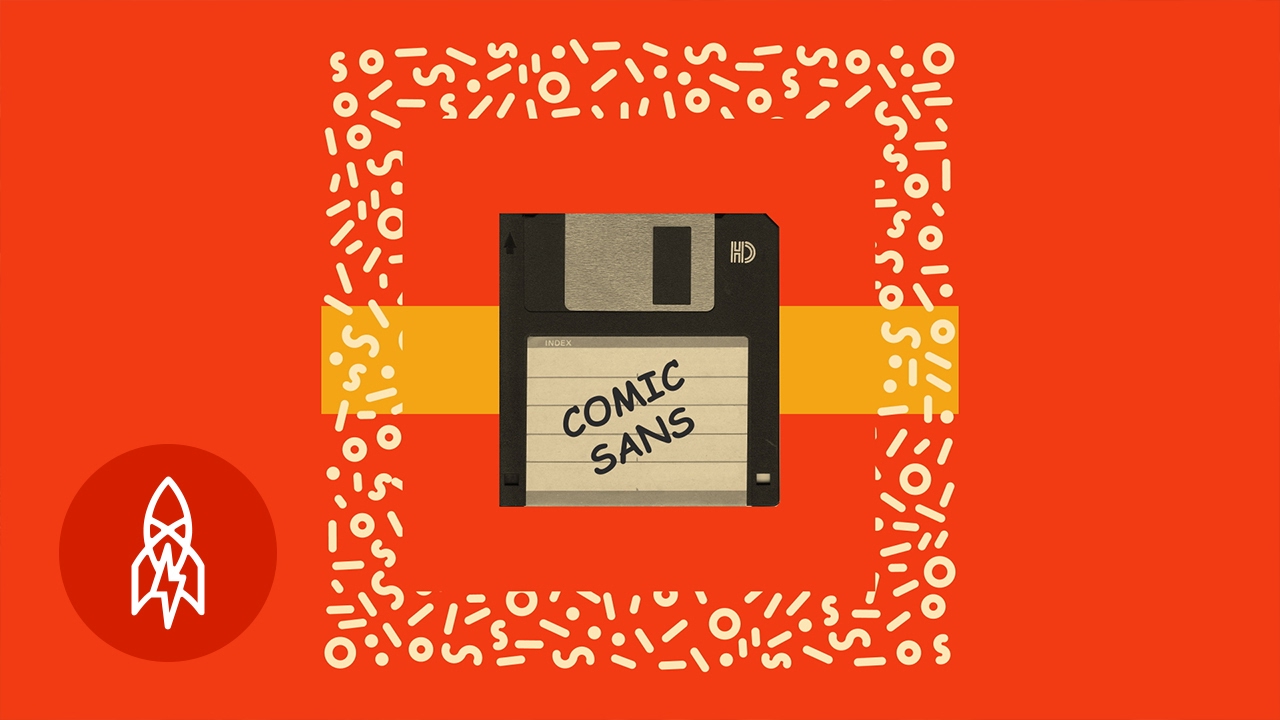
    Comic Sans is often used as a joke, but it wasn't intended that way. Its creator wanted something eye-catching and original, something that reminded people of iconic comics like Batman and Watchmen. This interview details how he made that happen and how it took on a new life once it was released into the world.

    Video

    The man behind Comic Sans, the world's most contentious font

  • How to catch a TikTok thief

    Someone took a 10-second clip of a parody video made by Hugh Clegg and posted it to TikTok, where it racked up millions of views. The uncredited clip meant viewers assumed it was owned by the uploader, an assumption Clegg was eager to rectify. His messages and comments had no real effect outside of earning him temporary bans for "spamming." So he decided to moonlight as a private eye.

    Video

    How to catch a TikTok thief

Next page

Explore Society & Culture

Art, music, sports, entertainment, movies, and many other subjects—these elements define who we are as a society and how we express ourselves as a culture. Take a deep dive into the topics shaping our shared norms, values, institutions, and more.

View All Society & Culture