Rowling adopted initials to appeal to young male readers
At her publisher’s suggestion, Joanne Rowling used the pen name “JK Rowling,” believing boys might be less likely to buy a fantasy novel written by a woman.
Hours of research by our editors, distilled into minutes of clarity.
At her publisher’s suggestion, Joanne Rowling used the pen name “JK Rowling,” believing boys might be less likely to buy a fantasy novel written by a woman.
What began as a story written in cafés by an unknown author grew into a global phenomenon—spanning seven books, eight films, theme parks, and video games—reshaping modern popular culture.
Combining book sales, films, theme parks, and merchandise, Harry Potter ranks among the world’s highest-grossing media franchises—estimated at more than $32B in total value, alongside giants like Star Wars and Marvel.
The seven-book series traces Harry’s journey from an orphan discovering his magical heritage to confronting the dark wizard Lord Voldemort. Alongside friends Hermione and Ron, he faces loss, power, and moral choice in a world divided between good and evil.
The idea for a young boy discovering he was a wizard came to Rowling during a train ride from Manchester to London. Over the next seven years—while facing personal loss and financial hardship—she completed the first book as a single mother living on welfare.
Though only 500 hardback copies of "The Philosopher’s Stone" were printed in 1997—and mostly sent to libraries, due to doubts it would sell—glowing reviews and word of mouth fueled a surge in demand. Within a year, the book had sold more than 70,000 copies in the UK.
Scholastic changed "Harry Potter and the Philosopher’s Stone" to "Sorcerer’s Stone" in 1998, fearing the original title sounded too academic and might confuse American readers unfamiliar with the word’s magical meaning.
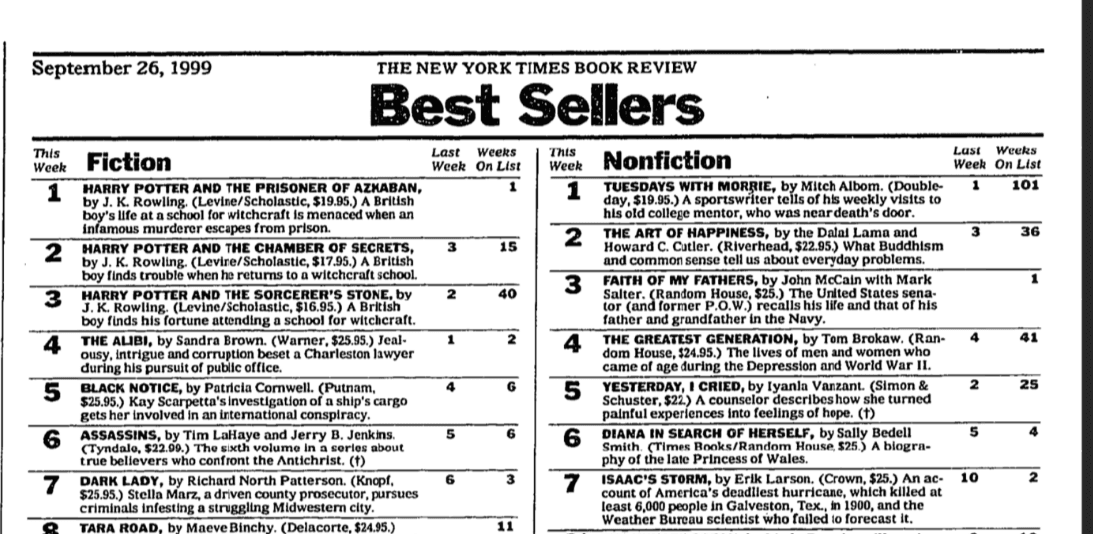
After its 1998 US release, "Harry Potter and the Sorcerer’s Stone" reached No. 1 on The New York Times Best Seller list—the first children’s book to do so since "Charlotte’s Web." By September 1999, the first three books held the top three spots on the list.
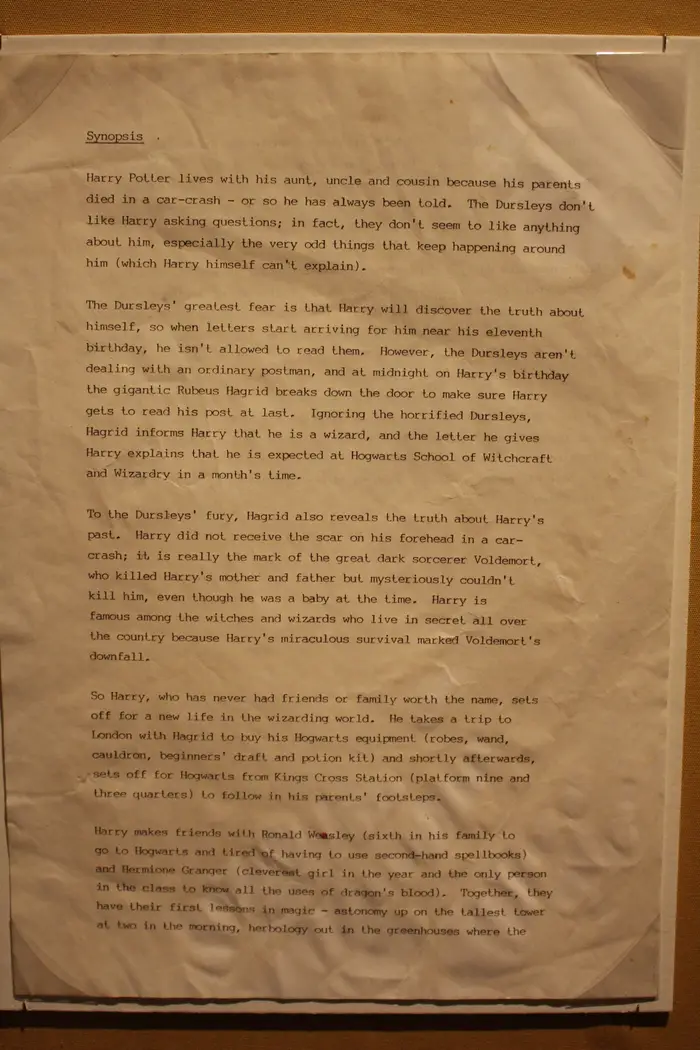
Rowling claims 12 publishing houses rejected the pitch first written in 1995—which contained this letter and the story's first few chapters—before Bloomsbury accepted it.
In 2000, The New York Times introduced a separate bestseller list for children's books after Harry Potter titles occupied top spots on the main list for more than a year.
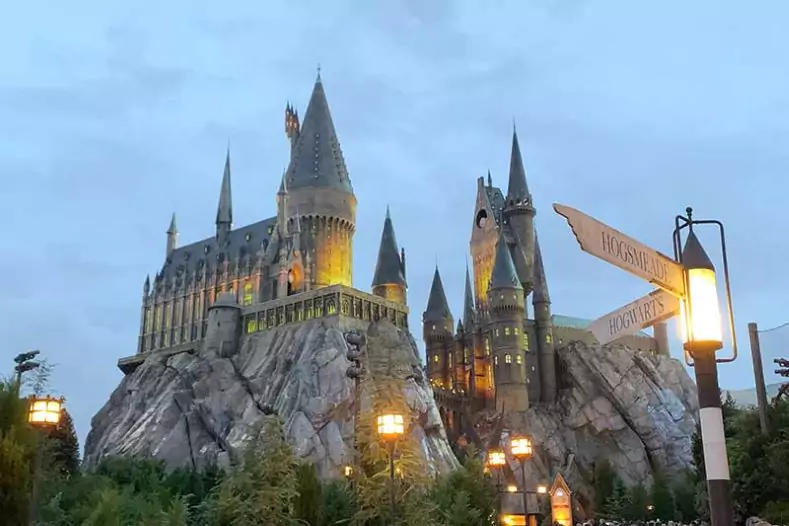
Opened in 2010 at Universal Orlando, the immersive attraction recreates Hogwarts, Hogsmeade and Diagon Alley. Additional Wizarding World lands now operate at Universal parks in Japan, Hollywood, and Beijing.
Art, music, sports, entertainment, movies, and many other subjects—these elements define who we are as a society and how we express ourselves as a culture. Take a deep dive into the topics shaping our shared norms, values, institutions, and more.