Emergency Care

1440 Findings

Hours of research by our editors, distilled into minutes of clarity.

  • Hospitals are required to care for emergency patients, even if they can't pay

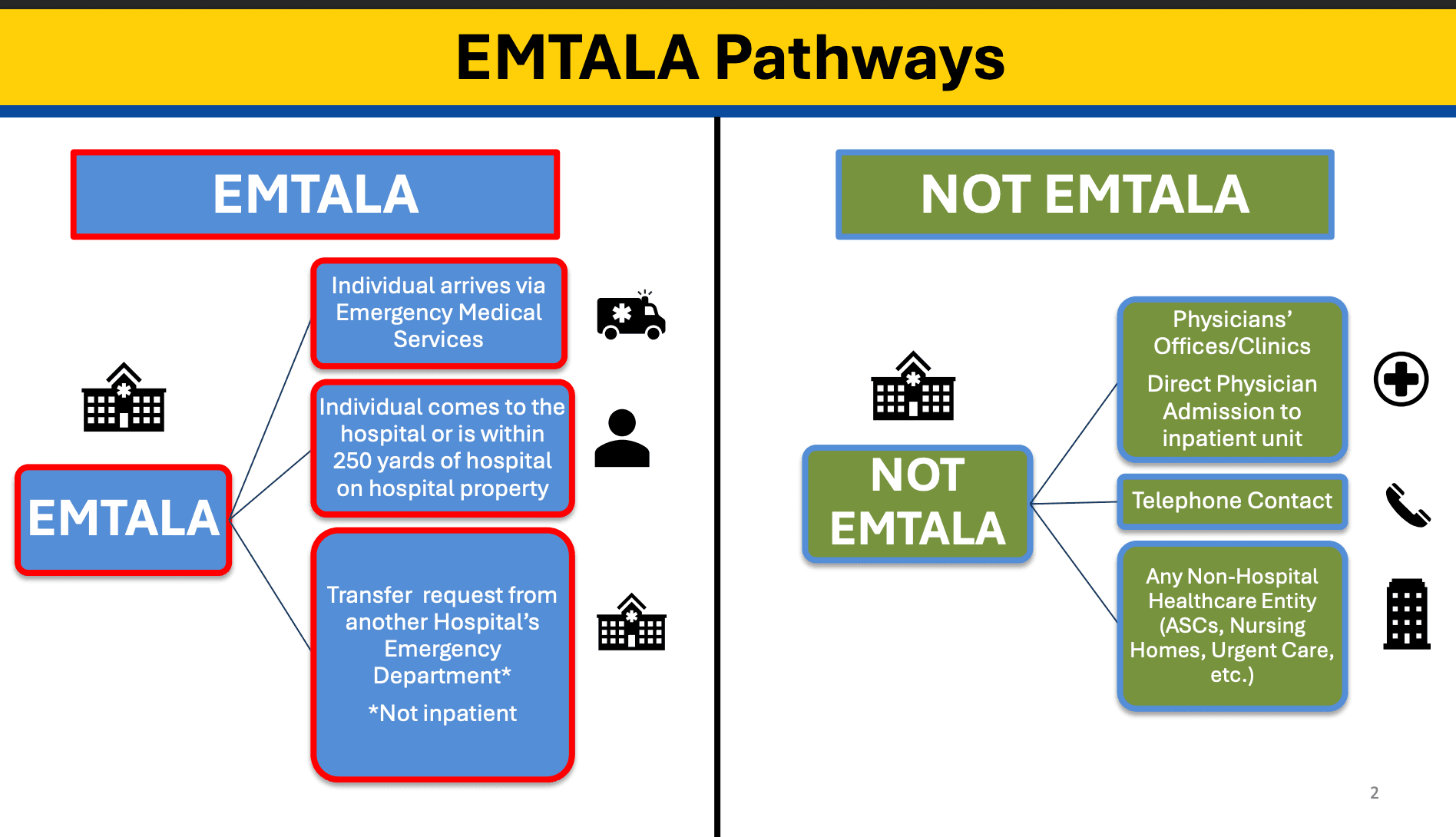
    A federal law called the Emergency Medical Treatment and Labor Act, which was passed in 1986, requires any Medicare-participating hospital with an emergency room to provide emergency medical care—including if the patient is in labor—until the patient is stable. That requirement applies regardless of the patient's ability to pay, insurance status, or, in some cases, immigration status.

  • America's first trained EMT service was established in Pittsburgh's inner city

    Watch this documentary about the Freedom House Ambulance Service—the foundation for all paramedic training in America. Founded in 1967, this emergency care force composed of Black men and women from Pittsburgh sought to respond to Pittsburgh's Black community emergencies when the Black community couldn't rely on the police and fire departments to consistently respond to their emergency calls.

  • Emergency room evaluations may be improved with AI algorithms

    Emergency room care teams must make fast and crucial decisions. They must determine if patients need to be admitted or discharged and when to order more tests or not. Researchers have been exploring how often patients died in the week after they were sent home and evaluating how this and other aspects of emergency care decision-making could be improved with AI algorithms to assist decision-makers.

  • States are creating legislation to try to better protect their healthcare workers

    State lawmakers and hospitals are scrambling to protect the nurses, doctors, and other healthcare workers that are increasingly experiencing workplace violence. Dozens of states have passed laws or are working on bills that aim to curb hospital and clinic violence by requiring detailed violence prevention plans from employers, increasing legal penalties for those who attack healthcare workers, or taking steps like requiring hospitals to have a law enforcement officer—not just a security officer—on-site.

Explore Health & Medicine

Discover a broad spectrum of topics, from fundamental anatomy to the latest in medical research and treatments, all aimed at enhancing your understanding of health, wellness, and our bodies. Our resources are meticulously curated to offer precise and pertinent information to students, professionals, and anyone interested in learning more about the medical sciences. Dive in to stay informed, make well-informed health decisions, and explore the intriguing world of medicine.

View All Health & Medicine