South Asian History

1440 Findings

Hours of research by our editors, distilled into minutes of clarity.

  • An overview of the Indus Valley Civilization

    The Indus Valley Civilization was known for its populous and well-organized cities, namely Harappa and Mohenjo Daro in present-day Pakistan. Streets ran parallel and perpendicular to one another in a grid-like pattern, and homes were connected to a centralized draining system. This suggests there must have been some urban planning or zoning body, though historians aren’t quite sure how the government operated. Watch the 9-minute video to learn more about the Bronze Age civilization, including its mysterious decline.
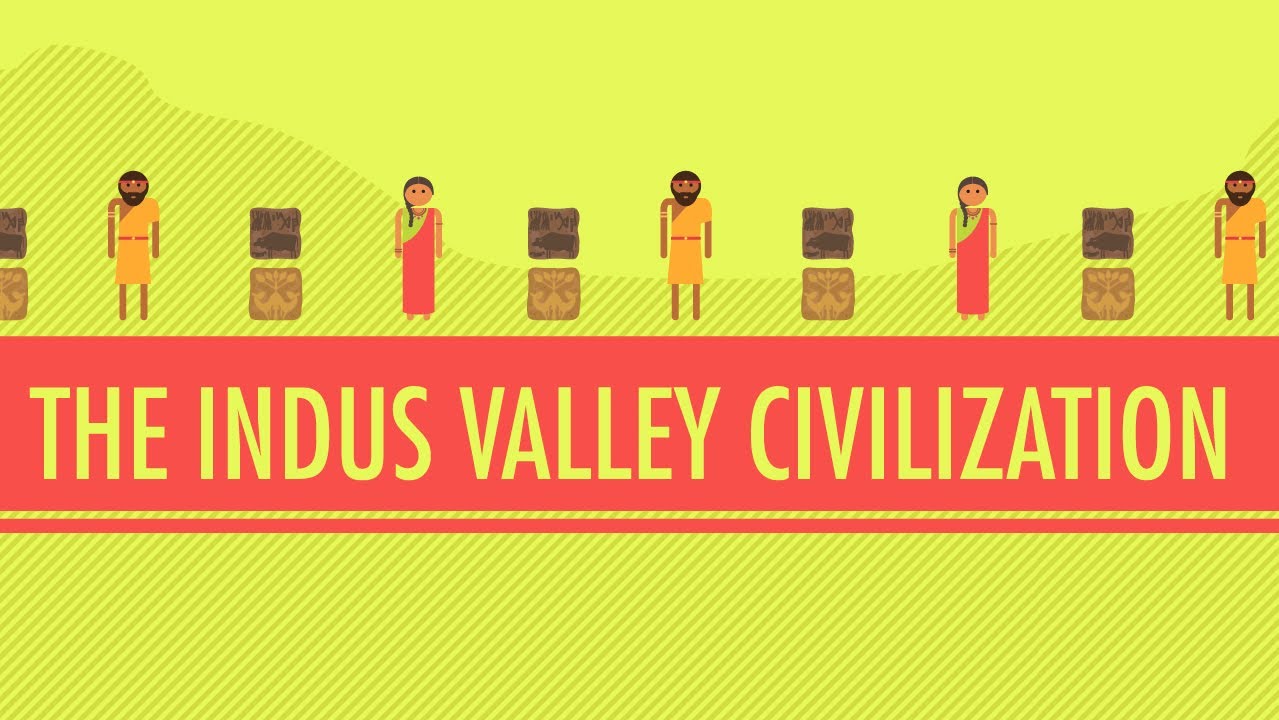
    Video

    An overview of the Indus Valley Civilization

  • Why are South Asian populations at higher risk of Type 2 diabetes?

    During the British Raj, 25 major famines killed at least 60 million Indians (comparatively, India had just 17 famines in the 2,000 years before this conquest). British policies, including land taxes and food exports, worsened droughts and redirected essential resources from the Indian citizens who needed them. Epigenetics—the study of how one's behaviors and environments change gene expression—has revealed that these tragedies resulted in survivors passing down genetic traits that made their children more susceptible to health issues, including Type 2 diabetes.

    Video

    Why are South Asian populations at higher risk of Type 2 diabetes?

You've reached the end