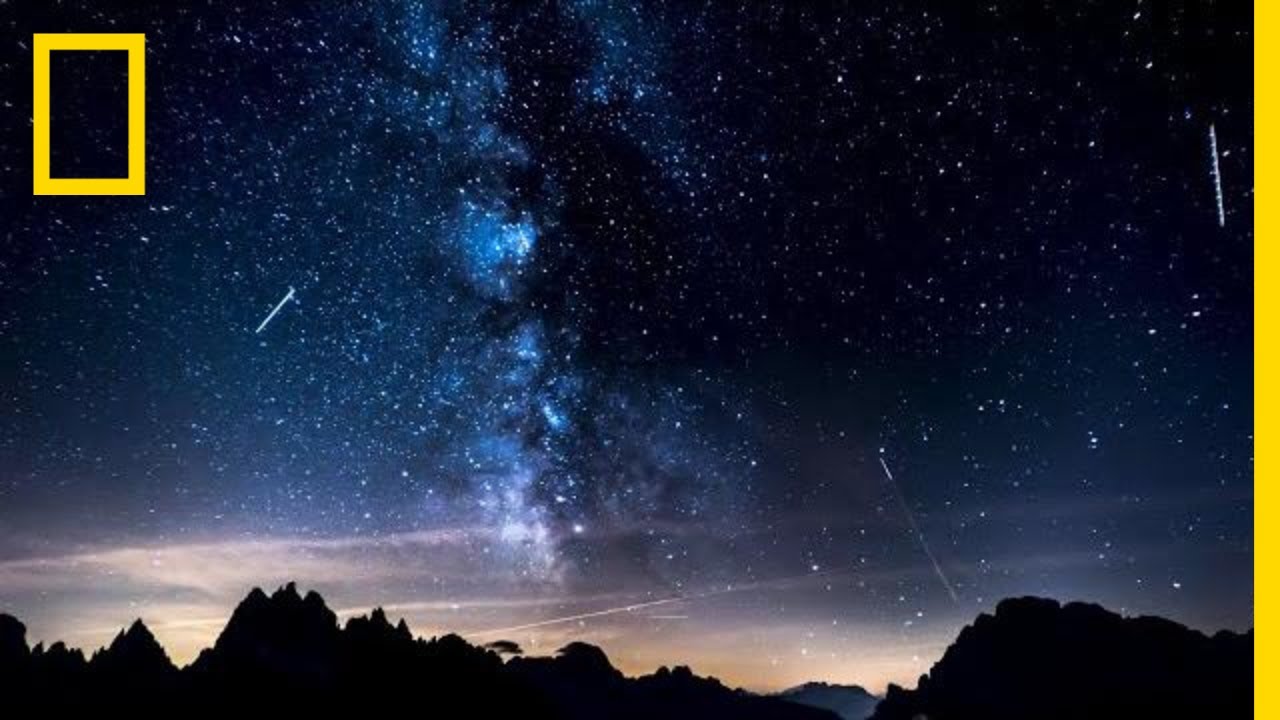
Meteor shower

1440 Findings

Hours of research by our editors, distilled into minutes of clarity.

  • Meteor showers, 101

    Meteor showers derive from Earth's annual passing through the debris trail of a comet in its orbit around the sun. The most popular showers are named after the constellation near where they show up at their peak—for example, the Perseids appear to fall from the formation Perseus. Thousands of objects from the size of a grain of sand to small boulders light up in the atmosphere 60 miles above the Earth's surface, traveling at roughly 30,000 mph. This short video provides a basic overview of what causes meteor showers and how humans have interpreted them over the centuries.

    Video

    Meteor showers, 101

You've reached the end