Airplanes

1440 Findings

Hours of research by our editors, distilled into minutes of clarity.

  • Steffen boarding: the best method for boarding a plane quickly

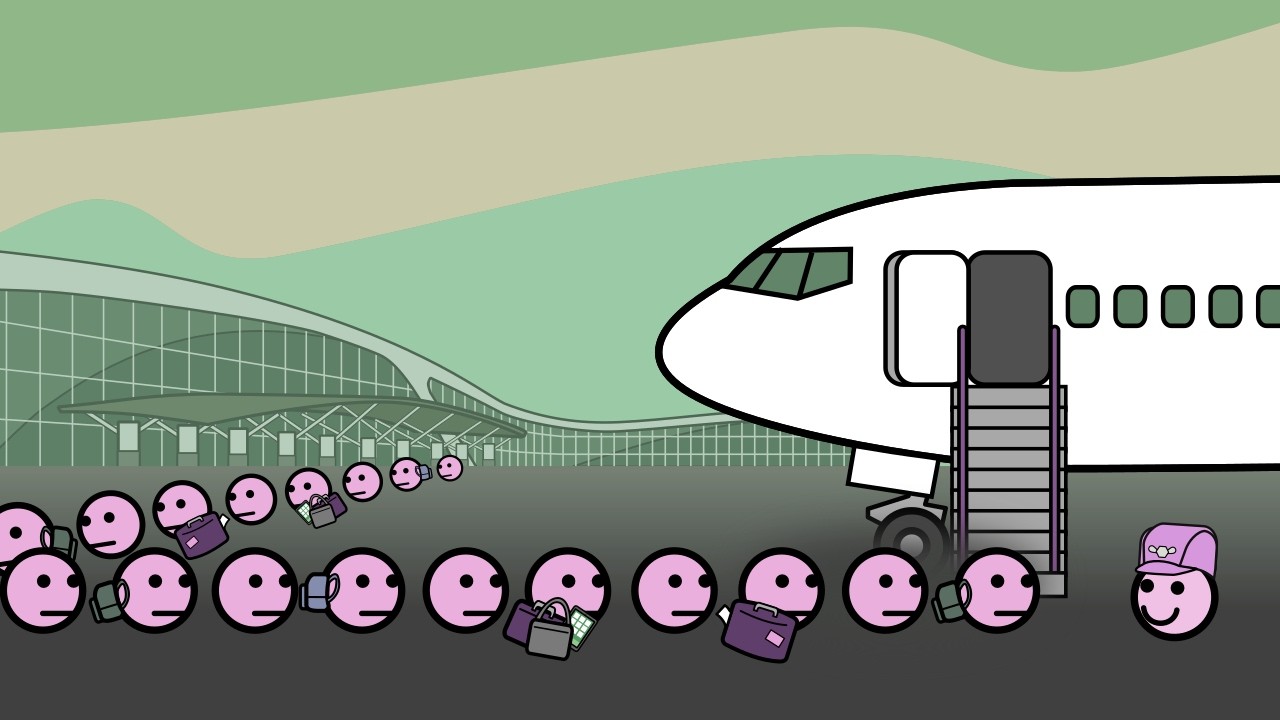
    Boarding an airplane takes time, but it doesn't have to. The Steffen perfect method goes like this: first, passengers with window seats in even-numbered rows board, then those in odd-numbered window seats, followed by middle seats in alternate rows, and lastly all aisle seats, reducing bottlenecks.

    Video

    Steffen boarding: the best method for boarding a plane quickly

  • How fighter jet ejections work

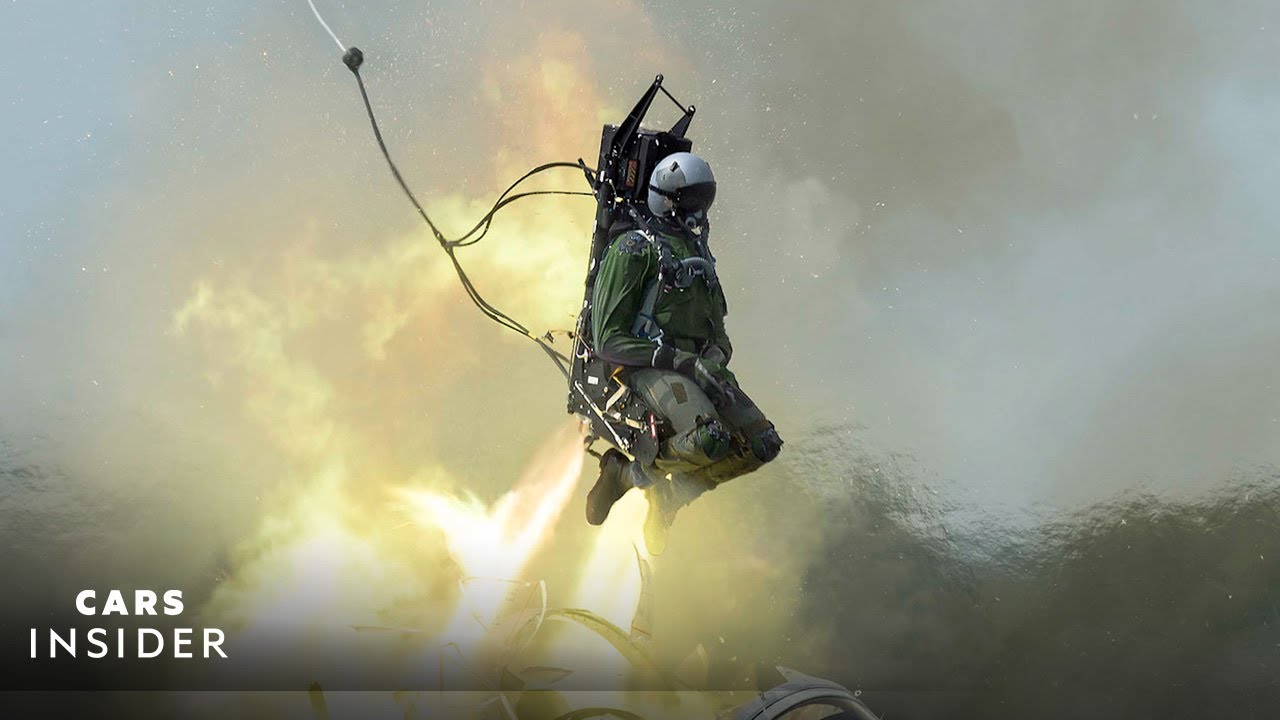
    One of the most complex pieces of equipment in a fighter jet is the pilot's ejection apparatus, and the process of ejecting is far more challenging and violent than its depicted in film. This six-minute video breaks down the protocol step-by-step.

    Video

    How fighter jet ejections work

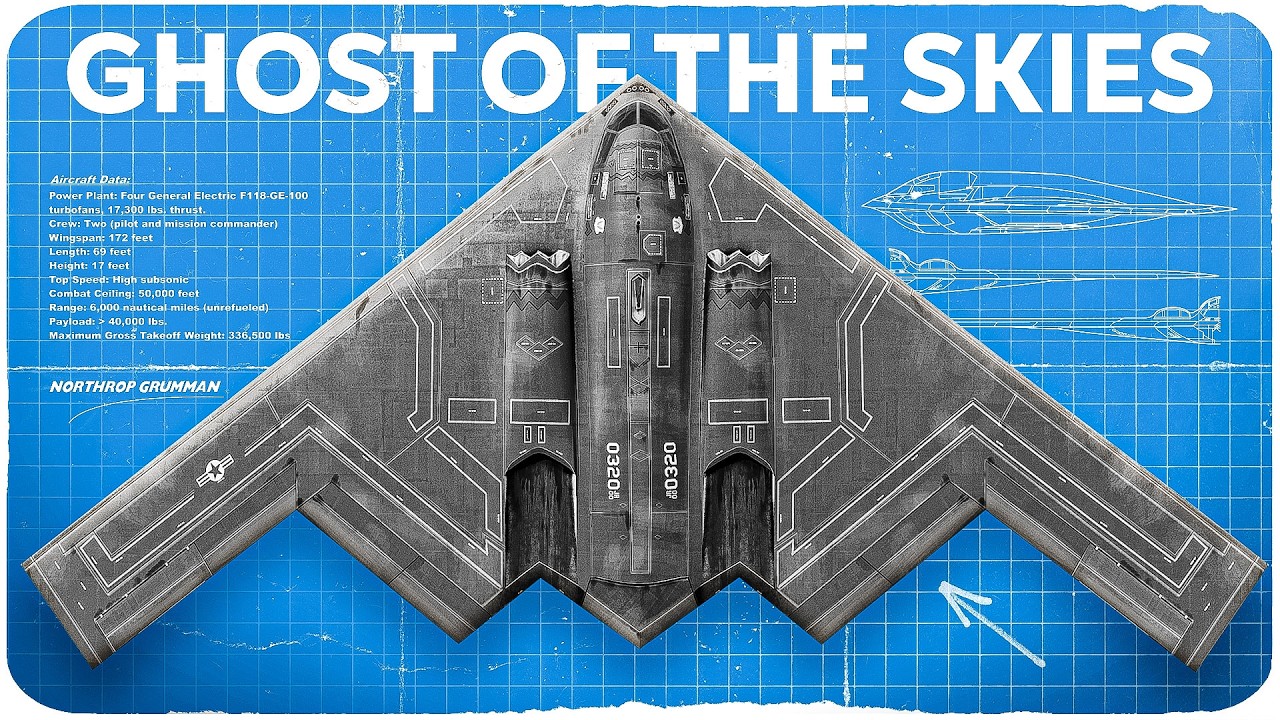
  • The incredibly advanced engineering of the B-2 Bomber

    B-2 Bombers are the world's most expensive plane, coming in at a cost of $2B per aircraft. There are roughly 20 in the world, all in use by the United States Air Force. They are known for their single-wing profile, allowing for stealth and the ability to transport some of the world's largest bombs.

    Video

    The incredibly advanced engineering of the B-2 Bomber

  • What air travel was like between 1920 and 1960

    In the early days of commercial air travel, flights were short, cold, depressurized, and generally comfortable. After World War II, airlines competed for their high-end passengers by offering cocktails, meals, and plush seats, cultivating the image of the elite "Jet Set." By the 1960s, air transport was completely changing global trade and offering big profits to companies able to ship via plane. Read about the era here.

  • The evolution of Boeing's aircraft: an interactive guide

    This illustrated and interactive guide shows the evolution of Boeing's aircraft, from its 1916 seaplane to its 2020 777-9 model. The latter craft is a reiteration of the aircraft manufacturer's earlier 777 plane, which was the first commercial passenger airliner designed entirely on computers. Within a few years of the company's official launch in 1916, Boeing would supply the US with naval training planes during the Great War. When the war ended, surplus planes undermined the market, leading many manufacturers to collapse. Boeing stayed afloat by manufacturing other products, including furniture and boats.