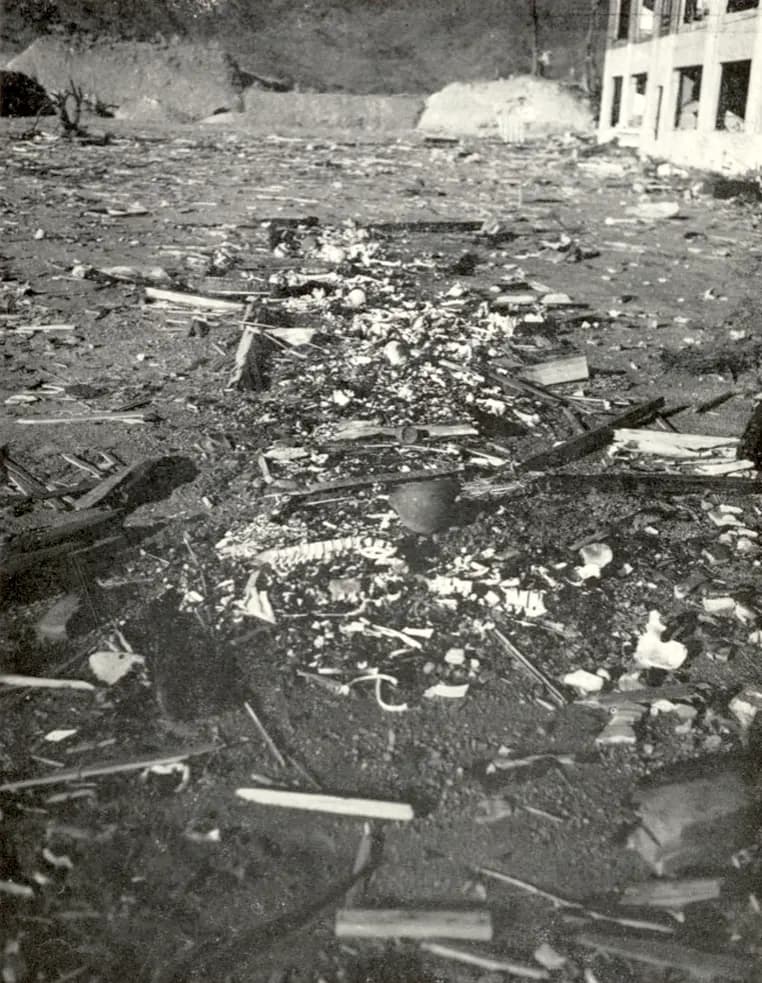
Posted by Drew SteigerwaldJul 14The death toll of the atomic bombings in Japan remains disputed, with estimates ranging from 110,000 to 210,000.Show 4 more findings ZoomCounting the dead at Hiroshima and Nagasakihttps://thebulletin.org/2020/08/counting-the-dead-at-hiroshima-and-nagasaki/
Posted by Jeremy CronigFeb 20The atomic bombs dropped on Japan had massive human costsThe US atomic bombings of Hiroshima and Nagasaki in August 1945 killed around 210,000 people—more than 38,000 of them estimated to be children—with tens of thousands more later dying from radiation-linked illnesses, leaving lifelong trauma and increased cancer risks.https://www.icanw.org/hiroshima_and_nagasaki_bombings
Posted by Drew SteigerwaldJul 14On August 6, 1945, the Enola Gay dropped the first atomic bomb used in warfare on Hiroshima, Japan, killing at least 80,000 people instantly.Show 4 more findings ZoomThe Most Fearsome Sight: The Atomic Bombing of Hiroshima | The National WWII Museum | New Orleanshttps://www.nationalww2museum.org/war/articles/atomic-bomb-hiroshima
Posted by Teddy BurkhardtAug 3, 2023Nine eyewitness accounts of Hiroshima and Nagasaki survivorsJapan's Hiroshima and Nagasaki became the first cities in history to be hit with nuclear weapons, where tens of thousands of civilians were killed nearly instantly. Hundreds of thousands of people who survived the bombings—referred to as hibakusha—dealt with wounds, radiation poisoning, and alienation from a society unable to process what had happened. This collection of accounts lets nine of those survivors speak, including one of the 165 survivors of both bombings. ZoomNine Harrowing Eyewitness Accounts of the Bombings of Hiroshima and NagasakiSmithsonian Magazinehttps://www.smithsonianmag.com/history/nine-harrowing-eyewitness-accounts-bombings-hiroshima-and-nagasaki-180975480/
Posted by Meher QazilbashAug 5, 2025Okinawa’s ferocity convinced the US atomic bombs was necessaryThe brutal 82-day Battle of Okinawa—where US forces suffered nearly 50,000 casualties and Japanese military and civilians lost over 200,000 lives—clinched the grim reality that a full invasion of Japan would be even bloodier. This stark lesson directly shaped American decisions to deploy atomic weapons, aiming to avoid a potentially catastrophic ground war on the Japanese mainland. 19:05Okinawa 1945: Japan's Last Standhttps://www.youtube.com/watch?v=ha5WvjOF7Rc
Posted by Teddy BurkhardtDec 4, 2025A list of reasons against dropping the bomb on JapanOne of the perennial moral debates, the dropping of nuclear bombs on Japanese cities prompted strong, polarizing reactions at the time. This article breaks down one side of the argument: that the bomb was designed for defense, using it was illegal and racist, and that there were alternatives.Reasons Against Dropping the Atomic BombHISTORYhttps://www.historyonthenet.com/reasons-against-dropping-the-atomic-bomb
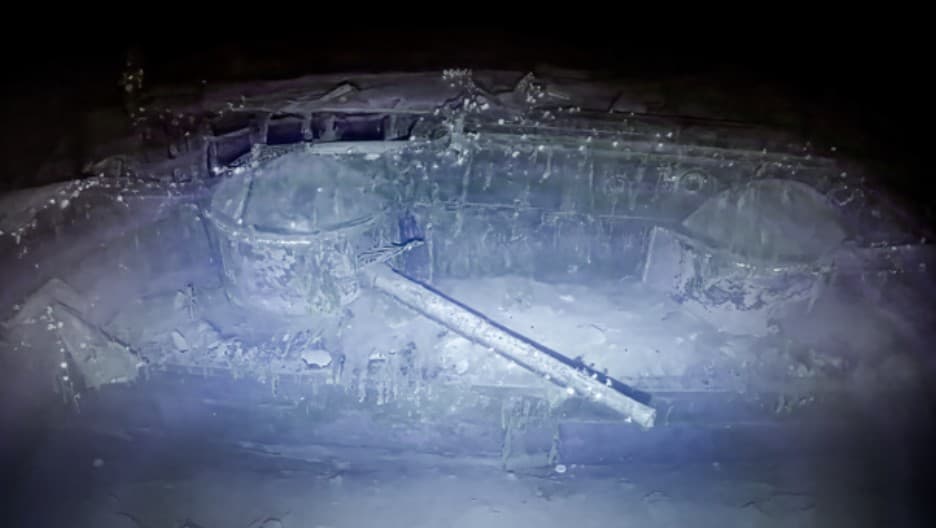
Posted by Teddy BurkhardtDec 3, 2025A single bomb on the USS Arizona killed 1,177 crew members in secondsWhen a Japanese armor-piercing bomb triggered the explosion of the USS Arizona’s forward magazine during the attack, the blast killed 1,177 crew members within moments—accounting for nearly half of all American deaths at Pearl Harbor. 14:41What happened to the USS Arizona? (Pearl Harbor)https://www.youtube.com/watch?v=WZI_g6WMbCk
Posted by Drew SteigerwaldAug 27, 2024Cold War nuclear tests exposed thousands to atomic blastsAfter World War II, nuclear powers conducted thousands of weapons tests. This video pairs archival footage with interviews of veterans who witnessed Pacific test explosions, capturing the scale, shock, and human experience of being near a nuclear detonation. 12:17What Does a Nuclear Bomb Explosion Feel Like?https://www.youtube.com/watch?v=Y__dxTaGEp0
Posted by Marco Daniel MachadoApr 2Learn how Japan used the jet stream to launch attacks on US soil during World War IIIn the final two years of the war, over 9,000 Fu-Go balloon bombs were launched from Japan, with about a thousand estimated to have reached North America. Six civilians killed by a Fu-Go bomb in Bly, Oregon, on May 5, 1945, became the only known deaths on American soil by enemy action during the war. 3:19National Geographichttps://www.youtube.com/watch?v=0m9EqDlBBeg
Posted by Teddy BurkhardtMar 3, 2023Nuclear weapons in WWIIThis 14-minute interactive documentary broaches the subject of the human cost of nuclear warfare. Comparing the number of deaths during World War II with the projected deaths of a nuclear exchange, the video can be paused to delve deeper into individual statistics, historical tidbits, and more data that shows the terrible price humanity would pay. ZoomThe Shadow Peace, Part 1 - Data-driven documentary on nuclear war and peacekeepershttp://www.fallen.io/shadow-peace/1/
Posted by August MoonAug 5The Chernobyl disaster released more radioactive material than the Hiroshima bomb.Show 3 more findings 1:17The Story of Chernobyl1440 Originalshttps://youtube.com/shorts/KpGdCjJUoRs
Posted by Teddy BurkhardtMar 5What happened to Americans who were in Japan during Pearl Harbor?When Japan bombed Pearl Harbor in December 1941, roughly 10,000 American civilians were stranded in Japanese-occupied territory. Tense diplomatic negotiations eventually secured two prisoner exchanges conducted via ship across 20,000 nautical miles to return nearly 3,000 Allied civilians, while Japanese Americans in North and South America were sent in the opposite direction, many to a country they had never called home.The untold story of America's WWII civilian prisoner exchanges with JapanSmithsonian Magazinehttps://www.smithsonianmag.com/history/after-pearl-harbor-americans-living-in-japan-endured-imprisonment-torture-and-a-lengthy-battle-to-return-home-180988258/
Posted by Kevin KearneyNov 26, 2025John Hersey’s ‘Hiroshima’ focused on the stories of atomic bomb victimsThe nonfiction book is considered one of the earliest pieces of New Journalism and an arresting case against nuclear warfare. Describing the pain, wounds and trauma of six ordinary citizens, “Hiroshima” played a powerful role in American perception of the war by focusing on its human toll. ZoomJohn Hersey’s ‘Hiroshima’ focused on the stories of atomic bomb victimsBBChttps://www.bbc.com/news/magazine-37131894
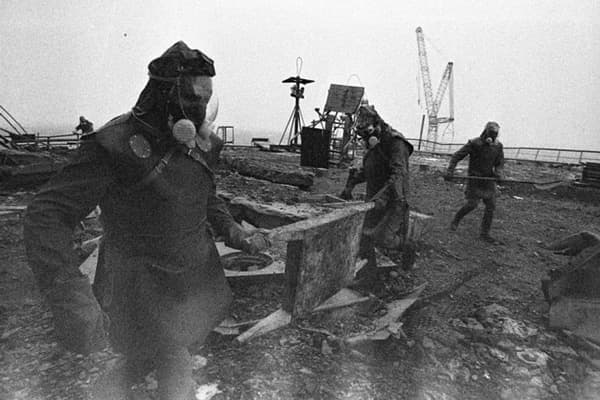
Posted by Marco Daniel MachadoAug 5More than 500,000 people worked to contain Chernobyl's fallout, many with very little radiation protection.Show 3 more findings ZoomOver 500,000 people worked to contain Chernobyl's fallouthttps://radioactivity.eu.com/articles/nuclearenergy/chernobyl_liquidators
Posted by Teddy BurkhardtDec 3, 2025Japan committed mass war crimes during its invasion of ChinaDuring the 1937 invasion, Japanese forces carried out systematic atrocities—including mass executions, rape, torture, forced labor, and chemical warfare. The Nanjing Massacre alone killed tens of thousands over a span of six weeks, with some estimates claiming 300,000. 17:02The Nanjing Massacre: Unparalleled Horrorhttps://www.youtube.com/watch?v=pA-q68ReSY4&t=86s
Posted by Teddy BurkhardtApr 7Oppenheimer reflected on the atomic bomb's legacy two decades laterIn a 1965 CBS interview, J. Robert Oppenheimer discussed his role as Los Alamos director, expressing deeply mixed feelings about Hiroshima and Nagasaki and reflecting on how nuclear weapons had transformed the world since their first use. 8:13From the archives: Robert Oppenheimer in 1965 on if the bomb was necessaryhttps://www.youtube.com/watch?v=AdtLxlttrHg
Posted by Jeremy CronigJun 22The formal Japanese unconditional surrender that ended World War II took place on the deck of the USS Missouri in Tokyo Bay on Sept. 2, 1945.Show 4 more findings 8:48Japanese Sign Final Surrender in 1945https://www.youtube.com/watch?v=7fq3WRPr2qQ
Posted by Teddy BurkhardtDec 3, 2025The attacks prompted a quick jump in American public support for warIn a Gallup poll taken days after the attack, an extraordinary 97% of Americans approved Congress declaring war on Japan—reflecting overwhelming national unity in the wake of the strike.Gallup Vault: A Country Unified After Pearl HarborGallup.comhttps://news.gallup.com/vault/199049/gallup-vault-country-unified-pearl-harbor.aspx
Posted by Meher QazilbashAug 5, 2025Japan's attack on Pearl Harbor caused heavy losses but failed to cripple the US navyJapan’s air assault sank or damaged 18 warships (including eight battleships) and destroyed 188 aircraft, killing 2,403 Americans, yet all three Pacific Fleet aircraft carriers were absent and survived, and vital infrastructure like oil depots and repair yards remained intact—preserving core US naval power and enabling a rapid recovery. Watch original reporting here. 6:15Original Pearl Harbor News FootageThe Atlantichttps://www.youtube.com/watch?v=A2kSnlS4xX8
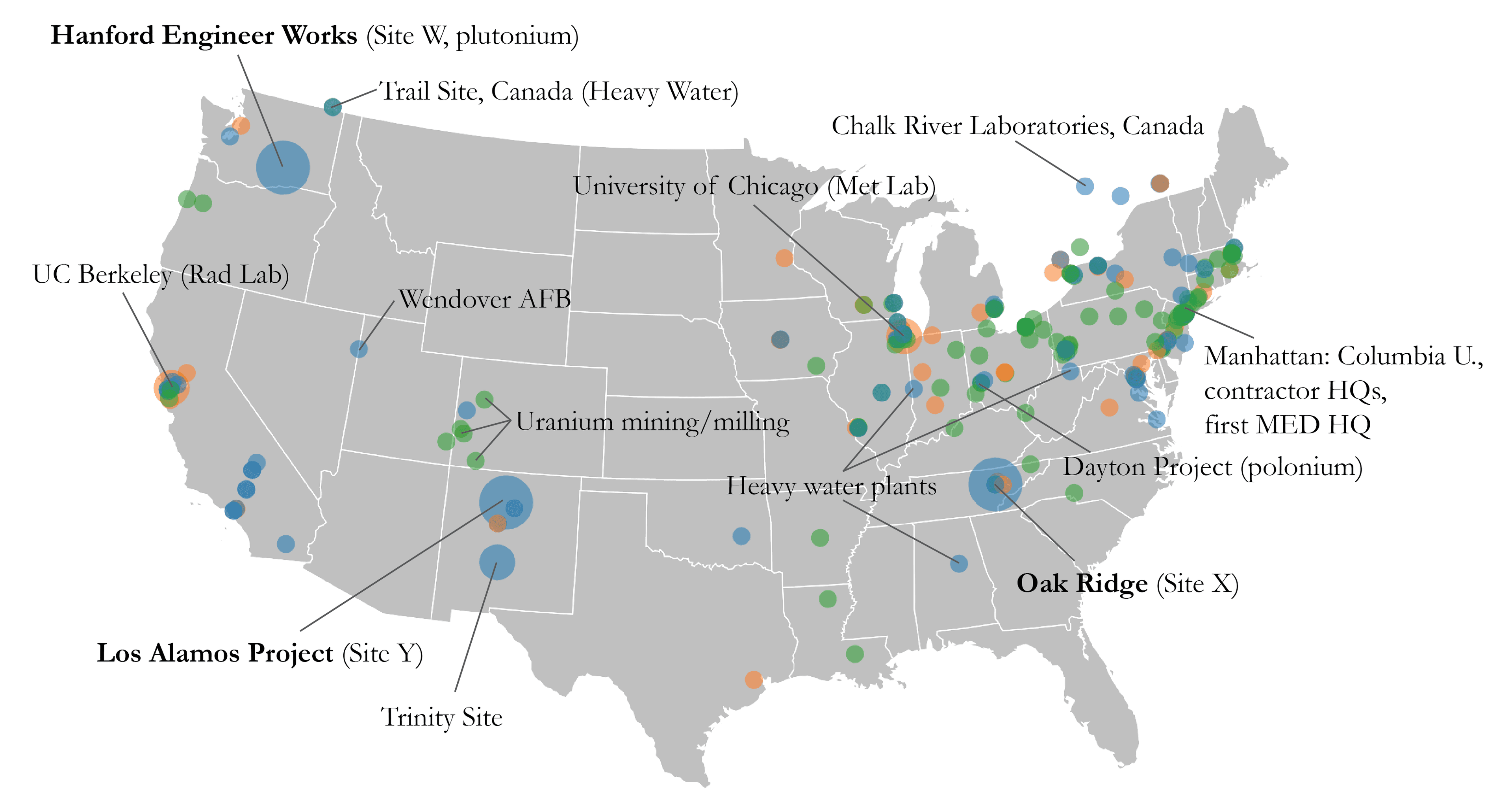
Posted by August MoonJun 24The Manhattan Project, the top-secret American program that built the world's first atomic bomb, cost $27B in today's dollars and reshaped global power.Show 4 more findings 5:13What Was the Manhattan Project?1440 Originalshttps://www.youtube.com/watch?v=HdhJSgcBvwY
Posted by Teddy BurkhardtMar 3, 2023How many people died in WWII?Fallen.io, a short animated data-driven documentary about war and peace, explores the harrowing statistics of World War II and sizes up its numbers to other wars in history, including recent conflicts. Watch and click through this interactive documentary to learn more. ZoomThe Fallen of World War II - Data-driven documentary about war & peacehttp://www.fallen.io/ww2/
Posted by Teddy BurkhardtMay 11, 2022A graphic illustration of death tolls in historical events and warsWhich killed more, the American Civil War or the Korean War? Hurricane Katrina or the Titanic sinking? You’ll be surprised how wrong you are about death tolls. ZoomThe Death Toll Comparison Breakdown — Wait But Whyhttps://waitbutwhy.com/2013/08/the-death-toll-comparison-breakdown.html
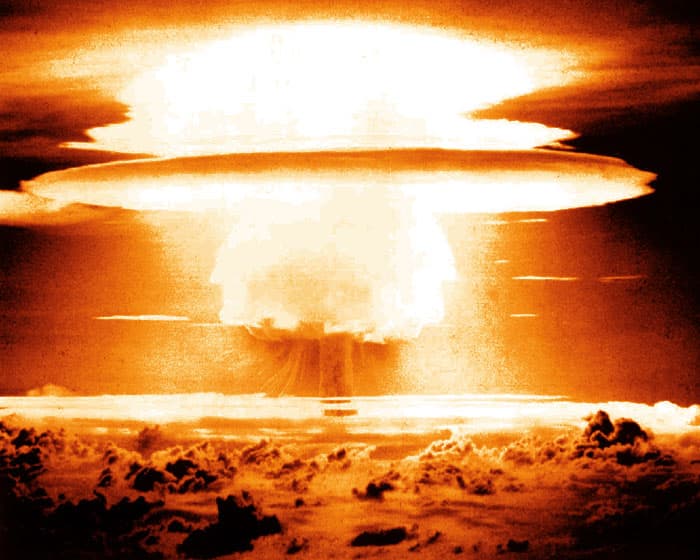
Posted by Teddy BurkhardtOct 9, 2025The H-bomb is hundreds of times more powerful than the bomb dropped on HiroshimaUnlike the atomic bombs dropped on Hiroshima, which relied on nuclear fission, the hydrogen bomb uses fusion to unleash vastly greater destructive power. Developed by both superpowers in the 1950s, it gave each the ability to destroy entire cities in seconds. ZoomWhat Is the Difference Between a Hydrogen Bomb and an Atomic Bomb?TIMEhttps://time.com/4954082/hydrogen-bomb-atomic-bomb/
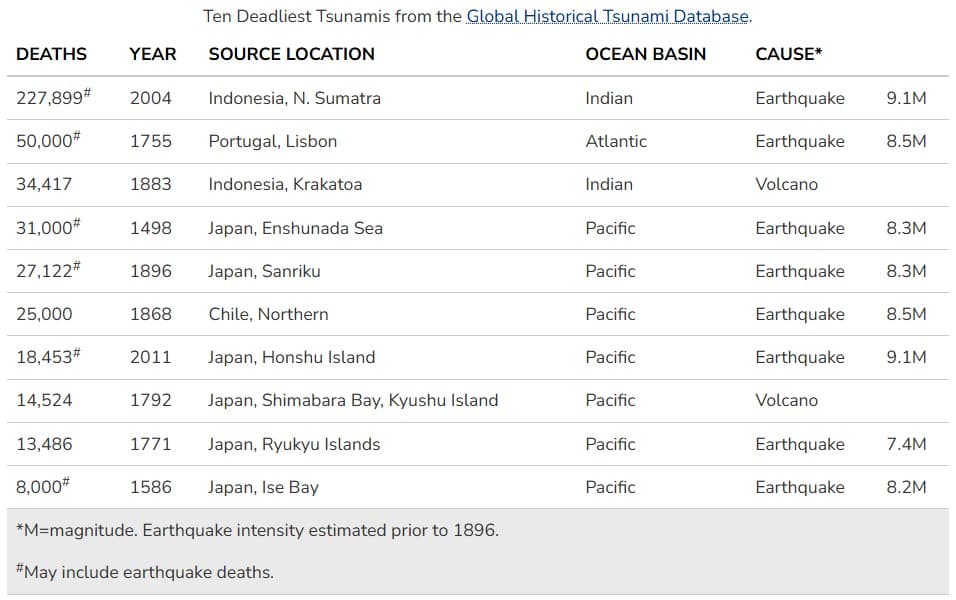
Posted by Marco Daniel MachadoAug 10From 1610 BCE to 2025 CE, at least 250 of the over 3,000 confirmed tsunamis were deadly, and the 2004 Indonesia tsunami was the deadliest, with over 227,000 casualties. ZoomHistorical ContextNOAAhttps://www.noaa.gov/jetstream/tsunamis/historical-context
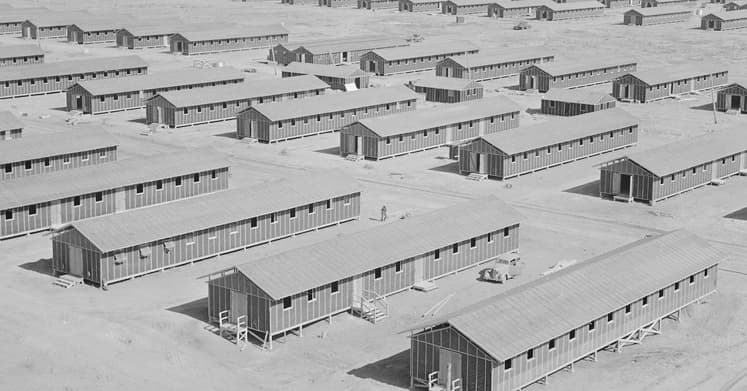
Posted by Teddy BurkhardtDec 3, 2025The Pearl Harbor attack led to the mass internment of Japanese AmericansIn the months after Pearl Harbor, the US forcibly removed and incarcerated about 120,000 Japanese Americans—two-thirds of them citizens. Driven by fear and racism, the policy is now recognized as a grave violation of civil rights. ZoomIntroduction to WWII Incarceration - Densho: Japanese American Incarceration and Japanese Internmenthttps://densho.org/learn/introduction/
Posted by Drew SteigerwaldAug 27, 2024The Manhattan Project was one of the most expensive undertakings of World War II Building the first atomic weapons required hundreds of thousands of workers, vast secret facilities, and enormous spending. This 1998 study details the full cost of the Manhattan Project and compares it to other major US wartime expenditures. ZoomThe Costs of the Manhattan Project | BrookingsThe Brookings Institutionhttps://www.brookings.edu/the-costs-of-the-manhattan-project/
Posted by Teddy BurkhardtJul 20, 2023Interviews from the Manhattan ProjectThis is an archive of interviews with people who worked on and were impacted by the Manhattan Project, the World War II-era effort that resulted in the atomic bomb. Listen to the "father of the atomic bomb," Julius Robert Oppenheimer, describe his daily routine during the project, which he reports officially started Dec. 6, 1941. This archive also includes interviews with survivors of the Hiroshima and Nagasaki bombings. ZoomVoices Home - Nuclear Museumhttps://ahf.nuclearmuseum.org/voices/
Posted by Teddy BurkhardtDec 3, 2025US intelligence failures contributed to the success of the Japanese attackDespite breaking Japan’s diplomatic codes, US agencies failed to integrate warnings, successfully track Japan’s carriers, or even believe a Hawaii strike was possible (they also had not cracked Japan’s naval codes). Missed signals, ignored reports and poor coordination led to one of the worst intelligence failures in US history.US Intelligence Failures at Pearl Harborhttps://www.nationalww2museum.org/war/articles/us-intelligence-failures-pearl-harbor
Posted by Marco Daniel MachadoFeb 19Misleading measurements and fear-based reporting often exaggerate radiation risksDaily exposure to radioactivity is common but occurs in low doses outside of locations near nuclear accidents like Chernobyl and Fukushima. Researchers have detected radiation in tuna, bananas, and the human body due to increasing instrumental sensitivity, not rising concentrations. 9:58Is radiation dangerous?https://www.youtube.com/watch?v=J-hfoDy904E
Posted by Jeremy CronigAug 28The toxic dust from 9/11 sites still claims lives decades laterIn the years after 9/11, nearly 17,000 first responders enrolled in health programs have reported cancers and respiratory diseases linked to Ground Zero exposure. More have died from related illnesses than were killed on the day itself.BBChttps://www.bbc.co.uk/future/article/20240911-911s-long-legacy-how-the-dust-and-smoke-from-the-twin-towers-attacks-is-still-claiming-lives
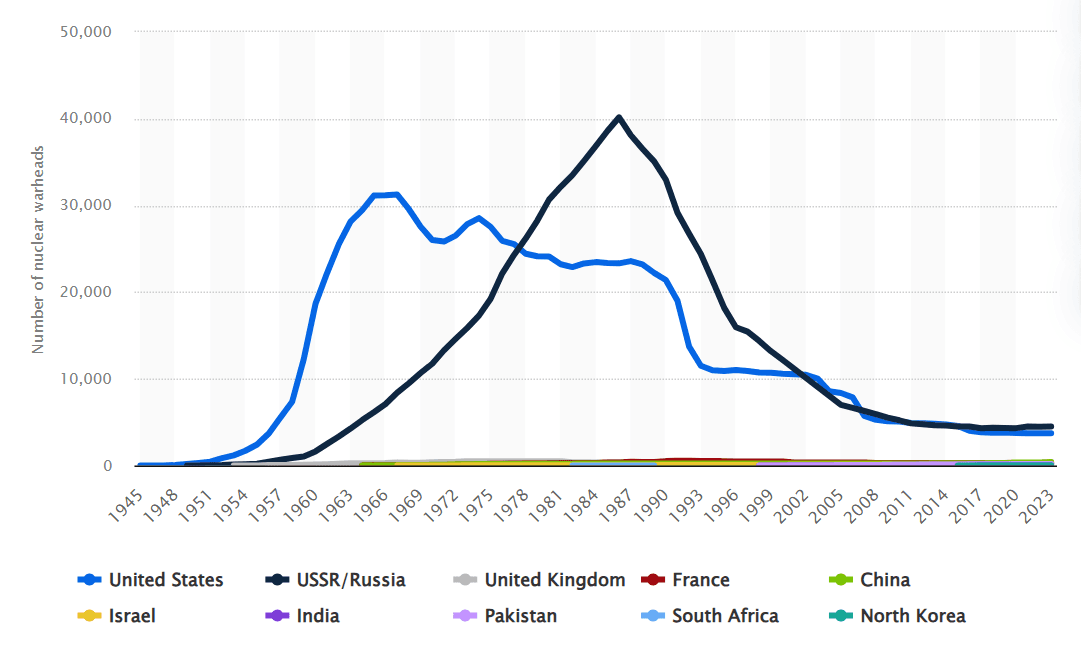
Posted by Jeremy CronigFeb 20See how global nuclear arsenals surged—then shrank—by country since 1945Worldwide nuclear stockpiles peaked at over 60,000 warheads in the mid‑1980s during the US-Soviet arms race. Today, about nine nations collectively maintain roughly 12,000 warheads, with Russia and the US still holding the majority. ZoomStatistahttps://www.statista.com/statistics/1071026/nuclear-warheads-per-country-historical-development/
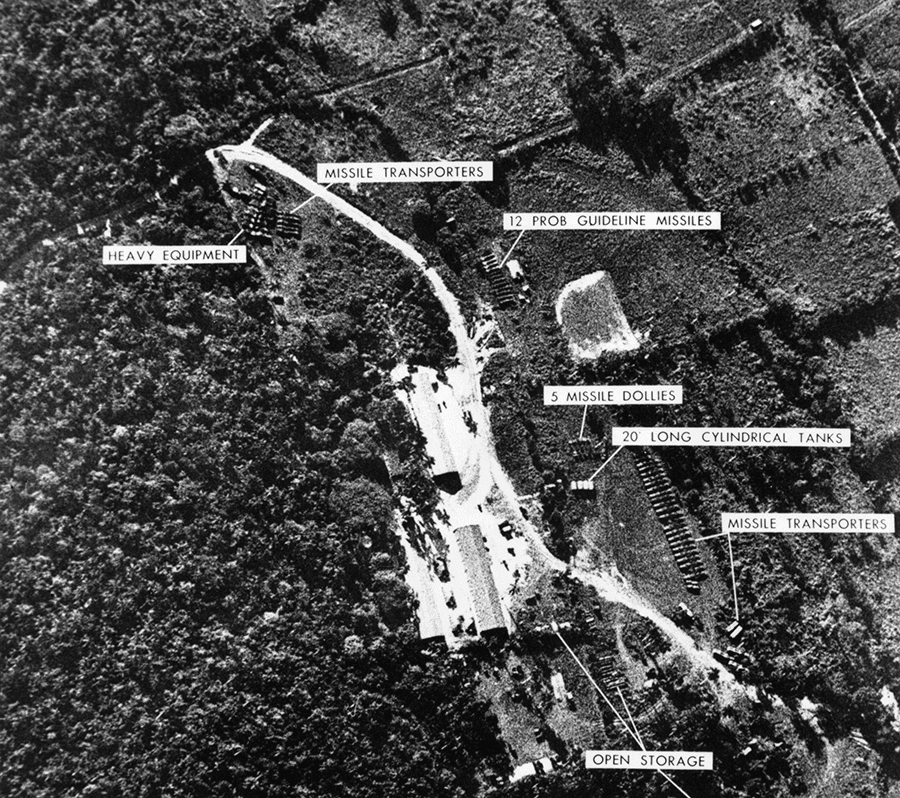
Posted by Drew SteigerwaldFeb 20The threat of nuclear annihilation reshaped global diplomacyThe first use of atomic weapons introduced the possibility of a war with no survivors. This article examines how nuclear fear shaped Cold War diplomacy and continues to influence international relations today. Zoomhttps://www.armscontrol.org/act/2022-04/features/nuclear-threats-and-alerts-looking-cold-war-background
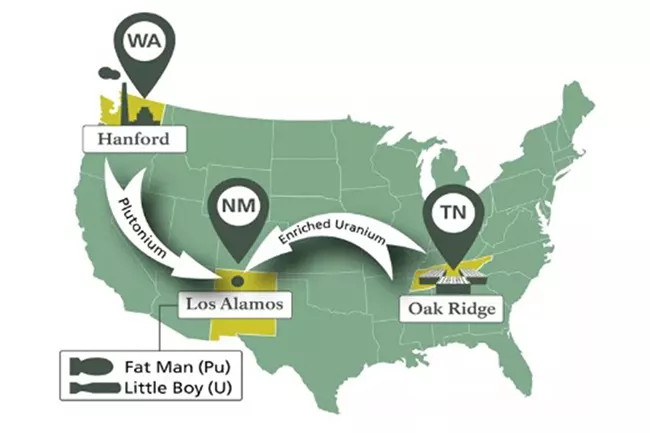
Posted by Drew SteigerwaldJul 14The Manhattan Project operated at three key sites, each with a distinct role in building the first atomic bomb.Show 3 more findings ZoomManhattan Project - Manhattan Project National Historical Park (U.S. National Park Service)National Park Servicehttps://www.nps.gov/mapr/learn/manhattan-project.htm
Posted by Marco Daniel MachadoAug 13Hiroshimaites are glass-like spheres of fallout debris found in Hiroshima, where conditions created by the atomic bomb forged a previously unknown metal alloy with a unique crystal structure.Show 3 more findings ZoomScientists Found a Strange New Material Born in the Fireball of the Hiroshima Atomic BombPopular Mechanicshttps://www.popularmechanics.com/science/a73350639/hiroshima-bomb-created-a-metal/
Posted by Teddy BurkhardtOct 1, 2024The story of the Manhattan Project's unused demon coreA 3-inch, 14-pound sphere of nuclear reactive plutonium-gallium was set to be delivered to the Pacific Theater in 1945 to become the third atomic bomb dropped over Japan. When Japan surrendered, it was returned to Los Alamos in New Mexico for experiment, where two scientists would die testing whether the core could reach criticality—where it would release intense energy—via the use of a dense reflector. Watch the story here. 14:16Demon Core - The True Storyhttps://www.youtube.com/watch?v=aFlromB6SnU
Posted by Dina Fine MaronMay 19Heatstroke deaths may be massively undercounted—perhaps by a factor of 10One often-cited average estimate of annual American heat deaths—roughly 1,200 per year—is based on death certificate data, but it may be a significant undercount because heat kills through cardiovascular, kidney, and respiratory causes that are more likely to be cited on those documents. (Separate analysis that looked at data from 1999 to 2023 found that the highest number, in 2023, was 2325.) ZoomIn Warming World, Global Heat Deaths Are Grossly UndercountedYale e360https://e360.yale.edu/features/kristie-ebi-interview
Posted by Teddy BurkhardtAug 21See a visualization of the Japanese attack on Pearl Harbor.that allowedShow 3 more findings 17:58Attack on Pearl Harbor 1941https://www.youtube.com/watch?v=f6cz9gtMTeI
Posted by Meher QazilbashDec 11, 2024View a timeline of the Chernobyl disasterThe 1986 Chernobyl meltdown, caused by a combination of poor safety design and human error, is the worst nuclear accident in history. At least three dozen people died in the direct aftermath, and experts believe thousands suffered premature cancer deaths from radiation exposure. ZoomChernobyl Timeline: How a Nuclear Accident Escalated to a Historic Disaster | HISTORYHISTORYhttps://www.history.com/news/chernobyl-disaster-timeline
Posted by Dina Fine MaronMay 19Heat-related deaths may have climbed by more than 50% over 20 yearsBetween 2000 and 2009 one study suggests annual heat deaths averaged around 2,670, but between 2010 and 2020 that figure was likely more than 4,000. Researchers studied 54 million death records from the contiguous US and created mathematical models to arrive at these figures, noting that a combination of aging populations and climate change drove that increase. ZoomWarming U.S. climate linked to rising deaths from heatYale School of Public Healthhttps://ysph.yale.edu/news-article/warming-us-climate-linked-to-rising-deaths-from-heat/
Posted by Marco Daniel MachadoMay 16, 2025Hurricanes may kill 300 times more people than officially reportedA recent study suggests that, since 1930, more than 3.5 million people have died due to hurricanes. This incorporates the long-term effects of storms on people's health and economic well-being, contributing to thousands of premature deaths each year. ZoomHurricanes contribute to thousands of deaths each year — many times the reported numberNPRhttps://www.npr.org/2024/10/02/nx-s1-5131305/hurricanes-contribute-to-thousands-of-deaths-each-year-in-the-u-s-many-times-the-reported-number