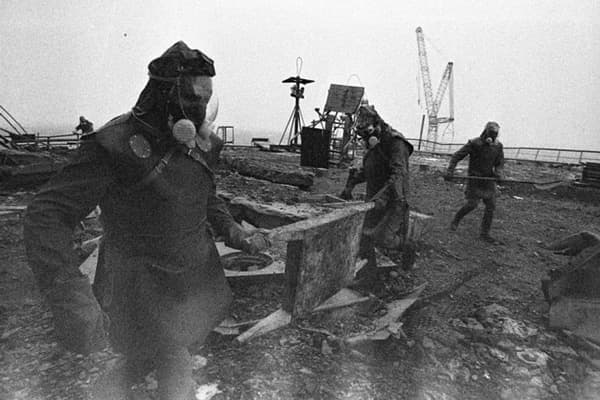
Posted by Marco Daniel MachadoAug 5More than 500,000 people worked to contain Chernobyl's fallout, many with very little radiation protection.Show 3 more findings ZoomOver 500,000 people worked to contain Chernobyl's fallouthttps://radioactivity.eu.com/articles/nuclearenergy/chernobyl_liquidators
Posted by August MoonAug 5The Chernobyl disaster released more radioactive material than the Hiroshima bomb.Show 3 more findings 1:17The Story of Chernobyl1440 Originalshttps://youtube.com/shorts/KpGdCjJUoRs
Posted by Marco Daniel MachadoAug 5See what became of Pripyat, the Soviet town built to house Chernobyl's plant workers, a year after the nuclear disaster forced its evacuation.Show 2 more findings 2:321987: Chernobyl ghost townCNNhttps://www.youtube.com/watch?v=QhFaMG5YXhs
Posted by Marco Daniel MachadoDec 11, 2025About 1,200 'grandmothers' returned to their homes after the Chernobyl disasterAfter the evacuation of the Exclusion Zone, about 1,200 mostly elderly women illegally went back to their ancestral villages and became known as the "babushkas of Chernobyl." Some have described the trauma of permanent relocation as less tolerable than potential radiation risks. 1:10:19The Babushkas of Chernobyl | Documentary Central | Full Moviehttps://www.youtube.com/watch?v=q-WWiOUQeSY
Posted by Meher QazilbashDec 11, 2024View a timeline of the Chernobyl disasterThe 1986 Chernobyl meltdown, caused by a combination of poor safety design and human error, is the worst nuclear accident in history. At least three dozen people died in the direct aftermath, and experts believe thousands suffered premature cancer deaths from radiation exposure. ZoomChernobyl Timeline: How a Nuclear Accident Escalated to a Historic Disaster | HISTORYHISTORYhttps://www.history.com/news/chernobyl-disaster-timeline
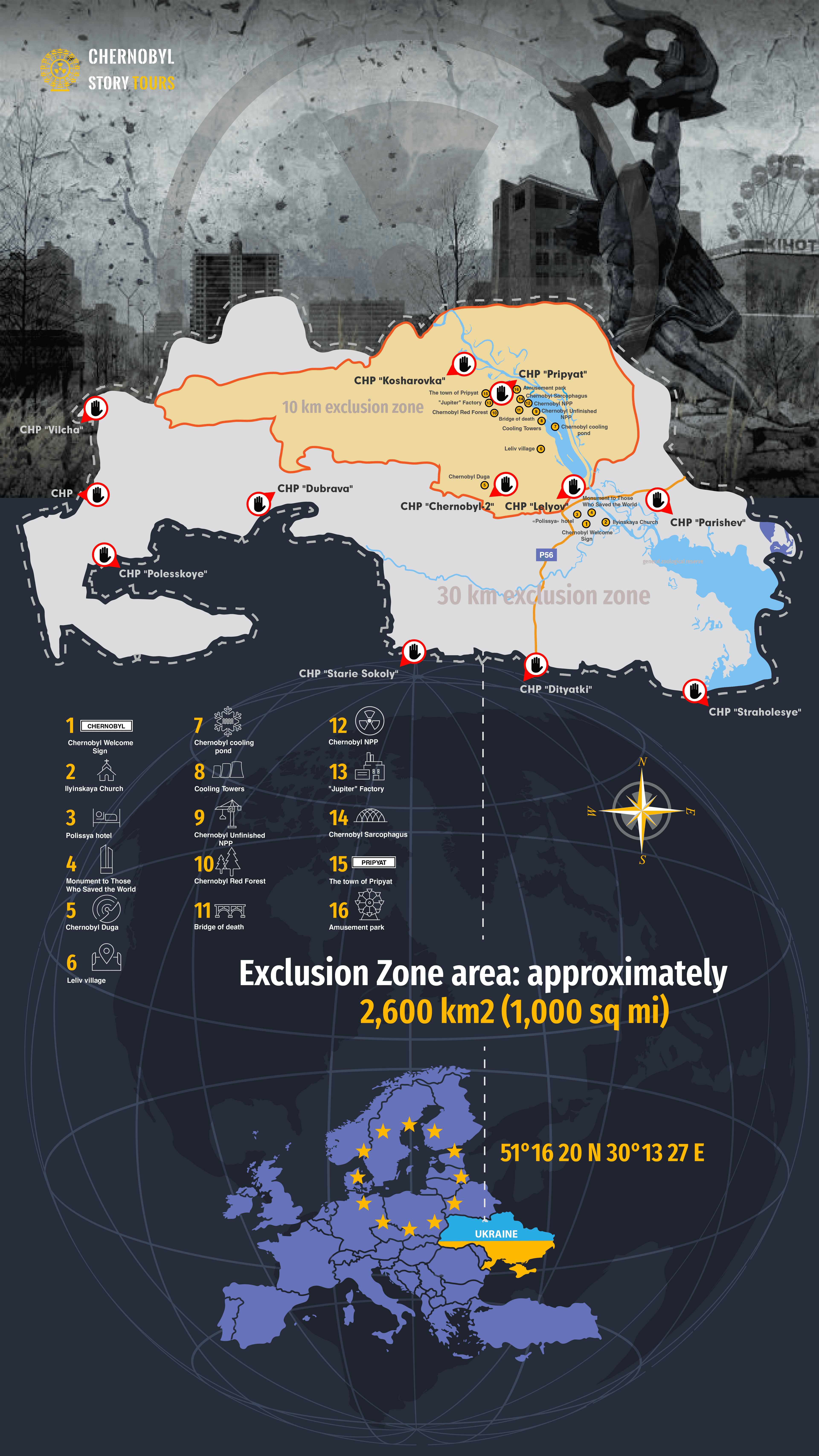
Posted by Marco Daniel MachadoDec 11, 2025The Chernobyl exclusion zone remains a region restricted to public accessIt now spans beyond the initial 30-kilometer radius around the nuclear plant to include surrounding areas found to have significant radioactive contamination. Aside from a handful of elderly self-settlers, permanent residency is banned, and access remains tightly controlled due to lingering radioactive contamination. ZoomThe Chernobyl Exclusion Zone remains a region restricted to public accesshttps://chernobylstory.com/wp-content/uploads/2021/08/map1.png
Posted by Marco Daniel MachadoDec 11, 2025Explore illustrative depictions of Chernobyl in comic booksPieces related to the location since the nuclear disaster have told stories about radioactive vampires and monsters, accounts of bureaucratic corruption and creed, and visual retellings of experiences those in the region lived through before and after the event. ZoomExplore illustrative depictions of Chernobyl in comic bookshttps://digitalscholarship.brynmawr.edu/reactor-room/projects/illustrating-chornobyl/
Posted by Marco Daniel MachadoDec 11, 2025The disaster affected the Soviet Union's credibility at home and abroadThe USSR's secretive, chaotic response to Chernobyl dealt a significant blow to its legitimacy. Public anger over deception, health risks, and propaganda fueled mass protests, strengthened independence movements in Ukraine and Belarus, and convinced many Soviets that the system was failing. ZoomThe disaster affected the Soviet Union's credibility at home and abroadBBChttps://www.bbc.com/news/world-europe-36139863
Posted by Marco Daniel MachadoDec 11, 2025The highly contaminated Chernobyl region suffers from reduced biodiversityAlthough isolation and radiation have driven adaptations in some organisms, decades of radiation have caused ongoing harm to wildlife and vegetation, including population declines in birds and insects. Higher rates of deformities and tumors have also been seen compared with animals in surrounding regions. 5:11The Animals of Chernobyl | The New York TimesThe New York Timeshttps://www.youtube.com/watch?v=TG-nwQBBfmc
Posted by Marco Daniel MachadoDec 11, 2025Chernobyl's remaining reactors kept running for 14 years after the explosionDue to energy shortages in Ukraine, Chernobyl's other undamaged reactors continued operating for years. Units 1 and 2 operated until 1996 and 1991, respectively, while Reactor 3 remained online until December 15, 2000, when Ukraine finally shut down the plant.Chernobyl's remaining reactors kept running for 14 years after the explosionhttps://world-nuclear.org/information-library/safety-and-security/safety-of-plants/chernobyl-accident
Posted by Marco Daniel MachadoDec 11, 2025Watch a visualization of the construction of Chernobyl's sarcophagusBuilt to contain the remains of Reactor 4 after the nuclear disaster, the "shelter structure" was constructed from about 400,000 cubic meters of concrete—enough to fill 160 Olympic-sized swimming pools. Construction required vehicles and cranes modified with special shielding to protect workers. 12:02Covering Chernobyl - The Impossible Taskhttps://www.youtube.com/watch?v=oEBowzX28IE
Posted by Marco Daniel MachadoDec 11, 2025Watch an animated, step-by-step reconstruction of the Chernobyl explosionThis video shows how a 1986 safety test at Chernobyl spiraled out of control—leading to a massive rise in temperatures, an explosion and reactor meltdown that produced the largest civilian nuclear disaster in history. 3:26The Chernobyl Disaster: How It Happenedhttps://www.youtube.com/watch?v=f5ptI6Pi3GA
Posted by Marco Daniel MachadoDec 11, 2025The Chernobyl disaster prompted a sharp decline in public confidence in nuclear powerA Gallup poll from two months after the disaster showed 73% of respondents opposed building a nuclear plant near their homes—up from 45% in 1976. Chernobyl and other nuclear accidents remain in the public consciousness today in debates about nuclear power.The Chernobyl disaster triggered a sharp decline in public confidence in nuclear powerGallup.comhttps://news.gallup.com/vault/191099/gallup-vault-nuclear-power-plant-fears-chernobyl.aspx
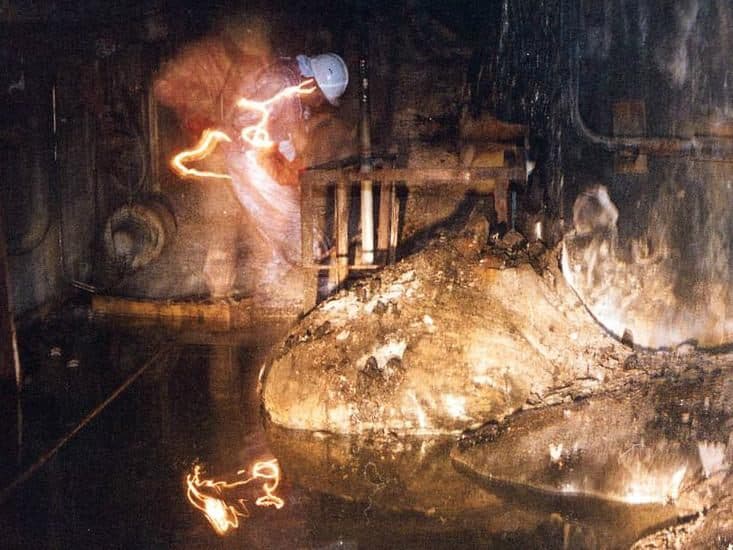
Posted by Marco Daniel MachadoDec 11, 2025The 'Elephant's Foot' in Chernobyl is part of the largest documented mass of coriumThe nuclear disaster produced around 200 tons of nuclear fuel that mixed with the surrounding melted reactor core materials. As of 2025, corium has been naturally formed four other times in history: once during the Three Mile Island accident and three times at the Fukushima Daiichi plant disaster. ZoomThe 'Elephant's Foot' in Chernobyl is part of the largest documented mass of coriumAtlas Obscurahttps://www.atlasobscura.com/articles/elephants-foot-chernobyl
Posted by Marco Daniel MachadoDec 11, 2025Watch an American news report of the Chernobyl disasterAmericans first heard about the Chernobyl nuclear disaster two days after the event, once abnormal radiation was detected in nearby countries. This forced Soviet officials to acknowledge the catastrophe publicly for the first time a few days after it occurred. 4:26Chernobyl Nuclear Disaster: News Report From April 28, 1986ABC Newshttps://www.youtube.com/watch?v=XmeeEpWxfRY
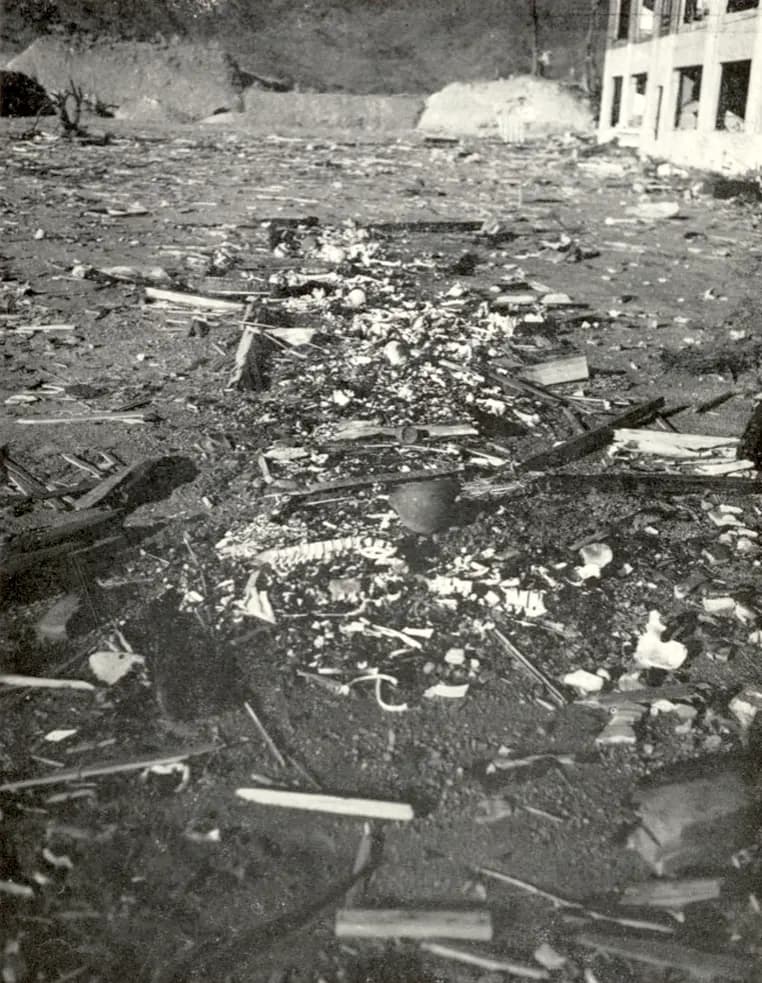
Posted by Drew SteigerwaldJul 14The death toll of the atomic bombings in Japan remains disputed, with estimates ranging from 110,000 to 210,000.Show 4 more findings ZoomCounting the dead at Hiroshima and Nagasakihttps://thebulletin.org/2020/08/counting-the-dead-at-hiroshima-and-nagasaki/
Posted by Marco Daniel MachadoDec 11, 2025Chernobyl pushed the world to create rapid-alert systems for nuclear accidentsIn the aftermath of the disaster, nations adopted new agreements requiring immediate international notification of nuclear accidents. They coordinated emergency assistance—efforts led by the International Atomic Energy Agency to prevent future disasters from being concealed when radiation emergencies occur.Chernobyl pushed the world to create rapid-alert systems for nuclear accidentshttps://www.iaea.org/topics/chornobyl
Posted by Marco Daniel MachadoDec 11, 2025Limited transparency soon after Chernobyl made it a source of conspiracy theoriesSome rumors about the event became perceived as more reliable than the Soviet mass media, which had omitted key information during the early days of uncertainty. The resulting theories included CIA involvement in the disaster, three-headed birds, aliens, and a weaponized earthquake.Limited transparency soon after Chernobyl made it a source of conspiracy theorieshttps://digitalscholarship.brynmawr.edu/reactor-room/projects/conflicting-truths/
Posted by Marco Daniel MachadoJun 30The Chernobyl exclusion zone has become a unique wildlife refugeWithin the area—roughly the size of Yosemite National Park—animals such as wolves, bears, and feral dogs descended from the pets left behind have gradually adapted to low-level radiation. Eastern tree frogs in the area have darker skin than usual, which may have helped protect them from ionizing radiation.The Chernobyl Exclusion Zone has become a unique wildlife refugeTiny Mattershttps://open.spotify.com/episode/4tDpTnBYW4Xpil2ZA9epgM
Posted by Marco Daniel MachadoDec 11, 2025View a photographic timeline of the building of Chernobyl's containment structuresThe first structure—built to last 20 to 30 years—served as a covering for the exploded reactor and was built from about 16 million pounds of steel. In 2016, a new containment shell was constructed nearby and rolled onto the previous structure before being finalized in 2019. ZoomView a photographic timeline of the building of Chernobyl's containment structuresBusiness Insiderhttps://www.businessinsider.com/chernobyl-disaster-sarcophagus-construction-dismantling-2019-9
Posted by Marco Daniel MachadoDec 11, 2025Dubbed 'stalkers,' some Ukrainian youth illegally explore Chernobyl's exclusion zoneA subculture of thrill-seekers, driven by a desire for rebellion and adventure, is representative of dark tourism in the region. Some stalkers sneak past militia posts to venture into abandoned ruins, risking radiation exposure while scavenging for ruins of the past. 58:18Stalking Chernobyl: Exploration After Apocalypse | Documentaryhttps://www.youtube.com/watch?v=x3wcUbm2gp4
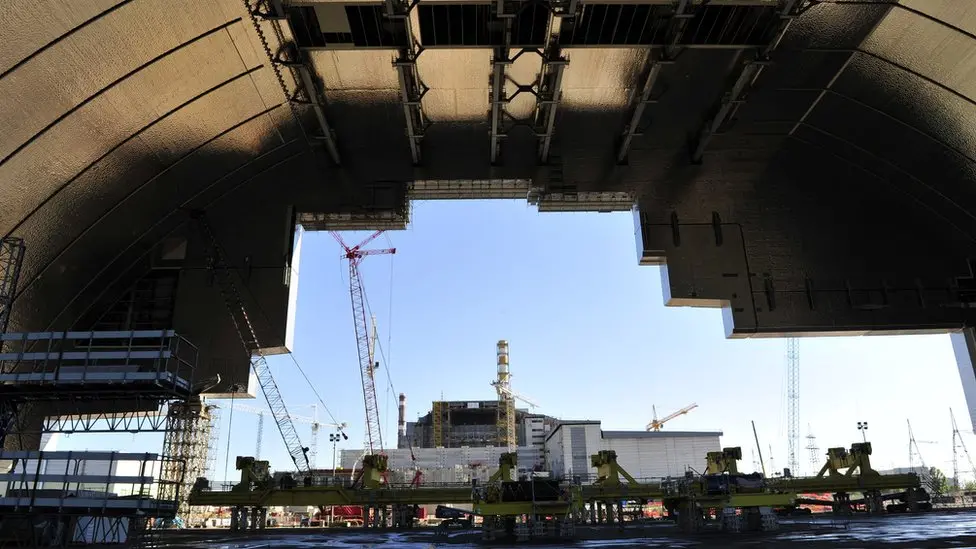
Posted by Marco Daniel MachadoDec 11, 2025The containment apparatus at Chernobyl is the world's largest movable metal structureCompleted in 2016, the "New Safe Confinement" is a €1.5B megastructure—the largest movable structure ever built. It was assembled next to the damaged reactor, then rolled into place along a special track to seal the site for at least 100 years. ZoomThe containment apparatus at Chernobyl is the world's largest movable metal structureBBChttps://www.bbc.com/news/world-europe-37978482
Posted by Marco Daniel MachadoDec 11, 2025An imbalance in nuclear reactivity factors caused Chernobyl's reactor to explodeThe initial explosion resulted from excessive steam pressure that had built up in a runaway manner due to design flaws and violations of safety protocols. Once exposed to atmospheric oxygen, the hot graphite in the control rods underwent a combustion reaction, resulting in a secondary explosion. 9:03What Exactly Happened at Chernobyl?Reactionshttps://www.youtube.com/watch?v=uvpS2lUHZD8
Posted by Jeremy CronigAug 28The toxic dust from 9/11 sites still claims lives decades laterIn the years after 9/11, nearly 17,000 first responders enrolled in health programs have reported cancers and respiratory diseases linked to Ground Zero exposure. More have died from related illnesses than were killed on the day itself.BBChttps://www.bbc.co.uk/future/article/20240911-911s-long-legacy-how-the-dust-and-smoke-from-the-twin-towers-attacks-is-still-claiming-lives
Posted by Marco Daniel MachadoDec 11, 2025Russia's invasion of Ukraine has destabilized safety and oversight at ChernobylRussian forces cut power and disabled monitoring of the decommissioned nuclear power plant in 2022, endangering operators at Chernobyl. In February 2025, a Russian drone struck the confinement structure—part of broader efforts to pressure Ukraine's energy infrastructure—punching a hole in the containment shell.Russia's invasion of Ukraine has destabilized safety and oversight at the Chernobyl siteThe New York Timeshttps://www.nytimes.com/2025/12/07/world/europe/chernobyl-ukraine-russian-drone-strike-radiation.html?unlocked_article_code=1.7k8.e8jx.CUn7wAjsiqGo&smid=url-share
Posted by Meher QazilbashFeb 20Ukraine once had the third-largest nuclear arsenal—and gave them all up by 1996.Show 3 more findingsThe night Ukraine gave up its nuclear weaponshttps://open.spotify.com/episode/4a486n4pt2hKZ1hhs26qAw
Posted by Jeremy CronigFeb 20The atomic bombs dropped on Japan had massive human costsThe US atomic bombings of Hiroshima and Nagasaki in August 1945 killed around 210,000 people—more than 38,000 of them estimated to be children—with tens of thousands more later dying from radiation-linked illnesses, leaving lifelong trauma and increased cancer risks.https://www.icanw.org/hiroshima_and_nagasaki_bombings
Posted by Marco Daniel MachadoDec 11, 2025Watch a time-lapse of the installation of the New Safe Confinement structureThe world's largest movable metal structure was built to contain the radioactive material from the 1986 Chernobyl disaster, which had previously been confined within a structure built to last no more than 30 years. The new structure was slowly rolled along rails over the course of two weeks. 1:04Watch as Chernobyl nuclear site is encased in a massive new tombhttps://www.youtube.com/watch?v=mHorhPALCBU
Posted by Marco Daniel MachadoFeb 19Misleading measurements and fear-based reporting often exaggerate radiation risksDaily exposure to radioactivity is common but occurs in low doses outside of locations near nuclear accidents like Chernobyl and Fukushima. Researchers have detected radiation in tuna, bananas, and the human body due to increasing instrumental sensitivity, not rising concentrations. 9:58Is radiation dangerous?https://www.youtube.com/watch?v=J-hfoDy904E
Posted by Marco Daniel MachadoDec 11, 2025The 'Chernobyl' miniseries is one of the most critically acclaimed TV shows everThe five-episode historical drama earned near-universal acclaim for its historical detail and haunting portrayal of the 1986 disaster, winning 10 Emmys and topping IMDb's all-time TV rankings upon its release.The 'Chernobyl' miniseries is one of the most critically acclaimed TV shows in historyVarietyhttps://variety.com/2019/digital/news/chernobyl-top-rated-tv-show-all-time-1203233833/
Posted by Marco Daniel MachadoJun 26Methods for disposing of nuclear waste include melting it into a liquid to create glass, dumping it into graphite blocks, storing it in lead-lined rooms, and submerging it in deep pools of water.Show 6 more findings 14:17So You Need To Dispose Of Some Nuclear Waste…SciShowhttps://www.youtube.com/watch?v=WroS9ckJKj8
Posted by Drew SteigerwaldAug 27, 2024Cold War nuclear tests exposed thousands to atomic blastsAfter World War II, nuclear powers conducted thousands of weapons tests. This video pairs archival footage with interviews of veterans who witnessed Pacific test explosions, capturing the scale, shock, and human experience of being near a nuclear detonation. 12:17What Does a Nuclear Bomb Explosion Feel Like?https://www.youtube.com/watch?v=Y__dxTaGEp0
Posted by Marco Daniel MachadoMay 14Over a lifetime, the average American's nuclear power usage creates a hockey puck of nuclear wasteSpent nuclear fuel remains hot and highly radioactive for long periods, requiring submersion in cooling pools before being stored in dry casks and deep underground repositories. The potential recycling of nuclear waste is impeded by security concerns and dangerous reprocessing methods, particularly when obtaining fresh uranium is often easier.What To Do With All This Nuclear Waste?Stuff You Should Knowhttps://open.spotify.com/episode/5XRvxf8PrqkELfKxj0p0ei
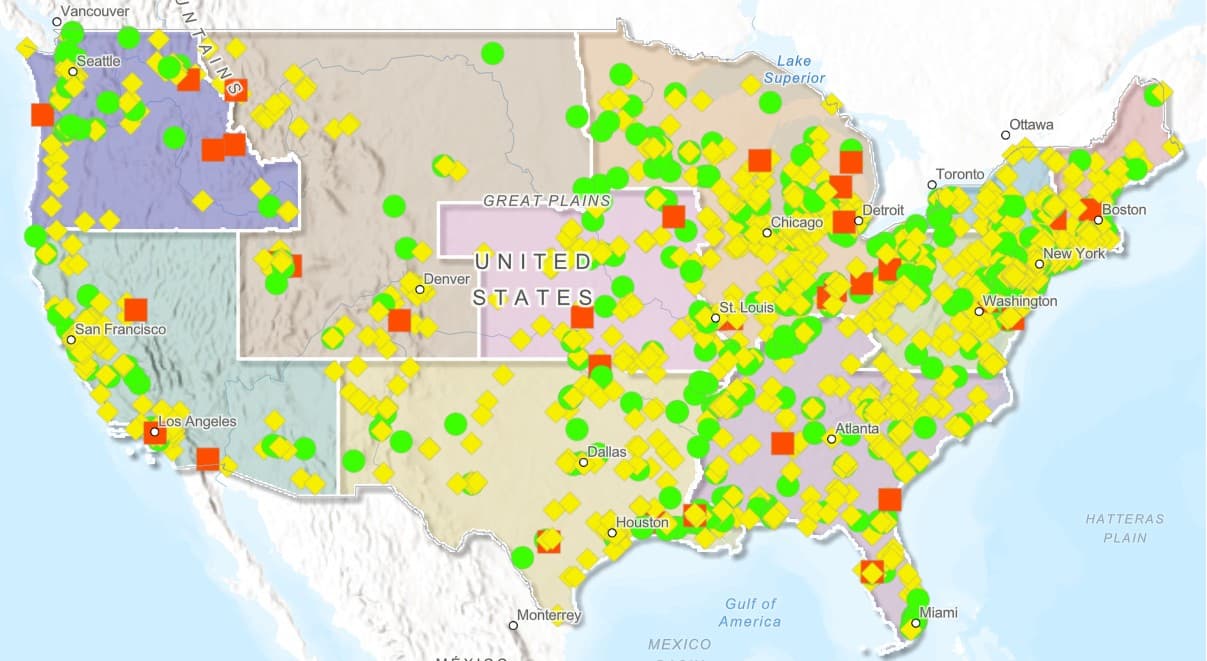
Posted by Marco Daniel MachadoAug 22, 2025As of 2024, there are 90,000 tons of nuclear waste stored at 100+ sites in 39 statesOver 315,000 bundles of spent nuclear fuel rods are stored in water pools and over 3,800 dry storage casks in concrete vaults above ground. Corrosion from saltwater spray threatens waste containers of reactors near oceans. ZoomHow and where is nuclear waste stored in the US?The Conversationhttps://theconversation.com/how-and-where-is-nuclear-waste-stored-in-the-us-252475
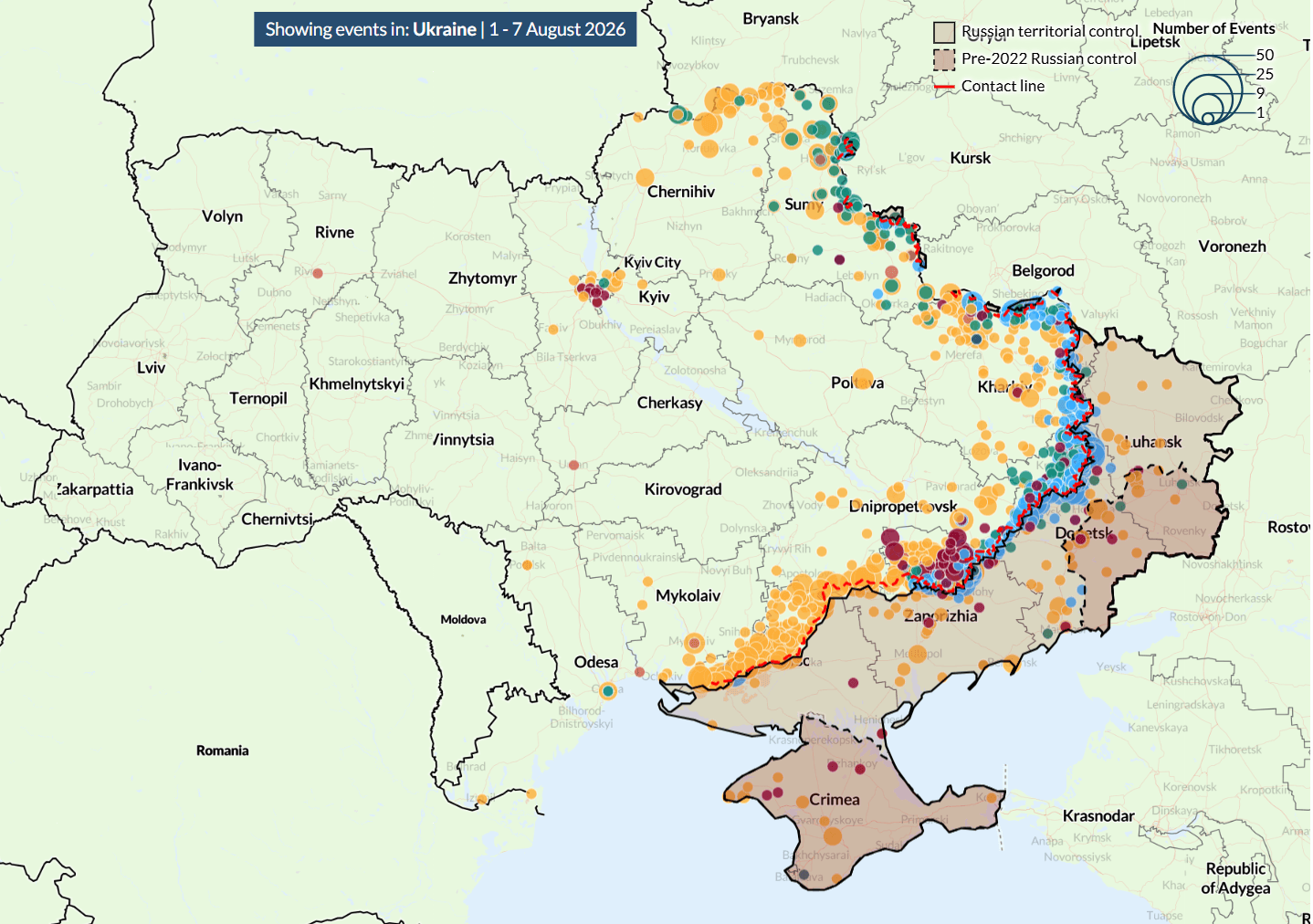
Posted by Jeremy CronigFeb 19The Russia-Ukraine conflict is the largest ground war in Europe since World War II in terms of casualties, forces mobilized, and displacement of civilians.Show 3 more findings ZoomUkraine Conflict Monitor: Russia-Ukraine war mapArmed Conflict Location & Event Datahttps://acleddata.com/monitor/ukraine-conflict-monitor
Posted by Marco Daniel MachadoJun 30The genetic diversity of dogs is greater within Chernobyl than in surrounding areasA 2023 study identified that packs of dogs located just 16 kilometers (10 miles) apart within the exclusion zone were more genetically different from one another than from stray dogs hundreds of kilometers away. Rather than radiation, this is likely the result of inbreeding within isolated packs.The genetic diversity of dogs is greater within Chernobyl than in the surrounding areashttps://open.spotify.com/episode/2nItAADOaju1AzM9L50Gya
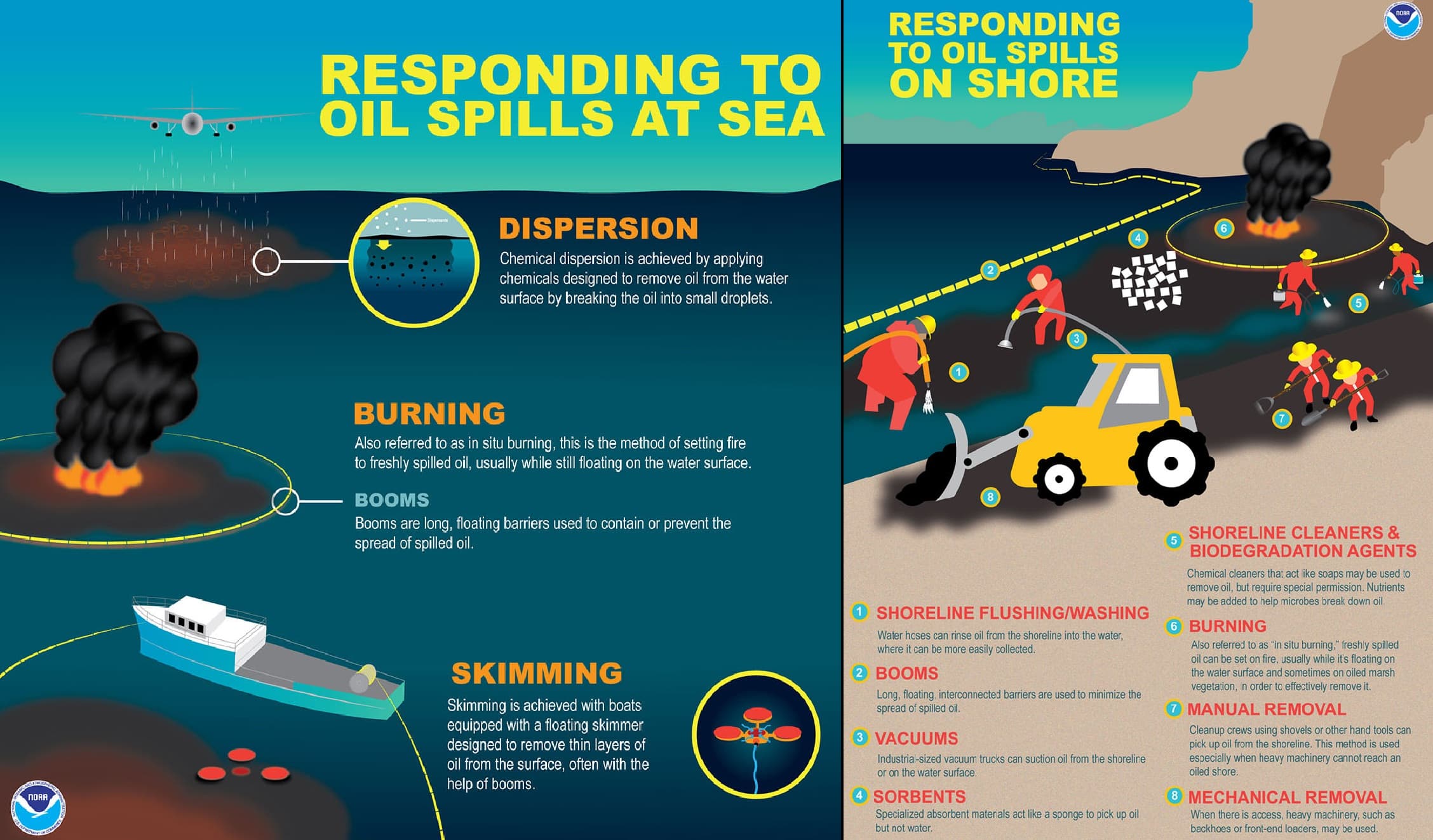
Posted by Marco Daniel MachadoApr 28How microbes limited the damage and helped clean up the Deepwater Horizon oil spillA bloom estimated to contain about 100 sextillion microbial cells broke down much of the 4.1 million barrels of spilled crude oil into nontoxic compounds in what was one of the most significant bioremediations of a human-made disaster. The microbes involved acted similarly to the first patented genetically modified organism in US history: an oil-eating bacterium engineered in 1971. 2:41Can Microbes Clean Up Our Oily Mess? - Instant Egghead #58Scientific Americanhttps://www.youtube.com/watch?v=a_HWlFzgQiM
Posted by Teddy BurkhardtAug 3, 2023Nine eyewitness accounts of Hiroshima and Nagasaki survivorsJapan's Hiroshima and Nagasaki became the first cities in history to be hit with nuclear weapons, where tens of thousands of civilians were killed nearly instantly. Hundreds of thousands of people who survived the bombings—referred to as hibakusha—dealt with wounds, radiation poisoning, and alienation from a society unable to process what had happened. This collection of accounts lets nine of those survivors speak, including one of the 165 survivors of both bombings. ZoomNine Harrowing Eyewitness Accounts of the Bombings of Hiroshima and NagasakiSmithsonian Magazinehttps://www.smithsonianmag.com/history/nine-harrowing-eyewitness-accounts-bombings-hiroshima-and-nagasaki-180975480/
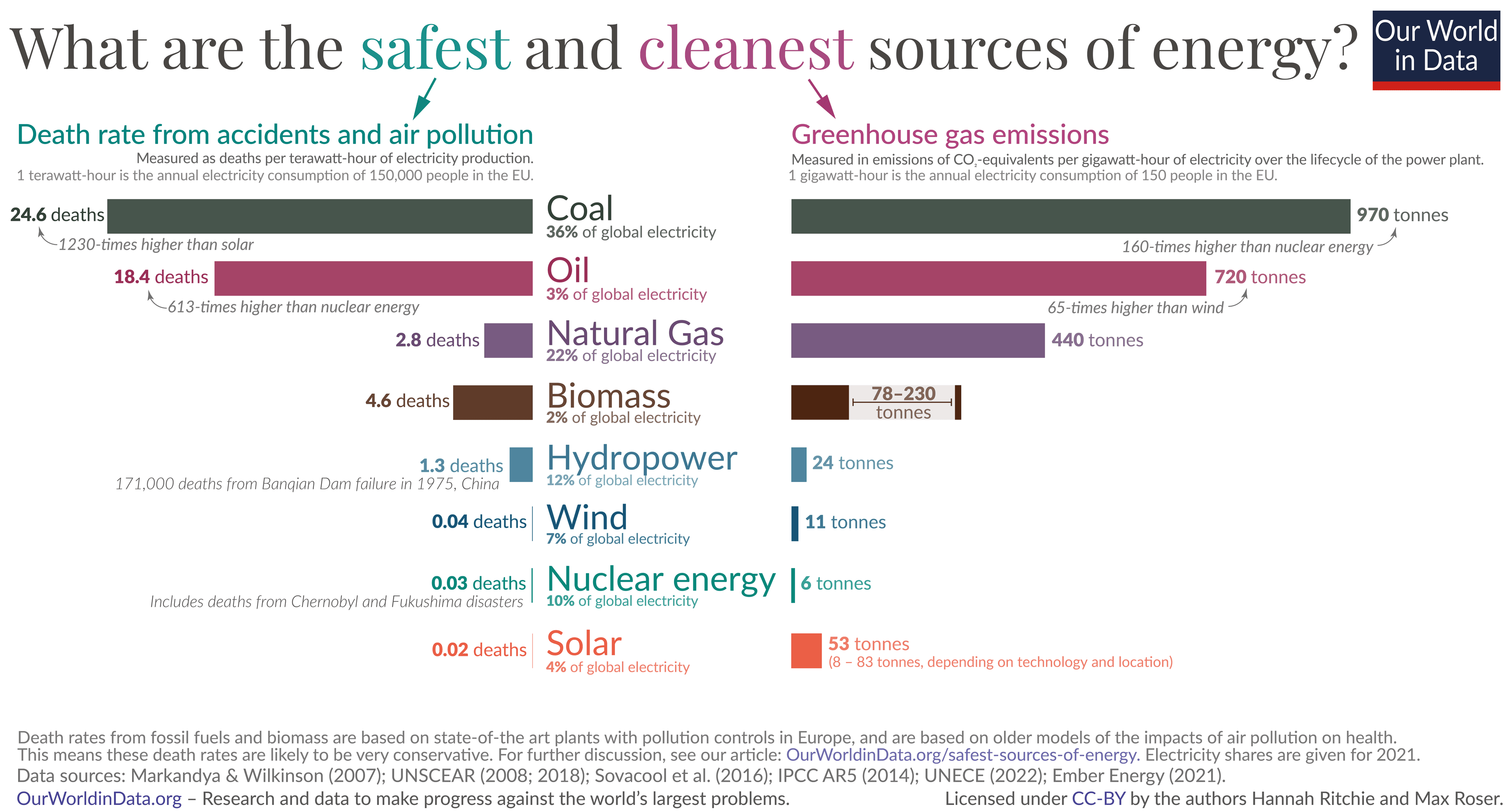
Posted by Meher QazilbashFeb 19Data from 2020 suggests that fossil fuels are the most dangerous and least clean energy sources, causing the most deaths and emitting the most greenhouse gases per unit of energy generated.Show 3 more findings ZoomWhat are the safest and cleanest sources of energy?Our World in Datahttps://ourworldindata.org/safest-sources-of-energy