Back

Posted by

Unlike America's recommendations, Australian authorities don't encourage routine sunscreen use for darker skin tones—reasoning that melanoma risk is low, and it's better to get UV exposure to help the body naturally produce vitamin D.

Findings

Additional insights we found via Science Vs

  1. This podcast assesses the science on thorny questions about the benefits and potential risks of modern sunscreen and concludes that, though some human research suggests substances from chemical sunscreens are absorbed into our bloodstream, the levels are not high enough to be dangerous. Randomized controlled trial data indicate that sunscreen helps reduce skin cancer risk.

  2. Some research finds that regular sunblock wearers are less able to produce vitamin D in the winter than those who don't wear sunblock regularly.

  3. Melanocytes are specialized cells that produce melanin in the body, essentially acting as sunblock for our DNA—protecting it from UV damage that could lead to cancer.

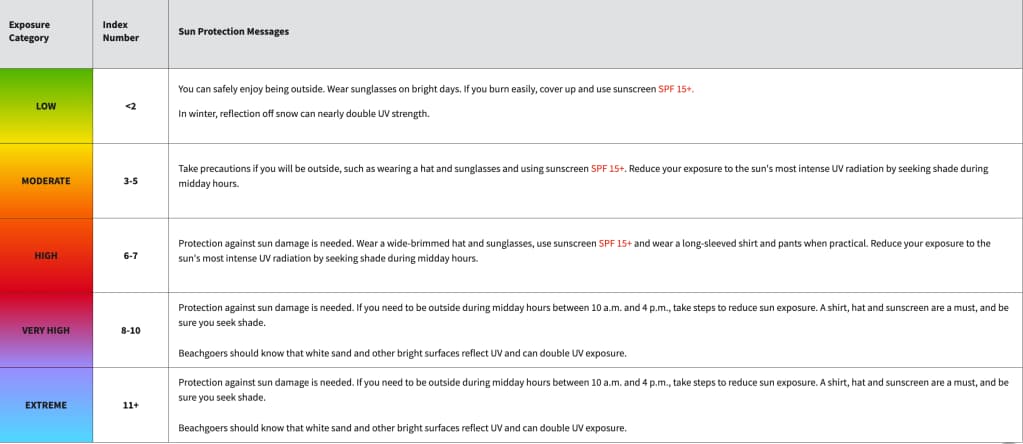
  4. Expert recommendations underscore that we don't wear enough sunblock. People should apply about one teaspoon of sunblock to their face, neck, and ears. The entire body should have about seven teaspoons of sunblock on it, at 50 SPF.

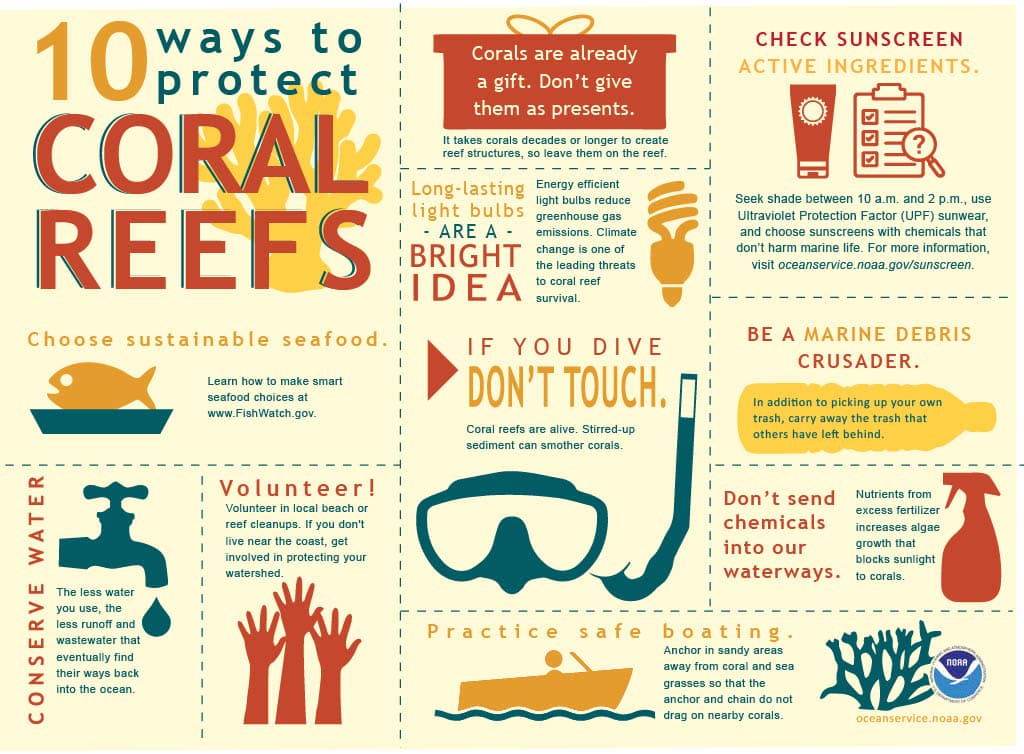
  5. Climate change does the most damage to coral reefs, not the chemicals in sunblock.

  6. Chemical sunblock is carbon-based, while mineral sunblock is not. Mineral sunblock contains ingredients like zinc oxide that sit on the skin's surface, so absorption is less of a concern.

  7. A Black dermatologist interviewed on this podcast says that he still personally wears sunblock when he goes to the beach because darker skin tones can get sunburns and also sunblock can protect against some age-related skin damage.

More Posts

You've reached the end.

Unlike America's recommendations, Australian authorities do… | 1440