Posted by Dina Fine MaronAug 20Hear what it's like to have malaria from a patient who suffered from the mosquito-borne disease.Show 4 more findingsEp 8 ABRACADABRA - Go Away Malaria!This Podcast Will Kill Youhttps://open.spotify.com/episode/1j0rB51Zl5sOhiGpV7ExBy
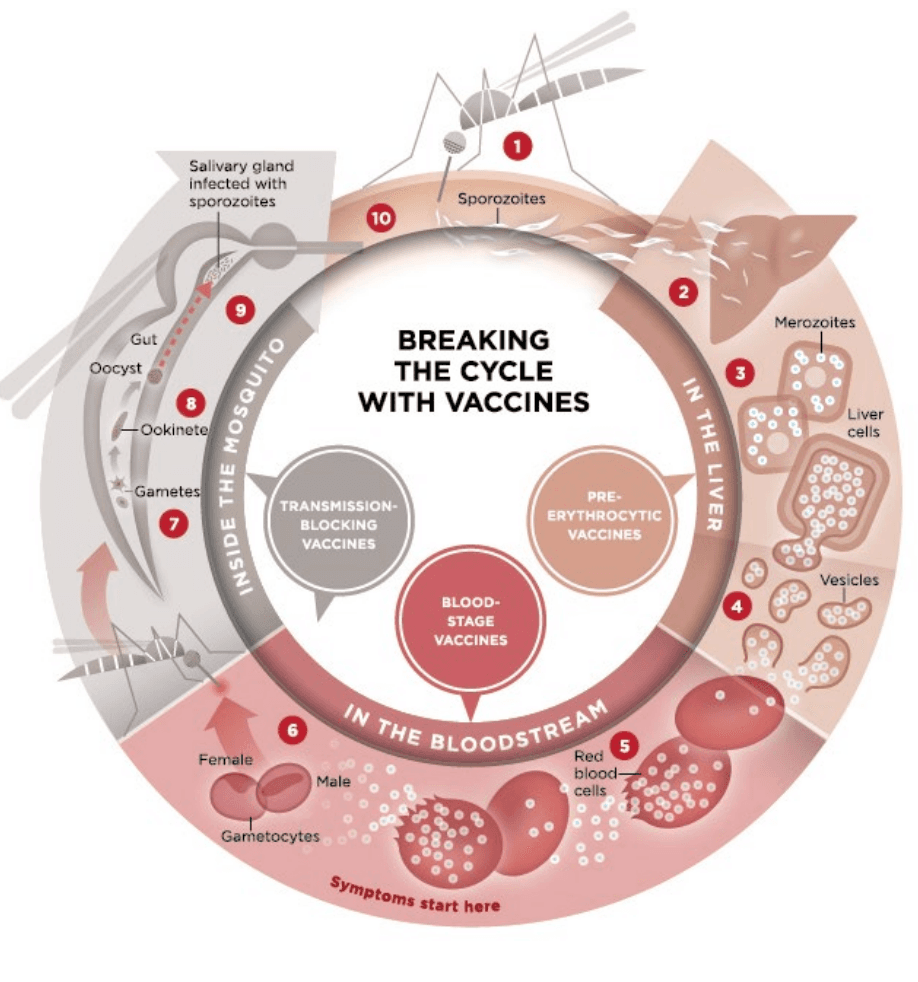
Posted by Dina Fine MaronMar 17See this graphic of the complex malaria transmission lifecycleFemale Anopheles mosquitoes contract malaria by feeding on the blood of a human already infected with the disease-causing parasite. The parasite then develops in the mosquito's gut for one to two weeks before it migrates to the mosquito's salivary glands. Next, when the mosquito bites another person the parasite is delivered into the bloodstream of another human. This graphic further details what happens inside the human body during infection. Zoomhttps://www.path.org/our-impact/resources/malaria-parasite-life-cycle-infographic/
Posted by Dina Fine MaronMar 17A malaria case in Maryland stumped doctors in 2023—leading to the wrong treatment and underscoring the challenge of physicians being mindful of tropical diseases in our interconnected world.Show 3 more findingsArs Technicahttps://arstechnica.com/health/2023/10/in-the-us-malaria-can-easily-masquerade-as-an-endemic-parasite/
Posted by Dina Fine MaronMar 17Children under 5 account for 76% of all malaria deaths in AfricaThe main hypothesis for why the disease hits this age group the hardest is that children this young have still-developing immune systems. Pregnant women and people with HIV/AIDS are also at higher risk of severe infection.World Health Organizationhttps://www.who.int/news-room/fact-sheets/detail/malaria
Posted by Dina Fine MaronMar 17The most severe form of malaria is caused by the Plasmodium falciparum parasite.Show 2 more findings 5:49Sri Chaitanya Academy NEEThttps://www.youtube.com/watch?app=desktop&v=BVRnNbb9cLU
Posted by Dina Fine MaronMar 17Malaria comes from the Italian term 'mal'aria,' meaning 'bad air'The term refers to marshy areas associated with the disease. An estimated 94% of malaria cases—215 million—occur in Africa.National Library of Medicinehttps://pmc.ncbi.nlm.nih.gov/articles/PMC10237628/
Posted by Dina Fine MaronMar 17Anopheles mosquitoes are developing resistance to insecticides.Show 2 more findings ZoomNew tools saved a million lives from malaria last year but progress under threat as drug resistance risesWorld Health Organizationhttps://www.who.int/news/item/04-12-2025-new-tools-saved-a-million-lives-from-malaria-last-year-but-progress-under-threat-as-drug-resistance-rises
Posted by Dina Fine MaronMar 17Untreated malaria can lead to blocked blood vessels in the brain, coma, and organ failure.Show 2 more findingsCleveland Clinichttps://my.clevelandclinic.org/health/diseases/15014-malaria
Posted by Dina Fine MaronAug 16, 2025Birds, rodents, monkeys, lizards, bats, apes, and livestock can all get malaria—just like humans. Show 1 more finding ZoomDo any animals get malaria? | Discover WildlifeDiscover Wildlifehttps://www.discoverwildlife.com/animal-facts/do-any-animals-get-malaria
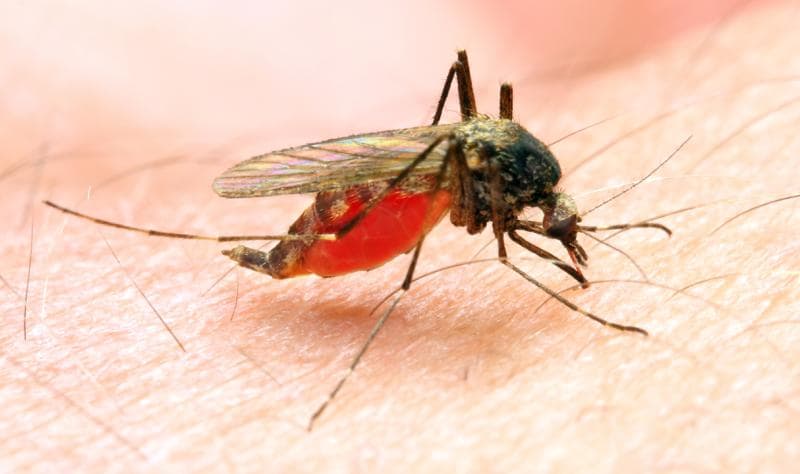
Posted by Dina Fine MaronMar 17Female Anopheles mosquito bites are the primary way malaria spreads.Show 2 more findingsUS Centers for Disease Control and Preventionhttps://www.cdc.gov/malaria/causes/index.html
Posted by Dina Fine MaronMar 17Antimalarials must be taken before traveling to a malaria-endemic areaMalaria prevention involves avoiding getting bitten by mosquitoes (with bug spray and clothing choices) and taking malaria preventative drugs before, during, and after spending time in an area with malaria risk. The drug must be in the blood before the traveler is exposed to malaria parasites.US Centers for Disease Control and Preventionhttps://www.cdc.gov/yellow-book/hcp/travel-associated-infections-diseases/malaria.html
Posted by Dina Fine MaronMay 18There's no cure for West Nile virus—and infection can leave patients with permanent symptomsThis news story features Marie Heilman, a woman who became ill at age 40 from an infected mosquito bite in her yard. She says she was in a coma for 15 days, and though she woke up, she suffers from seizures, fatigue, vision issues, and has had two strokes. 4:11West Nile Virus is here. Fight the bite.ABC10https://www.youtube.com/watch?v=4u32tDGbiTM
Posted by Dina Fine MaronMar 17The mosquito's role in the transmission of malaria was confirmed in 1897.Show 2 more findings ZoomNobel Prize in Physiology or Medicine 1902The Nobel Prizehttps://www.nobelprize.org/prizes/medicine/1902/ross/facts/
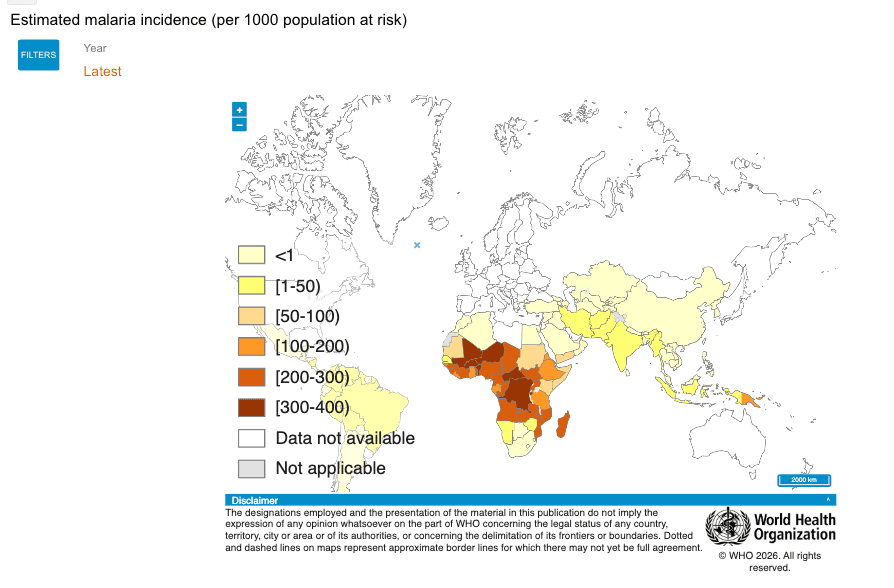
Posted by Dina Fine MaronMar 17See the geographic spread and incidence of malariaThis graphic shows the estimated global burden of malaria in 2025 as new cases per 1000 people at risk. ZoomWorld Health Organizationhttps://www.who.int/data/gho/data/indicators/indicator-details/GHO/malaria-incidence-%28per-1-000-population-at-risk%29
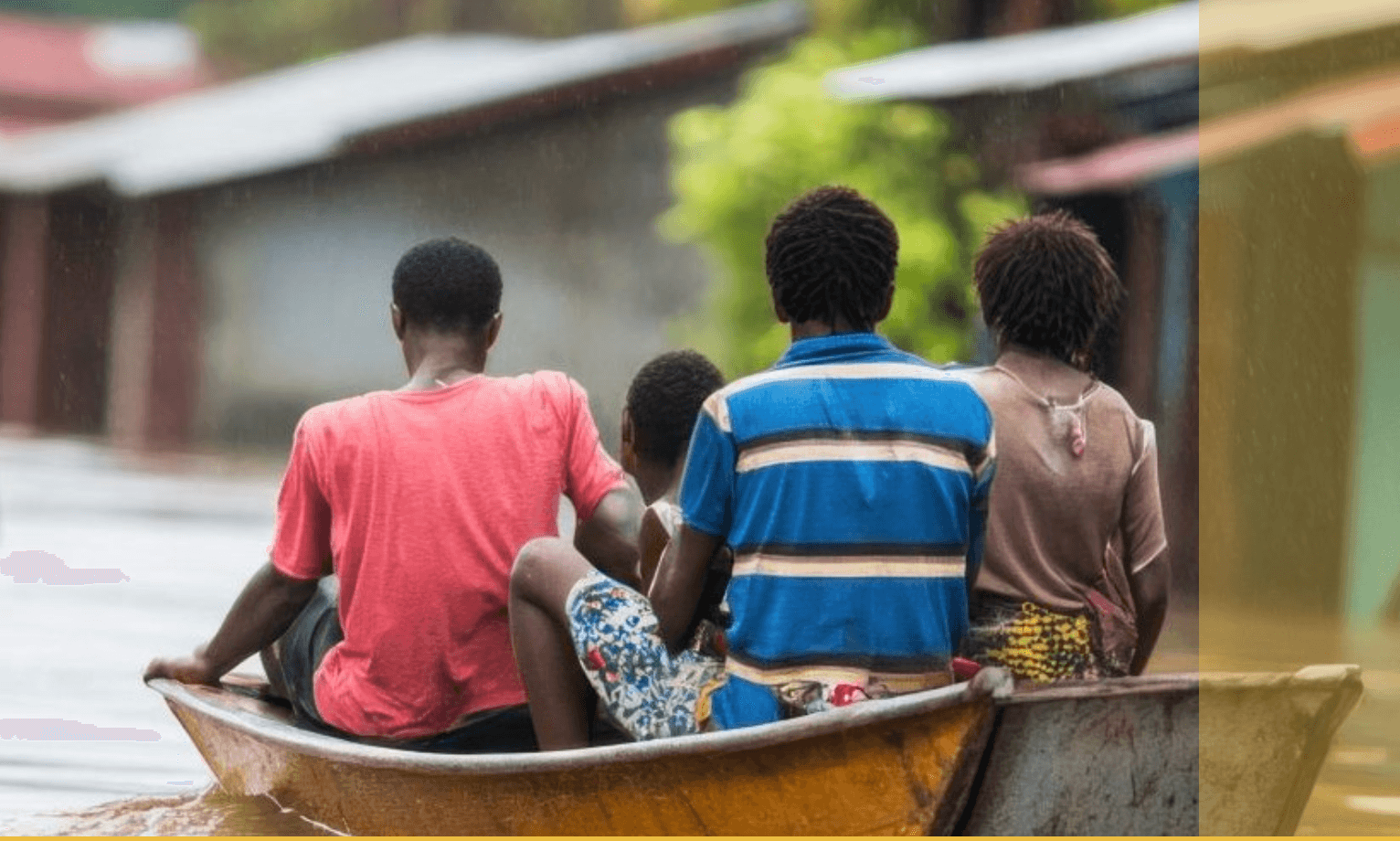
Posted by Dina Fine MaronMar 17There may be 500,000 additional malaria deaths by 2050 according to peer-reviewed research published in 2026.Show 3 more findings ZoomClimate change could cause more than 500,000 malaria deaths – MAPMalaria Atlas Projecthttps://malariaatlas.org/news/climate-change-could-cause-more-than-500000-malria-deaths-in-africa-by-2050/
Posted by Dina Fine MaronMar 1710 locally acquired malaria cases were reported in the US in 2023—a surpriseThe cases, reported in Florida, Texas, Maryland, and Arkansas, broke a 20-year streak since there had been no reported locally acquired mosquito-transmitted malaria in the country since 2003, when there was a case in Florida. ZoomLocally transmitted US malaria cases highlight increased risk, CDC report suggestsUniversity of Minnesota CIDRAPhttps://www.cidrap.umn.edu/malaria/locally-transmitted-us-malaria-cases-highlight-increased-risk-cdc-report-suggests
Posted by Dina Fine MaronMar 17Florida reports 71 imported malaria cases annually—4% of all the US cases.Show 2 more findings 1:45University of Florida Emerging Pathogens Institutehttps://www.youtube.com/watch?v=ZmQ6Tj13DOQ
Posted by Dina Fine MaronMar 17Molecular evidence suggests the deadliest malaria parasite may be 100,000 years old.Show 2 more findings ZoomGates Foundationhttps://www.gatesfoundation.org/ideas/articles/advances-and-challenges-in-solving-global-malaria
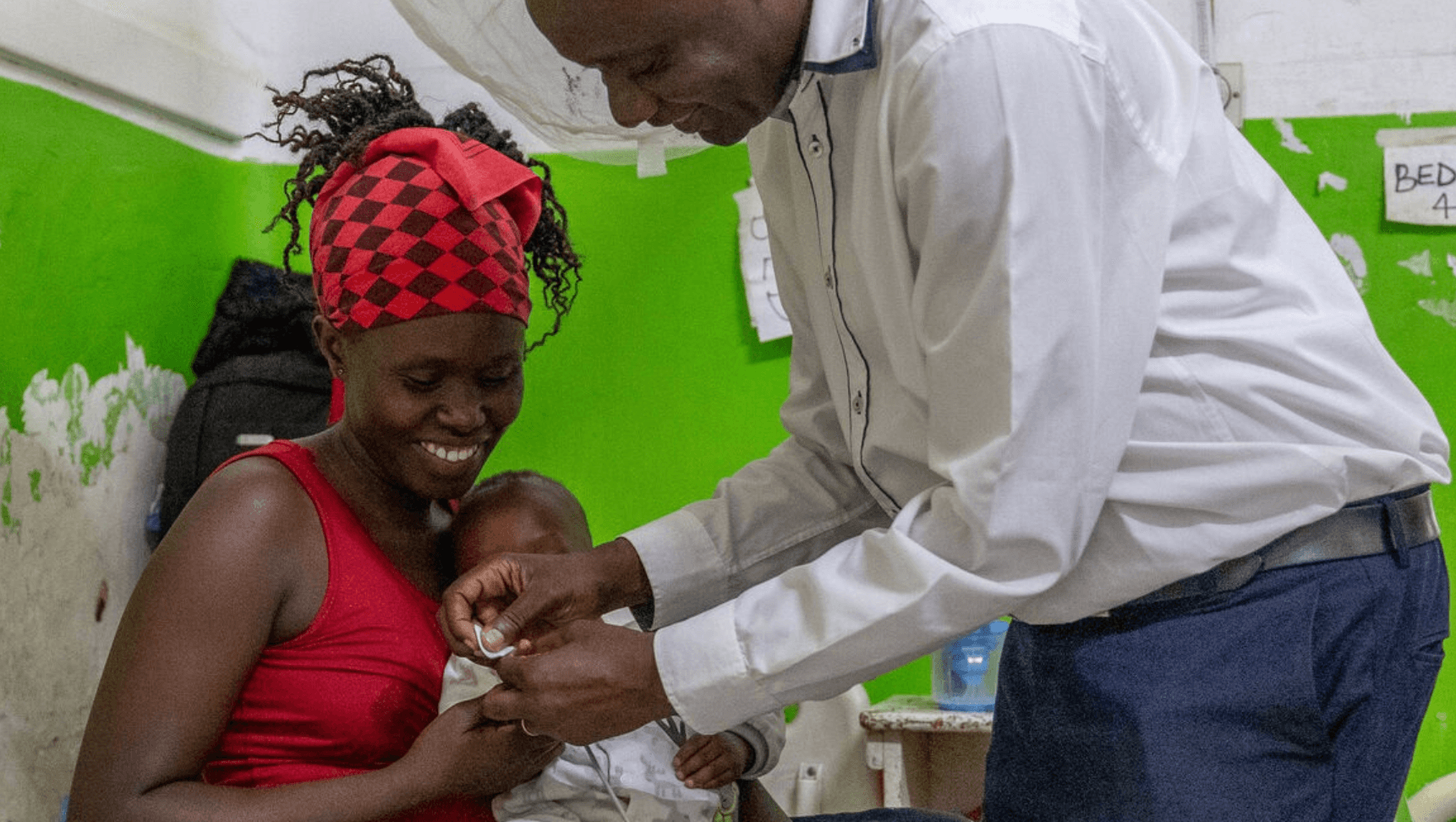
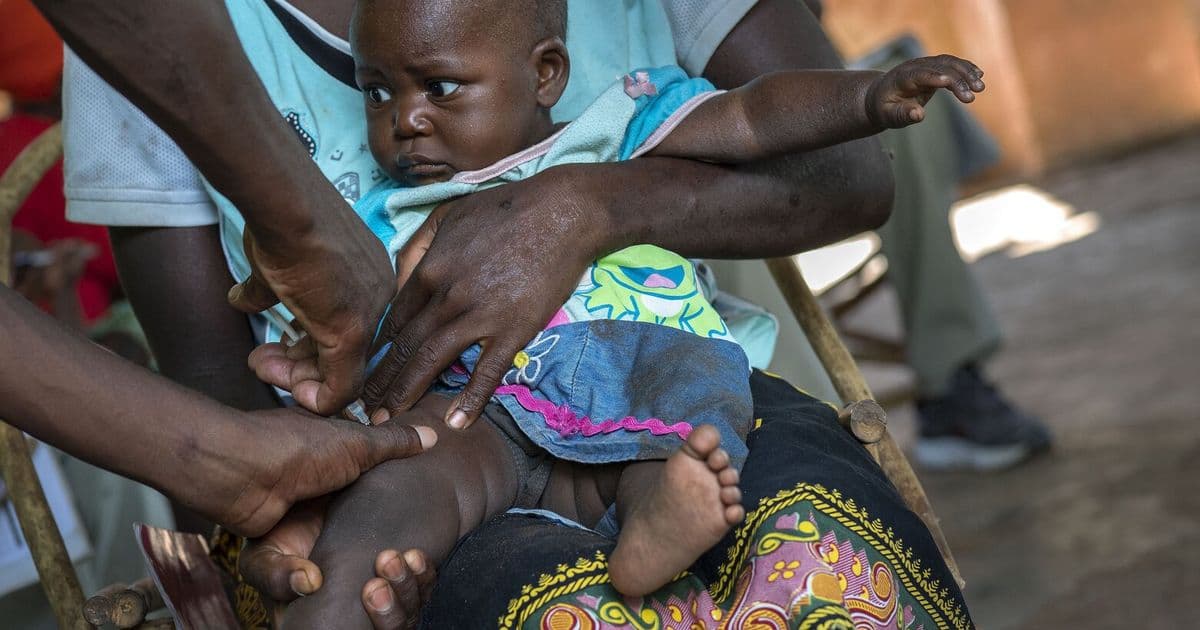
Posted by Dina Fine MaronMar 17There are two recommended malaria vaccines by world health experts, but both have limited effectiveness. Show 3 more findings ZoomUS Centers for Disease Control and Preventionhttps://www.cdc.gov/malaria/php/public-health-strategy/malaria-vaccines.html
Posted by Teddy BurkhardtNov 6, 2023Treating black fever can result in a complication that spreads the deadly diseaseBlack fever, a deadly parasitic disease second only to malaria, threatens more than 1 billion people across more than 83 countries. Also known as kala-azar or visceral leishmaniasis, the disease is caused by parasites that spread through sandfly... ZoomIn India, a Doubly Neglected Tropical DiseaseUndark Magazinehttps://undark.org/2023/10/18/india-black-fever/
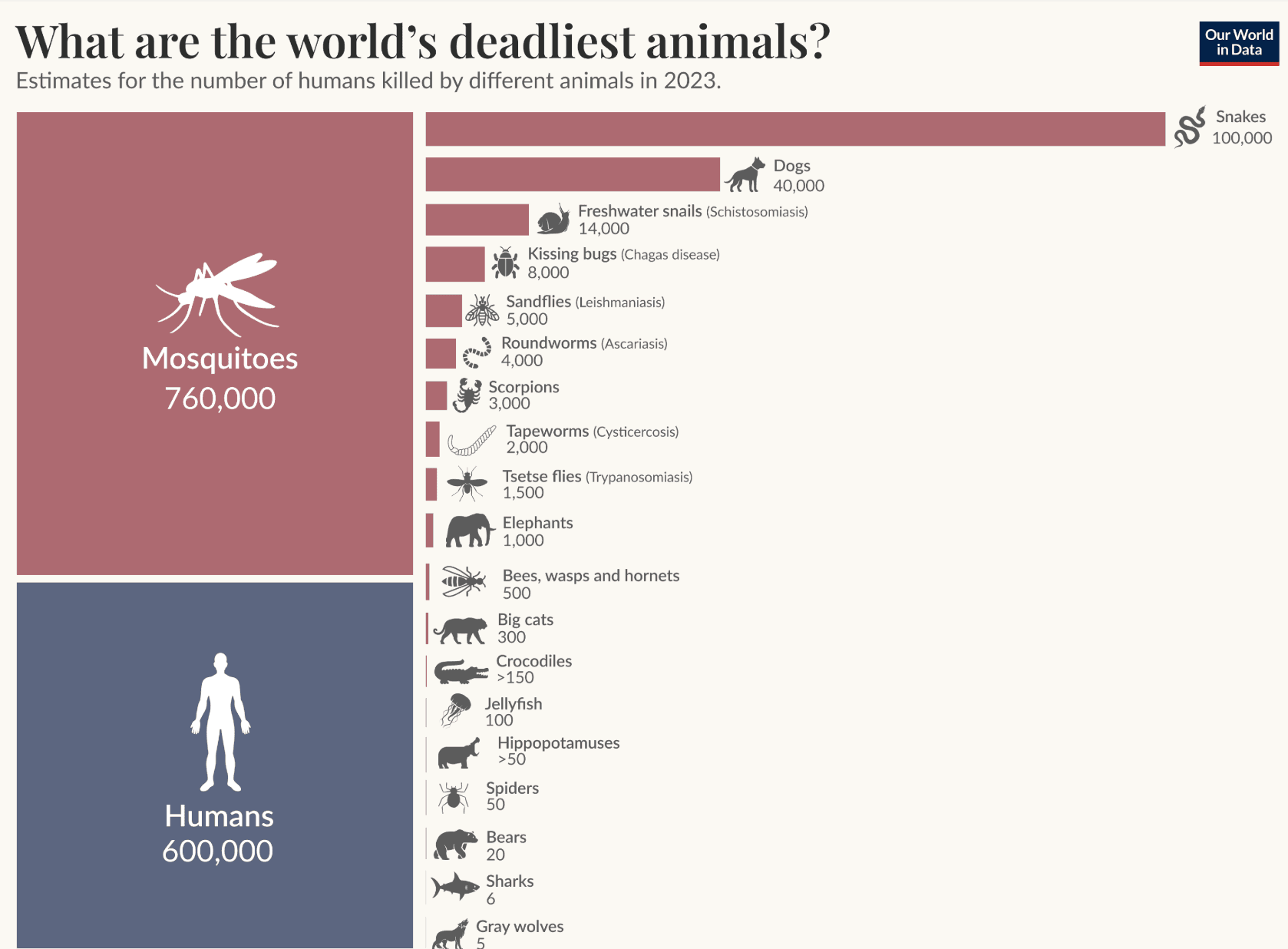
Posted by Dina Fine MaronMar 10Mosquitoes top the ranking of the world's deadliest animals.Show 3 more findings ZoomWhat are the world’s deadliest animals, and can we protect ourselves against them?Our World in Datahttps://ourworldindata.org/deadliest-animals
Posted by Dina Fine MaronMar 13See this diverse list of vector-borne diseasesHuman illnesses caused by parasites, viruses, and bacteria, and transmitted by a living organism—often small, bloodsucking ones like mosquitoes, ticks, and sandflies—are known as vector-borne diseases. That carrier is called a vector. These diseases disproportionately affect the poorest populations in tropical and subtropical areas.World Health Organizationhttps://www.who.int/news-room/fact-sheets/detail/vector-borne-diseases
Posted by Dina Fine MaronMay 20Pregnancy makes someone more attractive to the mosquito species that transmits malaria.Show 2 more findings 4:43Why mosquitoes bite some people more than others - Maria Elena De ObaldiaTED-Edhttps://www.youtube.com/watch?v=V6rRifwIaio
Posted by Dina Fine MaronMar 17A French Army surgeon discovered that malaria is a parasitic disease in 1880—but scientists were initially skeptical.Show 3 more findings ZoomThe Nobel Prizehttps://www.nobelprize.org/prizes/medicine/1907/laveran/lecture/
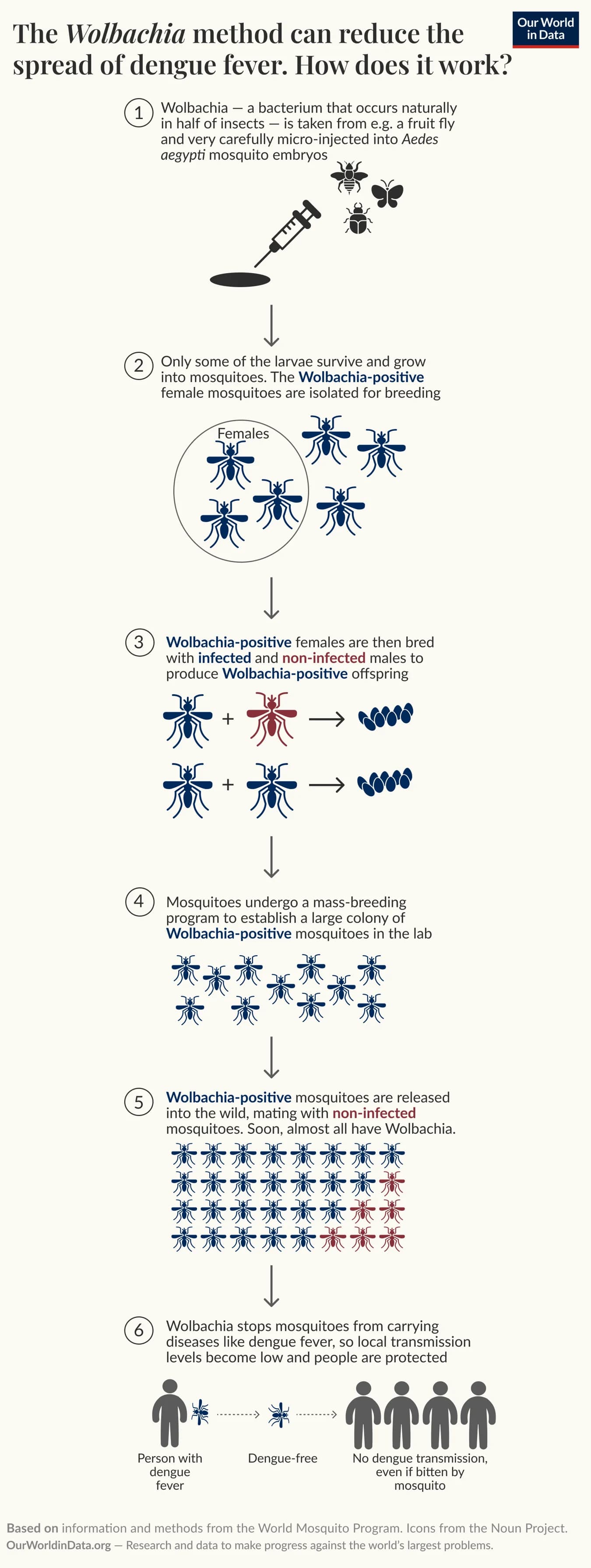
Posted by Teddy BurkhardtMay 15Explore inside a mosquito factory where millions of mosquitoes are bred weeklyIn Medellin, Colombia, scientists are infecting Aedes aegypti mosquitoes with Wolbachia, a bacterium that wouldn't otherwise infect the species, but does block its ability to transmit dengue, Zika, yellow fever, and chikungunya. In the wild, infected mosquitoes would breed with wild mosquitoes, pass down Wolbachia, and thus reduce disease transmission. 13:22I Visited a Mosquito FactoryPBS Terrahttps://www.youtube.com/watch?v=AI3HE7BcIBk
Posted by Dina Fine MaronMar 13Researchers are breeding genetically modified mosquitoes to be malaria-resistant.Show 3 more findings 2:31Reutershttps://www.youtube.com/watch?v=mR4chu4PYyM
Posted by Dina Fine MaronMar 13Some mosquitoes are key pollinators—and eat disease-carrying mosquitoes.Show 3 more findings ZoomThe Secret Lives of Mosquitoes, the World’s Most Hated InsectsSmithsonian Magazinehttps://www.smithsonianmag.com/blogs/national-museum-of-natural-history/2021/08/19/secret-life-worlds-most-hated-insect/
Posted by Dina Fine MaronMar 17Malaria vaccines are not routine because they have limited effectiveness.Show 2 more findings ZoomUN authorizes a second malaria vaccine. Experts warn it’s not enough to stop the disease spreadingThe Seattle Timeshttps://www.seattletimes.com/seattle-news/health/un-authorizes-a-second-malaria-vaccine-experts-warn-its-not-enough-to-stop-the-disease-spreading/
Posted by Dina Fine MaronMar 13Mosquitoes drink a maximum of 0.01 milliliters of blood in a single meal.Show 2 more findingsBe Amazedhttps://open.spotify.com/episode/04cZWGIicXg1Bp1PEoI1fn
Posted by Dina Fine MaronMay 20How we helped make Aedes aegypti mosquitoes such a problemMosquito genome sequencing data suggests that Aedes aegypti mosquitoes first started specializing on human blood around 5,000 years ago—when climates shifted and humans started domesticating plants in Africa and stored large amounts of water that may have attracted the bugs. 9:48We Helped Make Mosquitoes A ProblemPBS Eonshttps://www.youtube.com/watch?v=aYH-KYdgXag
Posted by Dina Fine MaronMar 13Dengue is sometimes called 'breakbone fever' because it's so painfulThough this mosquito-transmitted disease can be asymptomatic, in more severe cases patients experience high fever, muscle spasms, and joint pain. The experience can be so excruciating that it feels like the patient's bones are broken, thus the nickname of breakbone fever. It's the world's fastest spreading tropical disease.Yale Medicinehttps://www.yalemedicine.org/conditions/dengue-fever
Posted by Drew SteigerwaldJan 5Wolbachia: the bacteria that could eliminate dengue feverDengue fever, transmitted by mosquitoes, kills more people annually than all types of natural disasters combined. However, mosquitoes that host Wolbachia bacterium have their ability to transmit the virus naturally suppressed, offering a route to eliminating nearly 25,000 deaths annually. ZoomHow Wolbachia bacteria could help us tackle some of the world’s most neglected tropical diseasesOur World in Datahttps://ourworldindata.org/wolbachia-neglected-tropical-diseases
Posted by Marco Daniel MachadoJan 2Malaria mosquitoes in a lab were wiped out using CRISPRScientists at Imperial College London disabled a gene in female Anopheles gambiae mosquitoes to make them infertile and propagated the infertility mutation at unnaturally high rates using a gene drive. The entire population collapsed within a dozen generations, showing promise for subsequent with mosquitoes in mimicked tropical environments. ZoomCRISPR gene editing drives caged mosquitoes to extinctionhttps://cen.acs.org/biological-chemistry/biotechnology/CRISPR-gene-editing-drives-caged/96/i39
Posted by Dina Fine MaronMay 20Mosquito-borne illnesses have killed two captive orcas at SeaWorld since they became water park attractions. Show 3 more findings ZoomStudy highlights risk of mosquito borne illnesses to captive orcaPhys.orghttps://phys.org/news/2013-05-highlights-mosquito-borne-illnesses-captive.html
Posted by Dina Fine MaronMay 18US West Nile case numbers were up 40% in 2025, nationallyThis surprising surge may be due to warmer temperatures and elevated rainfall—leading to the ideal conditions for mosquitoes to thrive and breed in standing water. Symptoms can be hard to recognize when the disease is mild—similar to a flu. But neurological complications can lead to hospitalization and be deadly. 1:45Health officials warn of rising West Nile virus casesNBC Newshttps://www.youtube.com/watch?v=Bd8kVjeLaCc
Posted by Dina Fine MaronMar 13Mosquitoes are the world's deadliest animal, but gene drives could kill them.Show 2 more findings 5:27Ethical dilemma: Should we get rid of mosquitoes? - Talya HackettTED-Edhttps://www.youtube.com/watch?v=H7i9Anh0_Dg
Posted by Dina Fine MaronMay 18Most cases of West Nile virus are asymptomatic in peopleAbout 1 in 5 infected people develop symptoms from West Nile, including symptoms such as fatigue, head and body aches, and vomiting. But around 1% of patients develop severe complications such as encephalitis or meningitis, which can be life-threatening. Those who are most likely to become severely ill are people over age 60.West Nile | Johns Hopkins Center for Immunization ResearchJohns Hopkins Bloomberg School of Public Healthhttps://centerforimmunizationresearch.org/our-vaccine-research/flavivirus-immunization-research-and-education/west-nile
Posted by Dina Fine MaronMar 13'Sloth fever' is an emerging health threat, especially to pregnant womenThis disease, caused by the Oropouche virus, is found in animals including sloths, primates, and birds. It primarily spreads through the bite of midges—insects commonly called "no-see-ums." It's endemic to the Amazon region, but US travelers are increasingly contracting it internationally.https://epi.ufl.edu/2024/09/24/what-is-oropouche-virus-uf-epi-expert-explains-disease-known-as-sloth-fever/
Posted by Teddy BurkhardtJun 30What if we killed every mosquito on Earth?Mosquitoes aren't just annoying, they're deadly. they're also responsible for an estimated 725,000 deaths worldwide, every year. Would it be so bad if we found a way to wipe them out completely? Real scientists have gamed out this hypothetical scenario, concluding it actually wouldn't be that bad. This five-minute video breaks down one way this could happen. 5:52What If We Killed Every Mosquito On Earth?https://www.youtube.com/watch?v=LIYEhcOn0a4
Posted by Dina Fine MaronMar 13Vector-borne diseases kill more than 700,000 people globally each year—and are growingThe diseases with the greatest potential to spread widely aren't the ones that quickly kill human hosts. Instead, the best hosts or reservoirs for vector-borne diseases would be chronically ill over the long term, increasing the likelihood that the pathogen could be transmitted to others.https://open.spotify.com/episode/22xpvi20j6GgN7B8gQLXsj