Posted by Kevin KearneyAug 14The rice in sushi was originally used as a way to preserve fish, but wasn't intended to be eaten.Show 4 more findingsHow sushi took over the world (and it’s not from Japan)South China Morning Posthttps://www.scmp.com/lifestyle/food-drink/article/3016361/sushi-not-japan-how-raw-fish-and-rice-became-world-favourite
Posted by Kevin KearneyJan 20Chef Hanaya Yohei invented modern sushi in the early 1820sThe enterprising chef created nigiri sushi—fresh fish placed on top of vinegared rice balls that are then hand-molded together—as a way to quickly serve fish to busy Edo workers who could take their food to-go.https://www.thesushigeek.com/the-sushi-geek/2016/01/24/hanaya-yohei-and-the-beginning-of-nigiri-zushi
Posted by Kevin KearneyJan 20Westerners didn't encounter sushi until the mid-1800s because Japan was closed off to tourists.Show 3 more findings 3:28How we fell in love with sushi | BBC IdeasBBC Ideashttps://www.youtube.com/watch?v=TeC6f8zMdvk
Posted by Kevin KearneyJan 20Norway is responsible for salmon sushiJapanese sushi did not include salmon until the mid-1990s because Pacific salmon was known to contain parasites. Norway, meanwhile, had an abundance of Atlantic salmon, which was safe to eat raw. The country smelled an opportunity and launched Project Japan, which successfully convinced the country that Atlantic salmon was safe to include in its cuisine. 1:50Great Big Storyhttps://www.youtube.com/watch?v=29_PRbwybM0
Posted by Kevin KearneyJan 20Bluefin tuna, now used in high-end sushi, was once reserved for cat foodUntil the ‘70s, the enormous fish were the base for cat food or, at times, thrown into the trash. Now it’s the most expensive fish in the ocean and is a popular topping for nigiri sushi thanks to the abundance of fat in its belly.The Ringerhttps://www.theringer.com/2017/02/28/food/bluefin-tuna-is-the-most-coveted-fish-in-the-sea-and-its-nearing-extinction-ca2f58a65879
Posted by Kevin KearneyMar 3, 2017A television show helped popularize sushi in the US in the 1980s"Shogun," a miniseries released in 1980, followed a British sailor's journey through 17th-century Japan. Nearly a third of American households watched its five installments, and it was used as an instructional text in classrooms throughout the '80s, inspiring a wave of American interest in Japanese culture, including sushi.Show 3 more findings ZoomA Brief History of the American Sushi CrazeMental Flosshttps://www.mentalfloss.com/article/92861/brief-history-sushi-united-states
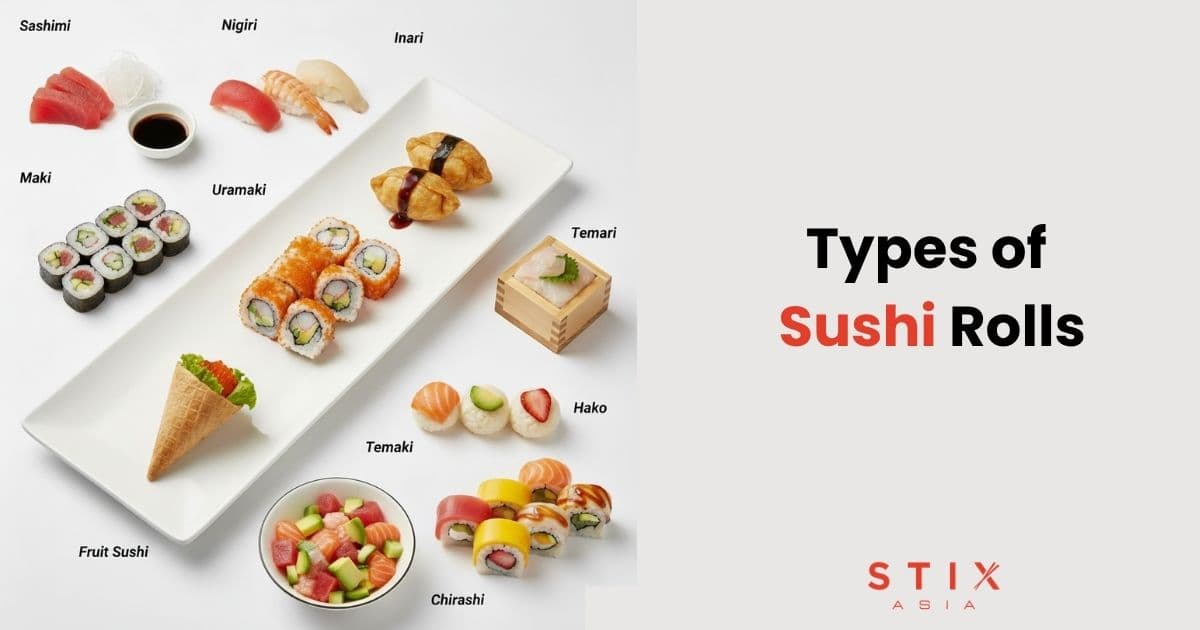
Posted by Kevin KearneyJan 20Sushi contains cooked or raw fish, and comes in various rolls and stylesIn the US, most sushi restaurants serve maki and uramaki, which feature fish wrapped in rice. But those are far from the only styles of sushi out there. Zoomhttps://stixasia.com/sushi-roll-types-a-complete-guide-to-the-best-sushi-rolls/
Posted by Kevin KearneyJan 20The fish in sushi is usually frozen to eliminate parasitesMost raw fish contain parasites, but sushi restaurants and fish markets use “super freezers” to make the food safe for consumption. The United States Food and Drug Administration warns that frozen raw seafood can still contain parasites, depending on the type of fish and the conditions of the “super freezer.”Serious Eatshttps://www.seriouseats.com/how-to-prepare-raw-fish-at-home-sushi-sashimi-food-safety
Posted by Kevin KearneyJan 20Conveyor belt sushi was invented in 1958Yoshiakai Shiraishi had trouble staffing his sushi restaurant with waiters. When he saw a conveyor belt moving beer bottles at a brewery, he realized the technology could solve his problem. He unveiled his innovation at his Osaka restaurant in 1958, introducing a style, kaitenzushi, that would be replicated by others—and contribute to sushi’s growing popularity.https://www.foodrepublic.com/1550022/conveyor-belt-sushi-origin/
Posted by Kevin KearneyJan 20Sinaloan sushi is a Mexican take on the Japanese classicSushi became popular in Mexico in the early 20th century, thanks to Japanese immigrants who settled in Sinaloa, a Mexican state that runs along the Pacific Ocean. The region’s modern-day sushi blends both cultural traditions, evident in items like the Mar y Tierra roll, which includes carne asada and shrimp.Serious Eatshttps://www.seriouseats.com/history-of-sinaloan-sushi-article-11753171
Posted by Teddy BurkhardtSep 25, 2025Gas station sushi is actually pretty safe to eat, experts sayVending machine food, in general, gets a bad rap for its seeming lack of freshness, but whether the food you eat is safe usually depends on the quality of the cold chain supply logistics that brought it to the point of sale. Most prepackaged sushi fish has been flash frozen, and the rice has been mixed with vinegar to inhibit bacteria. 12:17Is Gas Station Sushi Safe To Eat?Weird History Foodhttps://www.youtube.com/watch?v=bh9HRHqTQuI
Posted by Kevin KearneyJan 20Yohei's sushi innovation turned sushi into a convenient fast foodNigiri took relatively little time to prepare, making it an ideal dish to serve from a food stand. The success of Yohei’s stand, where customers could select their desired toppings, inspired others to open similar businesses.https://www.nippon.com/en/japan-topics/g00962/
Posted by Meher QazilbashSep 23, 2025The sushi burrito hails from San FranciscoInventor Peter Yen wanted to combine sushi-making techniques with Latin flavors, so he founded Sushirrito, which specializes in burrito-sized sushi rolls with Mexican-inspired fillings like ginger guacamole.The Origins of the Sushi Burrito: Q&A with the Inventorhttps://www.themanual.com/food-and-drink/sushi-burrito-sushiritto/
Posted by Meher QazilbashJan 7, 2025Why is rice so popular? From Spanish paella to West African jollof rice, rice is a staple in dishes across the world. This colorful animated video dives into the global expansion of rice, which contributes more than 20% of the calories consumed by humans each year. Learn about rice’s beginnings thousands of years ago, the environmental consequences of its popularity, and the potential for positive changes in the future. 4:53Why is rice so popular? - Carolyn BeansTED-Edhttps://www.youtube.com/watch?v=YiiLg_KbZDM
Posted by Kevin KearneyJan 20The first sushi bar in the US opened in the 1960s in Los AngelesKawafuku opened in the city’s Little Tokyo neighborhood in 1923 and installed its sushi bar in the mid-1960s. The restaurant primarily sourced local seafood, including abalone, though it also imported fish from Japan, attracting many Japanese expatriates. Zoomhttps://guide.michelin.com/th/en/article/features/sushi-history-america
Posted by Kevin KearneyJan 20Funazushi takes 3 years to prepareFunazushi is a type of honnare (sometimes spelled hon-nare or called narezushi) sushi. Unlike nigirizushi, the quicker form that's commonly found in restaurants, honnare is preserved over a long stretch of time. Mariko Kitamura, who runs a funazushi shop in Takashima City, Japan, describes the dish as a "fish version of prosciutto" with a saltiness that's similar to caviar. 2:55Great Big Storyhttps://www.youtube.com/watch?v=f8rpgq5Wb9c
Posted by Kevin KearneyJan 20Sushi is an estimated $33B business in the USUS fishermen stock most of the country's more than 17,000 sushi restaurants. Distributors frequently adjust prices for different fish, based on their availability and the quality of the meat. This podcast unpacks how that industry operates.The Economics of Everyday Thingshttps://open.spotify.com/episode/6R3It7Tz3bYZxbCBlBer8Z
Posted by Phoebe BainNov 18, 2024The surprising economics of sushiHow exactly does a patron of a sushi restaurant in Omaha, Nebraska, get to eat fresh fish caught off the coast of Japan? This episode of the Freakonomics podcast answers this question and explains the impressive feat. Listen to learn about the tricky economics and time-sensitive process behind importing fresh catches to sushi-lovers across America. ZoomSushi Fish - FreakonomicsFreakonomicshttps://freakonomics.com/podcast/sushi-fish/
Posted by Kevin KearneyJan 20Watch a Japanese chef demonstrate how he prepares sushiTokyo's Naomichi Yasuda shows how he cuts tuna, wraps a maki roll, and assembles nigiri. In the process, he explains the proper way to enjoy the creations, offering advice for getting the most flavor. 6:26https://www.youtube.com/watch?v=auLmekEsaak
Posted by Kevin KearneyJan 20A Netflix documentary ignited an omakase sushi crazeBefore 2012, edomae omakase was an expensive sushi experience that was not particularly popular in the US. That changed with “Jiro Dreams of Sushi,” a 2011 film about the 85-year-old owner of Sukiyabashi Jiro, an omakase restaurant with three Michelin stars, that earned rave reviews. Demand for omakase exploded, and restaurants responded by raising their prices.Eaterhttps://www.eater.com/23327804/sushi-omakase-united-states-nakazawa-jiro-dreams-of-sushi-history
Posted by Kevin KearneyJan 20Sushi apprenticeships often last for at least 10 yearsSushi is often treated as a precise art form, with master chefs taking on apprentices who must slowly earn the responsibility of preparing the food. In the video below, Oona Tempest, an apprentice at Tanoshi Sushi NYC, explains what the years-long process entails. 4:15Eaterhttps://www.youtube.com/watch?v=poyFIKT4Q5c
Posted by Kevin KearneyApr 1Why pickles became a thing Pickles began in Mesopotamia around 2400 BCE as a way to preserve vegetables amid heat (and spoilage). They spread through Egypt, Greece, and Rome, where Julius Caesar reportedly fed pickles to his soldiers, and brining was treated as a culinary art. The technique is broadly useful, as salt and water can extend the shelf life and deepen flavor for almost anything. A Brief and Essential History of the Most Important Food Ever Invented: The PickleLiterary Hubhttps://lithub.com/a-brief-and-essential-history-of-the-most-important-food-ever-invented-the-pickle/
Posted by Kevin KearneyJan 20The best sushi restaurants in the USNot every sushi spot is the same: They have different fish distributors, different menus, and different vibes. This list ranks US restaurants that have excelled across the board, highlighting well-regarded omakase counters (like New York’s Sushi Nakazawa) and old-school bars (like Los Angeles’ Sushi Gen).Time Out Worldwidehttps://www.timeout.com/usa/restaurants/best-sushi-restaurants-in-america
Posted by Kevin KearneyJan 20One writer suggests using the California roll to evaluate sushi restaurantsChristine Carone uses the logic of the Big Mac Index—a metric for evaluating purchasing power by comparing countries’ Big Mac prices proposed by the Economist—for evaluating takeout sushi. Her recommendation is looking at the cost of a California roll, a relatively inexpensive, middle-of-the-road item for any American sushi spot. If it’s too expensive, the restaurant isn’t offering good value. But if it’s too cheap, you should worry about the quality of the fish.Eaterhttps://www.eater.com/23894518/how-to-find-best-takeout-sushi-california-roll-index-move
Posted by Kevin KearneyJun 13, 2025'Omakase' roughly translates to 'I'll leave it up to you'An omakase restaurant allows sushi chefs to craft custom-made rolls for patrons. The meals are often expensive, but there are good reasons for that: They include the freshest ingredients the restaurant has to offer and usually have limited spots. This short documentary focuses on Royal Sushi and Izakaya in Philadelphia. 20:22Only 16 People a Night Can Eat This 17-Course Omakase | On The Line | Bon Appétithttps://www.youtube.com/watch?v=3ptagZOU_Wg
Posted by Kevin KearneyJan 20Ukraine's sushi restaurants have remained open through the country's war with RussiaAlthough the country's cities have become battlegrounds, its sushi restaurants—a popular comfort food for Ukrainians—have remained open. That's especially surprising considering they require imported fresh fish and highly skilled chefs.NPRhttps://www.npr.org/2024/01/13/1223625870/ukraine-economy-war-sushi-restaurants
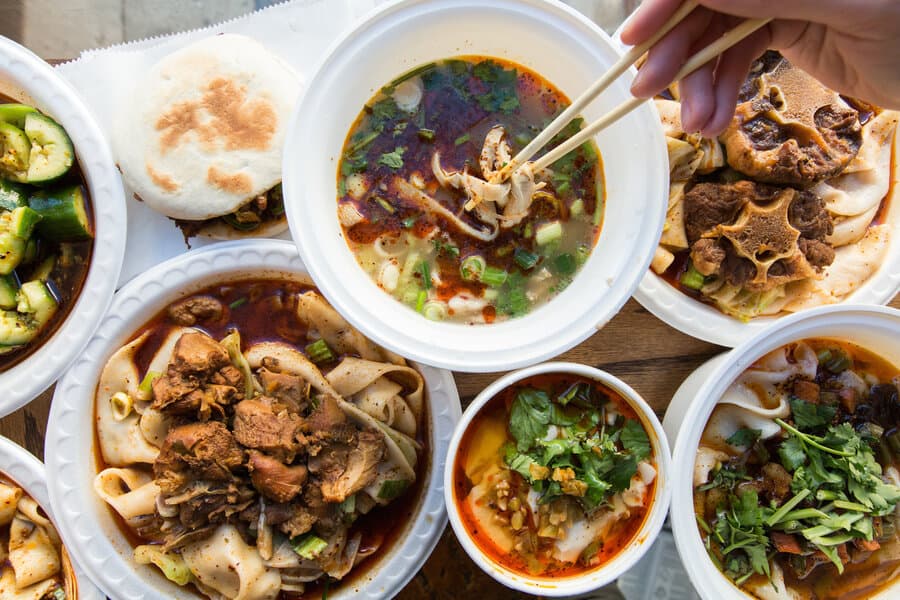
Posted by Meher QazilbashApr 29, 2025Why there’s barely any cheese in traditional East Asian foodEast Asian cuisine has historically been cheese-free, but why? Several unique circumstances combined to limit—or eliminate—the dairy product in dishes from Japan, Korea, China, and other nearby countries: Livestock were seen as working animals rather than nutritional sources, and most people were lactose intolerant. As Western cuisine becomes more popular globally, though, cheese is making its way into more East Asian diets. ZoomWhy There's No Cheese in Chinese Food and Other East Asian Cuisine - ThrillistThrillisthttps://www.thrillist.com/eat/nation/no-cheese-chinese-food-east-asian-japanese-korean
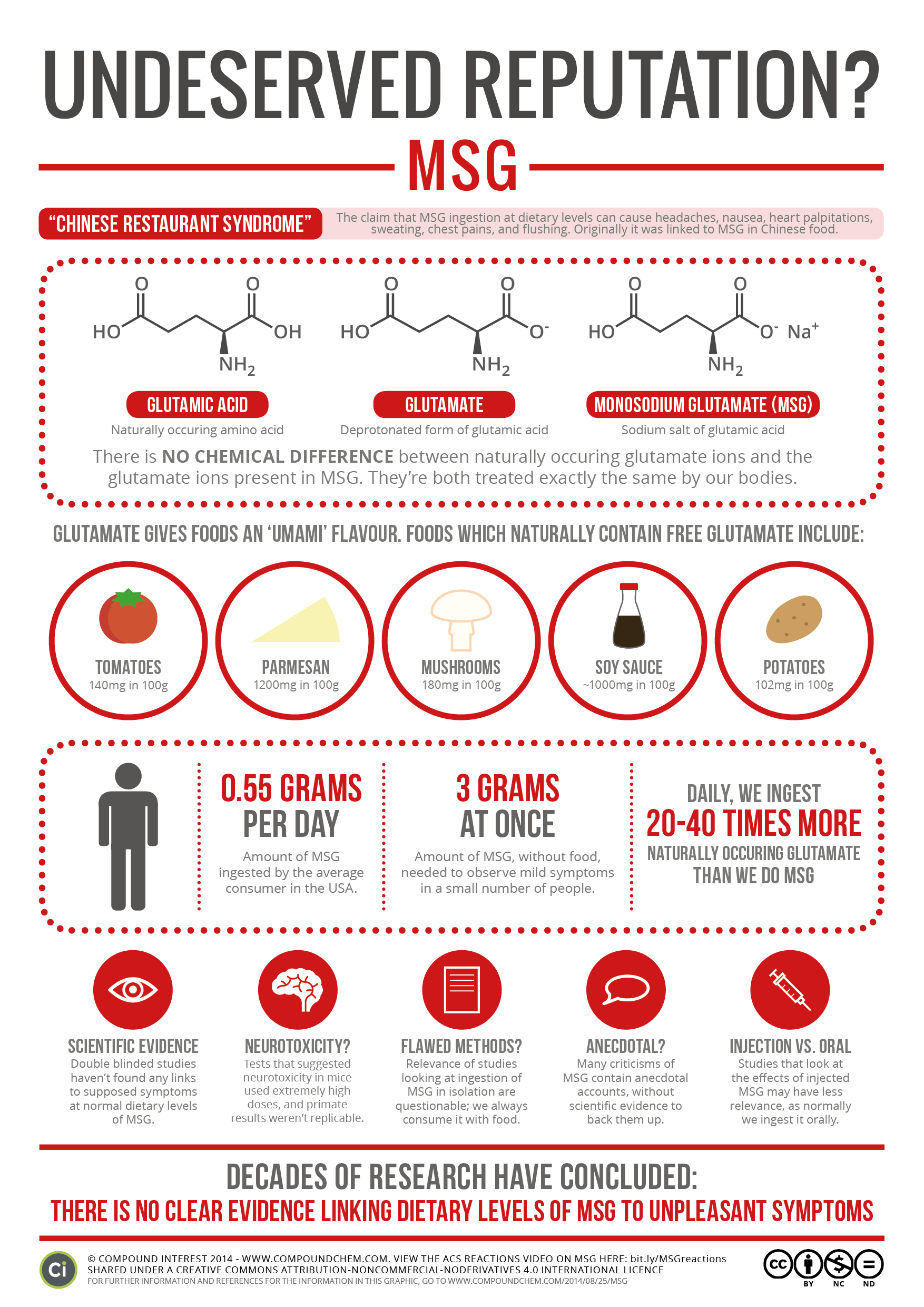
Posted by Marco Daniel MachadoOct 29, 2025MSG was first isolated from seaweed in Japan in 1908The compound monosodium glutamate has been identified in dairy, meats and vegetables, and provides an "umami"—Japanese for "tasty"—flavor to food. Studies in the late 1960s characterized MSG as harmful, but only when testing doses hundreds of times greater than what would be consumed in a typical diet. ZoomMonosodium Glutamate – An Undeserved Reputation?https://www.compoundchem.com/2014/08/25/msg/
Posted by Dina Fine MaronJan 27Iceberg lettuce was the salad staple people ate for most of the 20th century, popular due to its durability, long shelf life, and mild flavor.Show 2 more findings 28:45- YouTubehttps://www.youtube.com/watch?v=ke5kuqeNbRY
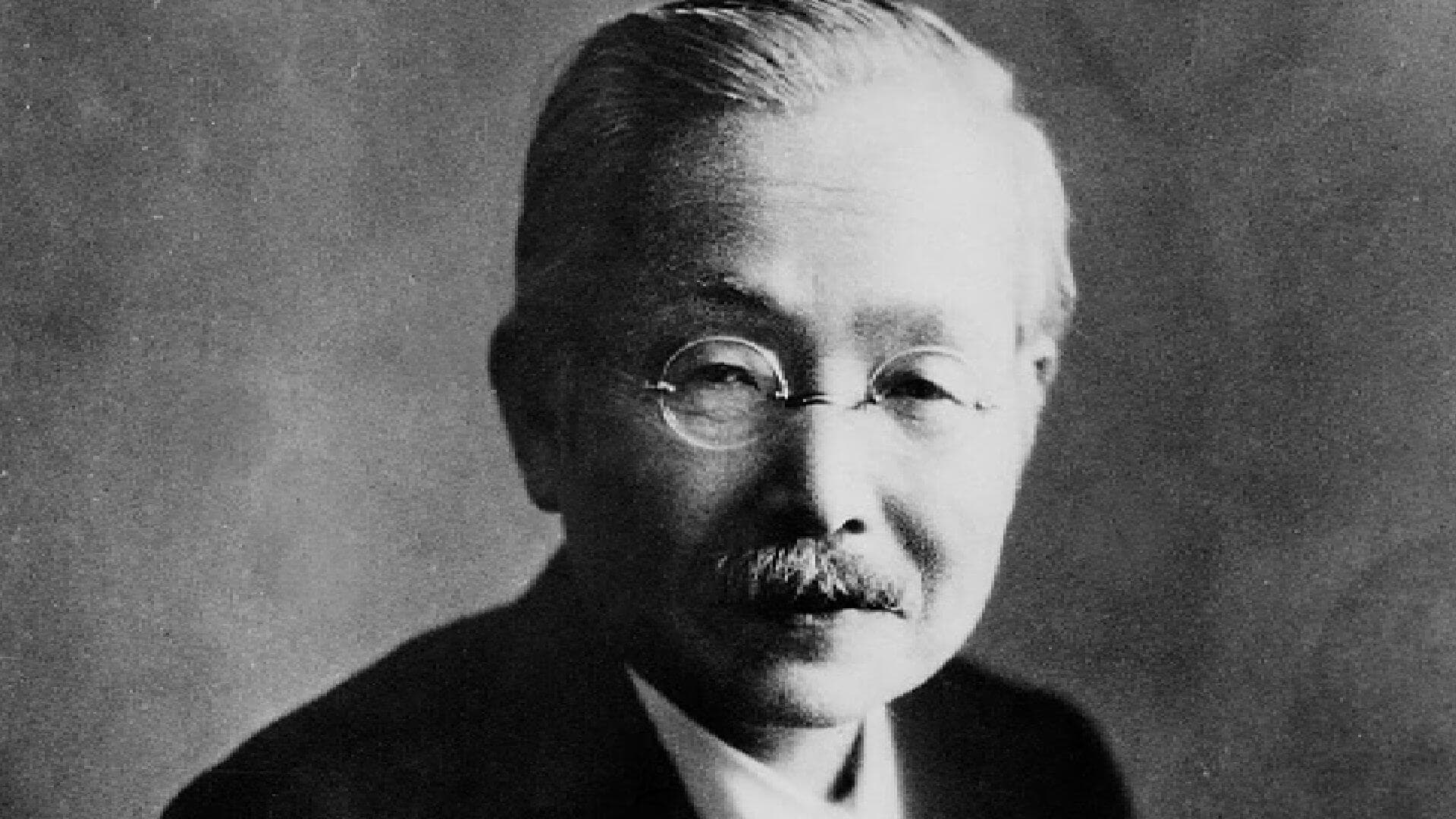
Posted by Teddy BurkhardtJan 11, 2024How science came to understand umamiBefore Dr. Kikunae Ikeda sat down in 1907 and pondered the taste of dashi, scientists typically agreed upon four types of taste: sweet, salty, bitter, and sour. He boiled 90 pounds of kelp into a resin that he then stripped of different compounds until he was left with a single ounce of brown crystals. Testing later revealed these crystals were glutamate, an amino acid and one of the protein's building blocks. ZoomAccounting for TasteScience History Institutehttps://www.sciencehistory.org/stories/disappearing-pod/accounting-for-taste/
Posted by Marco Daniel MachadoMay 6How chefs suspend liquid in edible pearls resembling caviar to introduce a new texture to fluidsThrough spherification, drops of a solution of sodium alginate and a flavored liquid are placed in a calcium lactate solution, which forms a chemical skin around them. This is because calcium replaces the sodium in the alginate chains, forming a gel around each drop's liquid interior. 6:07SciShowhttps://www.youtube.com/watch?v=LJBNe6AGM_E
Posted by Marco Daniel MachadoMay 6Explaining why salt should be used to season food early in the cooking processExperiments involving the same dishes, with salt added at the start of cooking versus at the end, have been shown to yield drastically different taste outcomes because salt takes time to diffuse into foods, particularly vegetables, whose cells are surrounded by cellular membranes and walls. Salting at the end will produce a concentrated surface coating, rather than even seasoning. 2:45America's Test Kitchenhttps://www.youtube.com/watch?v=E0v32jYkSi0
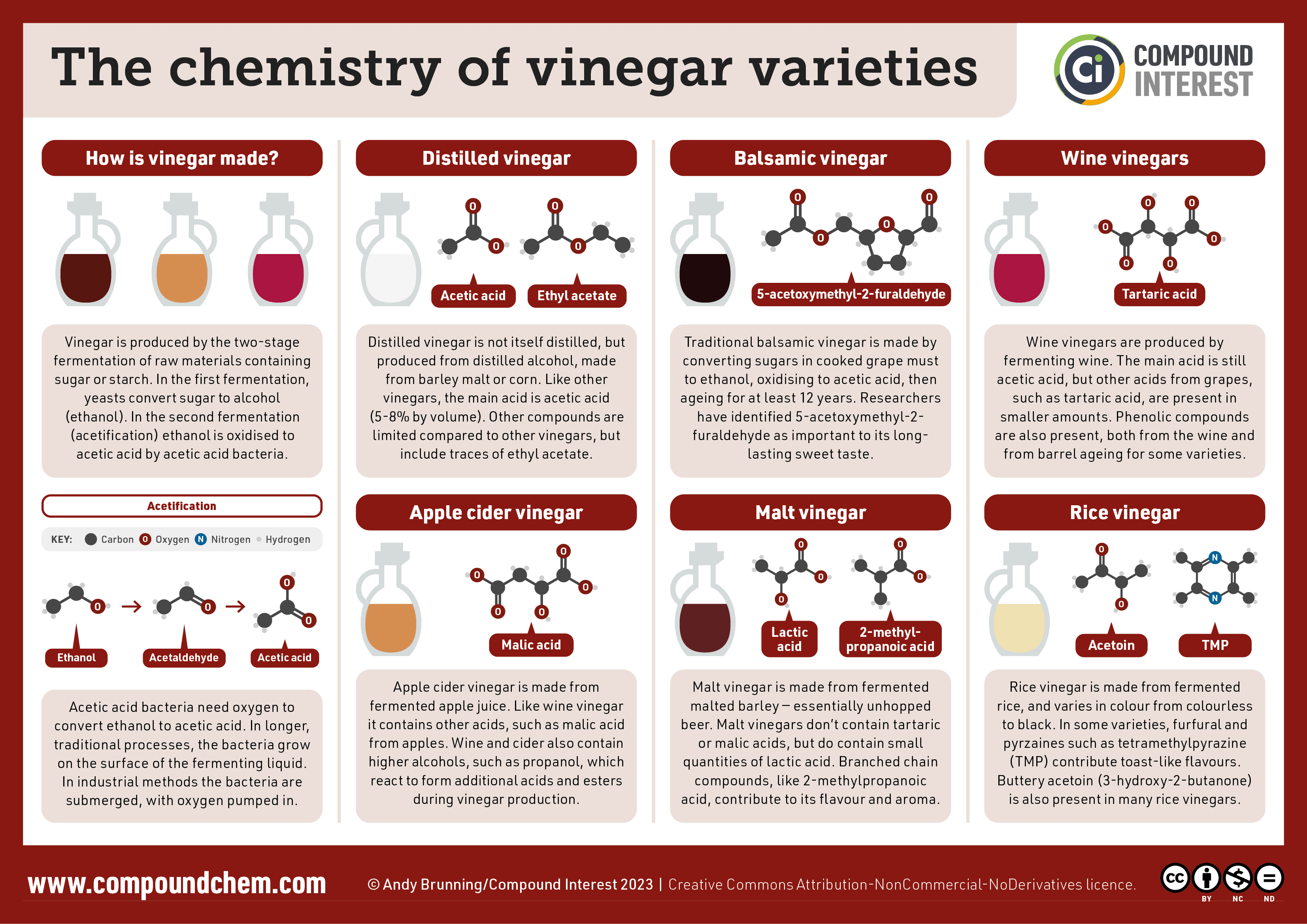
Posted by Marco Daniel MachadoJul 28Although vinegar was first discovered when wine was left to sour after exposure to air, the fermentation of different base ingredients contributes to the variety of vinegars seen today.Show 4 more findings ZoomThe sour science of vinegar varietiesCompound Interesthttps://www.compoundchem.com/2023/02/20/vinegar/
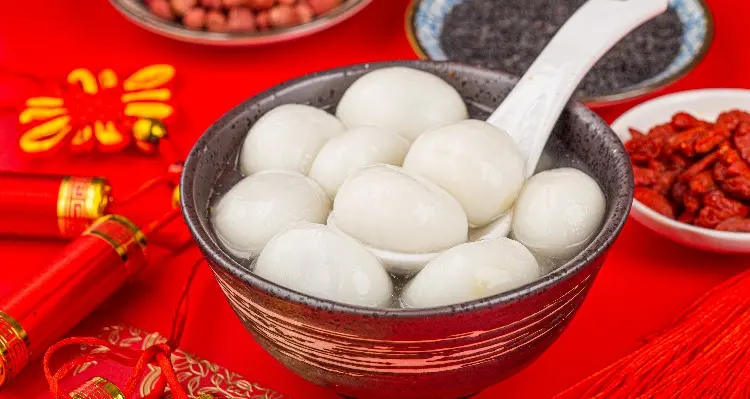
Posted by Meher QazilbashDec 31, 2024Eating fish during Lunar New Year is believed to bring prosperityMany of the traditional Lunar New Year dishes are deeply symbolic—such as fried spring rolls resembling bars of gold. How the dishes are prepared, served, and eaten is crucial for carrying out their powers. Zoom12 Lucky Chinese New Year Foods to Greet the Year of Snake 2025https://www.chinahighlights.com/travelguide/chinese-food/chinese-new-year-food.htm
Posted by Marco Daniel MachadoFeb 18Some invasive species' populations have been controlled by turning them into cash crops that can be harvested and sold to produce useful materials.Show 3 more findings 33:10How People Profit Off Invasive Species | World Wide Waste Marathon | Business InsiderBusiness Insiderhttps://www.youtube.com/watch?v=WEMoo1NW8d8
Posted by Dina Fine MaronMar 24How the methods of catching fish for food affects their tasteCommercially caught fish are often killed through suffocation, allowing the causing the fish extreme stress and flooding their bodies with stress hormones and lactic acid. These chemicals cause the fish's flesh to become bitter where it was once rich and quickens the rotting process. 8:30The right way to kill a fishVoxhttps://www.youtube.com/watch?v=TS4AM9mPX-8
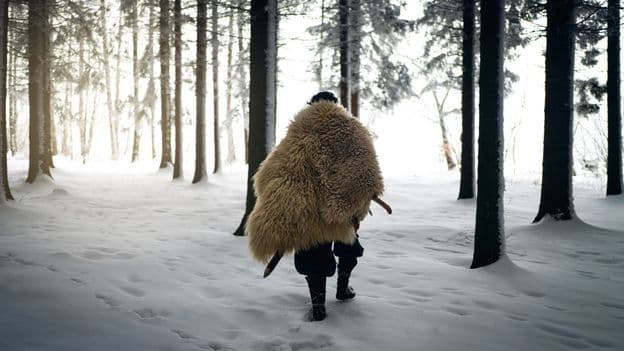
Posted by Teddy BurkhardtSep 12, 2023What did the Vikings eat?Examining a culture's culinary practices gives insight into its social structure, skills, and ideology. This article follows culinary archaeologist Daniel Serra as he explores the food habits and choices of Vikings. His findings have effectively ended "the myth of Vikings gnawing off the meat of the bones of wild animals," with evidence providing a clearer picture of Viking society as filled with farmers who didn't have time to hunt. ZoomWhat did the Vikings eat?BBChttps://www.bbc.com/travel/article/20230619-what-did-the-vikings-eat
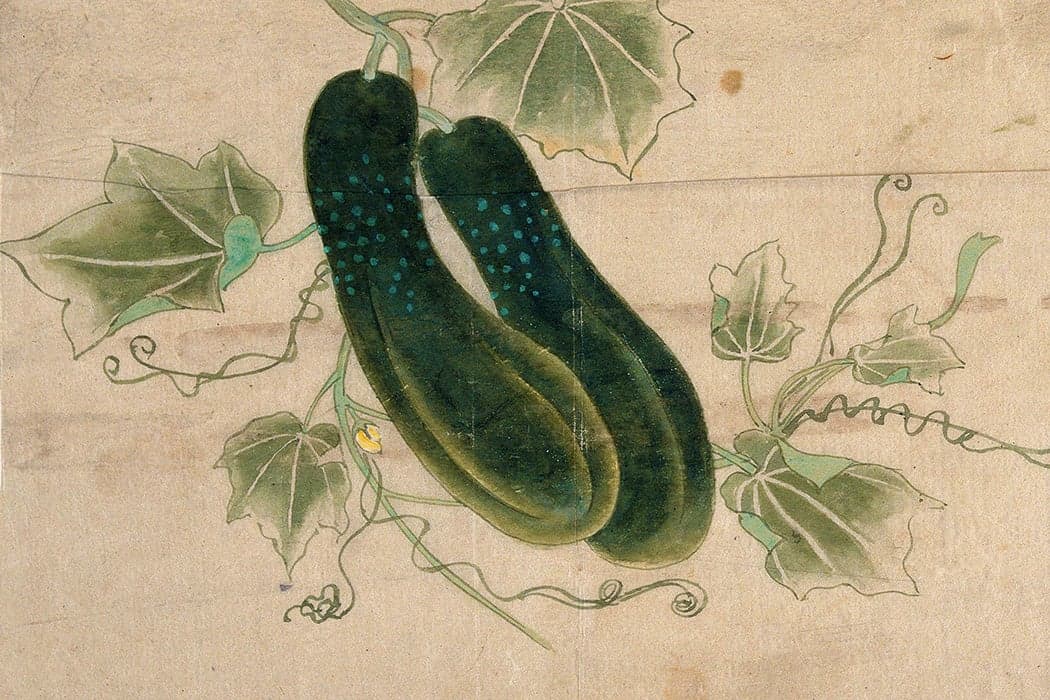
Posted by Teddy BurkhardtApr 6The mystery of the cucumber, from coiling tendrils to its bitter, mature fruitCucumus sativus was first cultivated 3,000 years ago in the Himalaya of India, appearing in ancient Sanskrit hymns in the Hindu tradition. They are typically harvested well before maturation, as their yellow, final fruit is bitter. Their coiling tendrils were so distinct they prompted famed naturalist Charles Darwin to publish one of his lesser-known works, "On the Movements and Habits of Climbing Plants." Its refreshing coolness inspired cucumber-derived body washes and sprays over millennia. ZoomCucumber: The Plant That Moves More than You Think - JSTOR Dailyhttps://daily.jstor.org/cucumber-the-plant-that-moves-more-than-you-think/
Posted by Marco Daniel MachadoFeb 18Invasivorism is a form of ethical eating focused on eating invasive speciesThe culinary approach helps combat the growth of invasive species populations by increasing demand for dishes made with them, but some suggest that creating a market for these species may help prolong their presence by moderating control. Some diners have expressed reluctance toward consuming more exotic species, such as nutria—raccoon-sized rodents.Popular Sciencehttps://www.popsci.com/environment/eating-invasive-species/
Posted by Kevin KearneyAug 6, 2025Cookies were originally used as low-stakes ways to test the temperature of an ovenIn 7th century Persia, bakers used small mounds of dough to test the heat in ovens before baking larger cakes. Afterward, they'd add honey, nuts, and other items to the small mounds, creating early cookies. 5:00What is the History of the Cookie? | Delishtoryhttps://www.youtube.com/watch?v=k7bkFpzfGgA