Posted by Kevin KearneyJan 20Westerners didn't encounter sushi until the mid-1800s because Japan was closed off to tourists.Show 3 more findings 3:28How we fell in love with sushi | BBC IdeasBBC Ideashttps://www.youtube.com/watch?v=TeC6f8zMdvk
Posted by Kevin KearneyMar 3, 2017A television show helped popularize sushi in the US in the 1980s"Shogun," a miniseries released in 1980, followed a British sailor's journey through 17th-century Japan. Nearly a third of American households watched its five installments, and it was used as an instructional text in classrooms throughout the '80s, inspiring a wave of American interest in Japanese culture, including sushi.Show 3 more findings ZoomA Brief History of the American Sushi CrazeMental Flosshttps://www.mentalfloss.com/article/92861/brief-history-sushi-united-states
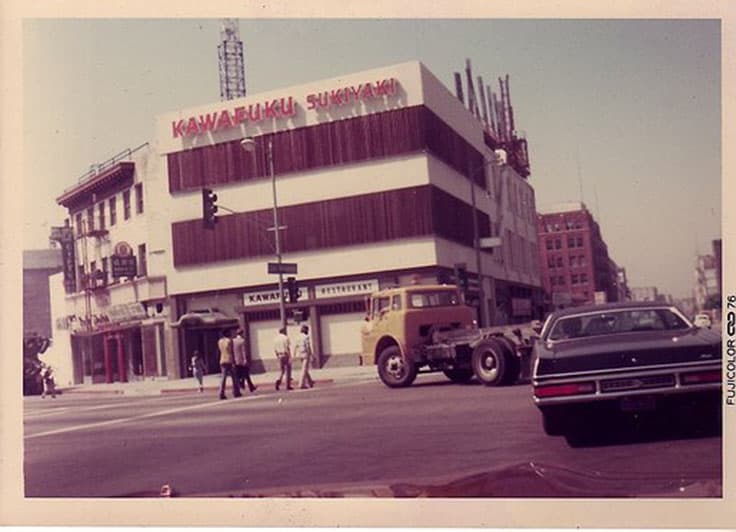
Posted by Kevin KearneyJan 20The first sushi bar in the US opened in the 1960s in Los AngelesKawafuku opened in the city’s Little Tokyo neighborhood in 1923 and installed its sushi bar in the mid-1960s. The restaurant primarily sourced local seafood, including abalone, though it also imported fish from Japan, attracting many Japanese expatriates. Zoomhttps://guide.michelin.com/th/en/article/features/sushi-history-america
Posted by Kevin KearneyJan 20The rice in sushi was originally used as a way to preserve fish, but wasn't intended to be eaten.Show 4 more findingsHow sushi took over the world (and it’s not from Japan)South China Morning Posthttps://www.scmp.com/lifestyle/food-drink/article/3016361/sushi-not-japan-how-raw-fish-and-rice-became-world-favourite
Posted by Kevin KearneyJan 20Norway is responsible for salmon sushiJapanese sushi did not include salmon until the mid-1990s because Pacific salmon was known to contain parasites. Norway, meanwhile, had an abundance of Atlantic salmon, which was safe to eat raw. The country smelled an opportunity and launched Project Japan, which successfully convinced the country that Atlantic salmon was safe to include in its cuisine. 1:50Great Big Storyhttps://www.youtube.com/watch?v=29_PRbwybM0
Posted by Kevin KearneyJan 20Chef Hanaya Yohei invented modern sushi in the early 1820sThe enterprising chef created nigiri sushi—fresh fish placed on top of vinegared rice balls that are then hand-molded together—as a way to quickly serve fish to busy Edo workers who could take their food to-go.https://www.thesushigeek.com/the-sushi-geek/2016/01/24/hanaya-yohei-and-the-beginning-of-nigiri-zushi
Posted by Kevin KearneyJan 20The best sushi restaurants in the USNot every sushi spot is the same: They have different fish distributors, different menus, and different vibes. This list ranks US restaurants that have excelled across the board, highlighting well-regarded omakase counters (like New York’s Sushi Nakazawa) and old-school bars (like Los Angeles’ Sushi Gen).Time Out Worldwidehttps://www.timeout.com/usa/restaurants/best-sushi-restaurants-in-america
Posted by Kevin KearneyJan 20A Netflix documentary ignited an omakase sushi crazeBefore 2012, edomae omakase was an expensive sushi experience that was not particularly popular in the US. That changed with “Jiro Dreams of Sushi,” a 2011 film about the 85-year-old owner of Sukiyabashi Jiro, an omakase restaurant with three Michelin stars, that earned rave reviews. Demand for omakase exploded, and restaurants responded by raising their prices.Eaterhttps://www.eater.com/23327804/sushi-omakase-united-states-nakazawa-jiro-dreams-of-sushi-history
Posted by Kevin KearneyJan 20Sinaloan sushi is a Mexican take on the Japanese classicSushi became popular in Mexico in the early 20th century, thanks to Japanese immigrants who settled in Sinaloa, a Mexican state that runs along the Pacific Ocean. The region’s modern-day sushi blends both cultural traditions, evident in items like the Mar y Tierra roll, which includes carne asada and shrimp.Serious Eatshttps://www.seriouseats.com/history-of-sinaloan-sushi-article-11753171
Posted by Kevin KearneyJan 20Conveyor belt sushi was invented in 1958Yoshiakai Shiraishi had trouble staffing his sushi restaurant with waiters. When he saw a conveyor belt moving beer bottles at a brewery, he realized the technology could solve his problem. He unveiled his innovation at his Osaka restaurant in 1958, introducing a style, kaitenzushi, that would be replicated by others—and contribute to sushi’s growing popularity.https://www.foodrepublic.com/1550022/conveyor-belt-sushi-origin/
Posted by Phoebe BainNov 18, 2024The surprising economics of sushiHow exactly does a patron of a sushi restaurant in Omaha, Nebraska, get to eat fresh fish caught off the coast of Japan? This episode of the Freakonomics podcast answers this question and explains the impressive feat. Listen to learn about the tricky economics and time-sensitive process behind importing fresh catches to sushi-lovers across America. ZoomSushi Fish - FreakonomicsFreakonomicshttps://freakonomics.com/podcast/sushi-fish/
Posted by Kevin KearneyJan 20Sushi is an estimated $33B business in the USUS fishermen stock most of the country's more than 17,000 sushi restaurants. Distributors frequently adjust prices for different fish, based on their availability and the quality of the meat. This podcast unpacks how that industry operates.The Economics of Everyday Thingshttps://open.spotify.com/episode/6R3It7Tz3bYZxbCBlBer8Z
Posted by Teddy BurkhardtDec 3, 2025The US used military pressure to force Japan to open to foreign trade in the 1850sCommodore Matthew Perry arrived in Edo Bay (now Tokyo Bay) with heavily armed warships, pressuring Japan to open its ports. His expeditions led to the 1854 Treaty of Kanagawa, which opened two ports for supplies and established formal US-Japan relations. Full commercial trade followed later under the 1858 Harris Treaty. 15:30Commodore Perry and the Opening of Japanhttps://www.youtube.com/watch?v=MaZ95O6RmAc
Posted by Kevin KearneyJan 20Yohei's sushi innovation turned sushi into a convenient fast foodNigiri took relatively little time to prepare, making it an ideal dish to serve from a food stand. The success of Yohei’s stand, where customers could select their desired toppings, inspired others to open similar businesses.https://www.nippon.com/en/japan-topics/g00962/
Posted by Meher QazilbashApr 29, 2025Globalization is increasing the demand for cheeseThe increased popularity of Western cuisine has affected the cheese market in historically cheese-averse regions like East Asia. Japan has gotten particularly excited about exploring what cheese has to offer, with festivals and creative fusion dishes featuring the versatile ingredient. ZoomCheese Market Report | Industry Analysis, Size & Trends Overviewhttps://www.mordorintelligence.com/industry-reports/cheese-market
Posted by Kevin KearneyJan 20Sushi contains cooked or raw fish, and comes in various rolls and stylesIn the US, most sushi restaurants serve maki and uramaki, which feature fish wrapped in rice. But those are far from the only styles of sushi out there. Zoomhttps://stixasia.com/sushi-roll-types-a-complete-guide-to-the-best-sushi-rolls/
Posted by Kevin KearneyJan 20Bluefin tuna, now used in high-end sushi, was once reserved for cat foodUntil the ‘70s, the enormous fish were the base for cat food or, at times, thrown into the trash. Now it’s the most expensive fish in the ocean and is a popular topping for nigiri sushi thanks to the abundance of fat in its belly.The Ringerhttps://www.theringer.com/2017/02/28/food/bluefin-tuna-is-the-most-coveted-fish-in-the-sea-and-its-nearing-extinction-ca2f58a65879
Posted by Kevin KearneyFeb 16Many early Chinese restaurants were aimed at travelersAs trade expanded throughout China's north and south in the 12th century, restaurants opened to offer traveling tradesmen their home region's cuisine while they were on the road: southern cooking for people visiting the north, and northern cooking for people visiting the south.HISTORYhttps://www.history.com/articles/first-restaurants-china-france
Posted by Kevin KearneyNov 7, 2024What Americans ate after WWIIReturning from World War II, the American cultural landscape saw a vast number of changes. Cuisine, in particular, diversified and modernized thanks to traveled soldiers and wartime innovation. From inventions like powdered cheese to the popularization of instant coffee and Chinese food, explore the changes to the American food industry that continue to influence what we consume today. ZoomPost World War II Food (U.S. National Park Service)National Park Servicehttps://www.nps.gov/articles/post-wwii-food.htm
Posted by Kevin KearneyJan 20One writer suggests using the California roll to evaluate sushi restaurantsChristine Carone uses the logic of the Big Mac Index—a metric for evaluating purchasing power by comparing countries’ Big Mac prices proposed by the Economist—for evaluating takeout sushi. Her recommendation is looking at the cost of a California roll, a relatively inexpensive, middle-of-the-road item for any American sushi spot. If it’s too expensive, the restaurant isn’t offering good value. But if it’s too cheap, you should worry about the quality of the fish.Eaterhttps://www.eater.com/23894518/how-to-find-best-takeout-sushi-california-roll-index-move
Posted by Kevin KearneyFeb 20Pizza didn't take off in the US until after World War II, likely because of technological advancements and soldiers' exposure to it abroad.Show 3 more findings ZoomHow World War II Helped Pizza Become A Beloved American Staple - Tasting TableTasting Tablehttps://www.tastingtable.com/1901553/connection-world-war-two-pizza-america/
Posted by Kevin KearneyJan 20Sushi apprenticeships often last for at least 10 yearsSushi is often treated as a precise art form, with master chefs taking on apprentices who must slowly earn the responsibility of preparing the food. In the video below, Oona Tempest, an apprentice at Tanoshi Sushi NYC, explains what the years-long process entails. 4:15Eaterhttps://www.youtube.com/watch?v=poyFIKT4Q5c
Posted by Kevin KearneyJan 20The fish in sushi is usually frozen to eliminate parasitesMost raw fish contain parasites, but sushi restaurants and fish markets use “super freezers” to make the food safe for consumption. The United States Food and Drug Administration warns that frozen raw seafood can still contain parasites, depending on the type of fish and the conditions of the “super freezer.”Serious Eatshttps://www.seriouseats.com/how-to-prepare-raw-fish-at-home-sushi-sashimi-food-safety
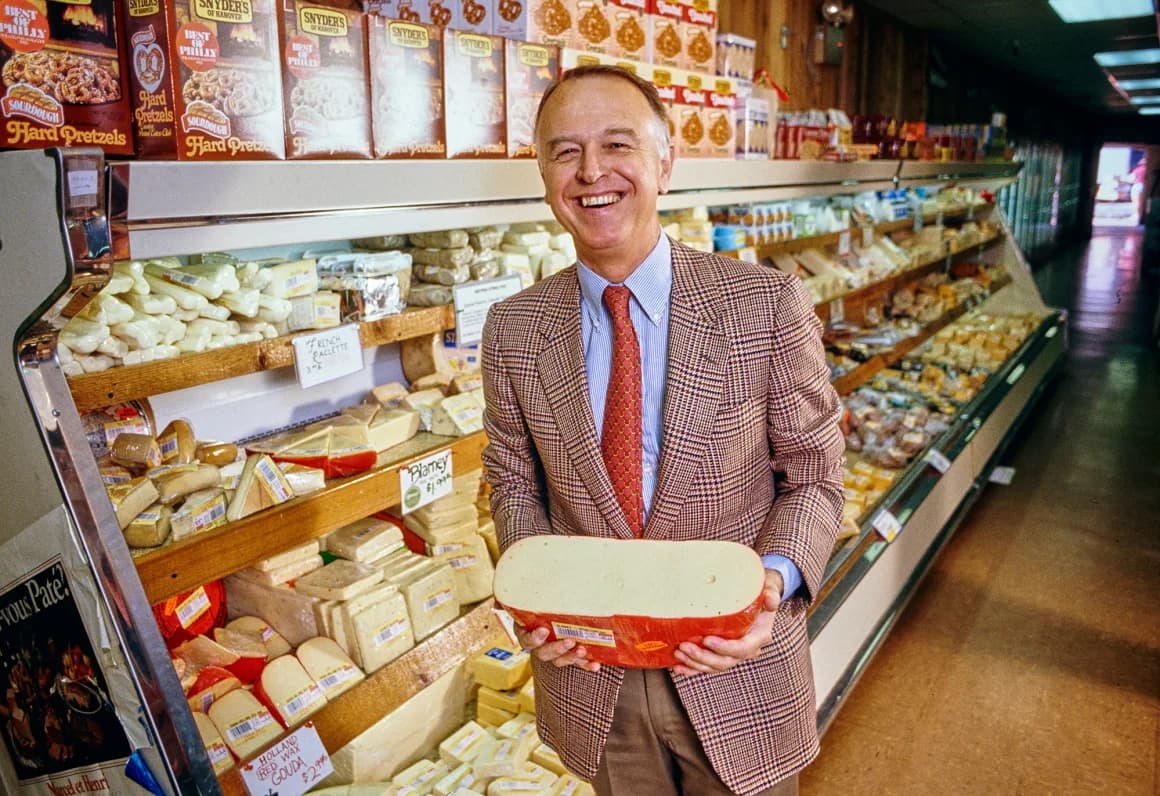
Posted by Kevin KearneyJun 25, 2025The first Trader Joe's opened in California in 1967Joe Coulombe was inspired by his travels outside the United States and wanted to open a store that offered some of the flavors he'd tasted abroad. Now, the store's unique products attract international visitors, who view it as a tourist destination. Zoom‘The Disneyland of American grocery stores’: How Trader Joe’s became a tourist hot spot | CNNCNNhttps://www.cnn.com/travel/trader-joes-tourist-attraction-cult-products
Posted by Kevin KearneyOct 2, 2025'Foodie' culture arose in the early 2000sFood writer Jaya Saxena attributes the mainstreaming of the term to early-aughts TV shows, including “Top Chef” and “No Reservations,” as well as the dawn of social apps like Yelp, which turned everyday diners into critics. Nobody Wants to Be a FoodieEaterhttps://www.eater.com/food-culture/911138/foodie-history-american-food-culture
Posted by Kevin KearneyJan 20Ukraine's sushi restaurants have remained open through the country's war with RussiaAlthough the country's cities have become battlegrounds, its sushi restaurants—a popular comfort food for Ukrainians—have remained open. That's especially surprising considering they require imported fresh fish and highly skilled chefs.NPRhttps://www.npr.org/2024/01/13/1223625870/ukraine-economy-war-sushi-restaurants
Posted by Meher QazilbashSep 23, 2025The sushi burrito hails from San FranciscoInventor Peter Yen wanted to combine sushi-making techniques with Latin flavors, so he founded Sushirrito, which specializes in burrito-sized sushi rolls with Mexican-inspired fillings like ginger guacamole.The Origins of the Sushi Burrito: Q&A with the Inventorhttps://www.themanual.com/food-and-drink/sushi-burrito-sushiritto/
Posted by Kevin KearneyDec 16, 2025How Japanese Anime became a global phenomenonAnime's popularity was once confined to Japan, but the art form has attracted a global audience in the 2020s due in large part to its availability on streaming and increased watch times during the COVID-19 pandemic. This Hollywood Reporter article explains how other factors—including several influential celebrities who consider themselves anime aficionados—have made the genre an international sensation. ZoomHow Japanese Anime Became the World's Most Bankable GenreThe Hollywood Reporterhttps://www.hollywoodreporter.com/business/business-news/japanese-anime-worlds-most-bankable-genre-1235146810/
Posted by Meher QazilbashApr 29, 2025Why there’s barely any cheese in traditional East Asian foodEast Asian cuisine has historically been cheese-free, but why? Several unique circumstances combined to limit—or eliminate—the dairy product in dishes from Japan, Korea, China, and other nearby countries: Livestock were seen as working animals rather than nutritional sources, and most people were lactose intolerant. As Western cuisine becomes more popular globally, though, cheese is making its way into more East Asian diets. ZoomWhy There's No Cheese in Chinese Food and Other East Asian Cuisine - ThrillistThrillisthttps://www.thrillist.com/eat/nation/no-cheese-chinese-food-east-asian-japanese-korean
Posted by Teddy BurkhardtSep 25, 2025Gas station sushi is actually pretty safe to eat, experts sayVending machine food, in general, gets a bad rap for its seeming lack of freshness, but whether the food you eat is safe usually depends on the quality of the cold chain supply logistics that brought it to the point of sale. Most prepackaged sushi fish has been flash frozen, and the rice has been mixed with vinegar to inhibit bacteria. 12:17Is Gas Station Sushi Safe To Eat?Weird History Foodhttps://www.youtube.com/watch?v=bh9HRHqTQuI
Posted by Kevin KearneyFeb 20Pizza became more popular in Italy after it took off in the USPizza was invented in Naples, though it wasn't particularly popular outside the region. As it grew more popular elsewhere—and as more American and European tourists visiting Italy began asking for it—restaurants across Italy adopted the cuisine. It's something anthropologist Agehananda Bharati calls "the pizza effect."https://eccentricculinary.substack.com/p/pizza-isnt-italian
Posted by Meher QazilbashSep 23, 2025Inspired by the burrito, wraps took over the food scene in the 1990s Using the burrito as a model, World Wrapps in San Francisco pioneered the fast-casual concept with a menu of wraps filled with gourmet ingredients like sauteed salmon and saffron rice. The Bros Who Disrupted the SandwichEaterhttps://www.eater.com/2017/12/4/16717262/world-wrapps-wrap-mission-burrito
Posted by Kevin KearneyJan 13Natural food stores began sprouting up in the US in the 1960s and 1970sHealth food stores began opening in the ‘50s, though they were primarily focused on vitamins and holistic supplements. Natural food stores, however, provided pesticide-free produce and often relied on local farmers for their products. One of the first was New Age Natural Foods, in San Francisco’s Haight-Ashbury neighborhood, which opened in 1965.https://www.foundsf.org/Early_Collective_Stores_and_Distributors
Posted by Kevin KearneyFeb 16Hibachi restaurants were designed to appeal to American soldiers stationed in JapanHibachi-style cooking was originally used in residences, with Japanese families cooking together around the grill. That style was then refined after World War II with the teppanyaki restaurant Misono, which used more American-friendly ingredients (like steak) to appeal to American soldiers stationed in the country. Despite the differences between teppanyaki and hibachi, diners began using "hibachi" to describe the concept. Later, the Aoki family brought it to American soil with Benihana. 14:20Weird History Foodhttps://www.youtube.com/watch?v=aD1fbhjFyvQ
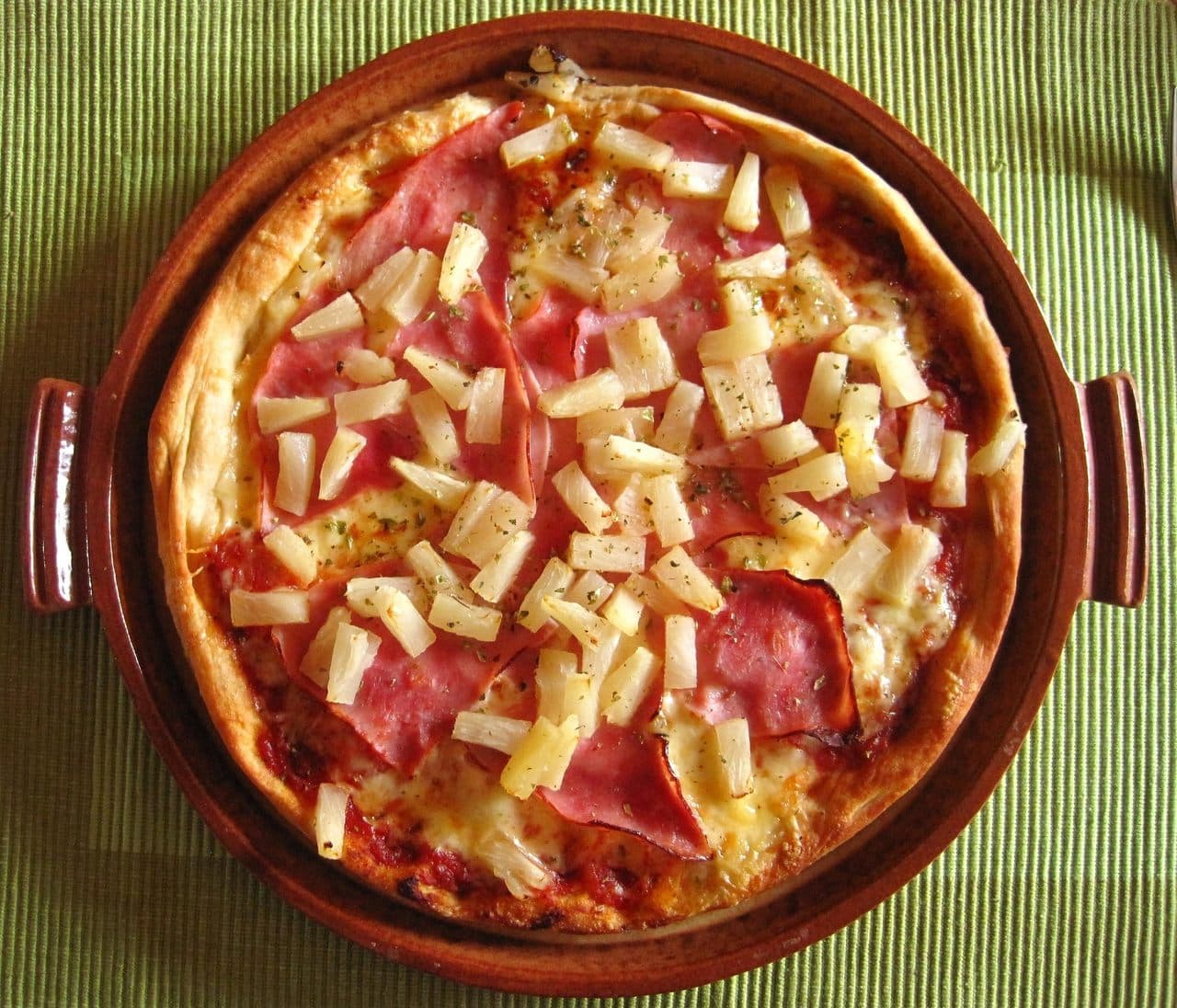
Posted by Kevin KearneyFeb 20The Hawaiian pizza was popularized by a Canadian chefHawaii's tiki culture was popular in North America through the mid-20th century, with canned pineapple a household staple. Sam Panopoulos, a Greek immigrant who operated a diner in Ontario, experimented with outlandish pizza recipes until he stumbled upon the idea for topping a pie with canned pineapple and ham. ZoomAtlas Obscurahttps://www.atlasobscura.com/articles/hawaiian-pizza-origin
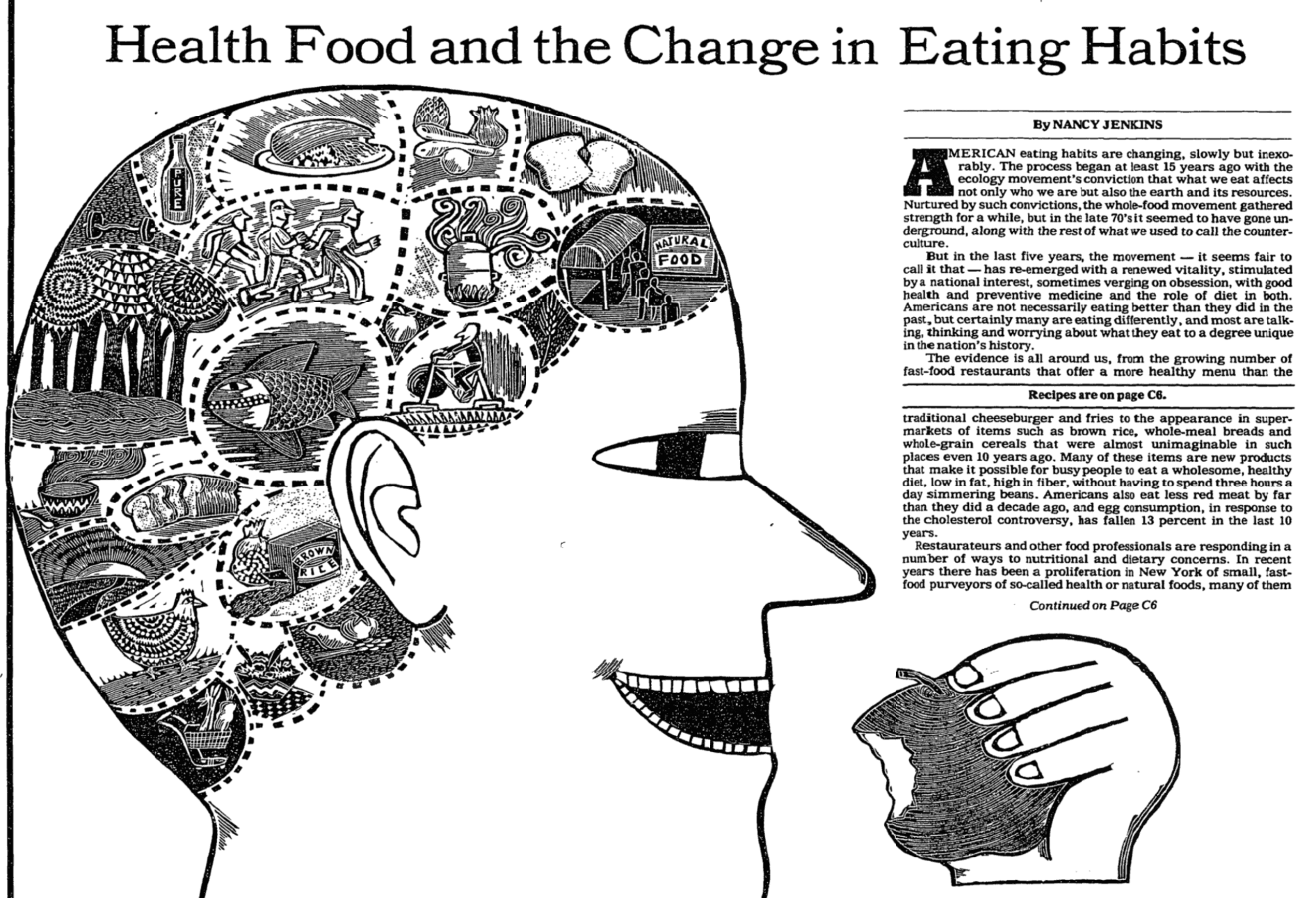
Posted by Kevin KearneyJan 13Health food broke into the mainstream by the 1980sA 1984 New York Times story noted that Americans were eating less red meat than a decade prior, and that, in general, the country was “talking, thinking and worrying about what they eat to a degree unique in the nation's history.” The feature then details foods that were then considered bizarre: whole-grain muffins, hummus, and a variety of vegetarian dishes. (Some readers may experience a paywall.) ZoomThe New York Timeshttps://www.nytimes.com/1984/04/04/garden/health-food-and-the-change-in-eating-habits.html?unlocked_article_code=1.BVA.wnV-.IyWjJ8O13HIf&smid=url-share
Posted by Kevin KearneyJan 20Watch a Japanese chef demonstrate how he prepares sushiTokyo's Naomichi Yasuda shows how he cuts tuna, wraps a maki roll, and assembles nigiri. In the process, he explains the proper way to enjoy the creations, offering advice for getting the most flavor. 6:26https://www.youtube.com/watch?v=auLmekEsaak
Posted by Teddy BurkhardtJul 31, 2025Santa Barbara once had a thriving Chinatown and JapantownIn the late 1800s, the city had an influx of immigrants from China and Japan, prompting the growth of areas dominated by their respective cultures. Earthquakes and world wars, as well as a push for Spanish Colonial architecture, led to their eventual decline. ZoomWhat Happened to Santa Barbara’s Forgotten Chinatown and Japantown - The Bottom Line UCSBhttps://thebottomline.as.ucsb.edu/2022/05/news-what-happened-to-santa-barbaras-forgotten-chinatown-and-japantown
Posted by Meher QazilbashMay 21, 2025Some call Beard the original 'foodie'James Beard came of age when home cooking revolved around canned and frozen ingredients. Likewise, West Coast cuisine wasn’t on anyone’s radar. Beard’s appreciation of fresh, seasonal ingredients and regional influences provided a foundation for today’s movement toward local, farm-to-table cooking and the foodies who seek it out. 27:32James Beard, the Pacific Northwest and the birth of the foodie movement | Oregon Experiencehttps://www.youtube.com/watch?v=BFWhCm3Aqlg