Politics

Featured Topics

    1440 Findings

    Hours of research by our editors, distilled into minutes of clarity.

    • When FDR clashed with SCOTUS and lost

      In 1937, President Franklin D. Roosevelt, frustrated by the Supreme Court's rulings against his New Deal programs, proposed the Judicial Procedures Reform Bill, an effort to appoint additional justices sympathetic to his policies. This move, widely criticized as "court-packing," ultimately failed. This article from Smithsonian Magazine explores this pivotal clash between the executive and judicial branches, offering insights into the constitutional crisis and its implications for American democracy.
    • SCOTUSblog, a go-to daily resource on the Supreme Court

      SCOTUSblog is a go-to source for in-depth, nonpartisan coverage of the US Supreme Court. Founded in 2002, it offers expert analysis from lawyers, professors, and journalists. The blog provides clear and unbiased explanations of major cases, real-time decision updates, and insights into court nominations and trends.

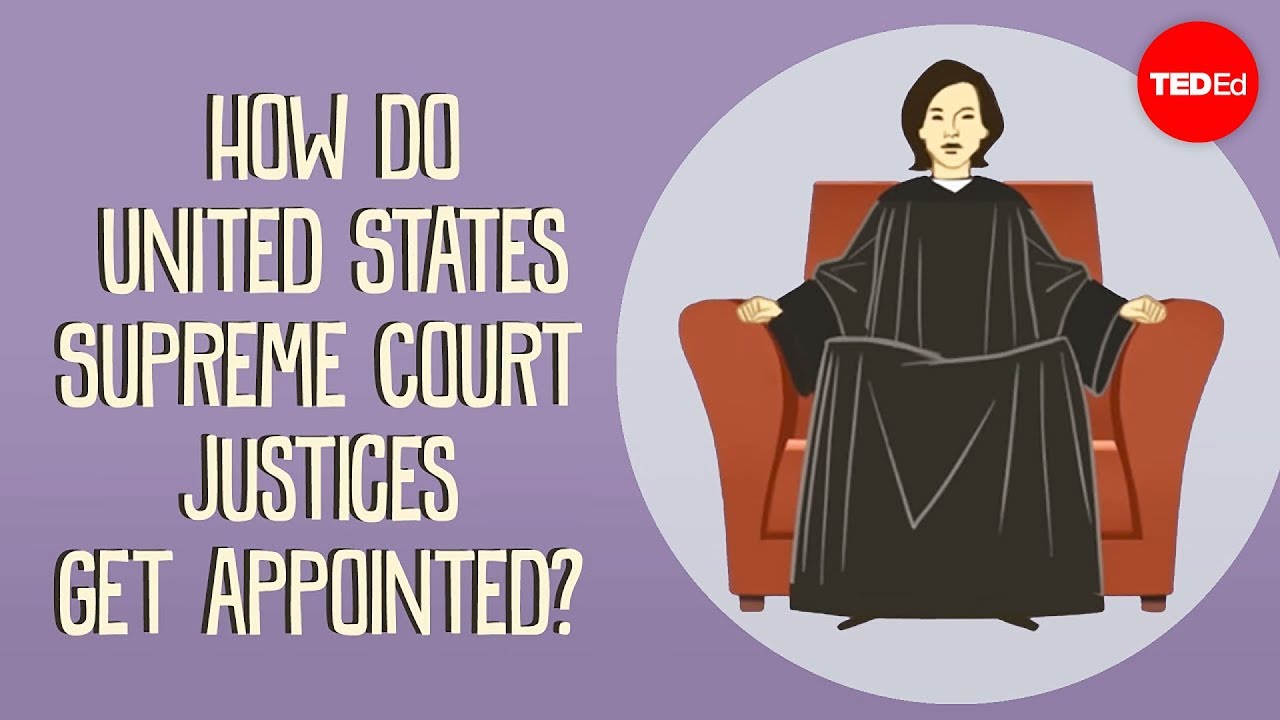
    • How do US Supreme Court justices get appointed?

      ​Appointing a US Supreme Court justice is a rigorous process involving multiple steps. The President nominates a candidate, who then undergoes thorough background checks and vetting. The Senate Judiciary Committee conducts public hearings to assess the nominee's qualifications and judicial philosophy. Following these hearings, the full Senate debates and votes on the nomination. This video from Ted-Ed outlines this process in detail.

      Video

      How do US Supreme Court justices get appointed?

    • The ruling that brought about 'separate but equal'

      The Supreme Court established the concept of “separate but equal” in its 1896 Plessy v. Ferguson decision. The Court ruled that segregation laws by state and local governments were legal, which enabled decades of discrimination against Black Americans. This doctrine was eventually overruled by the court’s monumental Brown v. Board of Education decision. It ruled that segregation of public schools was unconstitutional. This Cornell Law School page explores both cases, their background, and their eventual impact on American society.

    • How the Supreme Court works, 101

      ​This page from the US Supreme Court's official website outlines the Court's operational framework. It details the annual term's structure, alternating between "sittings" for hearing cases and "recesses" for deliberation and opinion writing. Head here for a description of the protocols for oral argument, the court’s decision-making processes, and the Justices' continuous responsibilities.

    • All the laws SCOTUS has ruled unconstitutional

      Nearly 500 laws have been overturned by the Supreme Court since 1789. The court ruled these laws unconstitutional, meaning they were in contradiction to the nation’s founding document or its amendments. This table lists every overturned federal or state law, with the reason for each.

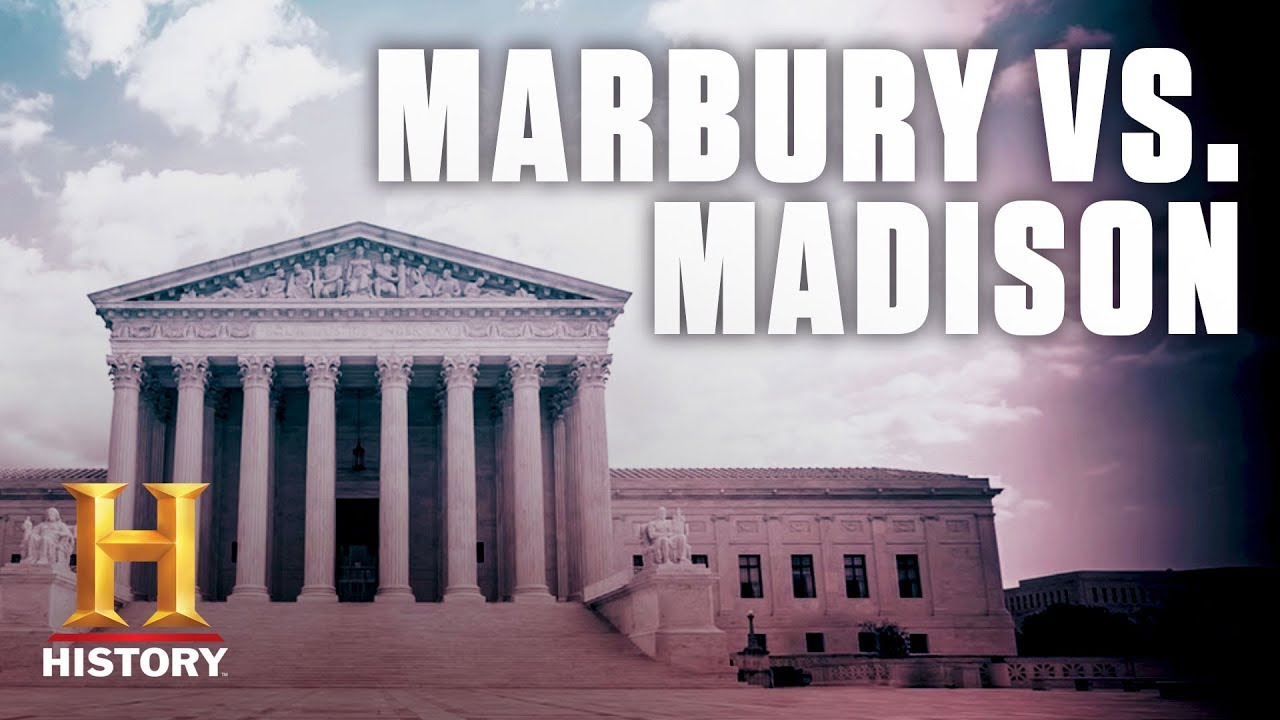
    • What was Marbury v. Madison about?

      ​Marbury v. Madison (1803) was a landmark US Supreme Court case that established the principle of judicial review. This concept empowers American courts to invalidate laws and statutes that violate the Constitution. This decision significantly increased the influence and authority of the Supreme Court. This video from the History Channel outlines the case and its impact on American constitutional law.

      Video

      What was Marbury v. Madison about?

    • A congressional act can change the number of SCOTUS justices

      ​Court packing is the practice of altering the number of Supreme Court justices, typically to shift the court's ideological balance. The US Constitution doesn't specify the number of justices; this is determined by Congress. Historically, the court's size has varied, notably during the Civil War era. This page from the National Constitution Center explores the times presidents attempted to “pack the court,” including an unsuccessful attempt by Franklin D. Roosevelt in 1937.

    • Who are the current justices of SCOTUS?

      This webpage from the Supreme Court Historical Society offers an in-depth look at the nine justices currently serving on the US Supreme Court. It provides detailed biographies, including their legal backgrounds and career paths. Visitors can also listen to audio clips of each justice speaking during court proceedings, offering insight into their judicial reasoning and courtroom demeanor.

    Next page