Politics

Featured Topics

    1440 Findings

    Hours of research by our editors, distilled into minutes of clarity.

    • The man who gave nine people power over everyone

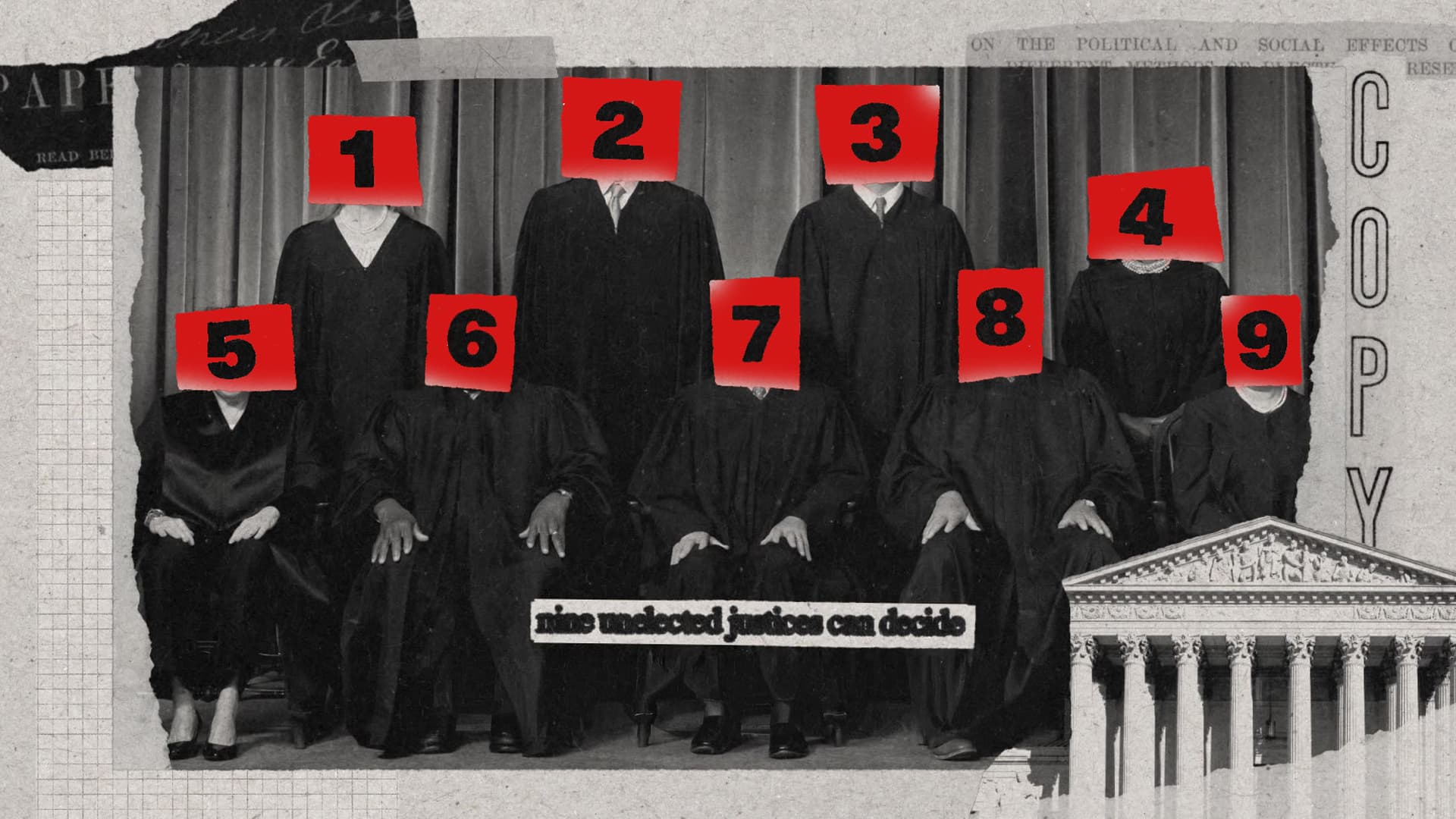
      In the US, nine unelected justices can shape some of the most personal and political parts of our lives. But the Supreme Court wasn’t always this powerful. When it was first written into the Constitution, it had no clear authority, no real role, and little public respect.
    • Rulings on the all-important First Amendment

      First Amendment litigator and law blogger Ken White hosts this podcast exploring the background of the most important First Amendment cases in American history. Case topics include inflammatory and defamatory speech, freedom of speech for students, and more. Whether you're a legal nerd or just curious about your rights, this podcast breaks it down in an engaging and accessible way.

    • SCOTUSblog, a go-to daily resource on the Supreme Court

      SCOTUSblog is a go-to source for in-depth, nonpartisan coverage of the US Supreme Court. Founded in 2002, it offers expert analysis from lawyers, professors, and journalists. The blog provides clear and unbiased explanations of major cases, real-time decision updates, and insights into court nominations and trends.

    • What was Marbury v. Madison about?

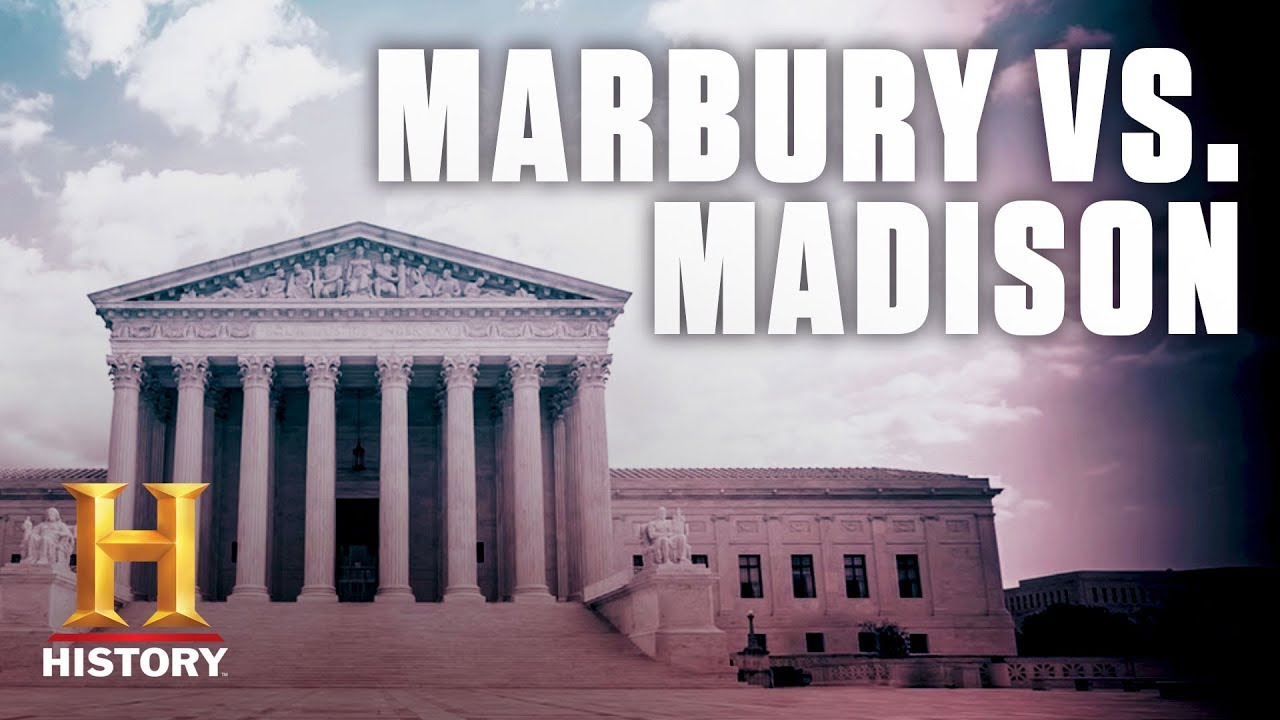
      ​Marbury v. Madison (1803) was a landmark US Supreme Court case that established the principle of judicial review. This concept empowers American courts to invalidate laws and statutes that violate the Constitution. This decision significantly increased the influence and authority of the Supreme Court. This video from the History Channel outlines the case and its impact on American constitutional law.

      Video

      What was Marbury v. Madison about?

    • Why Supreme Court justices serve for life

      While most government leaders have limits to how long they can lead, the United States Supreme Court is a rare exception. The US Constitution established life terms for the country's highest judges, ostensibly to insulate the institution from political pressures associated with campaigning or as a quid pro quo for a brief appointment. Dive into the debate around this controversial US policy with this brief write-up.

    • The ruling that brought about 'separate but equal'

      The Supreme Court established the concept of “separate but equal” in its 1896 Plessy v. Ferguson decision. The Court ruled that segregation laws by state and local governments were legal, which enabled decades of discrimination against Black Americans. This doctrine was eventually overruled by the court’s monumental Brown v. Board of Education decision. It ruled that segregation of public schools was unconstitutional. This Cornell Law School page explores both cases, their background, and their eventual impact on American society.

    • The Supreme Court’s only criminal trial

      In 1908, the Supreme Court convicted a Tennessee sheriff, his deputy, and four civilians for their role in defying the court’s execution stay two years before. The group lynched Ed Johnson—a Black man believed to be innocent who was nonetheless convicted of rape—after the court ordered him not to be executed.

    • A list of every Supreme Court justice

      In over 220 years, roughly 115 people have held the office of justice on the Supreme Court. Seventeen of those were chief justices, the body’s formal leader. The first African-American justice was Thurgood Marshall in 1967, and the first woman was Sandra Day O’Connor in 1981.

    Next page