Posted by
With a core consisting of a glass fiber roughly the width of human hair, fiber-optic cables transmit digital information via flashes of light that reflect within the glass.
Findings
Additional insights we found via History of Simple Things
Transmitters send pulses of light down fiber-optic cables, like Morse code, corresponding to the 0s and 1s of binary code, which receivers can process back into digital data.
Although light can travel across transparent materials, such as from glass to air, a difference in densities between the materials causes it to bend—a phenomenon called refraction.
When striking the interface between the core of the fiber optic cable and the surrounding, less dense cladding, light refracts so severely that it is completely reflected back into the core, minimizing data loss as it travels through the cable.
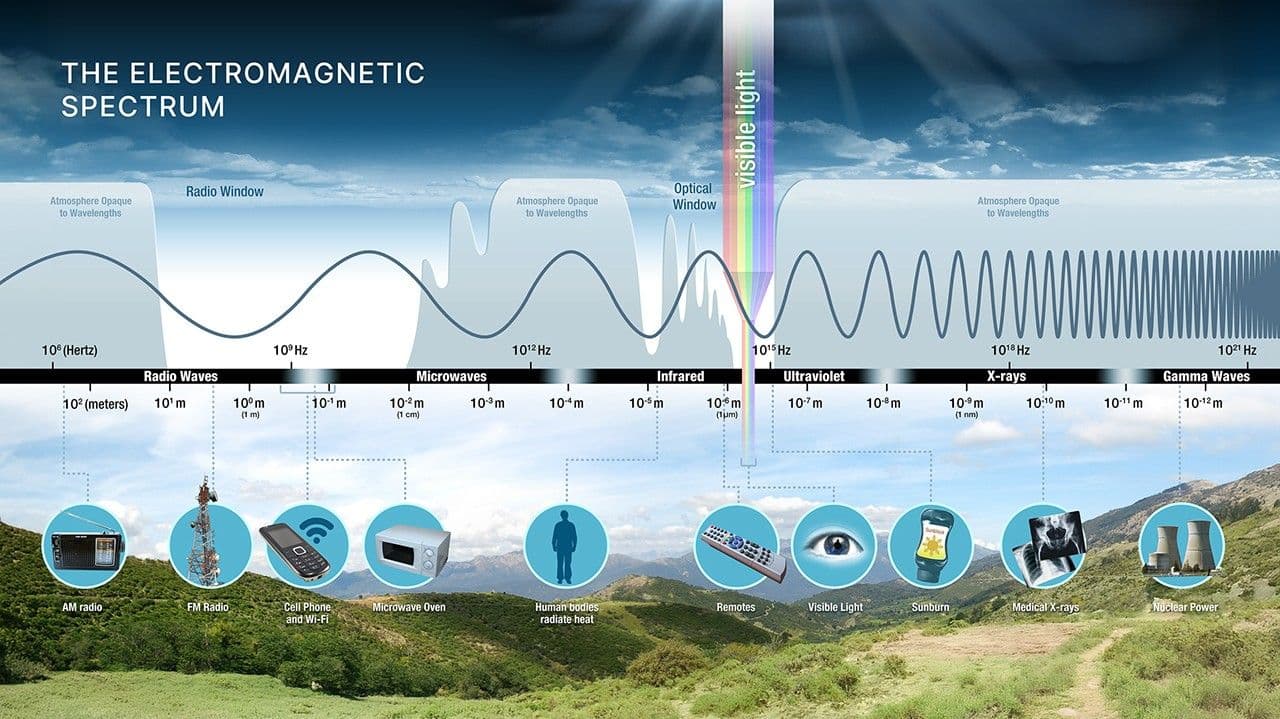
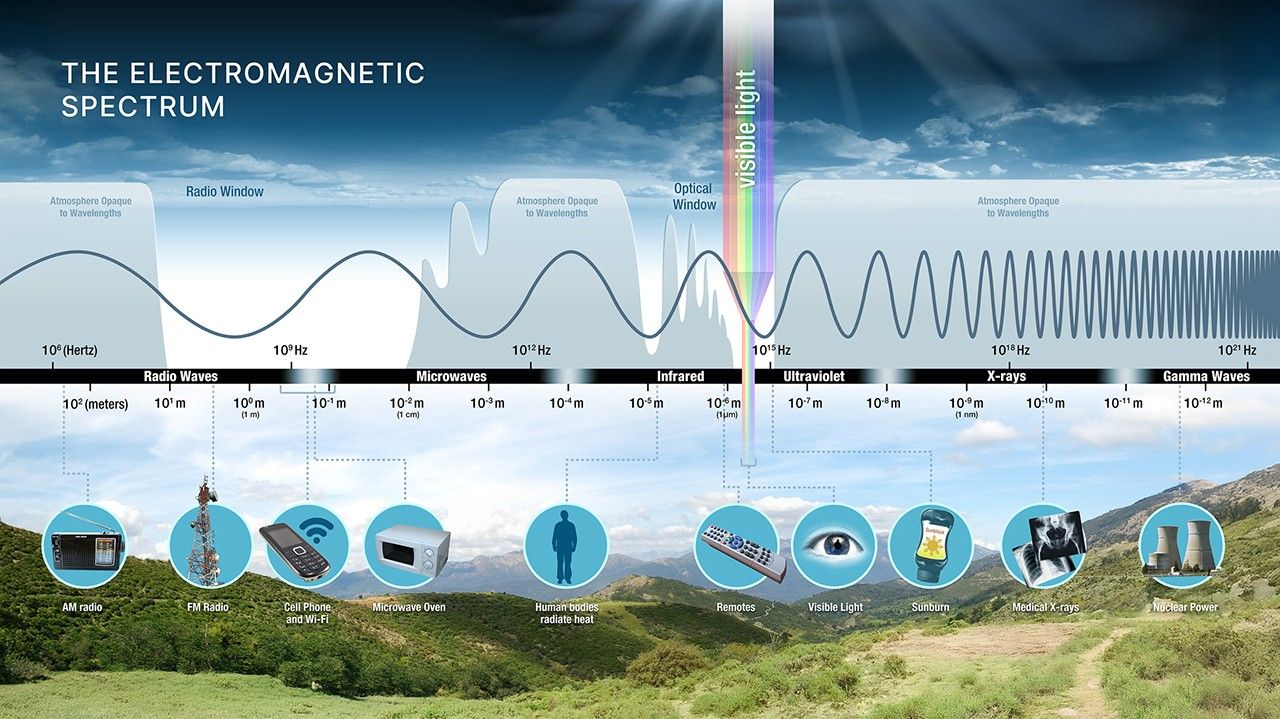
Because light exists across multiple wavelengths (colors), multiple data streams can be transmitted over a single fiber-optic cable simultaneously without mixing.
Compared with copper wiring, which is subject to electrical resistance and therefore signal loss, fiber-optic networks can transmit signals for dozens of kilometers before requiring amplification.
Similar Posts
Showing 1440 posts similar to “With a core consisting of a glass fiber roughly the width of human hair, fiber-optic cables transmit digital information via flashes of light that reflect within the glass.”
You've reached the end.