Back

Posted by

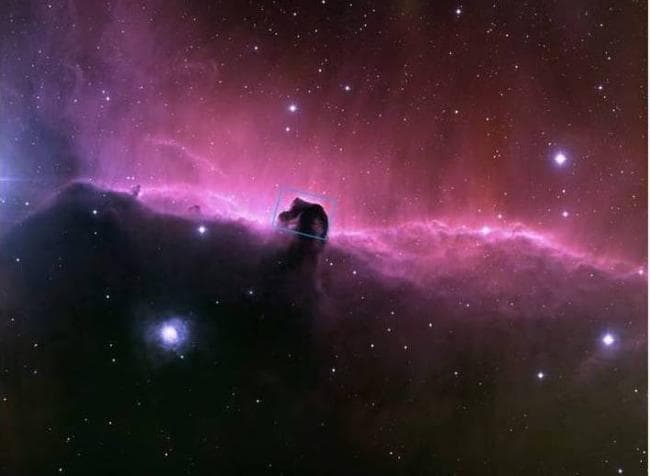
As seen in the dark region of the Horsehead Nebula, clouds of space dust can block some forms of light from reaching telescopes, impairing observations and data collection.
Findings

Additional insights we found via Harvard University

  1. Unlike the dead skin cells, pollen, hair, pet dander, and other materials that make up the particles of dust from everyday experience, cosmic dust is primarily made of minerals containing silicon, just like sand, as well as carbon and other elements.

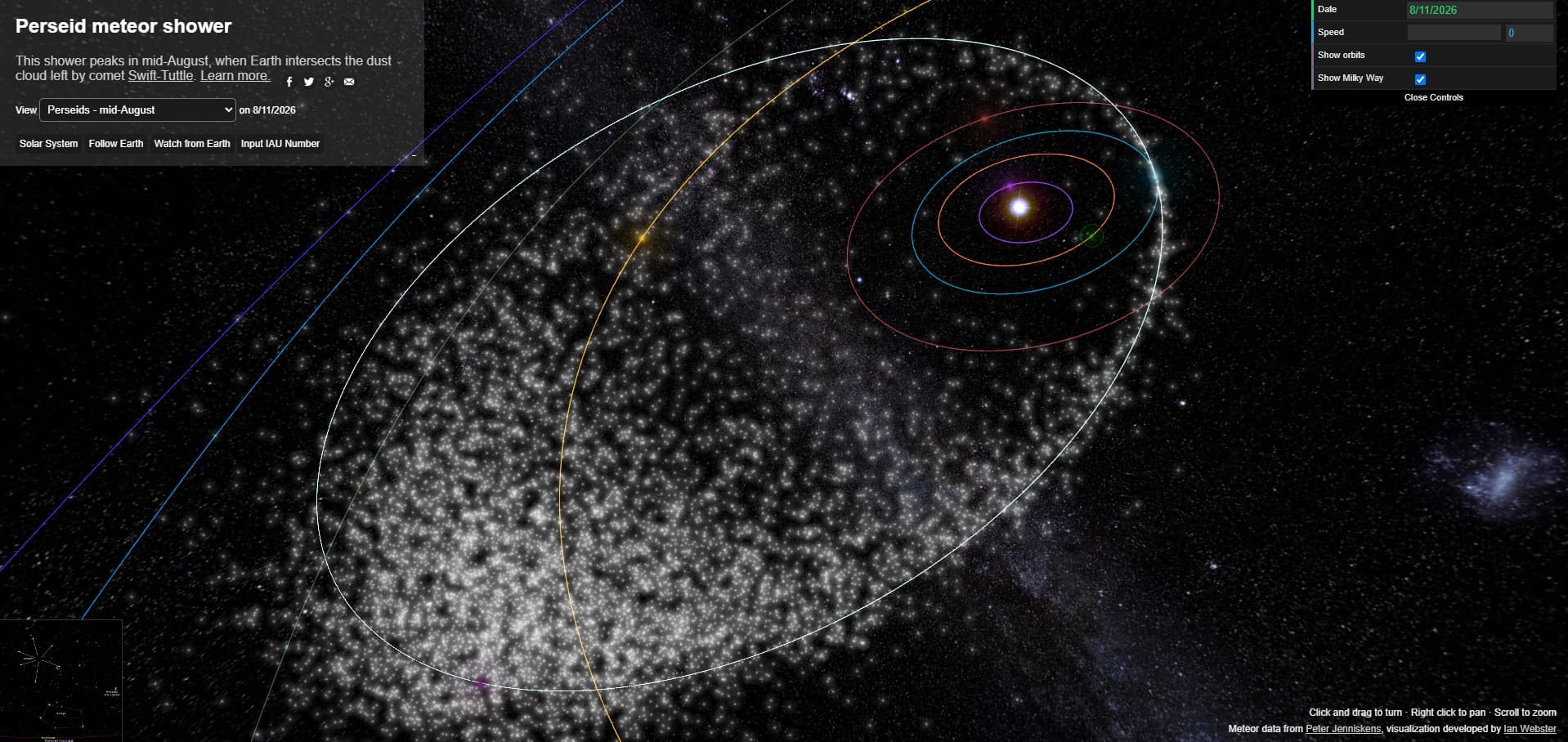
  2. Grains of space dust are produced in the supernova explosions of massive stars, ejected in stellar winds—streams of charged particles ejected by stars—and vaporizing comets, and created during the collisions of asteroids.

  3. Cosmic dust is thought to serve as a platform for accumulating material and jump-starting the formation of stars and planets.

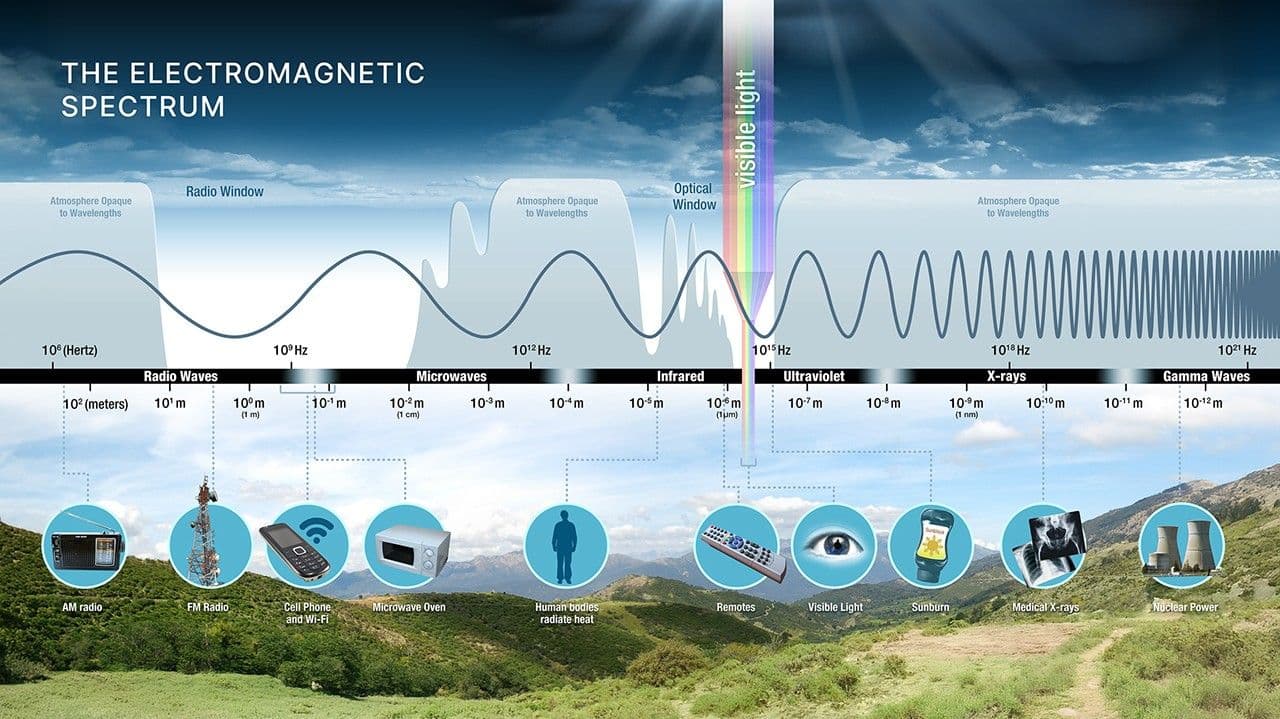
  4. Although space dust absorbs almost all ultraviolet and visible light, it re-emits this energy as infrared radiation, which also travels through the dust, enabling specialized telescopes to observe phenomena through these clouds.

More Posts

You've reached the end.

As seen in the dark region of the Horsehead Nebula, clouds … | 1440