Women's National Basketball Association

1440 Findings

Hours of research by our editors, distilled into minutes of clarity.

  • Pinned

    Documenting the first year of the WNBA

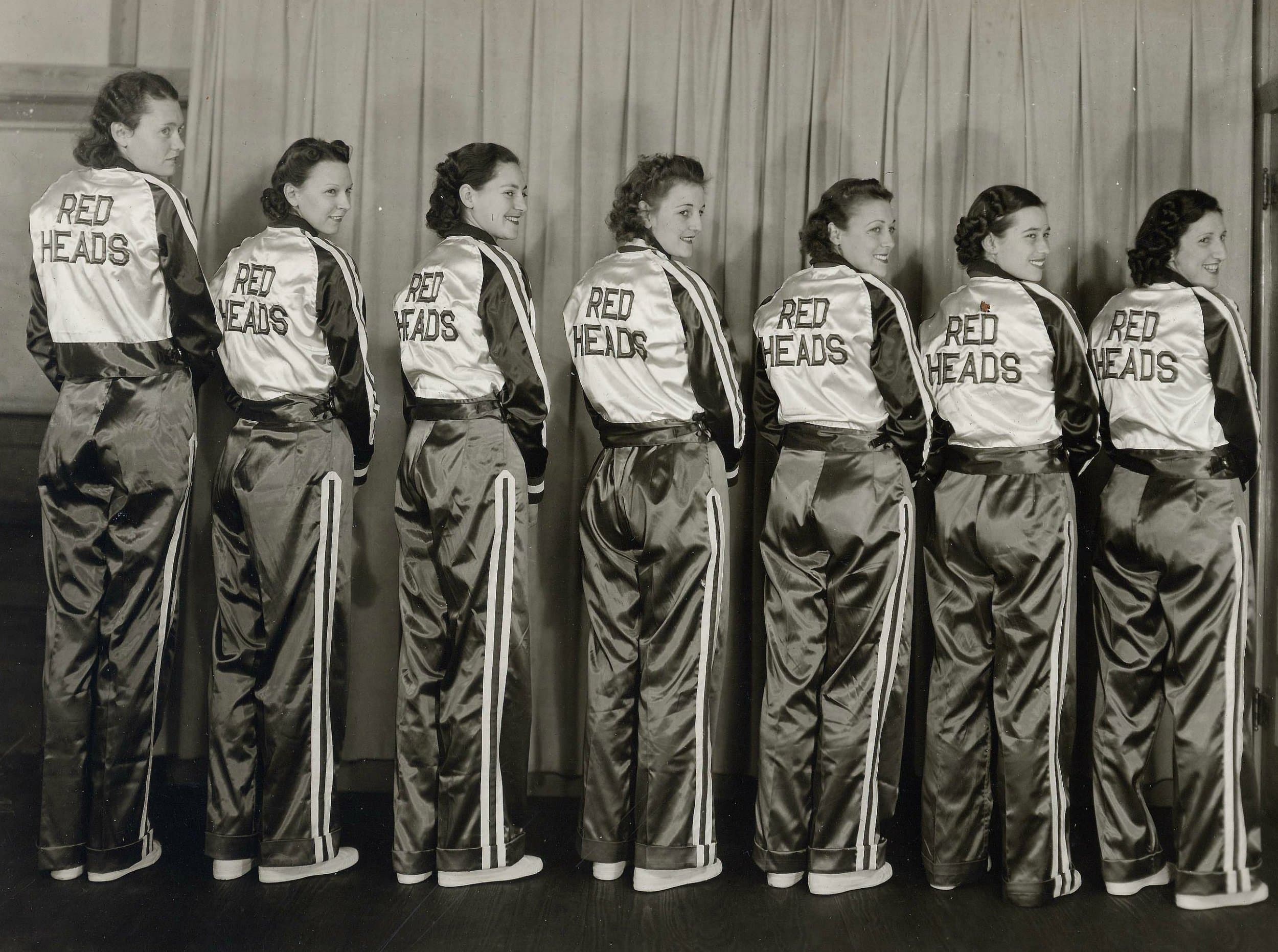
    The WNBA was launched in 1997, providing a historic opportunity for women’s basketball. Two weeks after the WNBA kicked off its inaugural season, NBC aired this hourlong documentary, giving viewers a behind-the-scenes look at the league’s first games. The documentary also looks at the first pro league, the All-American Red Heads, and provides stories of the premier players in the WNBA.

  • The history of the WNBA in 60 seconds

    Women’s basketball began in 1892, less than a year after the sport’s invention, but restrictive clothing and societal norms posed early challenges. Senda Berenson modified rules to make the game more “suitable,” limiting dribbling and court movement. By 1971, women began playing with rules similar to men’s, and Title IX in 1972 provided federal funding, opening doors for future athletes.

  • Breaking down the WNBA's expansion plans

    The 2026 season features two new teams, the Portland Fire and the Toronto Tempo, with plans for franchises in San Francisco, Cleveland, Detroit, and Philadelphia by 2030. This ESPN explainer unpacks what that means for fans.

  • Top 25 milestones in WNBA history

    During the 2021 season, the WNBA celebrated its 25th anniversary, marking North America's longest-running women’s pro league. This ESPN interactive highlights 25 significant "firsts" and milestones that defined the WNBA's 25-year history.

  • The economics of the WNBA

    The 2024 WNBA season shattered attendance and viewership records, thanks in large part to rookies Caitlin Clark and Angel Reese. The league secured a record 11-year, $2.2B media rights deal. Yet players' salaries are low compared to the NBA. This CNBC video dives into the WNBA’s business model and explores why it may take years before the longest-running women’s sports league becomes profitable.

  • Senda Berenson Abbott revolutionized women's basketball

    In the late 1800s, college physical education programs were used to prepare post-Victorian Era women for the workforce. In 1890, Smith College built one of the country's largest and most well-equipped gyms and hired Senda Berenson to run its activities, which she did by revising basketball's rules so women could play while still meeting societal expectations.

  • Title IX provided much-needed funding for women's sports

    When Title IX was passed in 1972, it addressed gender discrimination in education. Although its expected impact on sports was minimal, it ended up being one of the most significant laws in women's sports history.

Explore Society & Culture

Art, music, sports, entertainment, movies, and many other subjects—these elements define who we are as a society and how we express ourselves as a culture. Take a deep dive into the topics shaping our shared norms, values, institutions, and more.

View All Society & Culture