Watergate Scandal
Overview
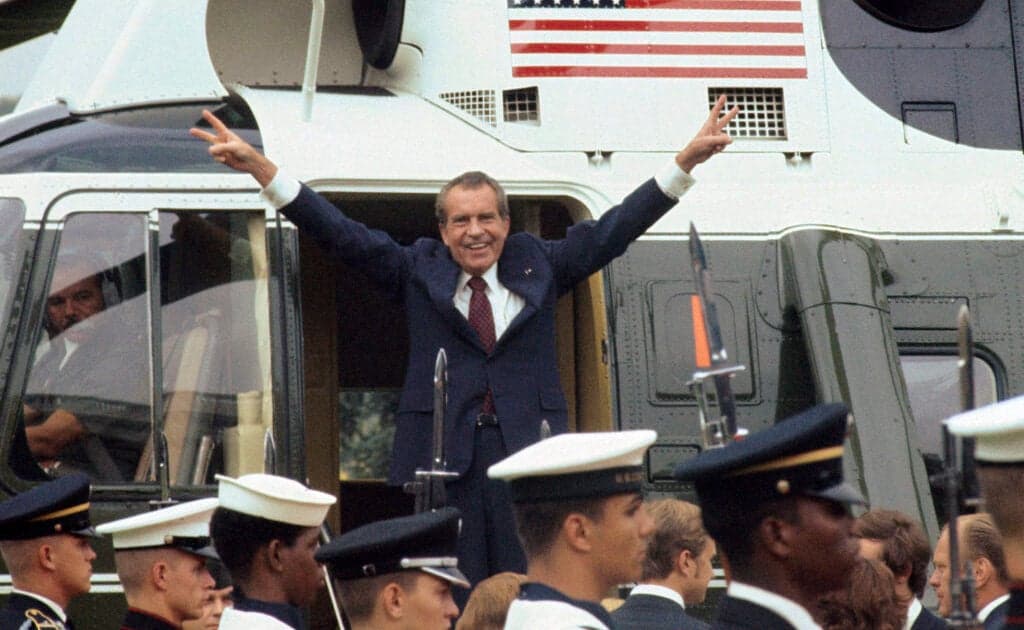
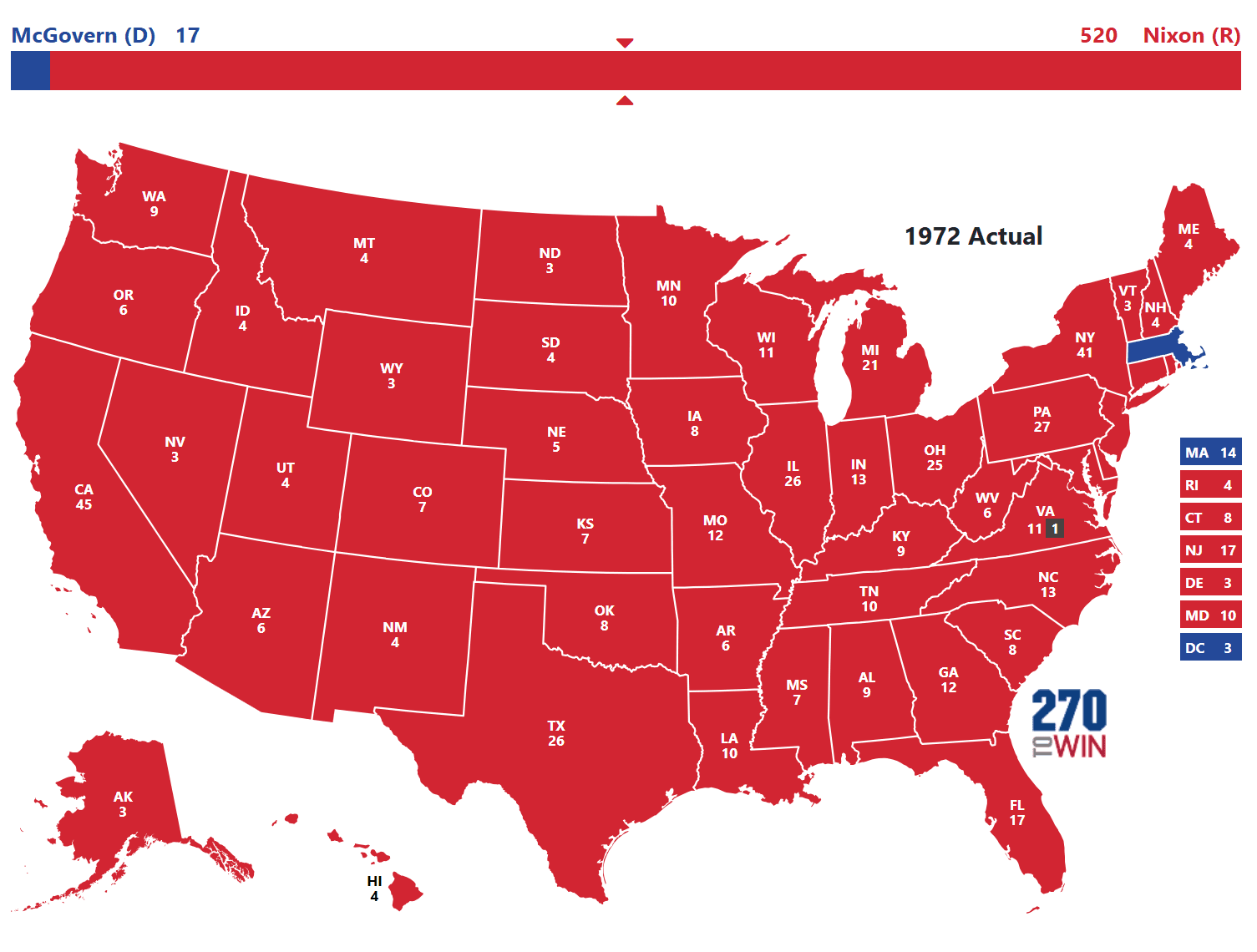
The Watergate scandal was a defining US political crisis of the early 1970s, sparked by a June 1972 break-in at Democratic National Committee offices inside Washington's Watergate complex. The burglars were tied to President Richard Nixon's reelection campaign, and subsequent investigations uncovered illegal campaign activities and an extensive White House cover-up. The scandal ultimately led to nearly 50 criminal convictions and Nixon's resignation in August 1974—the only resignation by a US president.
Although the White House initially dismissed the break-in as a "third-rate burglary," journalists and federal investigators soon traced money and coordination back to Nixon's campaign. Senate hearings revealed the existence of secret Oval Office tape recordings, and a confrontation over access to those tapes culminated in "the Saturday Night Massacre" in 1973, when Nixon ordered the firing of a special prosecutor—triggering a constitutional crisis and impeachment proceedings.
In July 1974, the Supreme Court ordered the release of the tapes, confirming Nixon's role in the cover-up. After Nixon's resignation, President Gerald Ford pardoned him, a decision that proved controversial. Watergate reshaped American politics, producing major reforms in campaign finance, ethics, and congressional oversight while permanently deepening public distrust in government.
1440 Findings
Hours of research by our editors, distilled into minutes of clarity.



Explore Civics
An informed citizenry is the backbone and bulwark of a vibrant democracy. From the principles behind the founding of the country to the forces that shaped our modern institutions, explore the most illuminating and insightful Civics resources from across the internet.