Congressional Redistricting
Overview
Congressional redistricting is the process by which states redraw electoral district boundaries that determine representation in the US House of Representatives. The Constitution, federal law, and court rulings require districts to have roughly equal populations, avoid discrimination against racial or language minorities, and, in most states, be geographically contiguous. For most of American history, redistricting has followed a predictable cycle, occurring every 10 years after the census.
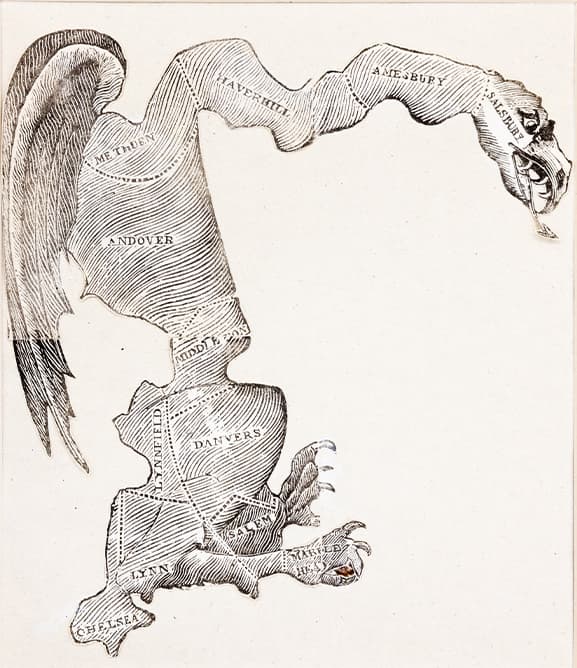
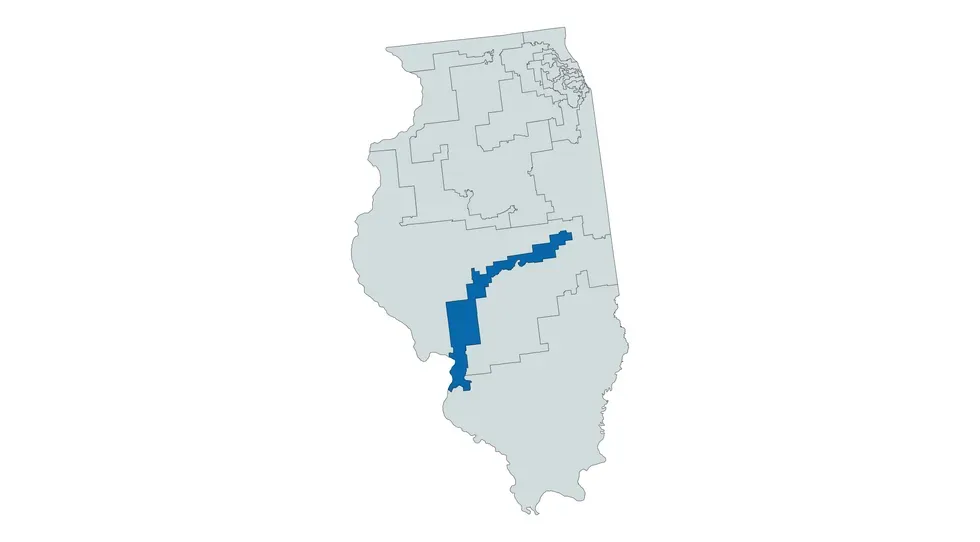
Gerrymandering is the deliberate manipulation of district boundaries to advantage one political party. Common tactics by both major American political parties include packing opposition voters into a small number of districts and cracking them across many districts to dilute their influence. Enabled by detailed voter data and advanced mapping software, modern gerrymandering can extend down to individual streets or blocks. Most scholars agree that it weakens democratic accountability by reducing competition and insulating incumbents.
The practice dates back to the beginning of the American republic but was constrained during the Civil Rights era, particularly after the Voting Rights Act of 1965. Court decisions and technological advances have since reduced many of those constraints.
1440 Findings
Hours of research by our editors, distilled into minutes of clarity.




Explore Civics
An informed citizenry is the backbone and bulwark of a vibrant democracy. From the principles behind the founding of the country to the forces that shaped our modern institutions, explore the most illuminating and insightful Civics resources from across the internet.