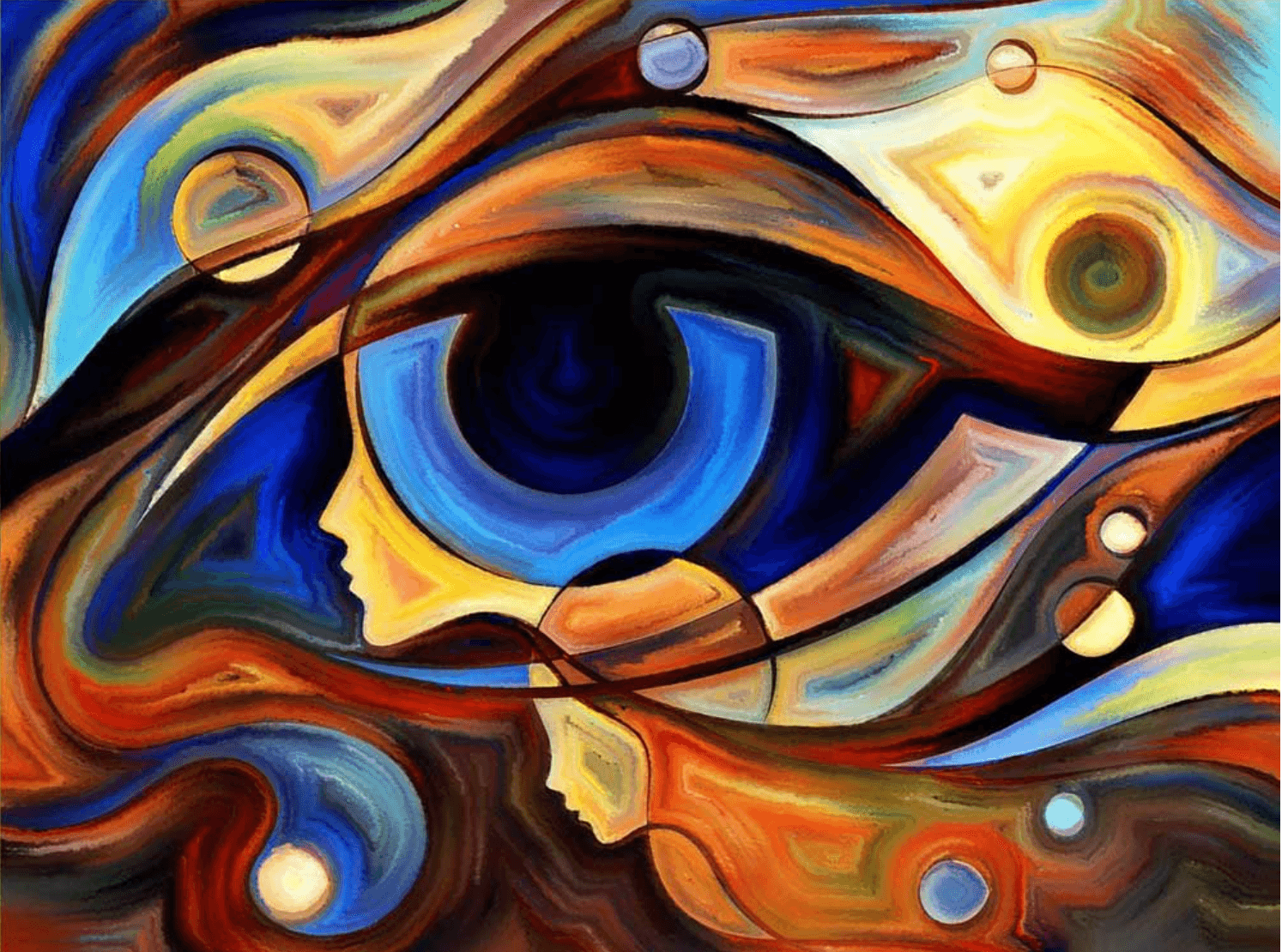
Posted by Dina Fine MaronJun 9Carl Jung proposed the controversial idea of the 'collective unconscious'—all humans share a common psychic realm.Show 2 more findings ZoomJung’s Most Controversial Idea: What is the Collective Unconscious?TheCollectorhttps://www.thecollector.com/carl-jung-controversial-idea-what-is-collective-unconscious/
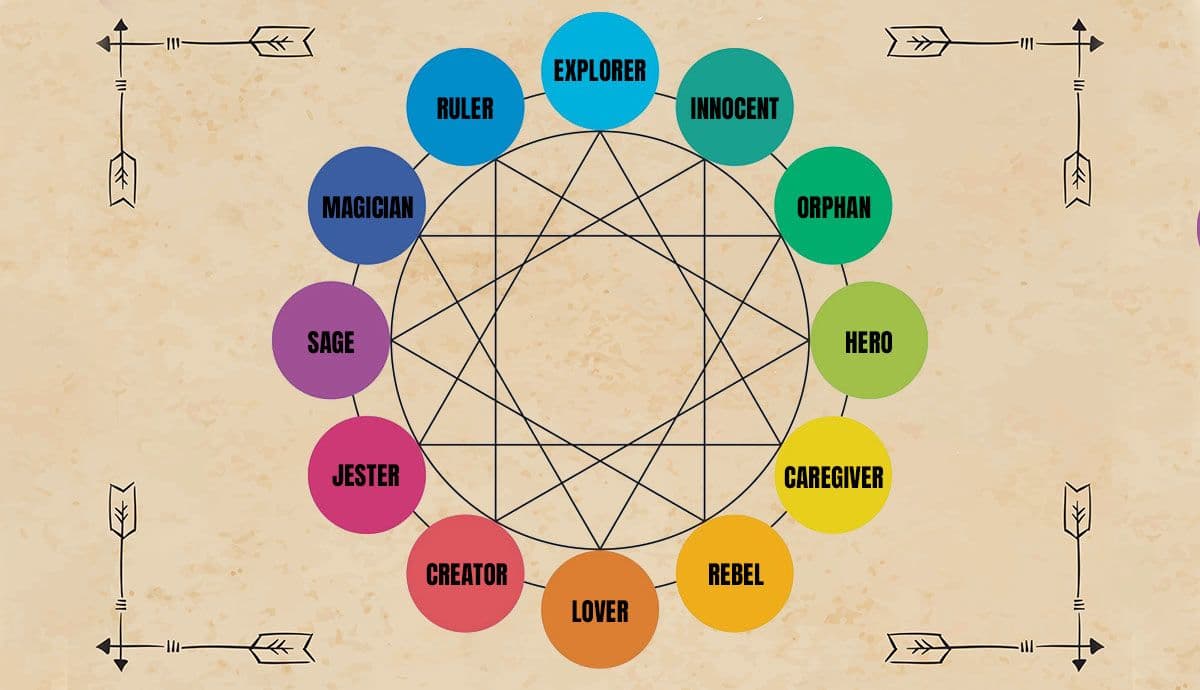
Posted by Dina Fine MaronJan 8Jungian archetypes can reveal personality traitsSwiss psychologist Carl Jung argued that we’re drawn to familiar character types—such as heroes, caregivers, or rebels—because they reflect universal archetypes embedded in the human subconscious. He believed these patterns shape behavior, motivation, and personal growth. ZoomTheCollectorhttps://www.thecollector.com/jungian-archetypes-reveal-about-you/
Posted by Marco Daniel MachadoOct 6, 2025Panpsychism suggests that all matter possesses consciousnessThe theory describes consciousness as a fundamental, ubiquitous property, rather than separate or emerging from matter. Cosmopsychism posits that the universe is conscious, while some critics argue that consciousness itself may be an illusion.Panpsychism: The Trippy Theory That Everything From Bananas to Bicycles Are ConsciousDiscover Magazinehttps://www.discovermagazine.com/panpsychism-the-trippy-theory-that-everything-from-bananas-to-bicycles-are-42248
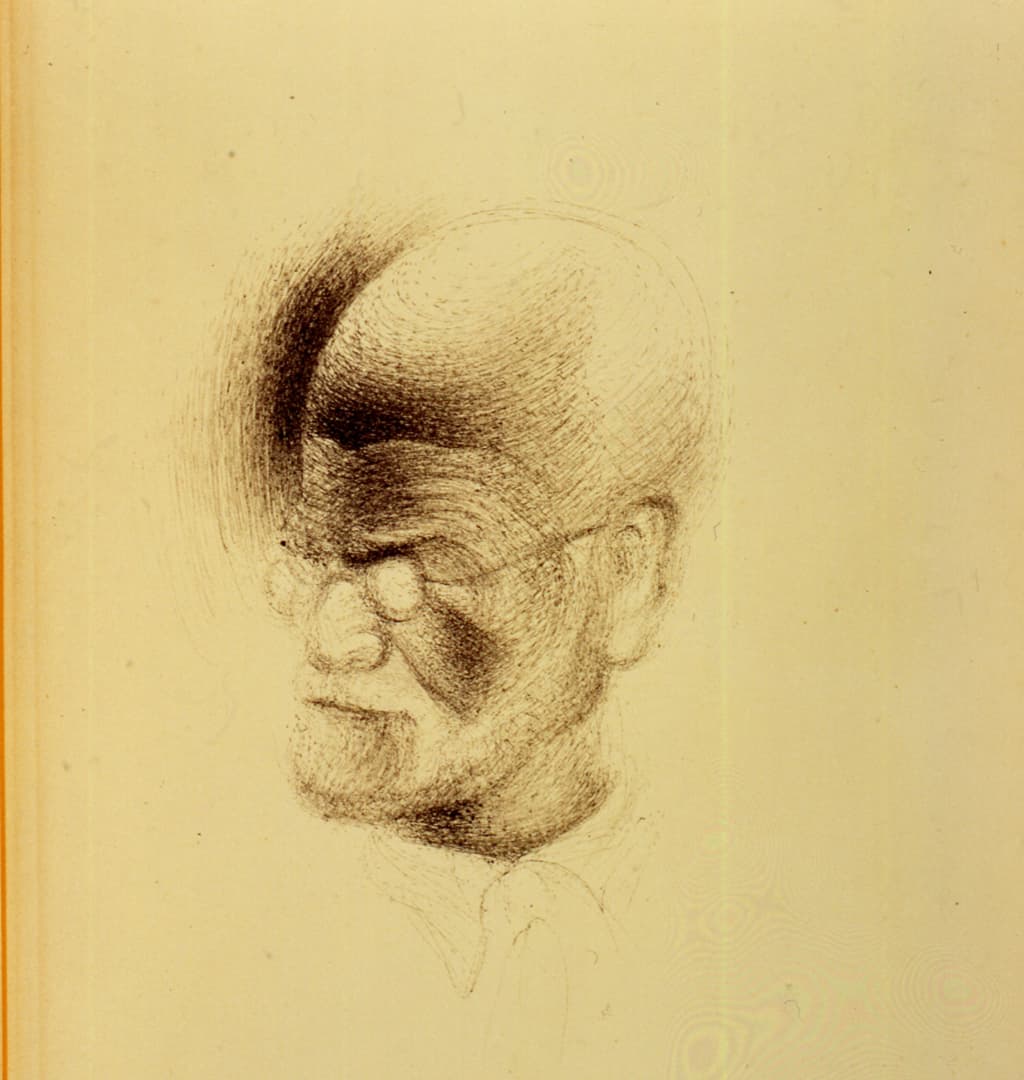
Posted by Teddy BurkhardtJan 2, 2023What is Freud's idea of the unconscious?The unconscious has become a widely used term, but Freud meant something quite specific. Here's a look into his technical use of the term. ZoomWhat is the Unconscious? - Freud Museum Londonhttps://www.freud.org.uk/education/resources/what-is-the-unconscious/
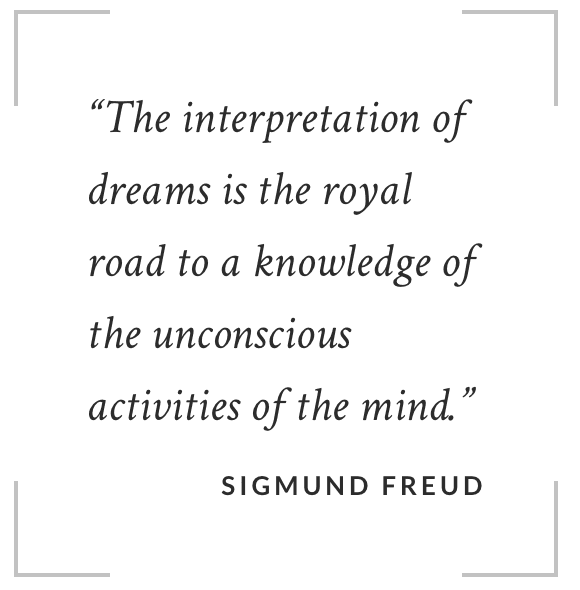
Posted by Dina Fine MaronJun 8Famed psychologist Sigmund Freud believed dreams were symbolic expressions of desire.Show 2 more findings ZoomThe interpretation of dreams : Freud, Sigmund, 1856-1939 : Free Download, Borrow, and Streaming : Internet ArchiveFreud.orghttps://www.freud.org.uk/schools/resources/the-interpretation-of-dreams/
Posted by Teddy BurkhardtJan 8, 2024The dreaming brain, as understood by scientistsTechnology has advanced to where the seemingly separate fields of psychology and neuroscience are asking the same questions about dreams, such as whether they're more closely related to perception or visualization. Some field-intersecting findings include research that shows people with impaired face perception don't dream of faces, those with brain legion-related cognition difficulties deal with similar issues in dreams, and children's dreams change in parallel to their cognitive development. ZoomDreaming and the brain: from phenomenology to neurophysiologyhttps://www.cell.com/trends/cognitive-sciences/fulltext/S1364-6613(09)00267-8?_returnURL=https%3A%2F%2Flinkinghub.elsevier.com%2Fretrieve%2Fpii%2FS1364661309002678%3Fshowall%3Dtrue
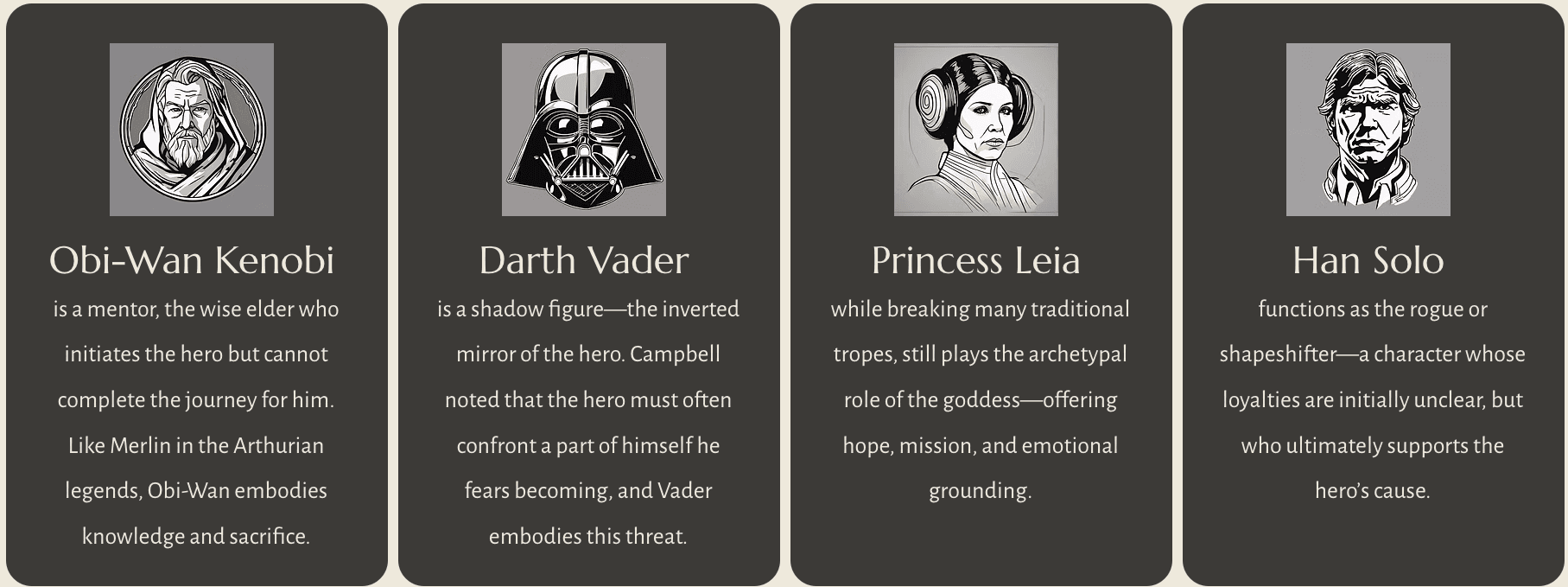
Posted by Kevin KearneyMay 15Why mythologist Joseph Campbell loved 'Star Wars'Joseph Campbell, the literature professor who wrote about the power of mythology, suggested that "Star Wars" was a powerful modern myth that used classic archetypes to communicate a universal message. 2:58Joseph Campbell and the Mythology of Star WarsMoyers & Companyhttps://www.youtube.com/watch?v=DXjnYL2GncU
Posted by Dina Fine MaronJun 8For most of recorded history dreams were considered divine in origin.Show 2 more findings ZoomSleep, dreaming, and mental health: A review of historical and neurobiological perspectivesSleep Medicine Reviewshttps://www.sciencedirect.com/science/article/abs/pii/S1087079210000699
Posted by Dina Fine MaronMay 5Could all mental health disorders have a unifying 'p-factor'?Some researchers have argued in the past couple decades that all mental health disorders may have a unifying dimension—a theoretical "p-factor" that is common across mental illness, but life experiences and behaviors influence if and how illness manifests. Proponents point to similarities across different disorders, while detractors argue that such connections are largely exaggerated. ZoomWhat the p-factor says about the root of all mental illness | Aeon EssaysAeonhttps://aeon.co/essays/what-the-p-factor-says-about-the-root-of-all-mental-illness
Posted by Kevin KearneyDec 8, 2025Surrealism toyed with ideas from psychoanalysisThe movement's artists were interested in the ideas being explored in the burgeoning fields of psychology and psychoanalysis. Dalí, in particular, often created works that toyed with Freudian theories.Surrealism and Psychoanalysis – SmarthistorySmarthistoryhttps://smarthistory.org/surrealism-and-psychoanalysis/
Posted by Meher QazilbashMar 11The ideas of Einstein and Freud combined in 'The Persistence of Memory'The Persistence of Memory was painted on a canvas roughly the size of a sheet of paper, depicting a desolate landscape with melting clocks, ants, and a distorted figure. The piece incorporates Freud and Einstein's ideas, resulting in a haunting composition symbolizing time's fluidity and Dalí's personal anxieties. ZoomThe Museum of Modern Arthttps://www.moma.org/collection/works/79018
Posted by Dina Fine MaronJun 9Dreams have long been used for religious and political power.Show 2 more findings ZoomWhy are dreams such potent vehicles for the supernatural? | Aeon EssaysAeonhttps://aeon.co/essays/why-are-dreams-such-potent-vehicles-for-the-supernatural
Posted by Teddy BurkhardtJan 2, 2024What do your dreams mean, according to scienceHumans have been interpreting dreams as signs from deities, spirits, or the psyche for ages, and research shows that reflecting on and analyzing one's dreams can be beneficial. In alignment with dreams' elusive nature, they have no objective or clearly assigned meaning. However, variations of common dreams, such as a surprise exam in a forgotten class, are rife with shared primal fears. ZoomWhat Your Dreams Actually Mean, According to ScienceTIMEhttps://time.com/4921605/dreams-meaning/
Posted by Drew SteigerwaldMay 14Studies of psychedelic use may help shed light on the nature of consciousnessThe nature of consciousness—what it is, where it comes from, and how it manifests as moment-to-moment experience—remains under debate by scientists. Recent studies show psychedelics were found to boost low-frequency brain signals known as delta waves, a behavior also seen during dream states. 11:36Psychedelics and consciousness: Could drugs help quantify our waking state?Naturehttps://www.youtube.com/watch?v=1Tl7ktZLWF8
Posted by Kevin KearneyMay 15George Lucas used Joseph Campbell's 'hero's journey,' a narrative structure that encompasses the common characteristics of multiple cultures' mythologies, to revise 'Star Wars.'Show 3 more findings ZoomJoseph Campbell's Mythic Influence on Star WarsJoseph Campbell Foundationhttps://www.jcf.org/learn/star-wars
Posted by Teddy BurkhardtJan 2, 2023Wilhelm Wundt, the forgotten father of modern psychologyHe was the first psychologist to call himself one, and he influenced a whole generation of early psychologists. Learn about the life and works of Wilhelm Wundt with this thorough entry from a philosophy encyclopedia. ZoomWilhelm Maximilian Wundt (Stanford Encyclopedia of Philosophy)Stanford Universityhttps://plato.stanford.edu/entries/wilhelm-wundt/
Posted by Teddy BurkhardtJun 30Wilhelm Wundt's place in the history of psychologyWhile ancient philosophers considered the central problems of psychology, it was Wilhelm Wundt who first called himself one. Here's a quick video overview of his contribution. 3:46Psychology and Wilhelm Wundt (An Introduction to Psychology)https://www.youtube.com/watch?v=m-gmooH1jEc
Posted by Dina Fine MaronJun 9How your subconscious influences your decisionsHow much of your desires and daily choices are truly yours? One of the most effective ways to influence someone's subconscious is when they're asleep. To study this possibility, researchers trained participants to be able to dream lucidly, a phenomenon that occurs when a dreamer knows they're dreaming. 14:35Dream Hacking: 3 Groundbreaking ExperimentsNOVA PBS Officialhttps://www.youtube.com/watch?v=7M06fJxiayo
Posted by Meher QazilbashMay 2, 2025Salvador Dalí idolized Freud but was disappointed after they metSigmund Freud's writings on dreams and the unconscious profoundly influenced Dalí and his work, and the artist came to idolize the Austrian psychoanalyst. When they met, Freud viewed Dalí as an odd curiosity, and the artist came away disappointed, significantly lowering his opinion of the psychoanalyst. ZoomWhat Happened When Salvador Dali Met Sigmund Freud? | TheCollectorTheCollectorhttps://www.thecollector.com/when-salvador-dali-met-sigmund-freud/
Posted by Teddy BurkhardtFeb 5Humans have speculated about alien life since ancient timesAround 50 B.C.E., Roman poet and philosopher Lucretius shared the idea that alien life was possible, which was put forth by Greek philosopher Epicurus. The writing is believed to be the first straightforward assertion in Western literature that aliens must exist. ZoomAlien Dreams: The Surprisingly Long History of Speculation About ExtraterrestrialsMassachusetts Institute of Technologyhttps://thereader.mitpress.mit.edu/history-speculation-about-aliens/
Posted by Meher QazilbashFeb 5Noam Chomsky believed it might be possible to communicate with aliensThe father of modern linguistics argued that there is a genetic component to language, and that the ability to acquire and comprehend language is innate. If aliens existed, he believed they could potentially observe the same "universal grammar" rules as humans.Linguists Say We Might Be Able to Communicate With Aliens If We Ever Encounter ThemMental Flosshttps://www.mentalfloss.com/article/545638/linguists-say-we-might-be-able-communicate-aliens-if-we-ever-encounter-them
Posted by Marco Daniel MachadoJun 27, 2025Core memories are a popularized version of autobiographical memoriesCore memories are not limited to five key events, do not individually shape personality traits, and are not formed in childhood. Our strongest memories are formed in early adulthood, but are as prone to error as any other memory. ZoomAre ‘core memories’ real? The science behind 5 common mythsThe Conversationhttps://theconversation.com/are-core-memories-real-the-science-behind-5-common-myths-191942
Posted by Teddy BurkhardtDec 13, 2023Humans experience the world subjectively. What does that mean for scientific research?When you close your eyes, do you see static or colorful patterns or an "intrinsic grey" known as Eigengrau in German? This variation of our internal experiences is just the tip of the iceberg, one that scientists are increasingly studying and... ZoomThe moral imperative to learn from diverse phenomenal experiences | Aeon EssaysAeonhttps://aeon.co/essays/the-moral-imperative-to-learn-from-diverse-phenomenal-experiences
Posted by Teddy BurkhardtJan 2, 2023Who was Freud and what did he say?Sigmund Freud is one of the most famous psychologists and is widely cited—but do you really know the basics of what he taught? Here's a super brief breakdown of his major insights. ZoomSigmund Freud: Theory Of Unconscious Mental Processes - PsyBloghttps://www.spring.org.uk/2021/08/sigmund-freud-theory.php
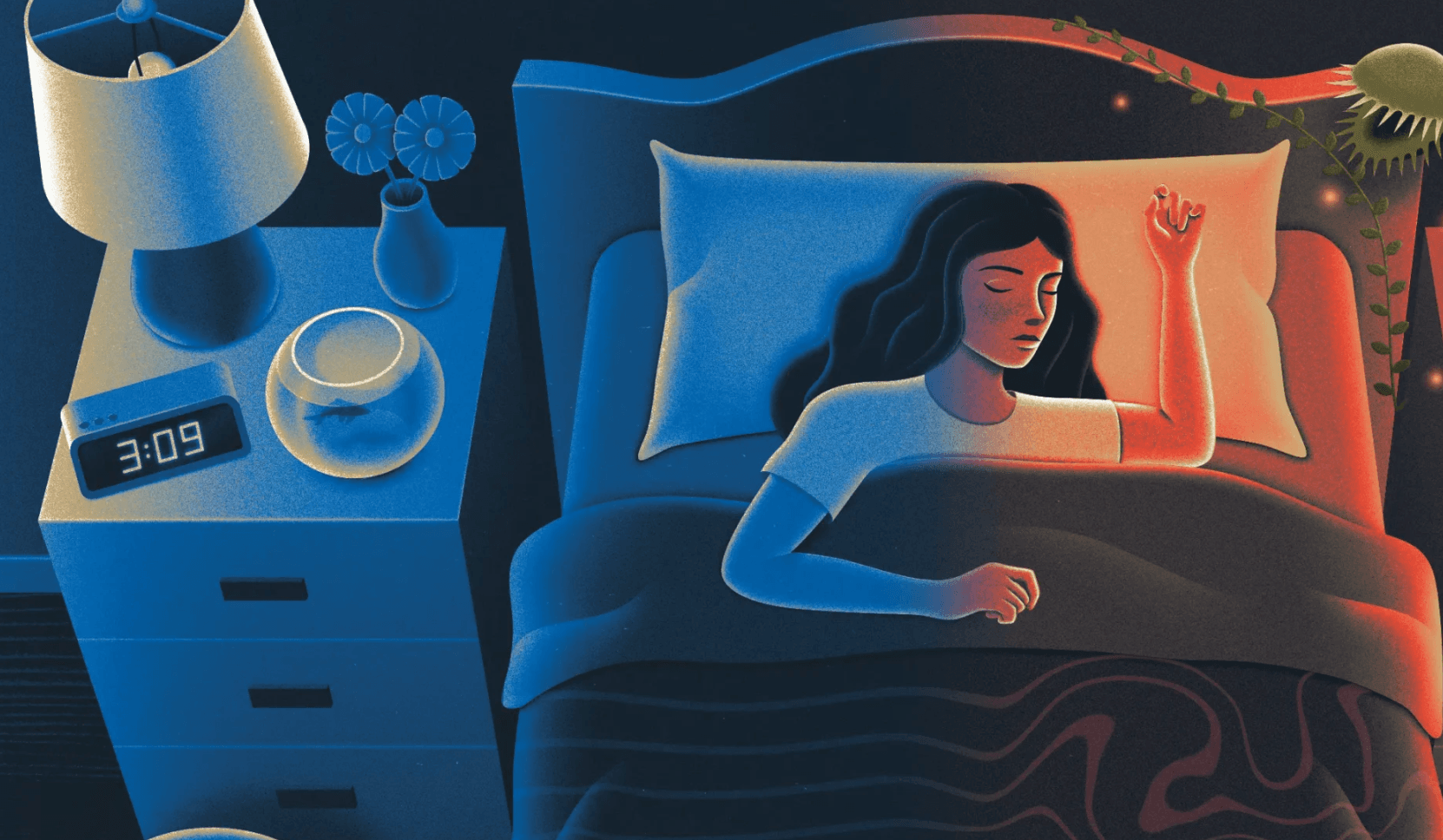
Posted by Dina Fine MaronJun 8Sleep is no longer considered a binary state—scientists are seeking to map a variety of liminal states between sleep and waking, including the hypnagogic state associated with boosts of creativity.Show 5 more findings ZoomHow the Brain Moves From Waking Life to Sleep (and Back Again) | Quanta MagazineQuanta Magazinehttps://www.quantamagazine.org/how-the-brain-moves-from-waking-life-to-sleep-and-back-again-20251017/
Posted by Kevin KearneyFeb 10Scholars trace existential anxiety back to early Hebrew scripturesPaul Megna, a scholar of literature and philosophy, notes that the existentialist ideas of Kierkegaard (and, to a lesser extent, Sarte and Camus) had their roots in much earlier texts, which posited that "fear of the Lord" was "the beginning of wisdom." ZoomA History of Existential Anxiety - JSTOR Dailyhttps://daily.jstor.org/a-history-of-existential-anxiety/
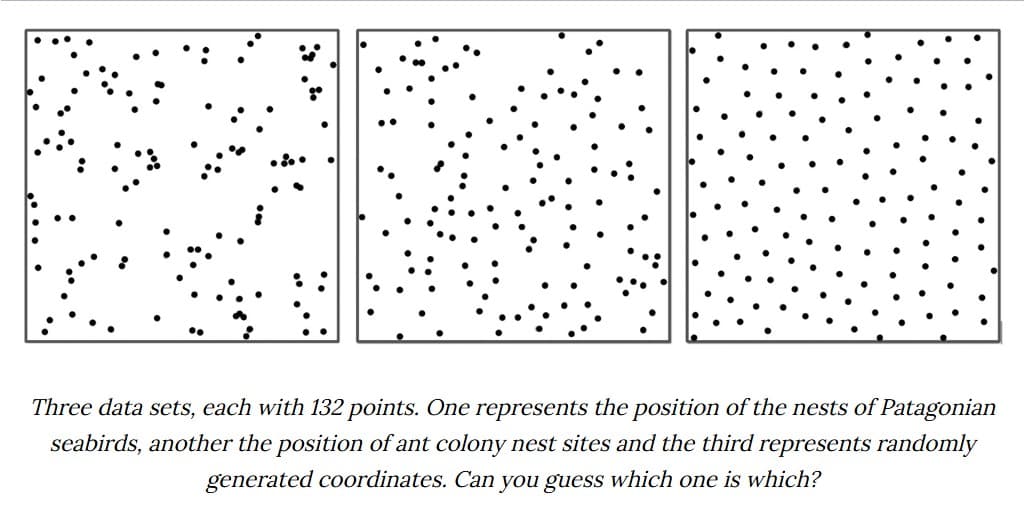
Posted by Dina Fine MaronJun 8Apophenia, the cognitive bias that leads people to find meaning in randomness, helps explain why humans look for meaning in their dreams and even in their tea leaves.Show 2 more findings ZoomWhy Randomness Doesn’t Feel Random - By Kit Yates - Behavioral ScientistBehavioral Scientisthttps://behavioralscientist.org/yates-expect-unexpected-why-randomness-doesnt-feel-random-sense-patterns/
Posted by Kevin KearneyMay 1Unpacking 'Night Journey,' Martha Graham's take on a Greek mythThe dance piece was inspired by the story of Oedipus, as well as by more contemporary psychoanalytic theories from Sigmund Freud and Carl Jung. This JSTOR article explores how Graham's piece merged those texts with her singular approach to movement to explore gender and identity. ZoomJSTORhttps://daily.jstor.org/martha-grahams-night-journey/
Posted by Teddy BurkhardtOct 16, 2025Sleep is often viewed individually, when its impact and meaning may be more communalAt any given point, roughly 2 billion people may be asleep on Earth. The typical scientific description of sleep focuses on its individual impact, but the phenomenon shapes whole cultures and eons. This essay prompts a fresh rethinking of the importance of sleep for humanity.Two billion humans are doing something bizarre right now: sleeping | Aeon EssaysAeonhttps://aeon.co/essays/two-billion-humans-are-doing-something-bizarre-right-now-sleeping
Posted by Kevin KearneyJun 3John Steinbeck's philosophical ideas, which he often explored in his novels, wrestled with the role of the individual and the power of community.Show 2 more findings ZoomJohn Steinbeck - Steinbeck's Philosophy | Steinbeck in the SchoolsSteinbeck in the Schoolshttps://www.steinbeckintheschools.com/authors-context/steinbecks-philosophy
Posted by Dina Fine MaronJun 9During dream sleep, the brain connects new information learned during the day with information already stored in the mind, creating a revised mind-wide web of associations. 4:02What Happens To Your Brain When You DreamInsider Techhttps://www.youtube.com/watch?v=rBby0RJw3Dc
Posted by Kevin KearneyDec 29, 2025Existentialism has been used as a therapeutic tool, with 2 Swiss psychiatrists pioneering the philosophy's concepts to help patients navigate their issues.Show 2 more findings ZoomExistential psychology | Psychology | Research Starters | EBSCO ResearchEBSCOhttps://www.ebsco.com/research-starters/psychology/existential-psychology
Posted by Teddy BurkhardtJan 2, 2023Browse and explore dozens of major psychology theoriesThere are a ton of different psych theories—so here's a breakdown of some of the major ones according to the general psychological focus. ZoomPsychology Theories - Explore Psychologyhttps://www.explorepsychology.com/psychology-theories/
Posted by Kevin KearneyJan 2, 2024Freud and Jung were once friends. What drove them to break up?Austrian psychologist Sigmund Freud and Swiss psychiatrist Carl Jung were fast friends, immediately hitting it off the first time they met in 1907. This four-minute video dives into the intellectual divide that drove them apart. 4:05Philosophy Feuds: Freud vs JungAeonhttps://www.youtube.com/watch?v=dL0TvdiVN38
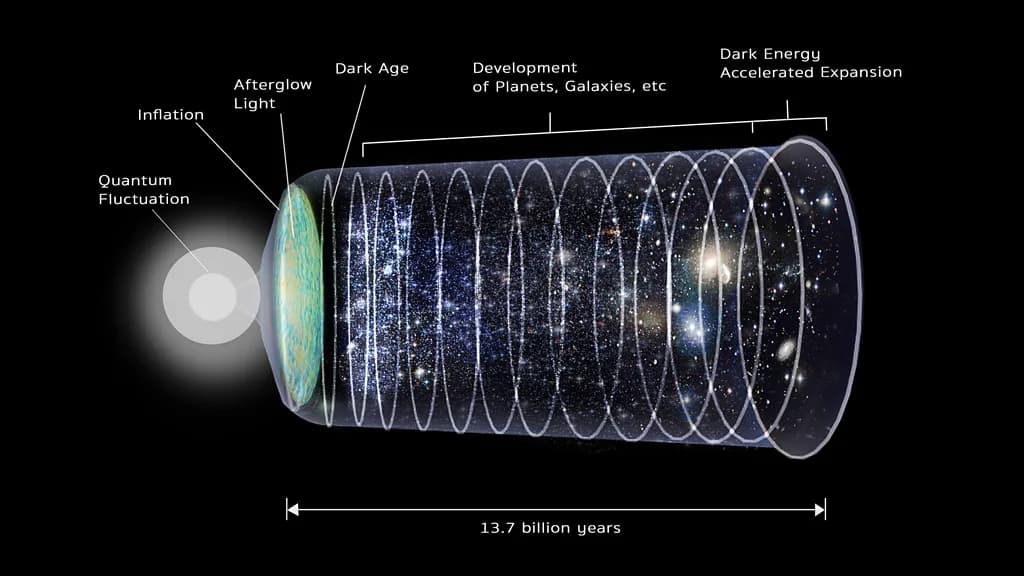
Posted by Marco Daniel MachadoFeb 7, 2022Modern physics suggests that many universes with different physical laws could existPhysicists suggest that quantum fluctuations in the early universe could have given rise to these universes. Ancient Greek philosophers like Chrysippus proposed a version of the multiverse over 2,000 years ago—millennia before its adoption into various theoretical frameworks today. 10:03Neil Degrasse Tyson explains the infinite universe theoryhttps://www.youtube.com/watch?v=h6OoaNPSZeM
Posted by Dina Fine MaronJun 8The study of dreams, formally called oneirology, has evolved over the centuries, from anecdotal interpretations to advanced brain imaging.Show 2 more findingsOneirology Part 1 (DREAMS) with G. William DomhoffOlogies with Alie Wardhttps://open.spotify.com/episode/1B8THYg4BJ8jghDX6sAdbV
Posted by Dina Fine MaronMay 5The term schizophrenia was coined by Swiss psychiatrist Eugen Bleuler in 1908He launched the word during a lecture at the German Psychiatric Association in Berlin. In his talk he focused on the splitting of psychic functioning as a defining feature of the disease and noted it wasn't associated with dementia or factors like early puberty onset.Paul Eugen Bleuler and the origin of the term schizophrenia (SCHIZOPRENIEGRUPPE) - PMCNational Library of Medicinehttps://pmc.ncbi.nlm.nih.gov/articles/PMC3339235/